National OSH Day 2026: Strategic Steps to Strengthen SMK3 Implementation in Companies
 Super Admin
 25/02/2026 08:21 AM
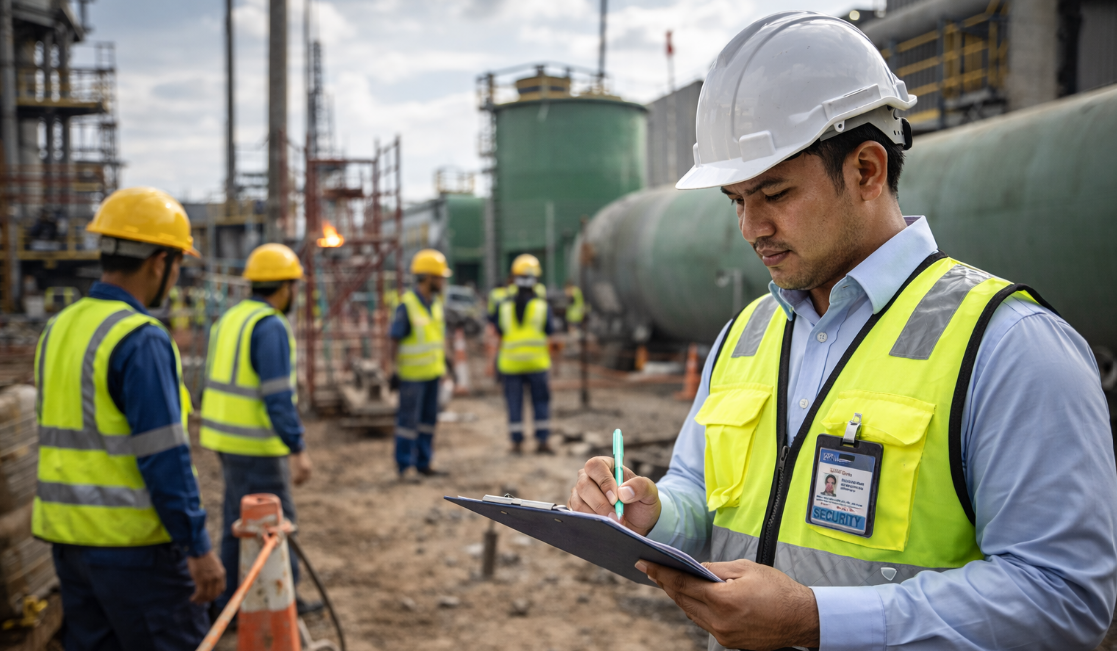
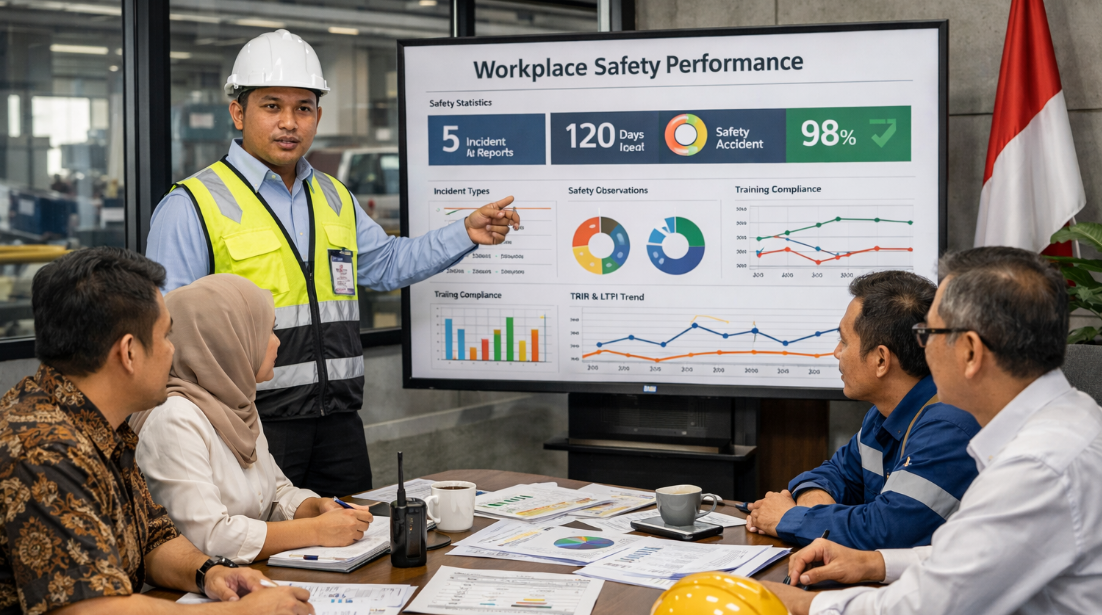
The momentum of National OSH Day 2026 (National Occupational Safety and Health Day 2026) is not merely a safety campaign event, but also the right time for companies to conduct a comprehensive evaluation of their Occupational Safety and Health Management System (SMK3) implementation.
Amid increasingly competitive industrial environments, companies in manufacturing, construction, oil & gas, logistics, and mining sectors are required to establish safety systems that are strong, structured, and sustainable.
Occupational safety is no longer just regulatory compliance — it has become a long-term business strategy.
SMK3 Evaluation: Is Your Company’s Safety System Truly Optimized?
Many companies believe they have implemented occupational safety simply by providing PPE and installing safety signage. However, effective implementation requires a more comprehensive approach, including:
- Documented and well-communicated OSH policies
- Regular hazard identification and risk assessment
- Scheduled safety training programs
- Routine monitoring and internal audits
- Data-driven safety performance evaluation
Without consistent evaluation, the safety management system risks becoming merely an administrative formality rather than a living workplace culture.
Challenges in Implementing a Safety Culture in Industry
Some common challenges faced by companies include:
Lack of Worker Awareness
Some employees still perceive safety procedures as obstacles to productivity.
Inconsistent Use of PPE
Uncomfortable or non-standard PPE is often not used consistently or properly.
Limited Monitoring and Supervision
Insufficient oversight can allow safety violations to go undetected.
Inappropriate Selection of Safety Equipment
Using safety equipment that does not match the specific risk exposure can increase the likelihood of workplace accidents.
Strategic Actions to Strengthen Workplace Safety Culture
To make National OSH Day 2026 a starting point for improving your safety system, the following strategic actions can be implemented:
Integrating Safety into Company KPIs
Occupational safety should be incorporated into management and supervisor performance indicators.
Digitalizing Incident Reporting Systems
Using digital reporting systems simplifies the monitoring of incidents and near-miss cases.
Standardizing PPE According to Industry Risk
Each sector has different risk profiles. Therefore, PPE selection must be aligned with specific industry requirements.
For example:
- Safety helmets for construction sites
- Heat-resistant gloves for manufacturing
- Specialized respirators for hazardous gas exposure
- Safety harnesses for working at heights
Safety Leadership Programs
Establishing safety champions in each division to enhance compliance and awareness.
Audit and Continuous Improvement
Conducting periodic audits to ensure the effectiveness of the safety management system and continuous improvement.
The Role of High-Quality PPE in Supporting Safety Systems
Personal Protective Equipment (PPE) represents the last layer of protection in the hierarchy of risk control. However, the quality of PPE significantly determines the level of protection provided.
- Using PPE that meets national and international standards helps to:
- Reduce workplace injuries
- Minimize operational downtime
- Increase employee confidence
- Ensure compliance with occupational safety regulations
Selecting a trusted PPE distributor is therefore essential to ensure companies receive products that meet safety standards and operational needs.