Category








Disposable Earplugs for Hearing Protection
Disposable Earplug
Disposable Earplug




Disposable Earplugs for Workplace Hearing Protection
Disposable earplugs are a type of personal protective equipment (PPE) designed to help reduce noise exposure in workplace environments. Earplugs are inserted into the ear canal to help reduce sound entering the ears according to the product's design, materials, and protection rating.
Noise exposure can occur across various industrial activities, including manufacturing, construction, mining, oil and gas, metal fabrication, automotive, workshops, maintenance, and other workplace environments.
Earplug selection should consider noise levels, exposure duration, work activities, user comfort, fitting method, and individual product specifications.
What Are Disposable Earplugs?
Disposable earplugs are hearing protection products generally designed for limited or single use. Many disposable earplugs use foam materials that expand after insertion into the ear canal to help create a barrier against noise.
Different earplug products may have different shapes, materials, sizes, noise reduction ratings, and cord configurations.
Because products do not all have the same characteristics, users should review individual product specifications before making a selection.
Why Are Earplugs Important for Hearing Protection?
Workplaces with high noise levels can increase worker exposure to excessive sound. Appropriate hearing protection can form part of an overall approach to reducing noise exposure.
Earplugs can be a practical option for workers who require compact hearing protection that is easy to carry and use. Their small size also allows earplugs to be used with several other types of PPE when compatibility is appropriate.
However, earplugs should not replace noise control at the source. Engineering controls, administrative controls, and hearing conservation programs remain important elements of workplace noise management.
Earplug Options
The Disposable Earplug category provides various earplug products from different brands for hearing protection requirements.
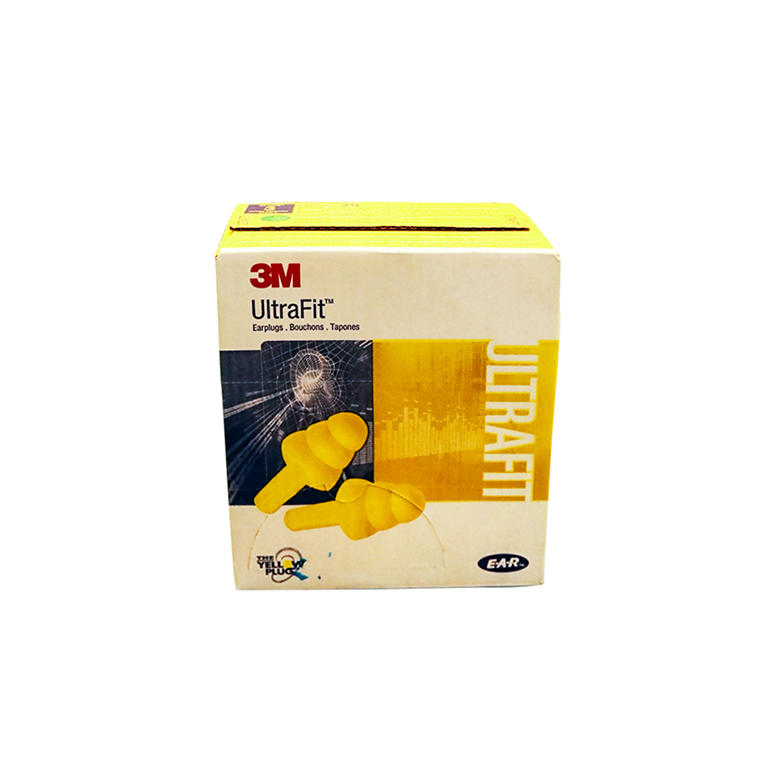
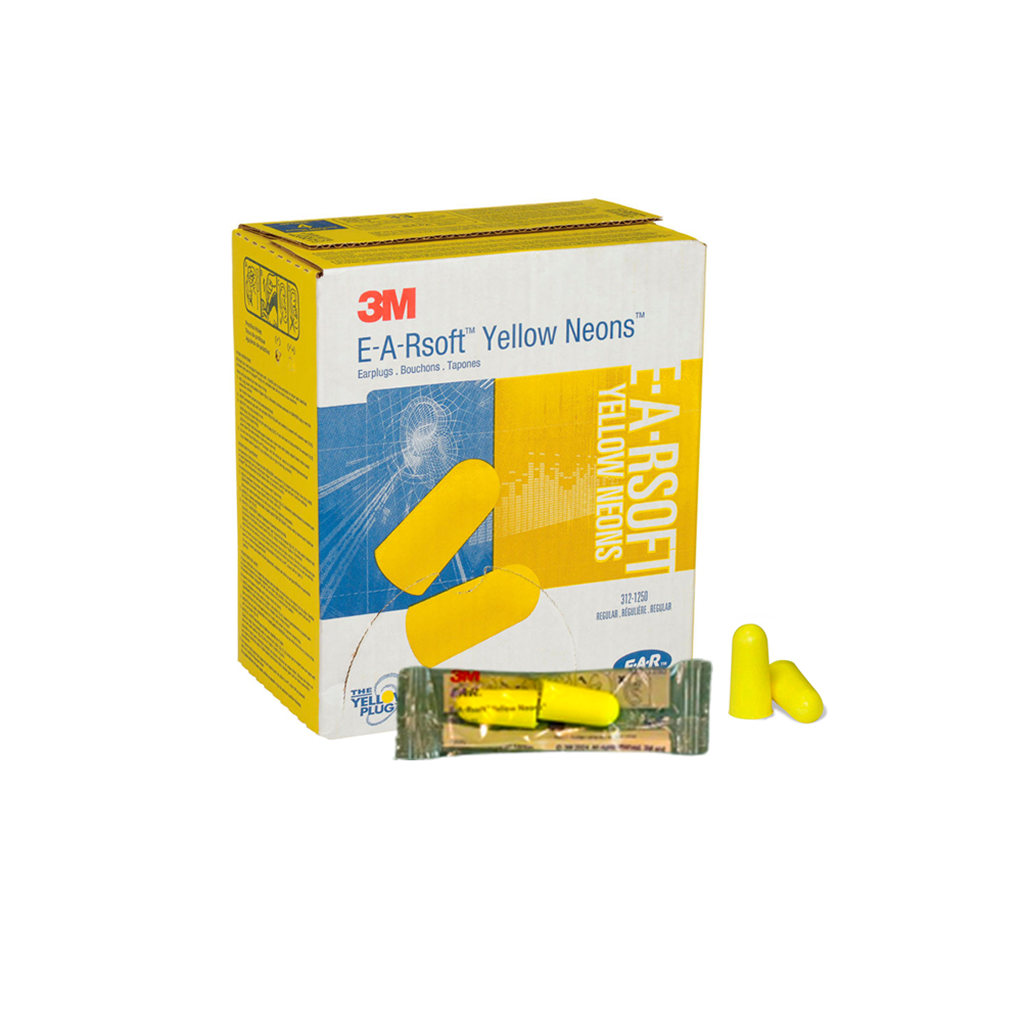
Products currently listed include 3M™ E-A-Rsoft™ Yellow Neons 393-2000-50, 3M 393-2001-50 Ultrafit, Mega Bullet™ BioSoft™ BSF-1, 3M™ E-A-Rsoft™ Yellow Neons 391-1004, 3M 1271 Earplug Reusable, 3M™ E-A-Rsoft™ Yellow Neons 311-1251, 3M 1270 Earplug Reusable, 3M™ E-A-Rsoft™ Yellow Neons 311-1250, and other products.
These products have different designs, materials, shapes, and usage characteristics. Some are disposable earplugs, while certain products listed on the category page are reusable earplugs.
Users should review individual product information to understand the intended use, protection rating, materials, and specifications before selecting a product.
Types of Earplugs
Foam Earplugs
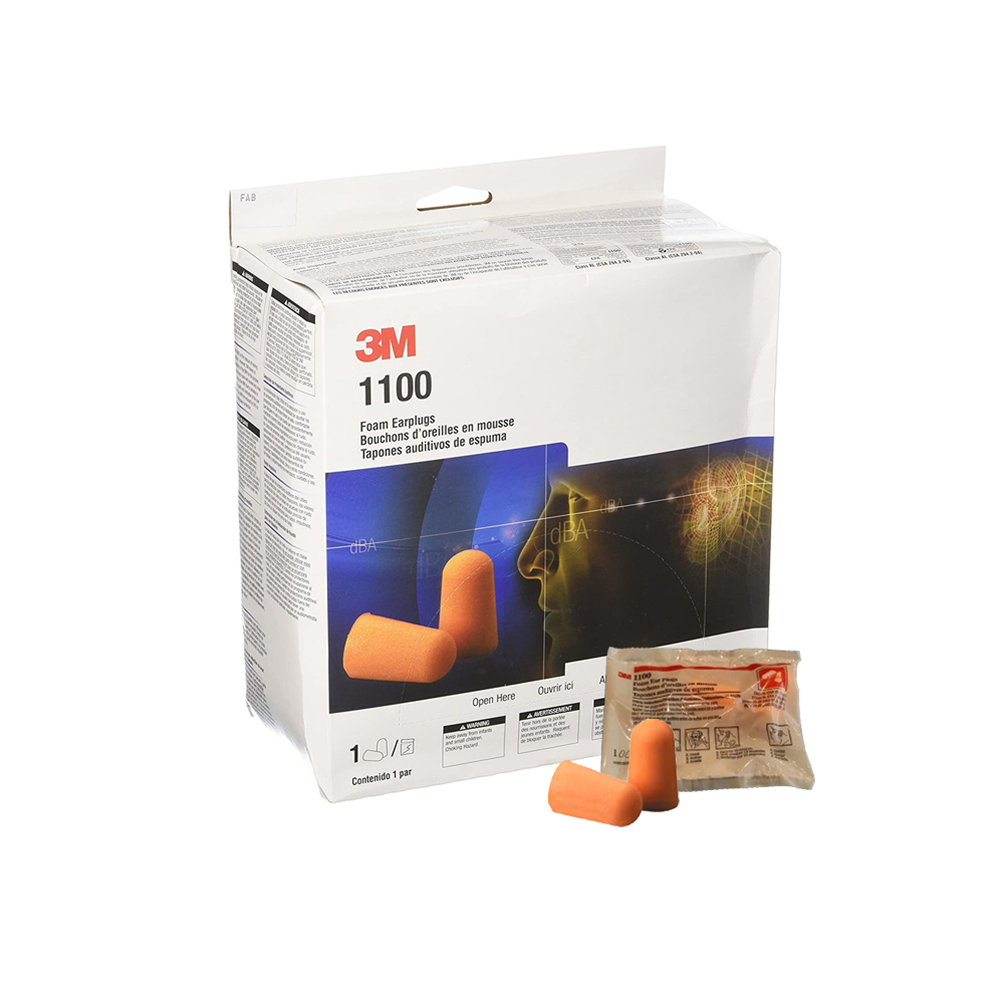
Foam earplugs are one of the most commonly used types of hearing protection in workplace environments. Foam materials can be designed to expand after insertion into the ear canal to help create a barrier against noise.
Foam earplugs can be suitable for activities requiring lightweight and practical hearing protection.
Corded Earplugs
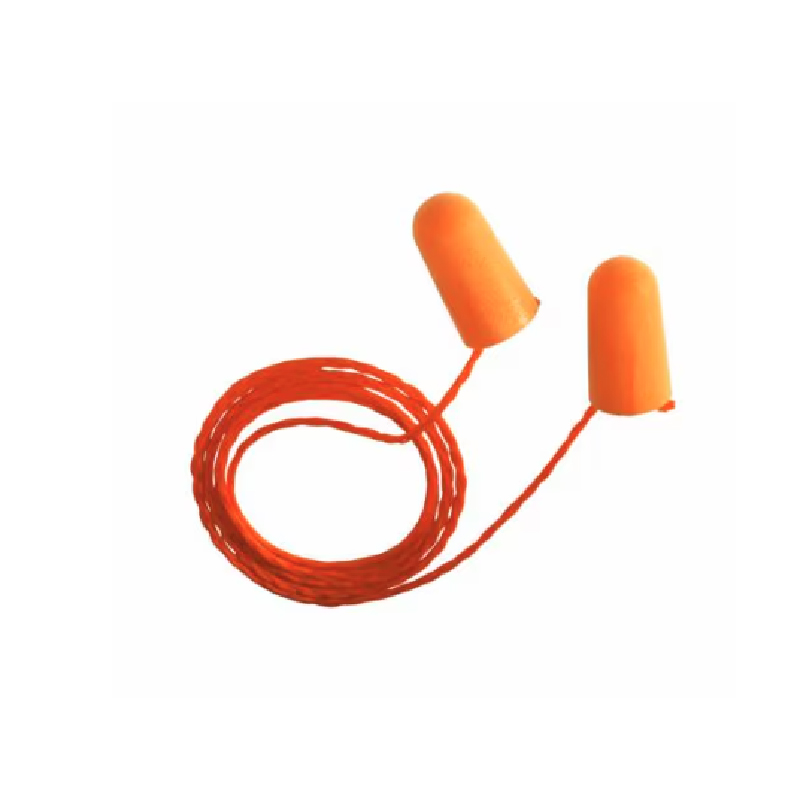
Corded earplugs feature a cord connecting the two earplugs. This design can help reduce the risk of losing the earplugs when they are temporarily removed during work activities.
Corded earplugs can be suitable for work that requires hearing protection to be repeatedly inserted and removed.
Reusable Earplugs
Reusable earplugs are designed for repeated use according to the manufacturer's instructions. They may use different designs and materials compared with disposable earplugs.
The category currently includes products such as 3M 1270 and 3M 1271, which are listed as reusable earplugs.
The choice between disposable and reusable earplugs should consider usage frequency, hygiene requirements, comfort, workplace conditions, and manufacturer instructions.
How to Choose the Right Earplugs
Earplug selection should be based on workplace conditions and hearing protection requirements.
- Identify noise levels: understand the noise level and characteristics before selecting hearing protection.
- Check the protection rating: review the Noise Reduction Rating (NRR) or other protection information provided by the manufacturer.
- Choose the earplug type: determine whether disposable, reusable, corded, or another type is more suitable for the work activity.
- Consider size: select an appropriate size to support proper and comfortable use.
- Consider comfort: earplugs are worn directly in the ear, making comfort an important consideration.
- Review materials: choose materials appropriate for the application and workplace environment.
- Check compatibility with other PPE: make sure earplugs can be used with other PPE when required.
- Consider hygiene: disposable earplugs are generally designed for limited use, while reusable earplugs require maintenance according to manufacturer instructions.
- Follow fitting instructions: proper earplug insertion is important for achieving the intended protection according to product design.
Earplugs for Different Industries
Earplugs can be used across various workplaces where workers may be exposed to noise.
In manufacturing, earplugs can be used in production areas where machinery or equipment generates certain noise levels.
In construction, earplugs can be used during activities involving machinery, heavy equipment, or tools that generate noise.
In mining and oil and gas environments, hearing protection can form part of a PPE system based on workplace noise risk assessment.
In metal fabrication and automotive environments, noise can come from machinery, production processes, mechanical tools, and workshop activities.
Earplugs can also be used in maintenance, utilities, transportation, and other industrial activities when the selected product is suitable for the noise risk and workplace conditions.
Earplugs and the Hearing Protection System
Earplugs are one component of a broader Hearing Protection system. In workplaces with noise hazards, hearing protection can form part of a comprehensive hearing conservation program.
Earmuffs are another common hearing protection option.
The choice between earplugs and earmuffs should consider noise levels, exposure duration, work activities, comfort, compatibility with other PPE, and company safety requirements.
In certain conditions, a combination of earplugs and earmuffs may be considered based on the noise risk and appropriate safety recommendations.
Hearing protection should be used consistently whenever workers are in areas where hearing protection is required.
How to Use Earplugs Correctly
Proper earplug fitting is important to help achieve the intended protection according to product design.
Before using earplugs, make sure your hands and ear area are clean.
For foam earplugs, follow the manufacturer's instructions for rolling, inserting, and holding the earplug so that it can expand correctly inside the ear canal.
Make sure the earplug is positioned correctly and remains securely in place during the work activity.
For reusable earplugs, clean and store the product according to the manufacturer's instructions.
Disposable earplugs should be replaced according to the manufacturer's instructions, product condition, and workplace safety procedures.
Earplugs with Other PPE
One advantage of earplugs is their relatively compact size, which allows them to be used with various types of PPE.
Earplugs can be used together with safety helmets, safety glasses, face protection, respirators, and other safety equipment when they do not interfere with the function of each item.
Users should still consider compatibility and comfort when using multiple PPE items together.
Make sure earplugs remain correctly positioned and are not affected by other protective equipment.
For higher hearing protection requirements, the use of both earplugs and earmuffs should be determined based on noise risk and appropriate safety recommendations.
Earplug Care and Replacement
Disposable earplugs are generally designed for limited or single use. Earplugs should be replaced when they become dirty, damaged, lose their shape, or can no longer be used according to their intended function.
Reusable earplugs should be cleaned and maintained according to manufacturer instructions. Do not use reusable earplugs if damage may affect their function or comfort.
Inspect earplugs before use. Make sure there is no damage, deformation, or other condition that may affect their use.
Storage is also important. Store earplugs in a clean and appropriate location to help maintain product condition.
Find Disposable Earplugs for Hearing Protection
Disposable earplugs are a practical hearing protection option designed to help reduce noise exposure across various workplace environments.
The Disposable Earplug category provides various products with different designs and characteristics, including foam earplugs, corded earplugs, and some reusable earplugs listed on the category page.
Compare individual product specifications to determine the option that best matches the noise level, work activity, exposure duration, comfort requirements, and hearing protection needs.
For other hearing protection requirements, users can also explore the Earmuff category according to workplace risks and conditions.