28/04/2026 03:02 AM
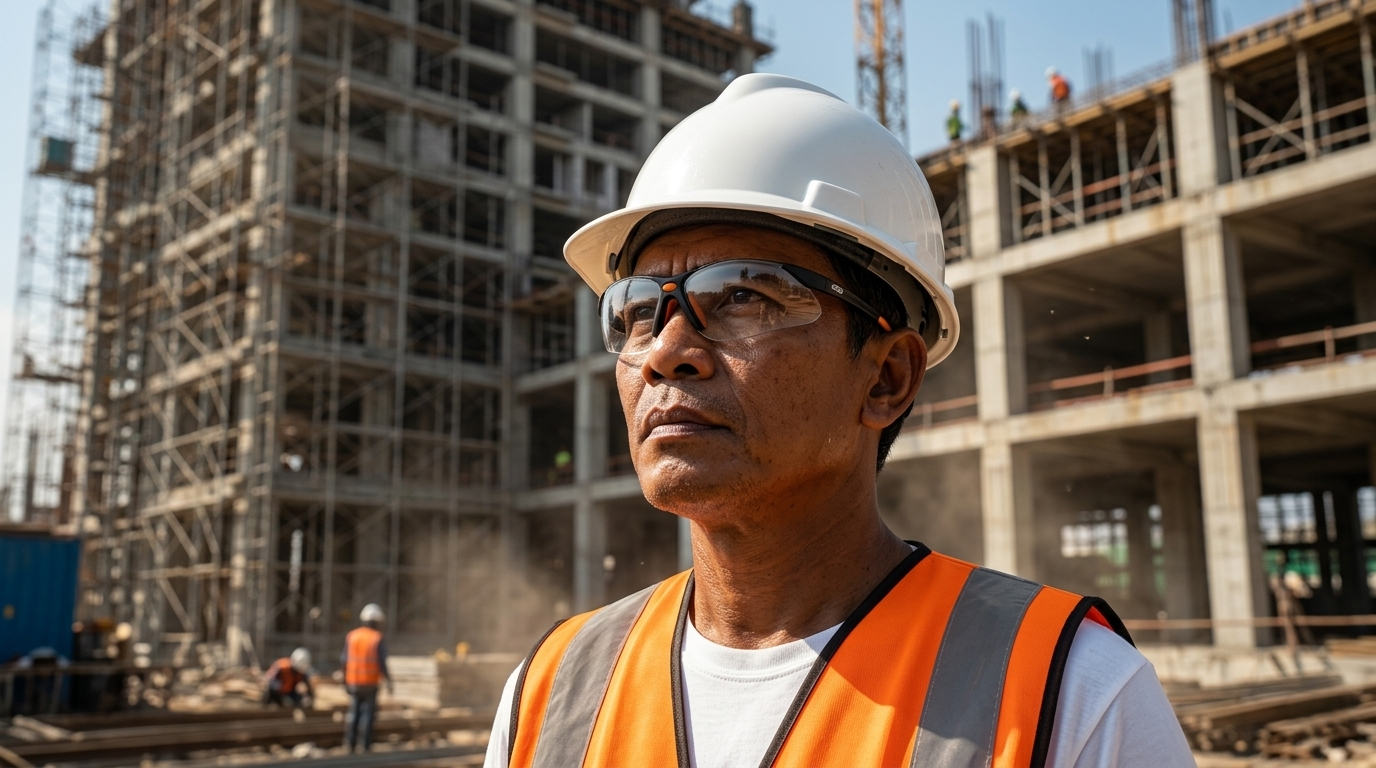
In recent times, rising temperatures across various regions of Indonesia have become a serious concern. According to reports from the Meteorology, Climatology, and Geophysics Agency (BMKG), temperatures in some areas have exceeded 34°C. This is driven by a combination of factors such as the apparent movement of the sun, dry air carried by the Australian monsoon winds, and minimal cloud cover. For many people, this may simply feel like a hotter-than-usual day. However, in the industrial world, it is a warning sign that cannot be ignored.
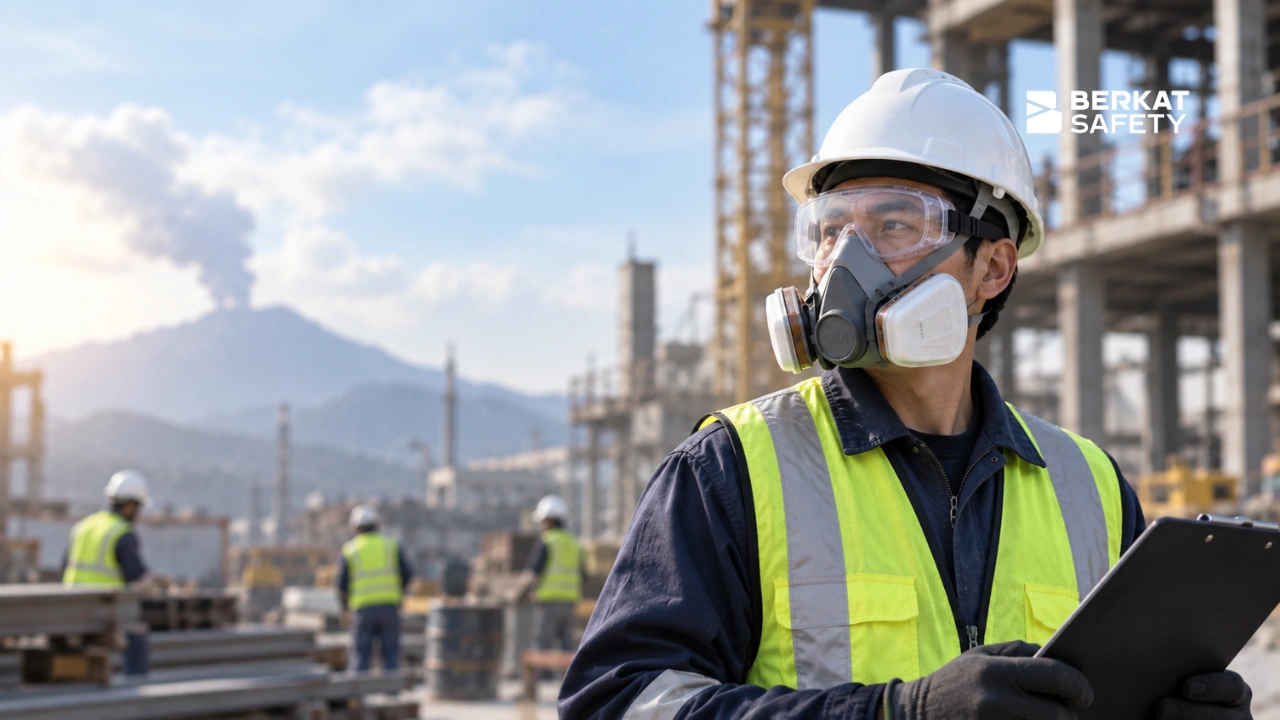
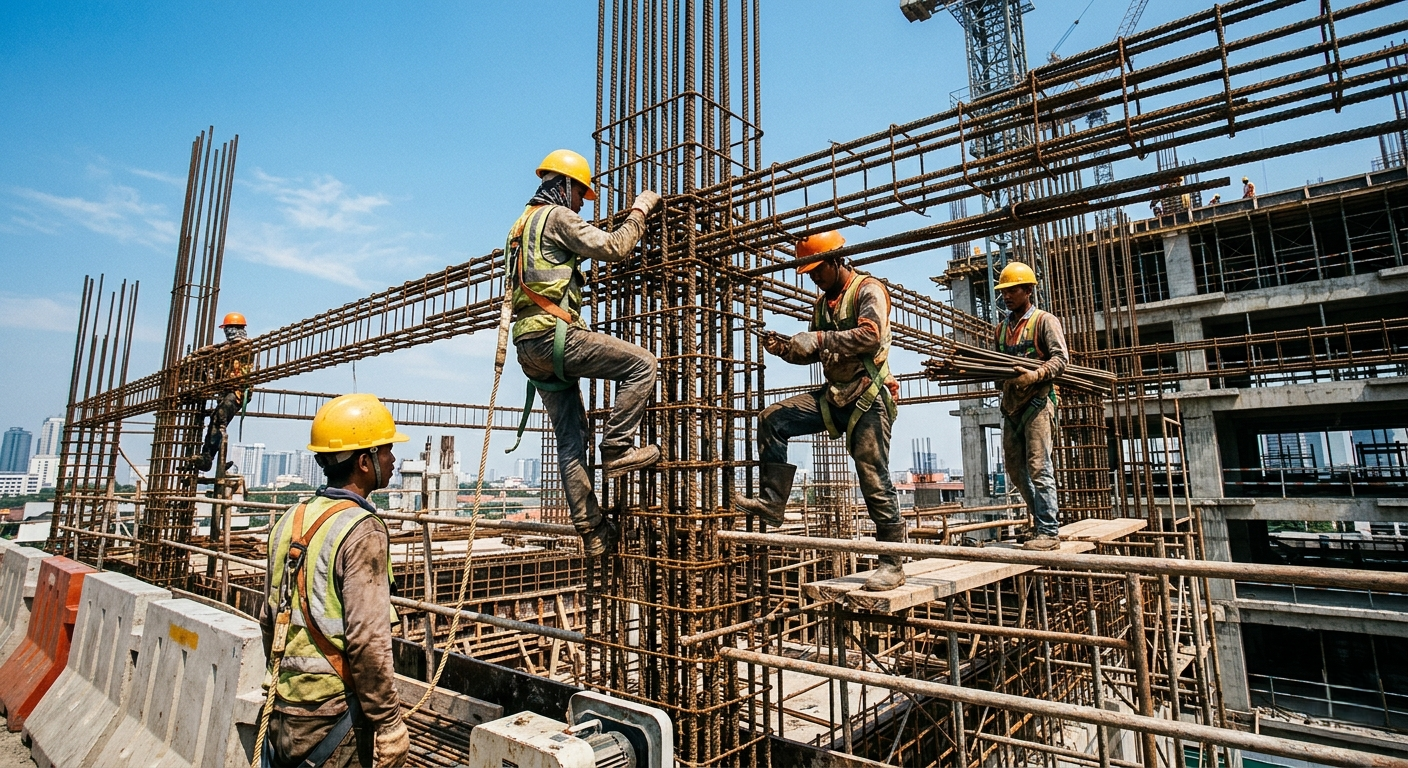
On the ground—especially in sectors such as construction, manufacturing, and mining—workers are exposed to direct heat for prolonged periods. Surfaces like concrete, steel, and asphalt further intensify environmental temperatures, creating working conditions that are far more extreme than the recorded air temperature. In these situations, heat is no longer just a discomfort—it becomes a significant safety risk.
One of the most critical and often underestimated threats is heat stress in industrial workplaces. This condition occurs when the body can no longer regulate its internal temperature due to excessive heat exposure. Symptoms are often dismissed as minor—such as dizziness, fatigue, and excessive sweating—but if left unaddressed, they can escalate into more serious conditions like heat exhaustion and even heat stroke. More importantly, one of the most dangerous effects is reduced concentration. In high-risk environments, even a brief lapse in focus can lead to serious accidents.
In addition, dehydration during high-temperature outdoor work further worsens workers’ conditions. A dehydrated body loses its ability to maintain temperature stability, accelerates fatigue, and reduces overall work performance. It is no surprise that during extreme heat conditions, field productivity often declines without teams realizing the root cause.
To address these challenges, companies cannot rely solely on operational adjustments such as modifying working hours or providing drinking water. While these measures are important, they are not sufficient. A more comprehensive approach is required—particularly in the selection of personal protective equipment (PPE). Many fail to realize that inappropriate PPE can actually worsen heat conditions. Non-breathable materials, poor ventilation design, and inadequate UV protection can cause workers to fatigue more quickly.
This is where selecting PPE specifically designed for extreme heat conditions becomes essential. For example, safety helmets with ventilation systems can help improve airflow around the head, while breathable safety workwear for outdoor projects allows the body to remain comfortable even during extended use. These details may seem small, but they have a significant impact on both safety and performance.
As a trusted partner in workplace safety solutions, Berkat Safety understands that field challenges are never generic. Each project has unique conditions, including exposure to extreme heat like what we are experiencing today. That is why Berkat Safety not only provides products but also delivers tailored solutions based on real on-site needs. From selecting the right PPE to ensuring user comfort, every aspect is designed to help companies minimize risks while maintaining team productivity.
Ultimately, while the weather cannot be controlled, its impact can be mitigated with the right strategy. Understanding risks such as heat stress, ensuring proper hydration, and using appropriate PPE are no longer optional—they are essential. In increasingly demanding working conditions, safety should never be compromised—and that is where the right solutions play a crucial role.