27/04/2026 04:05 AM
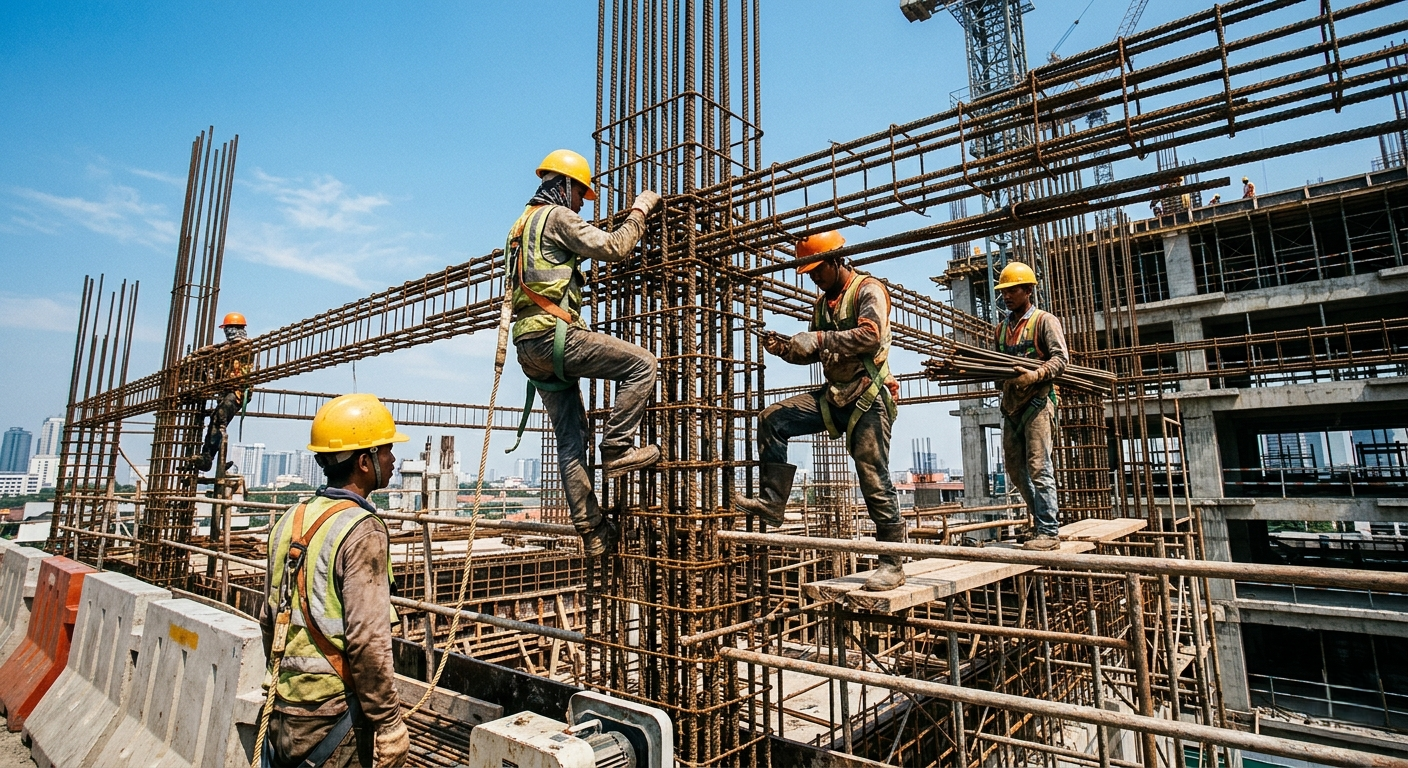

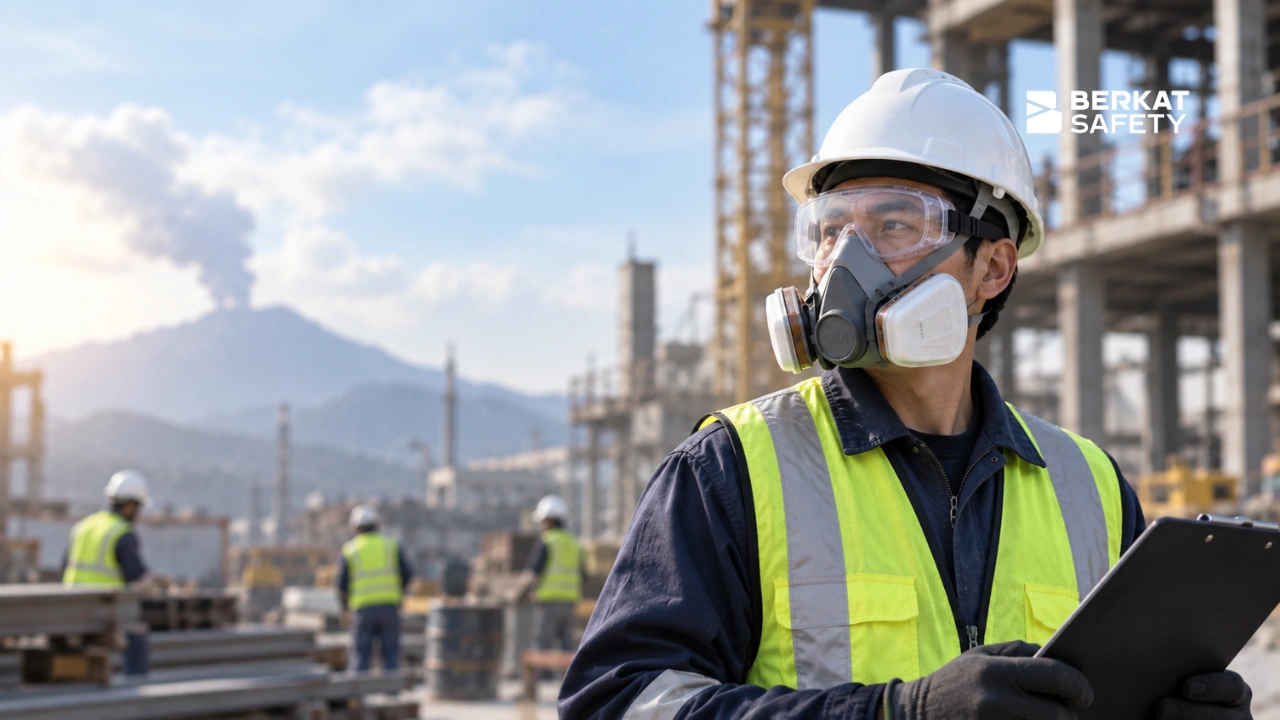
The rise of extreme heat in Indonesia has become a growing concern, particularly for industries that rely on outdoor workers. According to BMKG, this temperature increase is driven by the apparent movement of the sun and the dominance of the Australian monsoon, which brings dry air and reduces cloud cover. As a result, solar radiation reaching the Earth’s surface becomes more intense, with temperatures in several regions exceeding 36–37°C. This condition not only affects comfort but also poses serious risks to occupational health and safety (OHS), especially for workers exposed to direct sunlight for extended periods.
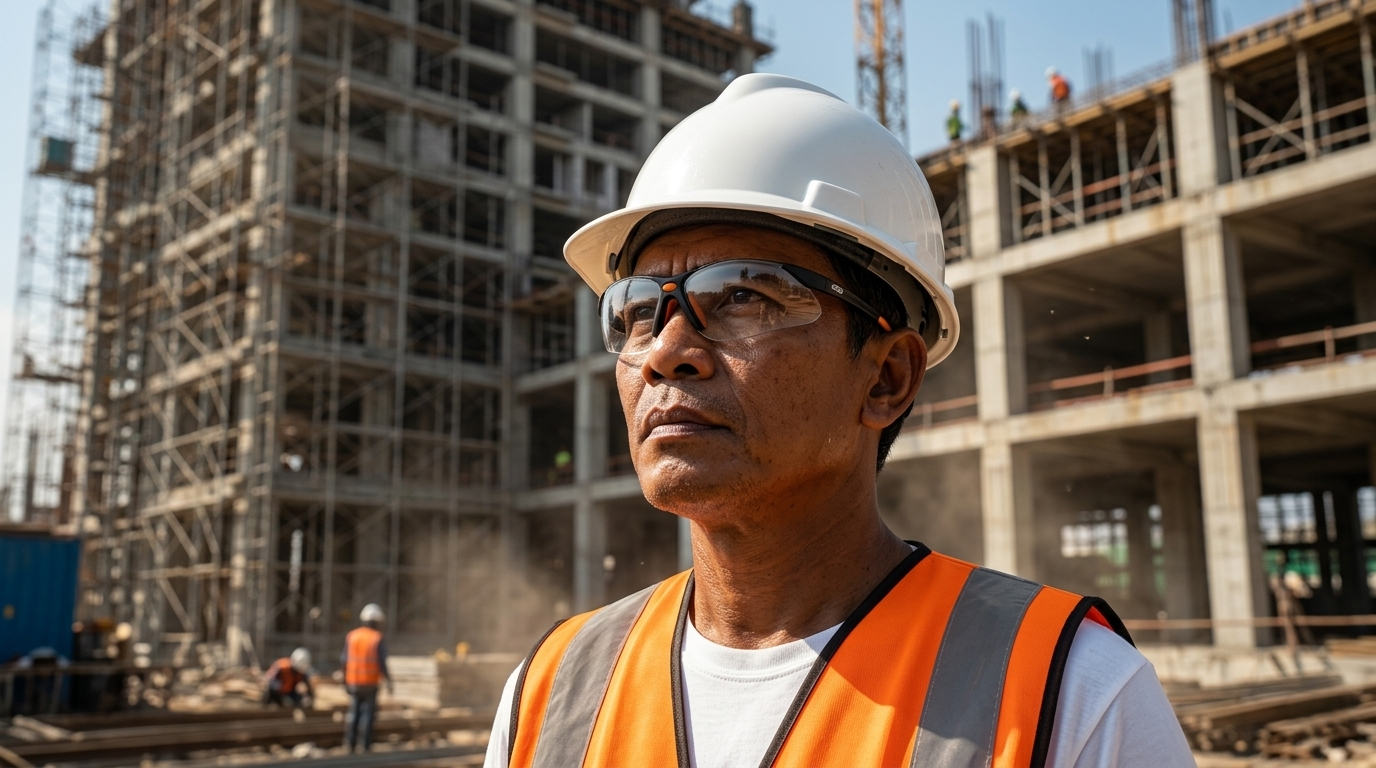
The impact of extreme heat goes beyond high temperatures—it is closely linked to ultraviolet (UV) radiation exposure, which is often underestimated. Insights highlighted by Green Network show that excessive heat exposure can lead to heat stress, dehydration, and reduced concentration, all of which significantly increase the risk of workplace accidents. At the same time, UV exposure for outdoor workers presents an invisible yet serious threat, particularly to eye health. Prolonged exposure to UV radiation can gradually damage eye tissue, causing irritation, reduced visual clarity, and increasing the risk of long-term eye conditions. Workers in construction, mining, logistics, and agriculture are among the most vulnerable due to prolonged sun exposure during daily operations.
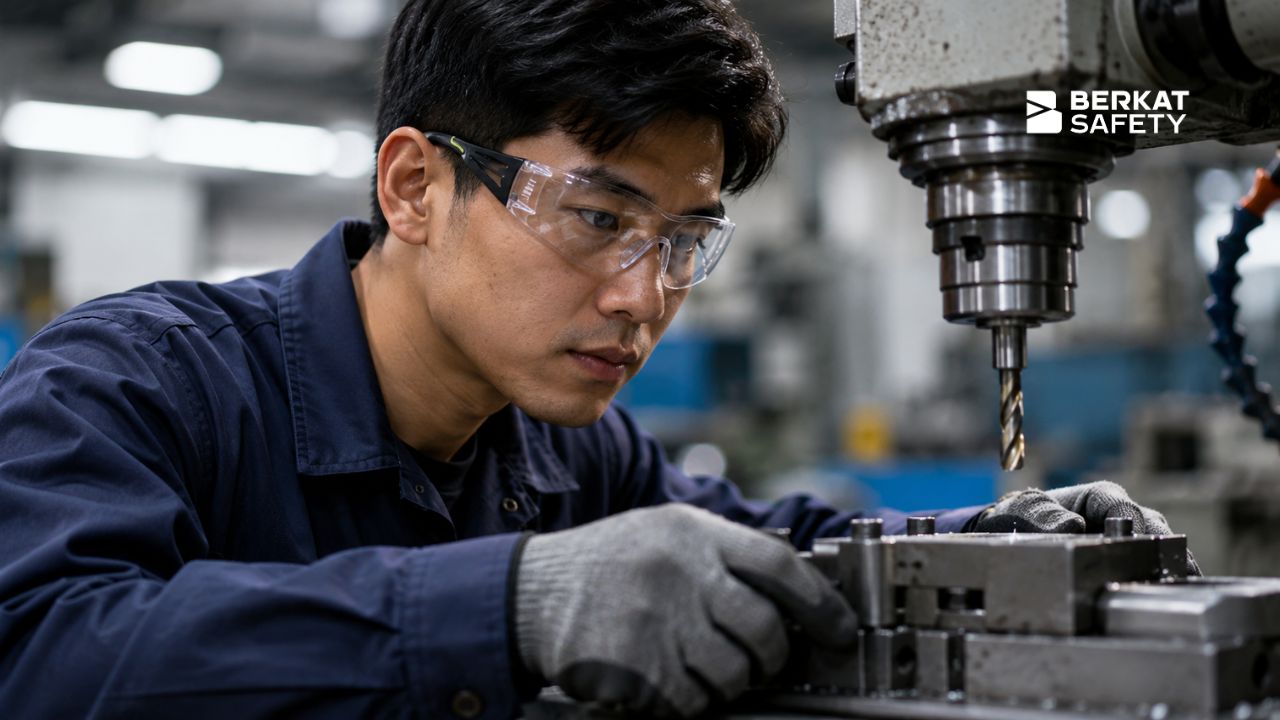
In this context, the use of anti-UV safety glasses has become a critical component of modern OHS practices. Eye protection should no longer be seen as optional but as an essential requirement to ensure both safety and productivity. Safety glasses with UV protection help reduce glare, maintain optimal visibility, and shield the eyes from harmful radiation. This is particularly important in high-risk environments where impaired vision can lead to costly and dangerous errors.
As a practical solution to these challenges, Berkat Safety provides reliable personal protective equipment, including CIG safety glasses designed specifically for harsh outdoor working conditions. These safety glasses are engineered to deliver optimal UV protection while maintaining comfort for long working hours. Equipped with impact-resistant polycarbonate lenses, lightweight construction, and ergonomic design, CIG safety glasses ensure both protection and usability. Available in various models such as Betta, Danio, Blackfish, and Hamlet, they offer flexibility for companies to choose the most suitable eyewear based on operational needs.
In facing extreme heat conditions in Indonesia, companies must take proactive steps to protect workers from both visible and invisible risks, including UV radiation. The use of anti-UV safety glasses from CIG, available through Berkat Safety, is a simple yet highly effective preventive measure to enhance workplace safety standards. By combining scientific insights from BMKG, awareness of occupational risks, and the proper implementation of PPE, organizations can create safer, healthier, and more productive working environments. Ultimately, investing in worker protection is not just about compliance—it is about ensuring long-term sustainability and workforce well-being.