12/08/2026 03:48 AM

Occupational Safety and Health, or OSH, is an integral part of the modern workplace. Across various industrial sectors—including construction, manufacturing, mining, oil and gas, logistics, and healthcare facilities—the implementation of OSH plays a vital role in creating a safe, healthy, and productive work environment.
Every work activity carries potential hazards that can lead to accidents or work-related illnesses. These risks can include physical impacts, exposure to chemicals, noise, dust, and the use of heavy machinery and equipment. Therefore, companies must implement effective occupational safety systems to protect their workforce while ensuring the smooth operation of their business.
Implementing OSH is not only a company’s obligation to comply with applicable regulations but also a long-term investment to increase productivity, reduce the risk of losses, and foster a safer work culture.
So, what exactly is OSH? Here is a comprehensive explanation of the definition of OSH, its objectives, benefits, and its implementation in the workplace.
What Is OSH (Occupational Safety and Health)?
Occupational Safety and Health (K3) is a series of efforts undertaken to create a safe, healthy, and risk-free work environment that protects workers and others in the workplace.
Simply put, K3 aims to prevent workplace accidents, work-related illnesses, and various conditions that could compromise the safety and health of the workforce. These efforts are carried out through the identification of potential hazards, risk assessment, risk control, the development of safe work procedures, worker training, and the use of Personal Protective Equipment (PPE).
The implementation of OSH also plays a crucial role in improving a company’s operational efficiency. A safe work environment can help reduce operational disruptions caused by workplace accidents, minimize costs resulting from worker injuries, and boost overall productivity.
Read also: Types of Personal Protective Equipment (PPE) and Their Functions
Definitions of OSH According to Experts and Regulations
Various institutions and regulations provide definitions of Occupational Safety and Health. Although they use different approaches, all these definitions share the same goal: to protect workers from risks present in the workplace.
Definition of OSH According to Government Regulation No. 50 of 2012
Based on Government Regulation of the Republic of Indonesia No. 50 of 2012 concerning the Implementation of the Occupational Safety and Health Management System (SMK3), the definition of OSH is:
"All activities aimed at ensuring and protecting the safety and health of workers through efforts to prevent workplace accidents and work-related illnesses."
This definition emphasizes that the implementation of OSH places greater emphasis on preventive measures. This means that companies do not merely act after an accident occurs but also undertake various efforts to identify potential hazards and reduce risks before incidents happen.
Definition of OHS According to OHSAS 18001
According to OHSAS 18001 (Occupational Health and Safety Assessment Series), Occupational Safety and Health is also defined as:
"All activities aimed at ensuring and protecting the safety and health of workers through efforts to prevent workplace accidents and work-related illnesses."
This definition emphasizes the importance of a structured safety management system to reduce risks in the workplace. Although OHSAS 18001 has now largely been replaced by ISO 45001, the fundamental concepts of accident prevention, risk control, and continuous improvement remain core principles in modern occupational safety management systems.
Definition of OSH According to the ILO
According to the International Labor Organization (ILO) in a 2008 publication, Occupational Safety and Health is:
"A discipline for anticipating, recognizing, evaluating, and controlling hazards that arise in the workplace and that may affect the health and well-being of workers, as well as the potential impacts on the surrounding community and the environment."
The ILO’s definition shows that OSH is not merely a corporate obligation but also a discipline that studies how to systematically manage risks in the workplace to ensure the safety of workers, the community, and the environment.
Commonalities Among the Three OSH Definitions
Although they come from different sources, these three definitions share several commonalities, namely:
- They focus on protecting the safety and health of workers.
- They emphasize the importance of preventing workplace accidents and work-related illnesses.
- They promote the identification and control of risks before incidents occur.
- Supporting the creation of a safe, healthy, and productive work environment.
In other words, OSH is not merely the responsibility of the occupational safety division but is an integral part of the work culture that must be implemented by all elements of the company.
Objectives of OSH Implementation
The implementation of OSH has various interrelated objectives that support both worker safety and the continuity of the company’s operations.
Some of the main objectives of OSH include:
- Protecting workers from the risk of workplace accidents.
- Preventing work-related illnesses.
- Ensuring a safe and healthy work environment.
- Reducing potential losses resulting from workplace accidents.
- Improving the company’s efficiency and productivity.
- Complying with applicable laws and regulations.
By achieving these objectives, the company can create a safer work environment while boosting the trust of employees, customers, and business partners.
Read also: What Is Safety? Definition, Objectives, and Implementation in Companies
Benefits of Occupational Safety and Health (OSH) for Employees and Companies
The implementation of Occupational Safety and Health (OSH) provides benefits not only to employees but also to the company as a whole.
Benefits for Employees
For employees, the implementation of OSH helps:
- Reducing the risk of workplace accidents.
- Preventing work-related illnesses.
- Providing a sense of safety at work.
- Improving comfort and health in the workplace.
- Supporting individual productivity.
Benefits for the Company
Meanwhile, for companies, OSH provides the following benefits:
- Reducing costs resulting from workplace accidents.
- Minimizing operational disruptions.
- Improving productivity and work efficiency.
- Improving compliance with regulations.
- Strengthening the company’s reputation in the eyes of customers and business partners.
Thus, investing in an OSH program not only protects workers but also adds value to the company’s business sustainability.
Scope of Occupational Safety and Health
The implementation of Occupational Safety and Health encompasses various interrelated aspects aimed at controlling risks in the workplace.
Some areas of OSH include:
- Identifying potential hazards in the work environment.
- Risk assessment and control.
- Development of safe work procedures.
- Provision and use of Personal Protective Equipment (PPE).
- Workplace safety training and education.
- Worker health examinations.
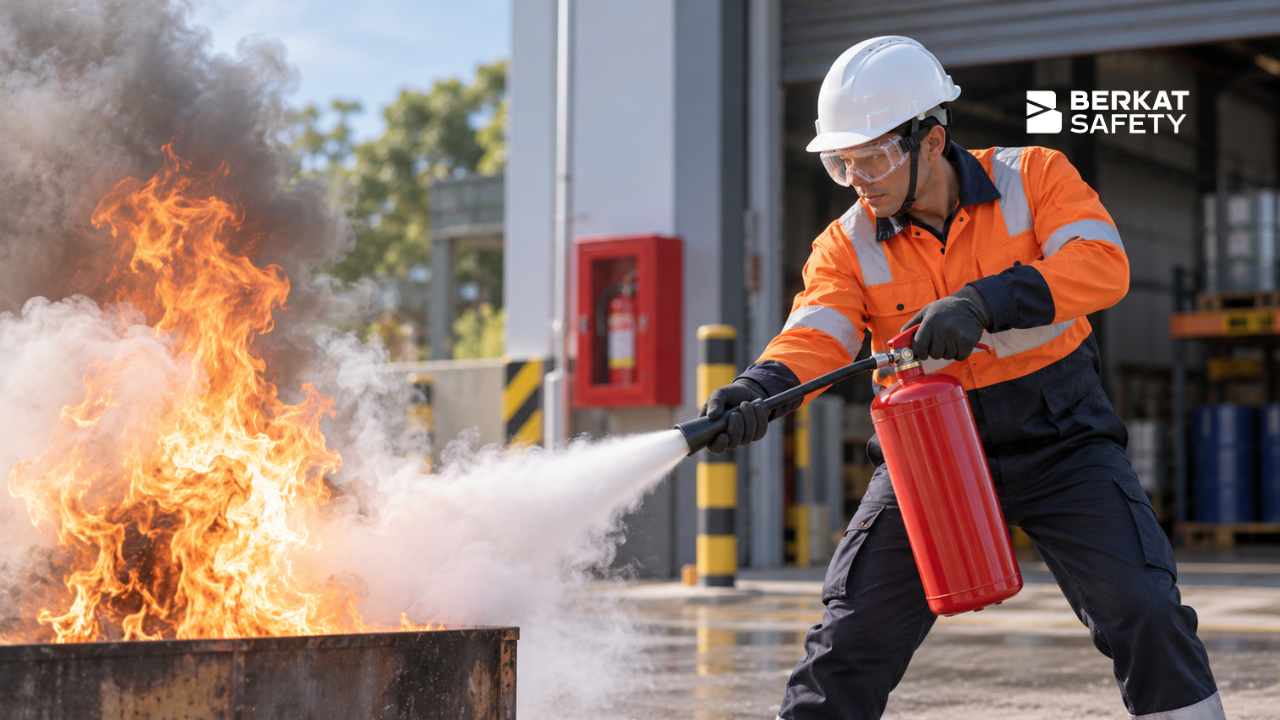
- Emergency preparedness and response.
- Continuous evaluation and improvement of the safety system.
All of these activities aim to create a work system that protects workers while reducing the potential for workplace accidents and occupational illnesses.
Read also: 10 Common Causes of Workplace Accidents in the Industrial Sector
Examples of Occupational Safety and Health Implementation in the Workplace
The implementation of OSH may vary across different industrial sectors, as each has distinct risk characteristics.
Construction Industry
In construction projects, OSH is implemented through the use of safety helmets, safety shoes, reflective vests, safety harnesses, and securing the work area to reduce the risk of collisions, falls from heights, and being struck by materials.
Manufacturing Industry
In the manufacturing sector, OSH implementation includes the use of machine guards, Lockout-Tagout (LOTO) procedures, workplace safety training, and the use of personal protective equipment (PPE) appropriate for the type of work.
Oil and Gas Industry
In the oil and gas industry, workers generally use respirators, gas detectors, flame-resistant clothing, and follow a Permit to Work system to control high-risk hazards.
Warehousing and Logistics
In warehousing, OSH is implemented through the regulation of forklift routes, the use of safety shoes and work gloves, and safe material handling procedures.
Read also: Head Protective Equipment for Workplace Safety Across Various Industries
The Role of PPE in Supporting OSH Programs
One of the key components in implementing OSH is the use of Personal Protective Equipment (PPE). PPE serves as a last line of defense when potential hazards cannot be eliminated through engineering controls or administrative controls.
Some commonly used types of PPE include:
- Safety helmets to protect the head.
- Safety shoes to protect the feet.
- Safety goggles to protect the eyes.
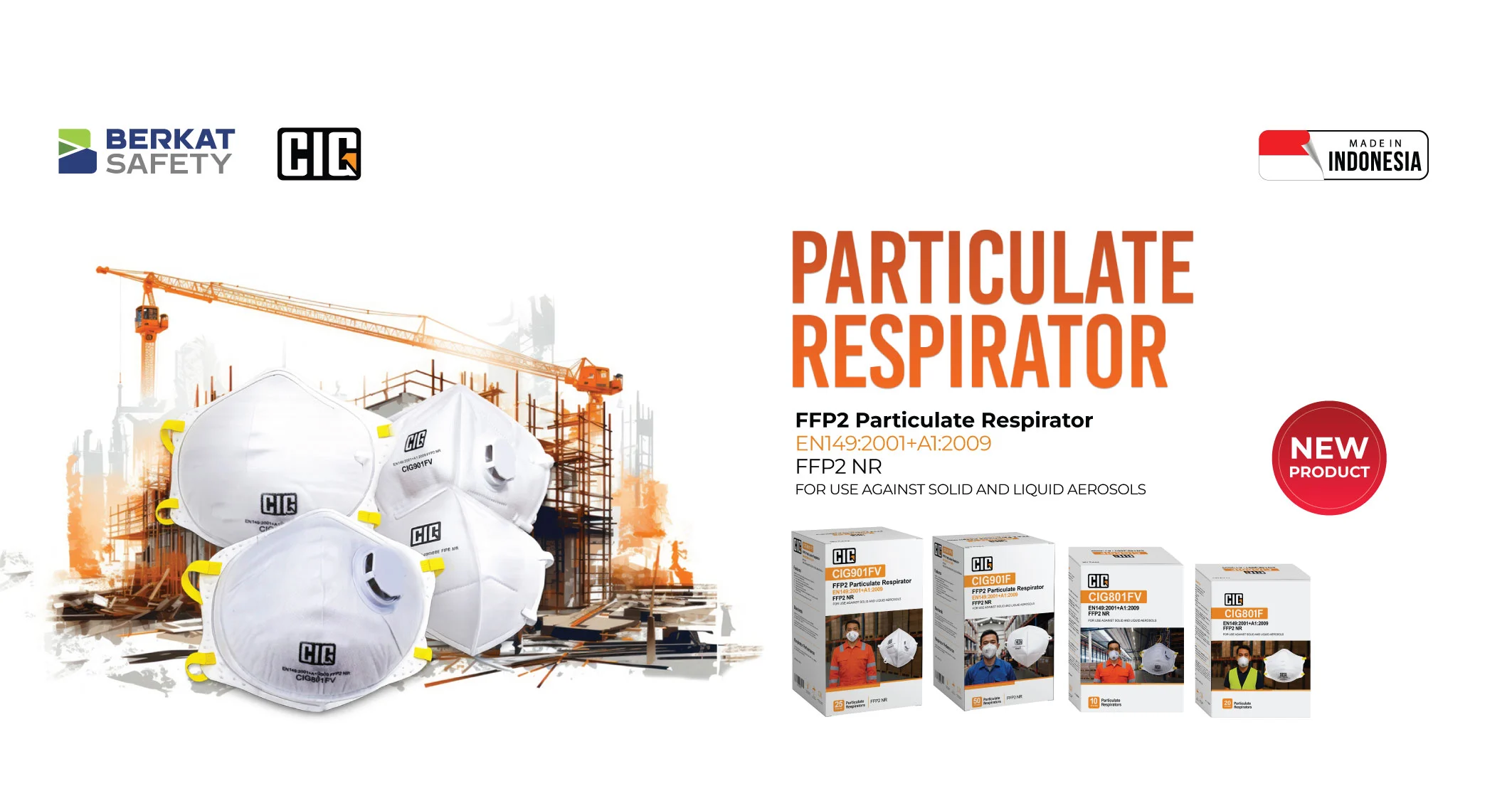
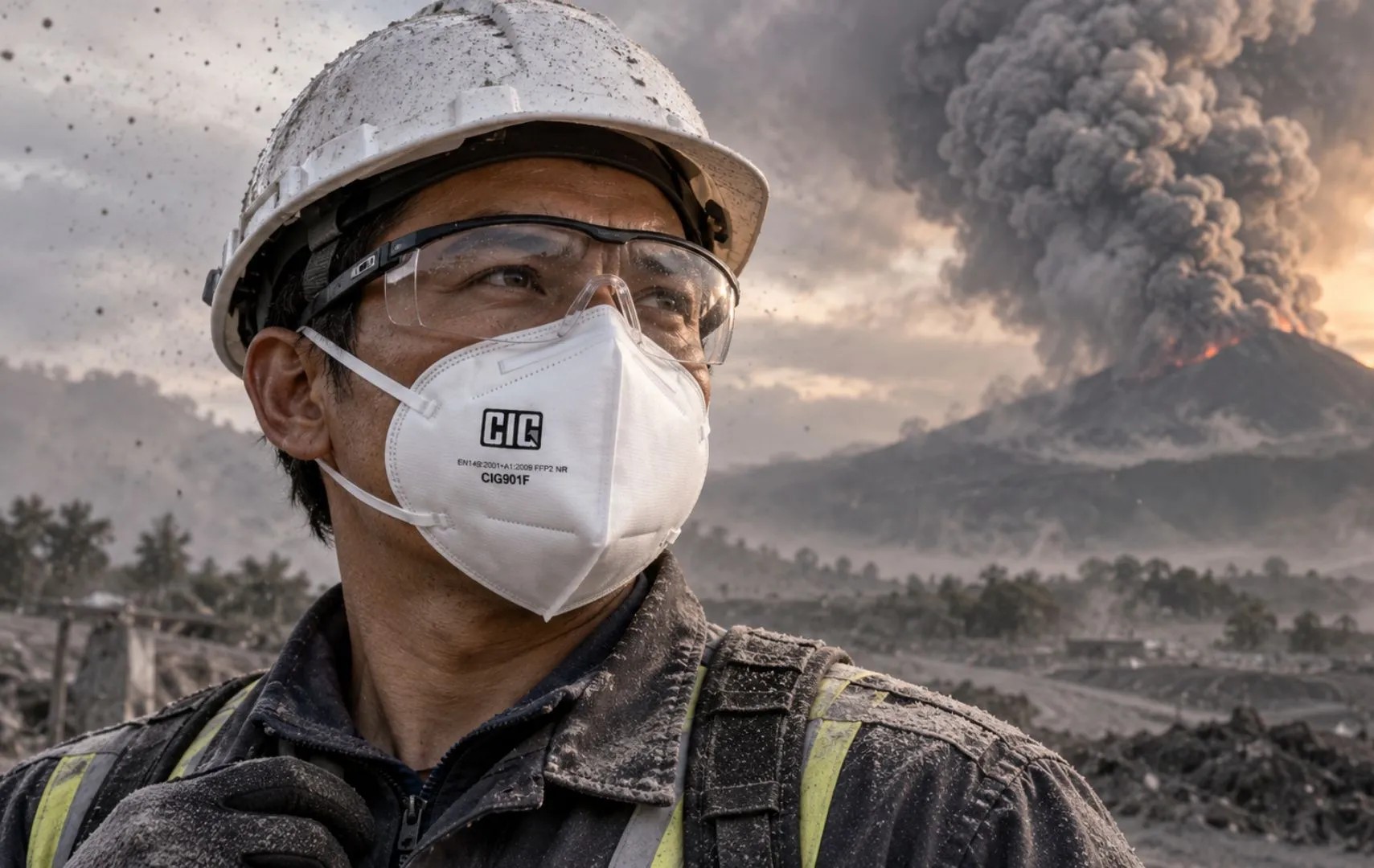
- Respirators to protect the respiratory system.
- Safety gloves to protect the hands.
- Hearing protection such as earplugs or earmuffs.
However, the use of PPE must always be accompanied by the implementation of safe work procedures, worker training, and adequate supervision to ensure that the protection provided is effective.
Why Is Implementing Occupational Safety and Health (OSH) Important for Companies?
Amid increasing demands for workplace safety, the implementation of OSH has become a key factor in supporting a company’s operational success. Companies with a strong safety culture tend to have lower workplace accident rates, higher productivity, and are better able to maintain the trust of customers and business partners.
In addition, implementing OSH also helps companies meet various legal requirements, improves their readiness for audits, and supports the creation of a safe work environment for all workers.
Read also: Trusted Jakarta Safety Equipment Distributor for Industrial Needs
Conclusion
Occupational Safety and Health (OSH) is an effort aimed at protecting workers through the prevention of workplace accidents and work-related illnesses. Definitions provided by Government Regulation No. 50 of 2012, OHSAS 18001, and the ILO indicate that OSH focuses not only on worker protection but also on systematic risk management to create a safe and healthy work environment.
By consistently implementing OSH, companies can reduce the risk of accidents, increase productivity, comply with regulatory requirements, and build a work culture that prioritizes safety. Therefore, OSH is not merely an obligation but a long-term investment that benefits workers, companies, and all stakeholders.
FAQ
What is OSH?
K3, or Occupational Safety and Health, refers to a series of efforts to protect workers by preventing workplace accidents and work-related illnesses.
What is the main objective of K3?
The main objective of K3 is to create a safe, healthy, and productive work environment by reducing the risk of workplace accidents and work-related illnesses.
What are the benefits of K3 for companies?
K3 helps reduce costs resulting from workplace accidents, increase productivity, ensure compliance with regulations, and strengthen the company’s reputation.
What are some examples of OSH implementation in the workplace?
Examples include the use of PPE, workplace safety training, hazard identification, risk control, worker health checkups, and the development of safe work procedures.
What is the difference between OSH and OSHMS?
OSH is a concept or effort to protect workers’ safety and health, while the Occupational Safety and Health Management System (OSHMS) is a system used by companies to plan, implement, evaluate, and improve OSH practices in a structured manner.