27/02/2026 08:50 AM

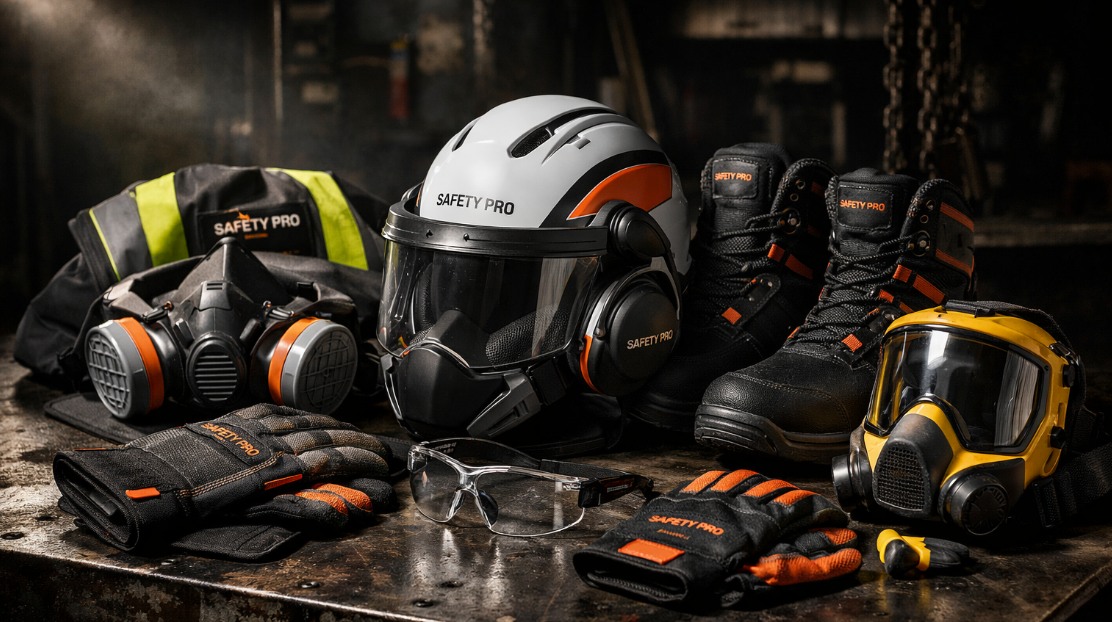
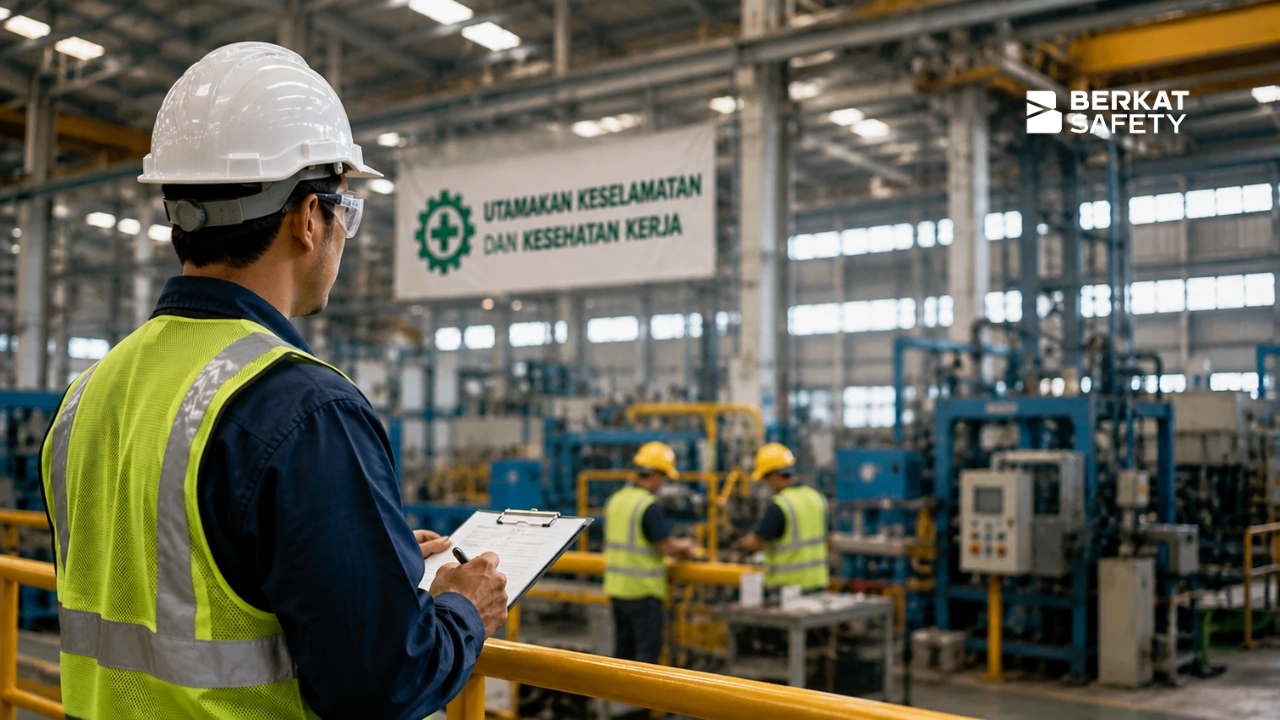
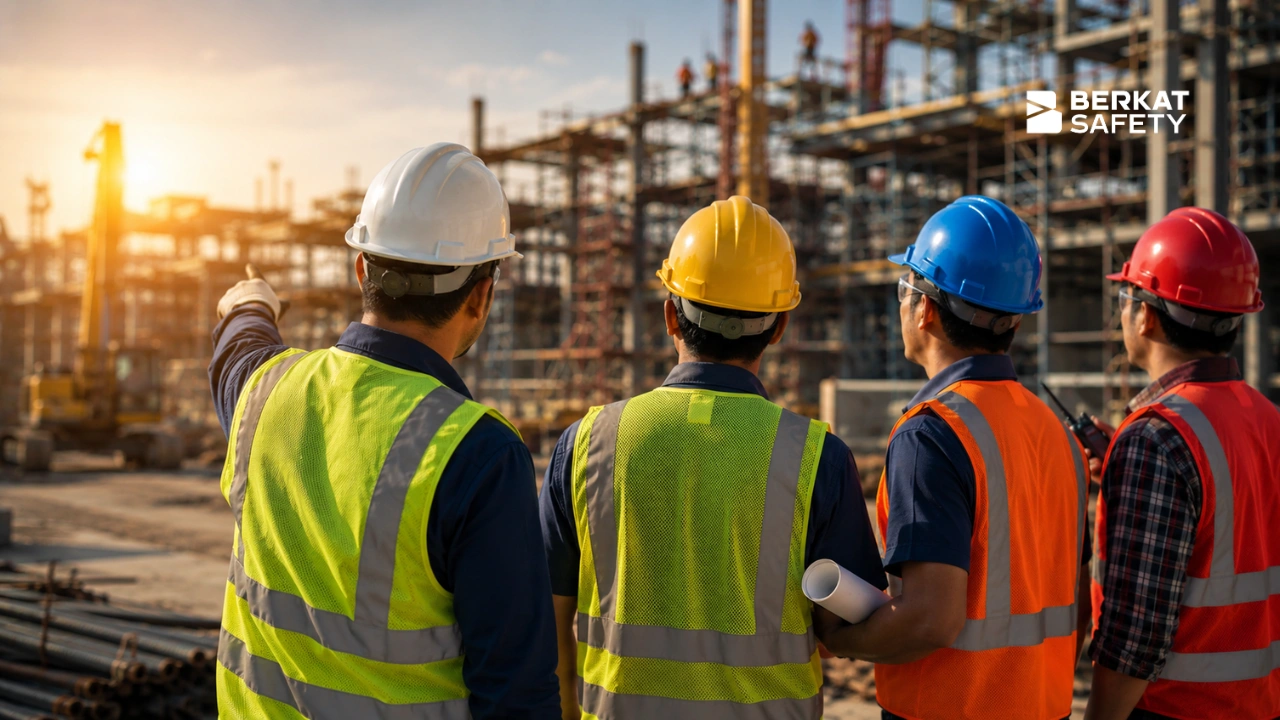
Many companies believe they have implemented workplace safety simply because workers wear helmets and safety shoes. However, accidents still occur. Why?
Because safety is not just equipment. Safety is a system.
Misunderstanding this concept often leads companies to focus only on purchasing equipment rather than building a comprehensive risk management system.
What Is Safety?
In simple terms, safety refers to a condition free from hazards that may cause injury, damage, or loss. In industrial and business contexts, safety is much broader.
Safety is a structured protection system that includes:
- Hazard identification
- Risk assessment
- Safe work procedures
- Provision of Personal Protective Equipment (PPE)
- Continuous evaluation and control
In Indonesia, workplace safety is regulated by Law No. 1 of 1970 and reinforced by Government Regulation No. 50 of 2012 concerning the Occupational Safety and Health Management System (SMK3).
Safety is not only a moral obligation.
It is also a legal and strategic business responsibility.
Why Is Safety Important for Companies?
1. Protecting Human Capital
Employees are the core of company operations. Protecting them ensures operational continuity.
2. Reducing Financial Loss
- A single workplace accident can cause:
- Medical and compensation costs
- Equipment damage
- Operational downtime
- Legal penalties
- Reputational loss
Prevention costs are always lower than accident consequences.
3. Increasing Productivity
A safe environment creates confidence and focus, leading to better performance.
4. Building Client Trust
Companies with strong safety systems are more trusted in large projects and long-term partnerships.
Types of Safety Across Industries
Each industry has different risk characteristics.
- Construction Safety – Falls, heavy equipment, material hazards
- Manufacturing Safety – Rotating machines, high temperatures, chemicals
- Mining Safety – Landslides, explosions, toxic gases
- Warehouse & Logistics Safety – Forklifts, loading activities
Understanding risk is the foundation of effective protection.
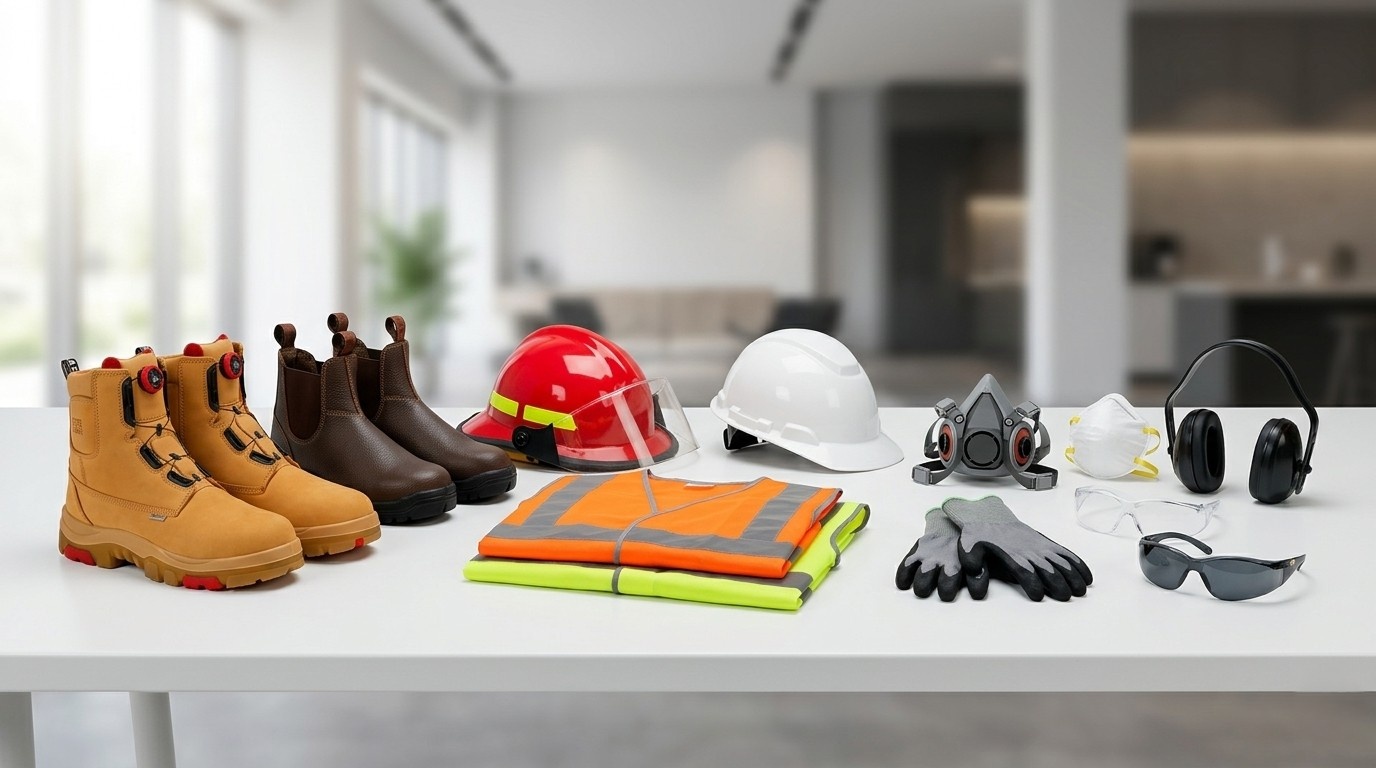
What Is Personal Protective Equipment (PPE)?
PPE is equipment designed to protect workers from occupational hazards.
Examples include:
- Safety helmets
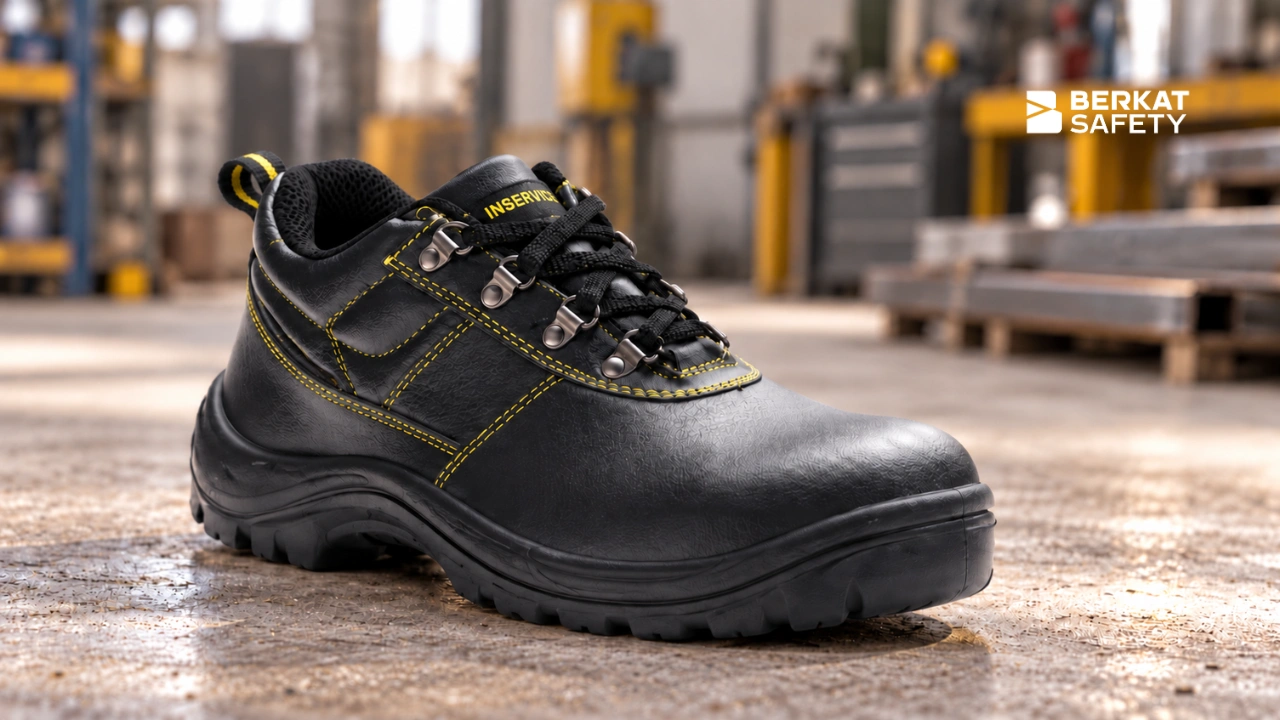
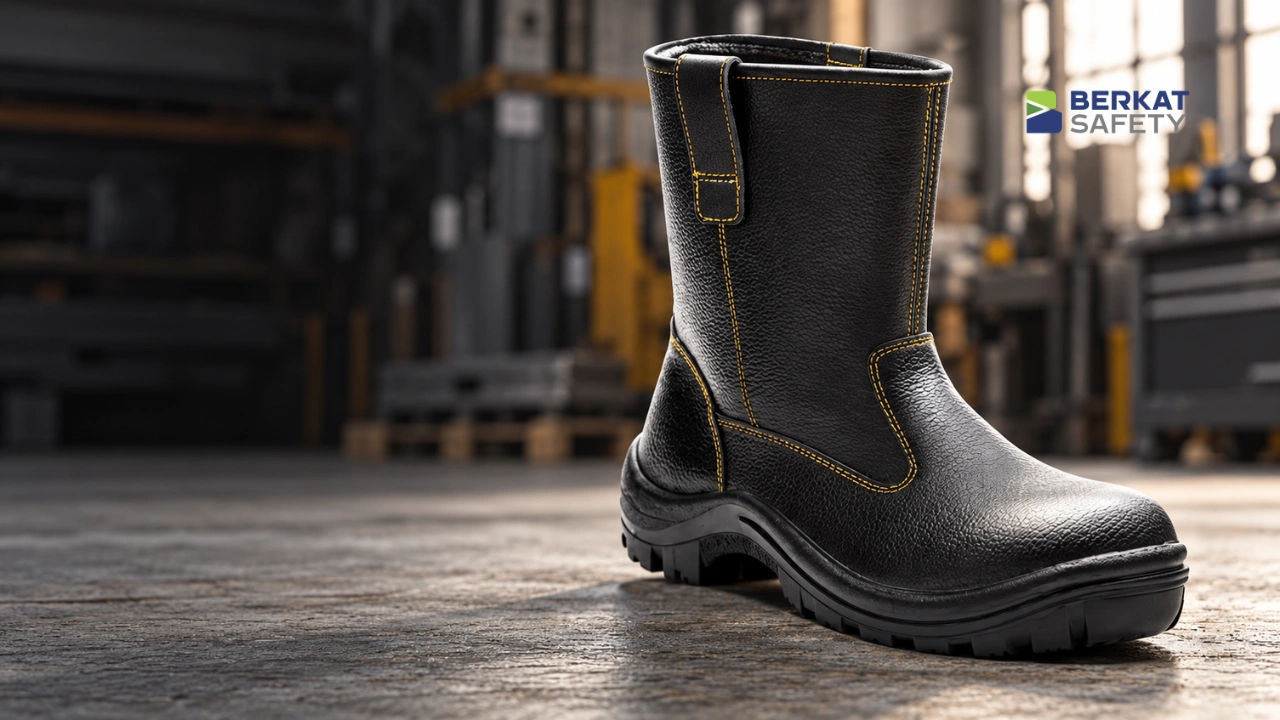
- Safety shoes
- Safety goggles
- Safety gloves
- Respirators
- Reflective vests
- Ear protection
However, PPE is the last line of defense. Without proper systems and procedures, PPE alone is not sufficient.
How to Implement Safety Effectively
- Identify hazards
- Conduct risk assessments
- Establish clear SOPs
- Provide regular training
- Use certified PPE
- Monitor and evaluate continuously
Safety is not a one-time program.
It is an ongoing commitment.
The Role of Berkat Safety
Implementing safety effectively requires the right partner.
Berkat Safety provides certified PPE and comprehensive safety solutions tailored to industrial needs.
- Risk-based consultation
- Certified products
- Nationwide supply
- Long-term partnership approach
We do not simply supply equipment.
We help companies build stronger protection systems.
Safety is a comprehensive protection system that controls risk and ensures business sustainability.
With proper implementation and reliable PPE support, companies can create safer, more efficient, and professional workplaces.
Because working hard is mandatory. Going home safely is even more important.