11/08/2026 07:47 AM
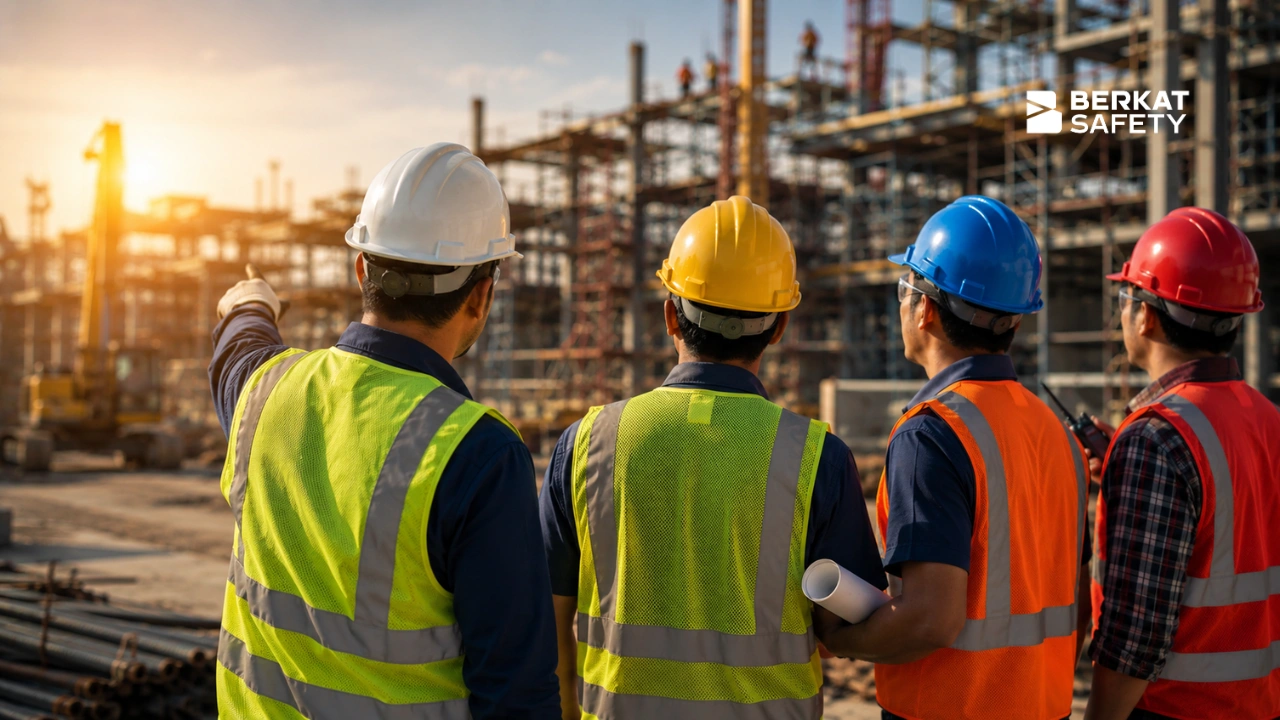
Construction safety helmets are among the most essential pieces of Personal Protective Equipment (PPE) used across a wide range of industries, particularly construction, manufacturing, mining, oil and gas, and infrastructure projects. Their primary purpose is to help protect workers' heads from impact, falling objects, and other hazards that could result in serious injuries on the job.
If you have ever visited a construction site, you may have noticed workers wearing safety helmets in different colors, such as white, yellow, blue, green, red, and orange. Many people assume that these colors are officially regulated by international safety standards. In reality, this is not the case.
In practice, construction safety helmet colors are commonly used as a visual identification system to distinguish workers based on their roles, responsibilities, or job functions. Different helmet colors make it easier to identify personnel, improve communication on the jobsite, enhance supervision, and support faster emergency response when needed.
So, what does each safety helmet color actually represent? This guide explains the most common color meanings used on construction sites and how they contribute to workplace safety.
What Is a Construction Safety Helmet?
A construction safety helmet is a type of head protection designed to help reduce the risk of injuries caused by falling objects, impacts, and other mechanical hazards in the workplace. Wearing a safety helmet is an essential part of an organization's Occupational Safety and Health (OSH) program and plays a critical role in protecting workers in high-risk environments.
In addition to its durable outer shell, a safety helmet is equipped with an internal suspension system that helps absorb and distribute impact forces. This design reduces the amount of energy transferred to the wearer's head, helping minimize the severity of potential injuries.
Construction safety helmets are widely used across numerous industries, including:
- Construction
- Manufacturing
- Mining
- Oil and Gas
- Warehousing and Logistics
- Utilities
- Infrastructure
- General Industrial Operations
Although safety helmets are available in a variety of colors, their primary purpose remains the same: to provide reliable head protection. The helmet color itself is generally used as a visual identification tool, allowing workers and supervisors to quickly recognize an individual's role or responsibility on the jobsite.
See also: Construction Safety Helmets: Types, Standards, and How to Choose the Right One
Meaning of Construction Safety Helmet Colors
Although there is no universal international standard that assigns specific meanings to safety helmet colors, many companies and construction projects use color-coded helmets as part of their internal safety management system. This practice helps workers quickly identify personnel based on their roles and responsibilities, improving communication, coordination, and workplace safety.
Below are the most commonly recognized construction safety helmet colors used across various industries.
White Safety Helmet

A white safety helmet is commonly worn by personnel responsible for supervising operations and making key decisions on the jobsite. Individuals wearing white helmets typically oversee project execution, ensure compliance with safety procedures, and coordinate daily activities.
Common roles include:
- Project Manager
- Site Manager
- Engineer
- Supervisor
- Consultant
- Project Owner or Authorized Visitors (depending on company policy)
Because these personnel are responsible for project planning and oversight, white helmets help workers quickly identify individuals with management or supervisory authority.
Yellow Safety Helmet
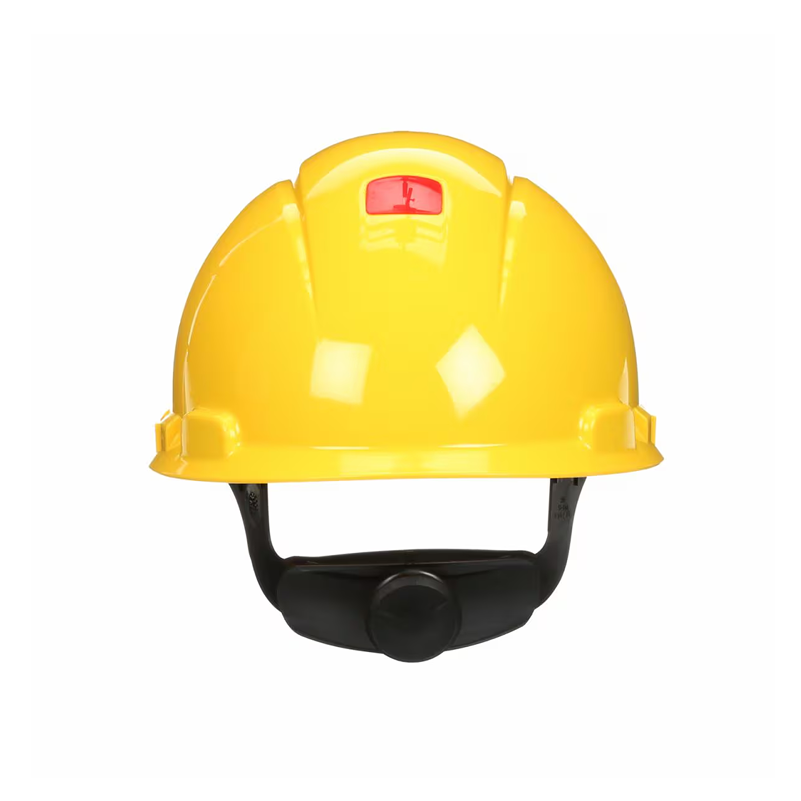
The yellow safety helmet is the most commonly seen color on construction sites. It is generally assigned to workers who perform day-to-day operational tasks in the field.
Typical users include:
- Construction Workers
- General Laborers
- Equipment Operators
- Technicians
- Helpers
Due to its widespread use, many people associate the yellow helmet with construction workers. On most project sites, it represents personnel directly involved in physical construction activities.
Blue Safety Helmet
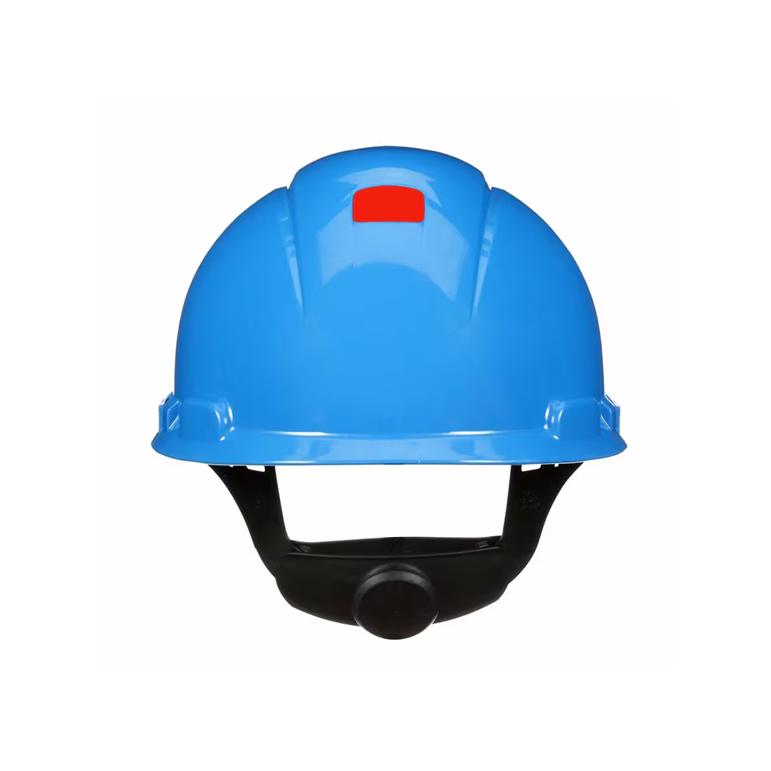
A blue safety helmet is often assigned to technical personnel who possess specialized skills related to equipment operation, maintenance, or technical support.
Common users include:
- Mechanical Technicians
- Electrical Technicians
- Maintenance Personnel
- Heavy Equipment Operators
- Service Engineers
In some organizations, however, blue helmets may also be assigned to other technical or supervisory roles based on the company's internal safety policy.
Green Safety Helmet
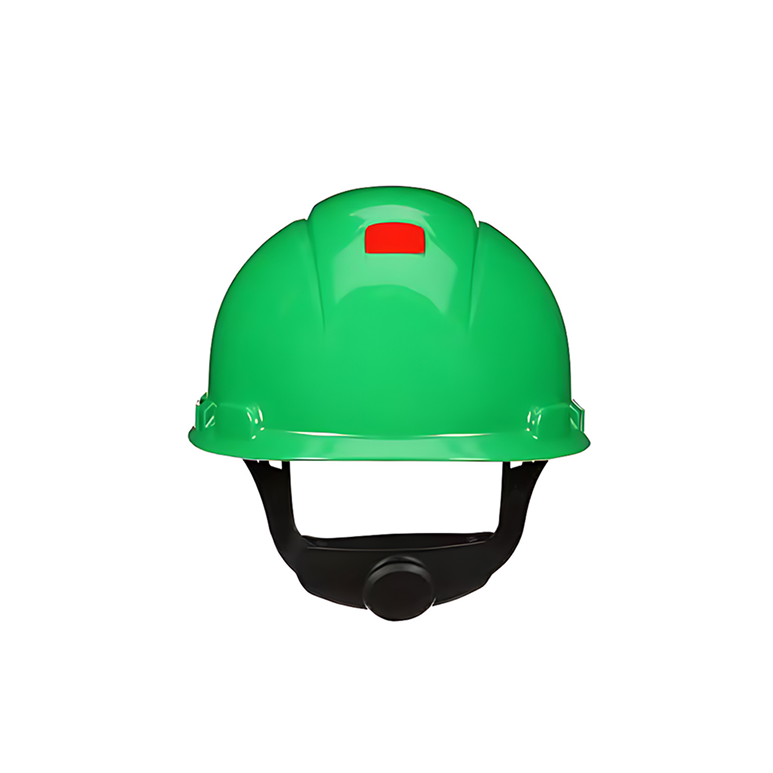
The green safety helmet is widely recognized as the helmet worn by personnel responsible for workplace safety and environmental compliance.
Typical users include:
- HSE Officers
- Safety Officers
- Occupational Safety Personnel
- Environmental Officers
- Emergency Response Team (ERT) Members (in some organizations)
The green helmet allows workers to quickly identify safety professionals whenever assistance is needed regarding safety procedures, hazard reporting, or emergency response.
Red Safety Helmet

A red safety helmet is generally used by personnel responsible for emergency preparedness and fire protection.
Typical users include:
- Fire Watch Personnel
- Firefighters
- Emergency Response Team (ERT) Members
- Fire Safety Personnel
Red is universally associated with emergencies, making these personnel highly visible during critical situations that require immediate action.
Orange Safety Helmet
An orange safety helmet is commonly worn by workers responsible for directing vehicle movement, controlling heavy equipment operations, or managing traffic within construction sites.
Typical users include:
- Signalmen
- Banksmen
- Flaggers
- Traffic Marshals
The bright orange color enhances visibility, allowing equipment operators and drivers to recognize traffic control personnel quickly and safely, even from a distance.
Brown Safety Helmet
A brown safety helmet is less common but may be used in certain industries for personnel working in high-temperature environments.
Examples include:
- Welders
- Metal Casting Workers
- Foundry Personnel
The use of brown helmets is not standardized and depends entirely on the company's internal color-coding system.
Gray Safety Helmet
A gray safety helmet is relatively uncommon compared to other helmet colors. On some projects, it is assigned to individuals who are not part of the core operational workforce.
Typical users include:
- Visitors
- Trainees
- Interns
- Temporary Contract Personnel
Using gray helmets helps supervisors and workers quickly identify individuals who may require additional guidance or supervision while on the jobsite.
See also: Head Protective Equipment for Workplace Safety in Various Industries
Why Do Construction Safety Helmets Have Different Colors?
The use of different helmet colors is not simply for appearance. On many construction sites and industrial facilities, helmet colors serve as a practical identification system that helps workers quickly recognize each person's role, authority, or responsibility without the need to check identification badges.
This color-coding system offers several important benefits.
Easier Worker Identification
Large construction projects may involve hundreds or even thousands of workers. Using different helmet colors allows supervisors and employees to quickly distinguish between field workers, engineers, supervisors, HSE personnel, contractors, and emergency response teams.
This improves efficiency and reduces confusion, especially in busy work environments.
Better Communication on the Jobsite
During daily operations—or particularly in emergency situations—workers can quickly identify the appropriate person to contact based on the color of their safety helmet.
For example, if a safety-related issue arises, personnel can immediately locate the Safety Officer without wasting valuable time.
Improved Workplace Safety Management
Color-coded safety helmets also help supervisors verify that workers are assigned to the appropriate work areas according to their responsibilities. This supports better compliance with workplace safety procedures and access control.
More Efficient Project Supervision
From a distance, supervisors and HSE teams can easily recognize different personnel based on helmet color, making routine inspections and site monitoring faster and more effective.
It is important to understand that helmet color assignments may vary from one company to another. Most organizations establish their own color-coding policies based on operational needs, workforce structure, and internal safety procedures.
For this reason, workers should always follow the color identification system implemented by their own company or project rather than assuming that every construction site uses the same color assignments.
See also: 3M Safety Glasses for Eye Protection in Various Industries
Are Construction Safety Helmet Colors Regulated by Official Standards?
One of the most frequently asked questions is whether the meaning of construction safety helmet colors is officially regulated by workplace safety standards. The answer is no.
International standards such as ANSI Z89.1, EN 397, and national standards adopted in various countries primarily focus on the technical performance and protective capabilities of safety helmets. These standards establish requirements for factors such as:
- Impact resistance
- Penetration resistance
- Suspension system performance
- Electrical protection (for specific helmet classifications)
- Flammability resistance
- General safety performance
However, these standards do not assign specific helmet colors to particular job titles or responsibilities.
Instead, helmet colors are typically established as part of a company's internal Occupational Safety and Health (OSH) policies. Organizations use color-coded helmets as a visual management tool to improve communication, identify personnel quickly, and support safer operations on construction sites and industrial facilities.
For example, one company may assign white helmets to engineers and supervisors, while another organization may reserve white helmets exclusively for project managers or senior management. Likewise, green helmets are commonly associated with Safety Officers, but some companies may assign them to environmental personnel or emergency response teams.
Because of these variations, workers should never assume that helmet colors have the same meaning on every project. The most important practice is to understand and follow the helmet color policy established by the company or project where they are working.
Ultimately, the protective performance of the helmet is far more important than its color. Every safety helmet should comply with recognized safety standards and be appropriate for the hazards present in the work environment.
See also: What Is Safety? Definition, Objectives, and Implementation in Companies
Find the Right Safety Helmet for Your Project
Understanding the meaning of construction safety helmet colors helps companies improve communication, identify personnel more efficiently, and support a safer work environment. However, choosing a high-quality safety helmet that complies with recognized safety standards is equally important for protecting workers on the job.
As a trusted Personal Protective Equipment (PPE) distributor in Indonesia, Berkat Safety offers a comprehensive selection of safety helmets from leading global brands. Our product range is designed to support Occupational Safety and Health (OSH) programs across construction, manufacturing, mining, oil and gas, logistics, infrastructure, and other industrial sectors.
Whether you need safety helmets for a small construction project or a large industrial operation, our experienced team is ready to help you select the most suitable products based on your operational requirements and workplace hazards.
Contact Berkat Safety today to learn more about our safety helmet solutions and find the right head protection for your workforce.
Frequently Asked Questions (FAQ)
Do construction safety helmet colors have the same meaning in every company?
No. There is no universal standard that assigns specific meanings to safety helmet colors. Each company or project may implement its own color-coding system based on internal safety policies and operational requirements.
Who typically wears a white safety helmet?
On many construction sites, white safety helmets are commonly worn by Project Managers, Site Managers, Engineers, Supervisors, Consultants, and other management personnel. However, assignments may vary depending on company policy.
Why do construction workers often wear yellow safety helmets?
Yellow safety helmets are commonly assigned to field workers because they are highly visible and have traditionally been associated with general construction personnel. However, the specific color assignments depend on each organization's internal helmet color policy.
Are safety helmet colors regulated by ANSI or EN standards?
No. Standards such as ANSI Z89.1 and EN 397 specify technical performance requirements for safety helmets, including impact resistance and protective performance. They do not define helmet colors based on job titles or workplace responsibilities.
How do I choose the right construction safety helmet?
Choose a helmet that complies with recognized safety standards, matches the hazards in your work environment, fits comfortably, and remains in good condition. Regular inspections and timely replacement are essential to ensure continued protection and workplace safety.