12/10/2026 03:30 AM
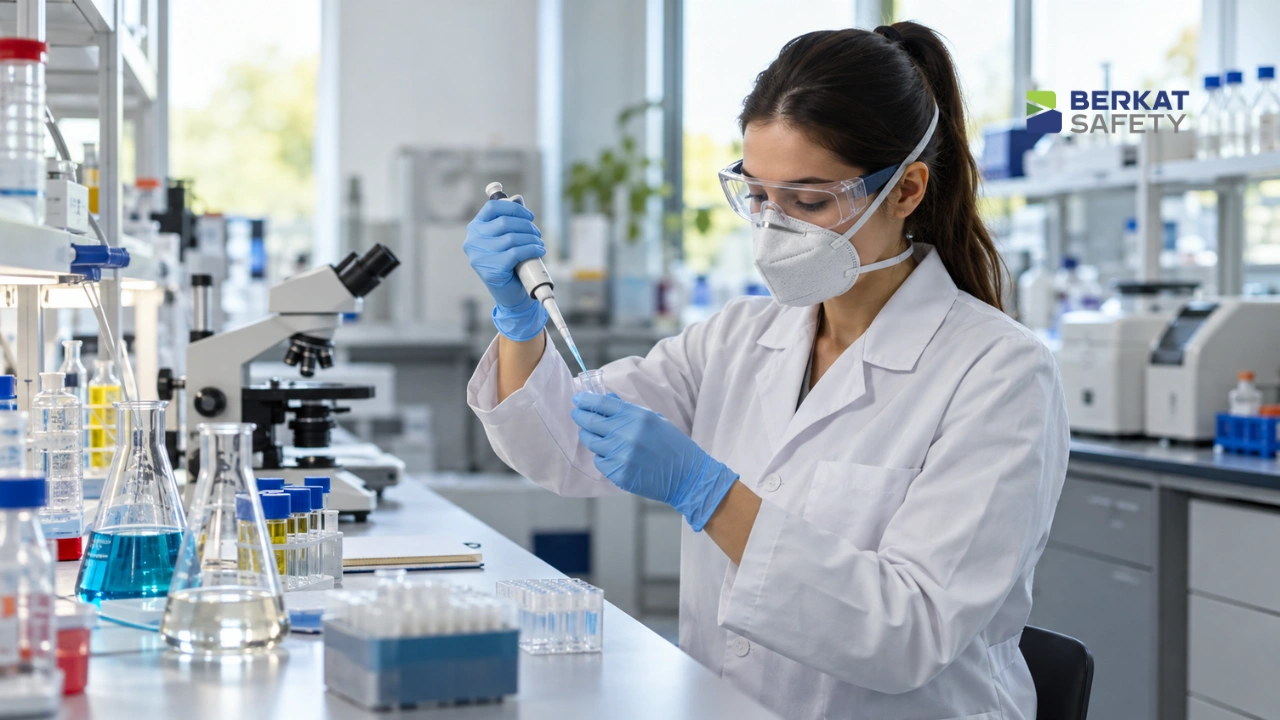
A laboratory is a workplace with various potential hazards, ranging from chemical splashes and exposure to particles and vapors to contact with certain substances, fire, and spills. Each activity has different risks and therefore requires appropriate safety equipment.
Using laboratory safety equipment helps reduce the risk of injury and exposure. These items include not only Personal Protective Equipment (PPE) worn during work, but also safety and emergency equipment used when unexpected situations occur.
So, what safety equipment is commonly used in laboratories, and what does each item do? Here are some key pieces of equipment to know.
What Safety Equipment Is Used in Laboratories?
Laboratory safety equipment includes various items used to help protect workers, control risks, and respond to emergencies during laboratory activities.
In general, these items can be divided into two groups. The first is PPE, such as safety glasses, safety goggles, chemical gloves, respirators, and protective clothing. The second is safety equipment, such as eyewash stations, safety showers, fire extinguishing equipment, absorbents, and gas detectors.
Each item has a different function and level of protection. For that reason, its use should be matched to the type of work, materials being handled, and potential hazards in the laboratory.
For a broader overview of PPE types, you can also read the article Types of Personal Protective Equipment (PPE) and Their Functions.
Laboratory Safety Equipment and Their Functions
Here are 10 safety equipment items that can help support protection in a laboratory environment.
1. Safety Glasses
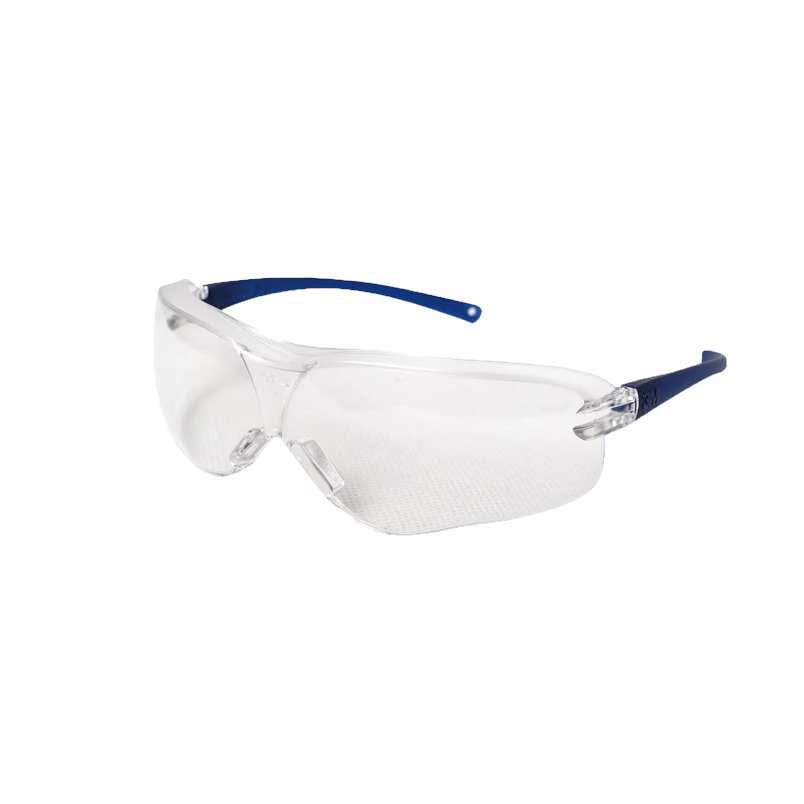
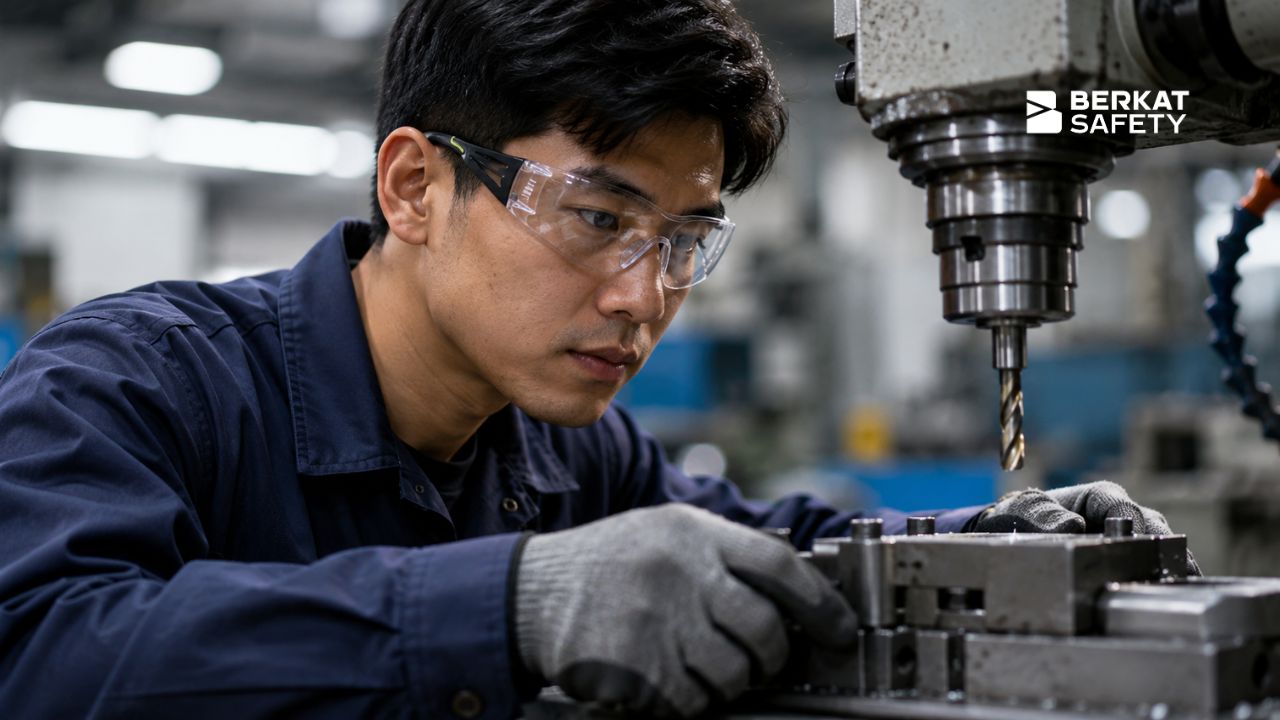
Safety glasses are eye protection designed to help protect the eyes from various workplace hazards. These may include particles, dust, debris, and other risks depending on the specifications of the eye protection used.
Eye protection is especially important when workers perform activities that generate particles or handle materials that could reach the face.
Safety glasses are available in various designs and specifications. The product used should therefore be matched to the type of work and identified risks.
You can explore Berkat Safety's eye protection options to find eye protection that fits your work requirements.
2. Safety Goggles
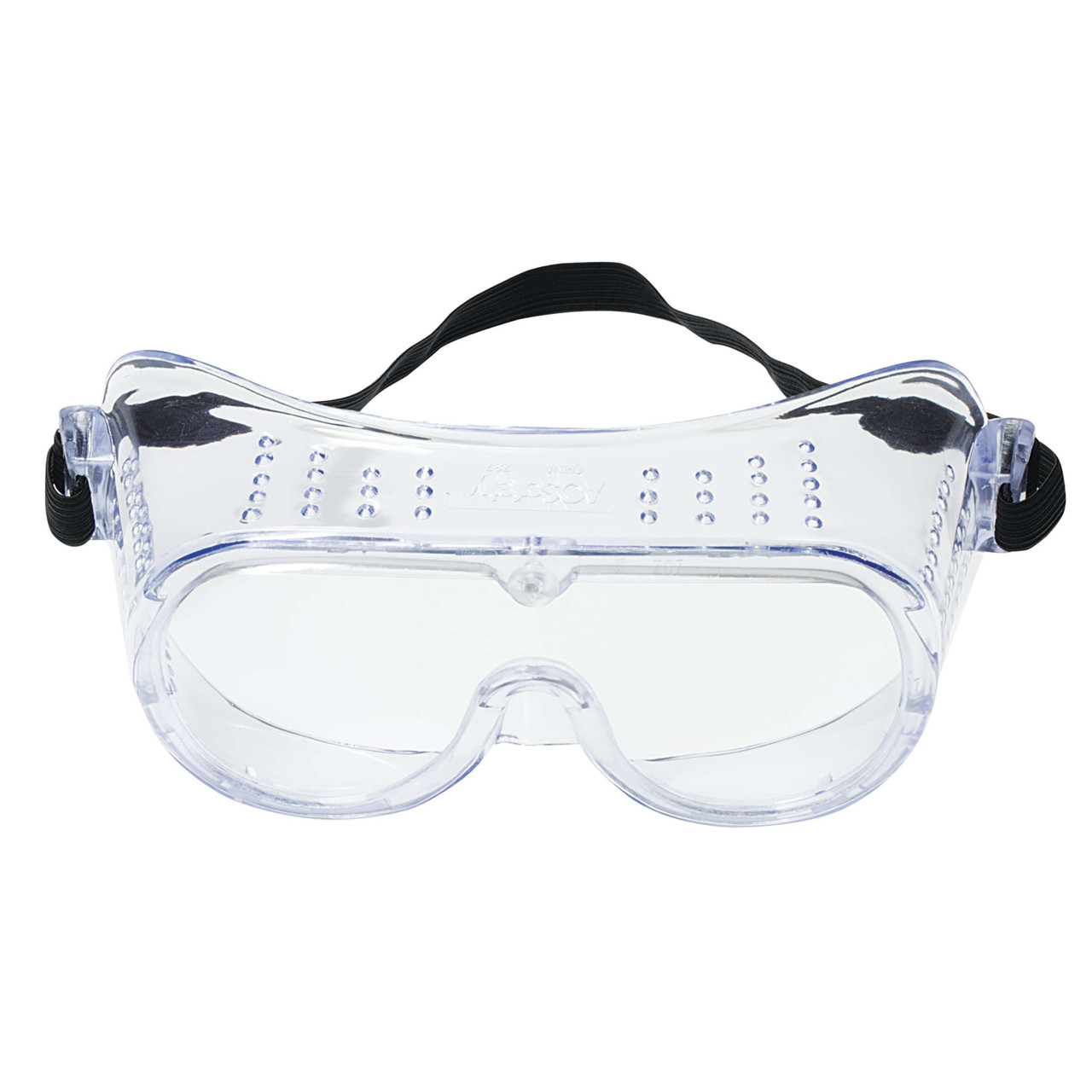
Unlike safety glasses, safety goggles are designed to provide more comprehensive coverage around the eyes. Goggles can be a suitable choice when work involves potential liquid splashes or other hazards requiring broader eye coverage.
Safety goggles are commonly used for activities involving liquids, chemicals, testing processes, and other work that may pose a risk to the eyes.
The type of risk still needs to be considered when choosing goggles. Not all goggles provide the same level of protection for every work condition.
Berkat Safety offers various safety goggles as part of its eye protection range.
3. Chemical Gloves

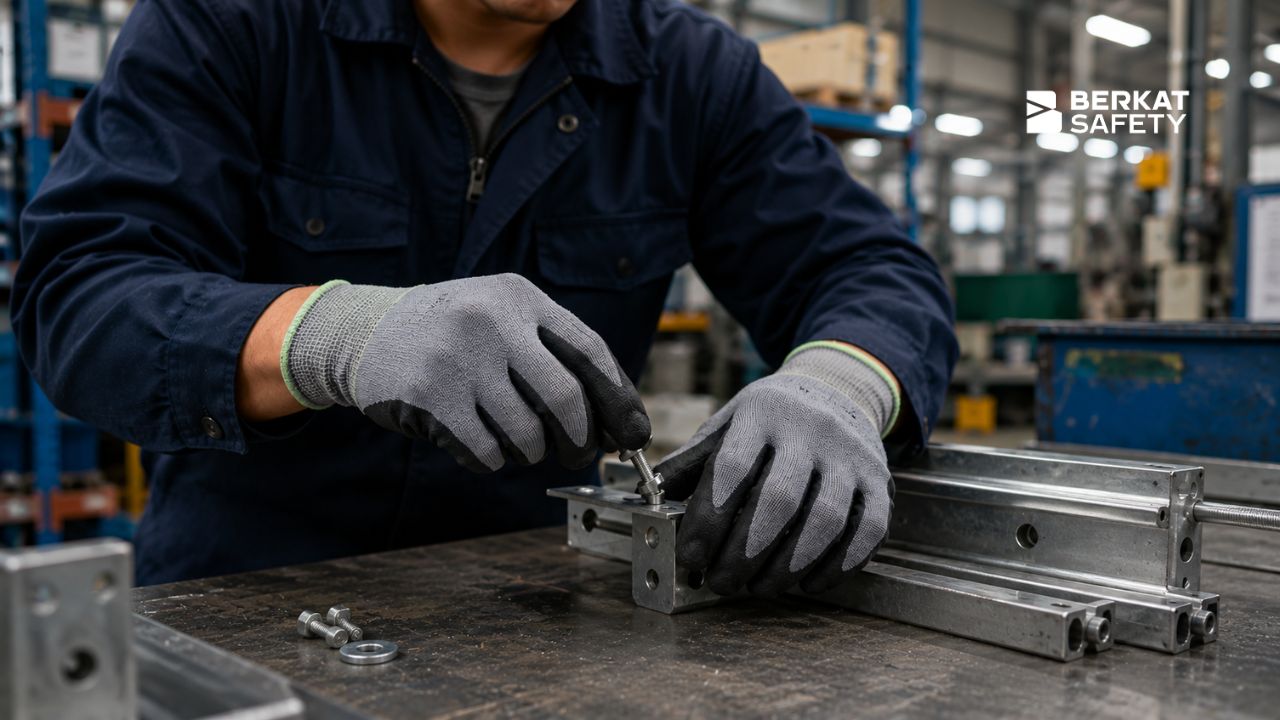
Hands can come into direct contact with substances or materials during laboratory activities. Chemical gloves can therefore help protect against exposure to certain substances.
Chemical gloves are available in different materials and specifications. These differences affect their level of protection against specific substances.
Therefore, gloves should not be chosen based only on thickness or comfort. The type of glove should match the material being handled and the level of risk involved.
Berkat Safety offers chemical gloves for a range of hand protection needs.
For a broader look at safety glove use, you can also read the article Functions of Safety Gloves for Workplace Safety.
4. Respirator
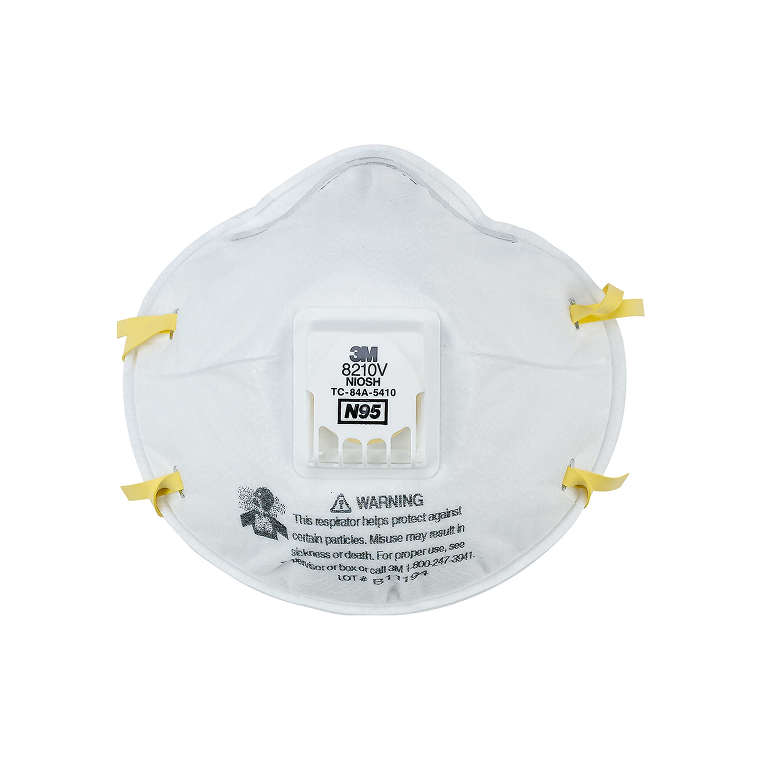
Certain laboratory activities may generate or involve dust, particles, aerosols, vapors, or specific gases. In these conditions, a respirator may be part of the respiratory protection needed based on the risk assessment.
Respirators come in several types, from disposable respirators to reusable respirators that can be used with specific filters or cartridges. The type of protection must be matched to the contaminants that may be inhaled.
It is important to understand that particulate filters do not automatically protect against all gases and vapors. The filter or cartridge must be selected according to the type of contaminant and the product specifications.
Berkat Safety offers a range of respiratory protection products for workplace respiratory protection needs.
You can also read the article Respiratory Hazards in the Workplace and How to Protect Against Them to learn more about respiratory exposure risks.
5. Chemical Protective Apparel
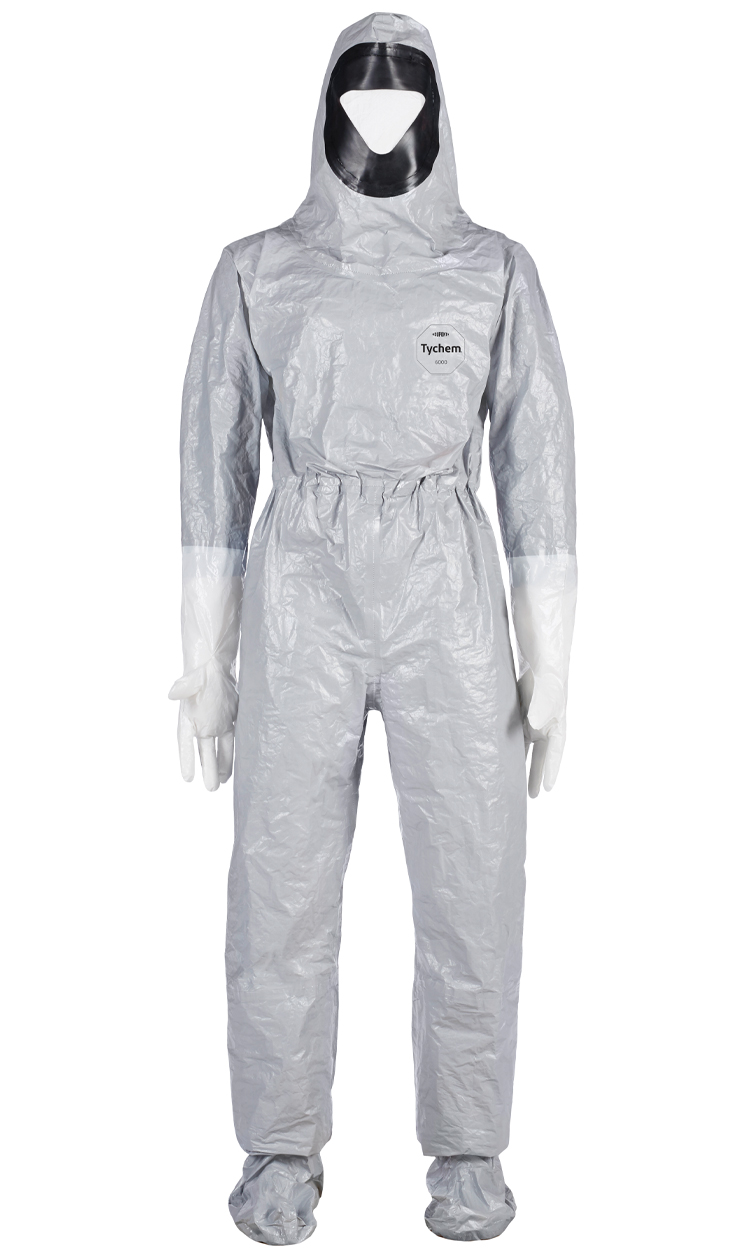
In addition to the hands and eyes, the body may also need protection when workers handle certain substances or contaminants. Chemical protective apparel helps protect the body and clothing from exposure according to its protection specifications.
Products in this category may include coveralls, protective suits, protective gowns, and other protective clothing. Selection should consider the substance involved and the type and level of exposure.
Protective apparel materials have different protection characteristics. Products should therefore be used according to the manufacturer's instructions and specifications.
Berkat Safety offers chemical protective apparel and other protective products from trusted brands such as DuPont to support workplace body protection needs.
6. Eyewash Fountain
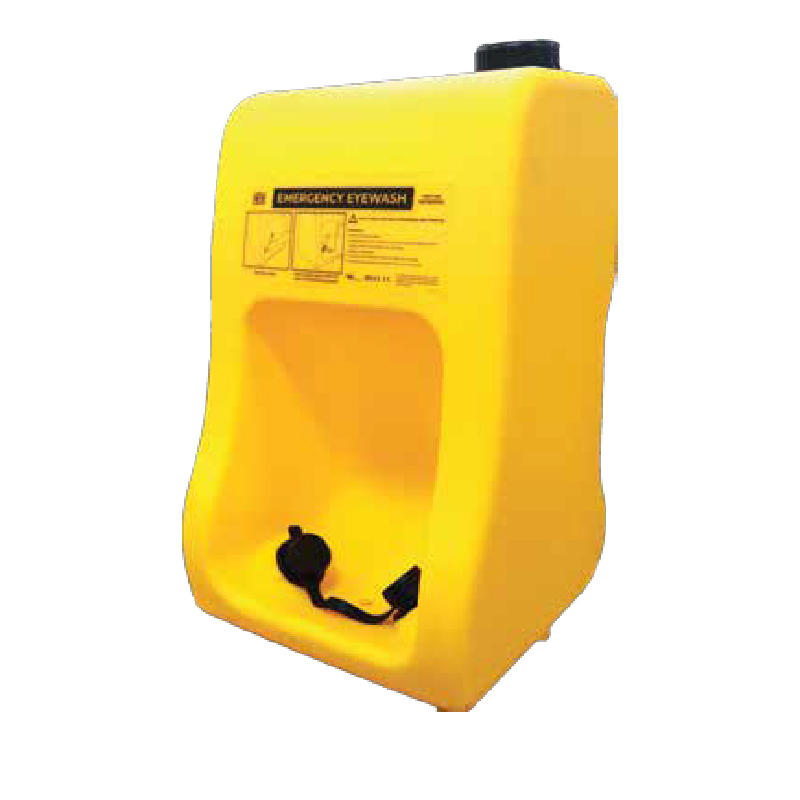
An eyewash fountain is safety equipment used to flush the eyes in an emergency when the eyes are exposed to splashes or certain contaminants.
An eyewash station is important in areas where there is a potential eye hazard. It should be placed in an easily accessible location and kept clear of equipment or other obstructions.
Workers should also know where the eyewash is located and understand how to use it so they can respond quickly in an emergency.
Berkat Safety offers emergency equipment such as eyewash fountains to support workplace emergency preparedness.
7. Safety Shower

A safety shower is emergency equipment used to help flush the body when certain exposures occur.
This equipment serves a different purpose from an eyewash. An eyewash is intended for flushing the eyes, while a safety shower is used for flushing the body.
A safety shower should be placed where it is clearly visible and easy to access. The route to the equipment should also remain unobstructed so it can be reached quickly in an emergency.
Berkat Safety offers safety shower options to support workplace safety and emergency equipment needs.
8. Fire Equipment and Fire Extinguishers

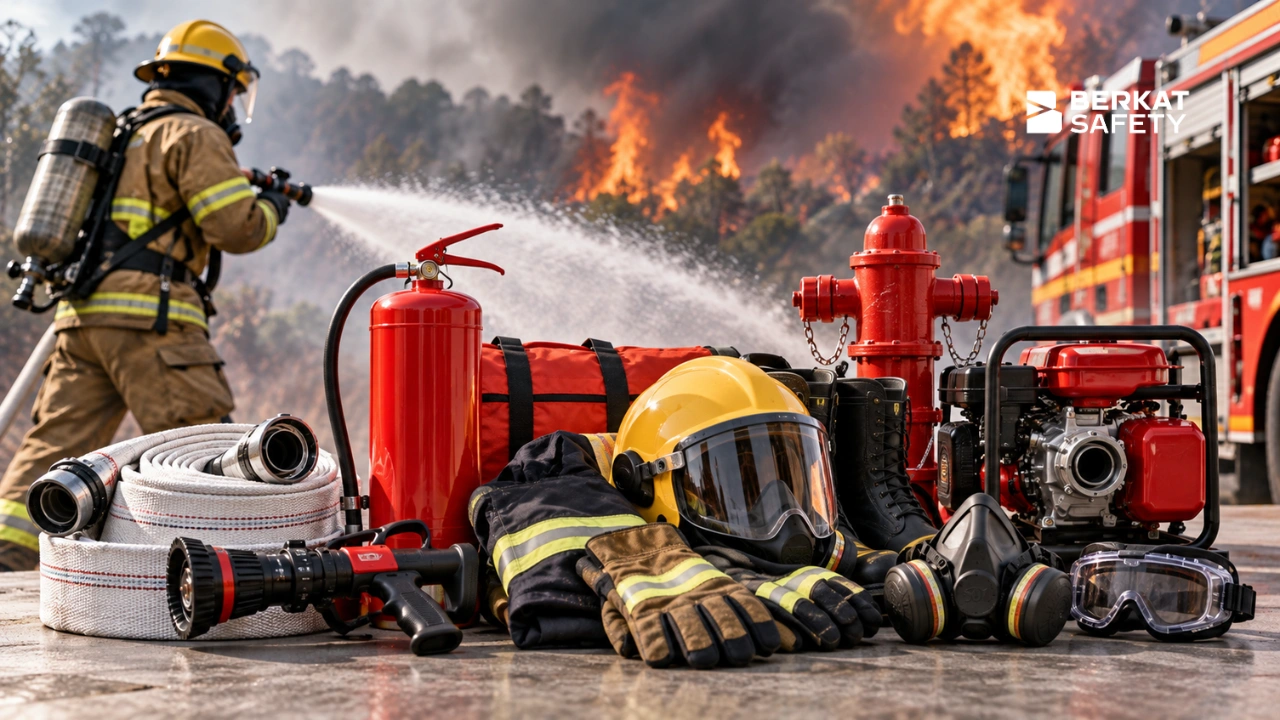
Laboratories can have various potential sources of fire, including electrical equipment, heat sources, and certain flammable materials. Fire equipment is therefore an important part of emergency preparedness.
One commonly used item is an APAR (portable fire extinguisher). An APAR is used for initial fire response when the conditions and limitations of use are appropriate.
In addition to APARs, fire-fighting equipment may include fire blankets and other supporting equipment. The type of extinguisher should be matched to the characteristics of the fire source and applicable safety procedures.
Berkat Safety offers various fire equipment and supporting products such as fire blankets.
9. Spill Kits and Oil Absorbents
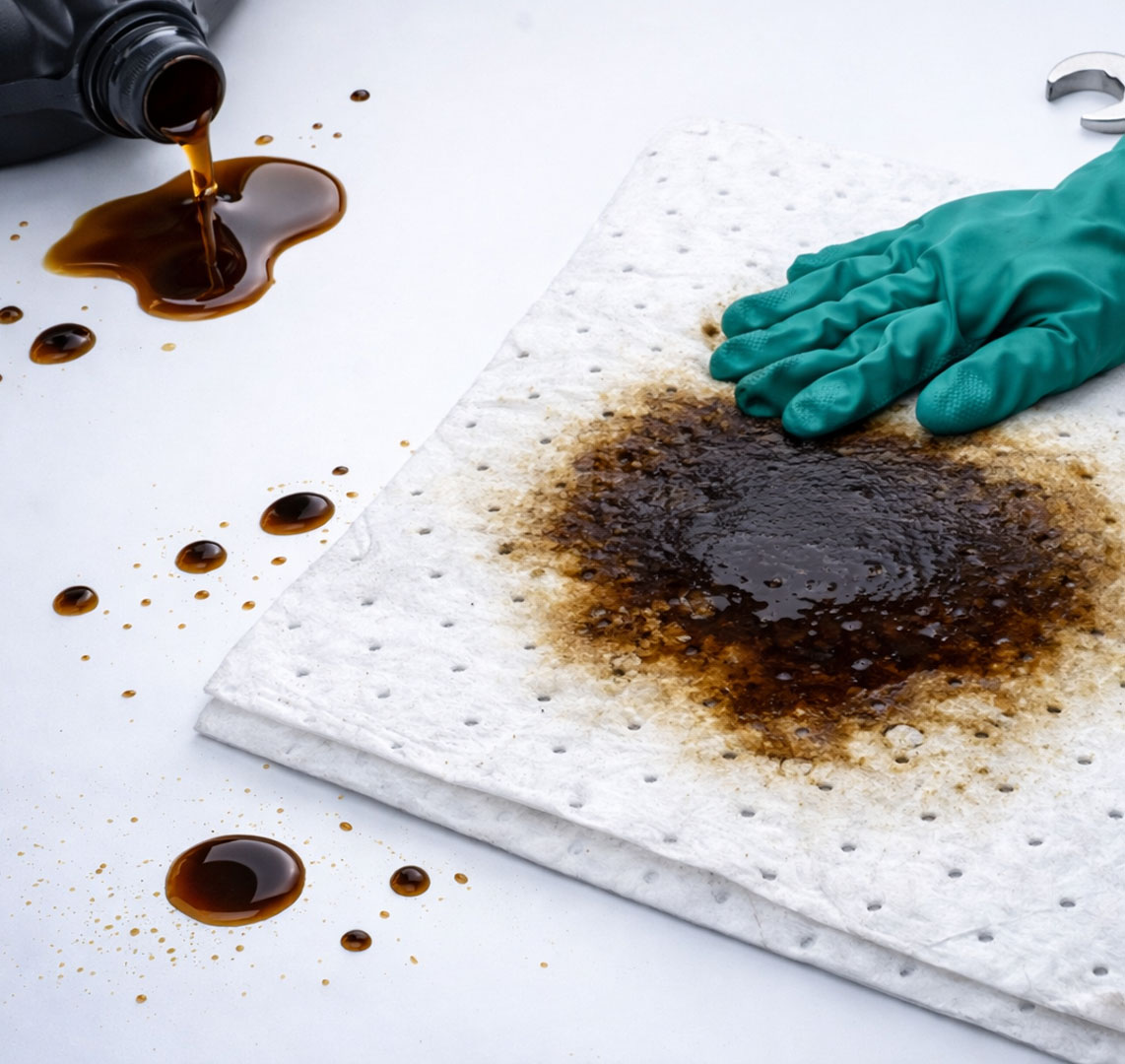
Liquid spills can occur during the storage, transfer, or use of materials in a laboratory. Spill kits and absorbents can help manage spills according to the type of liquid and the characteristics of the absorbent material.
One type of absorbent is an oil absorbent, which is designed to absorb certain oil-based liquids. Because each liquid has different characteristics, absorbent products should not be used indiscriminately for all substances.
Product selection should consider the type of spilled liquid, absorption capacity, and product specifications.
For these needs, you can explore Berkat Safety's oil absorbents category.
10. Gas Detector
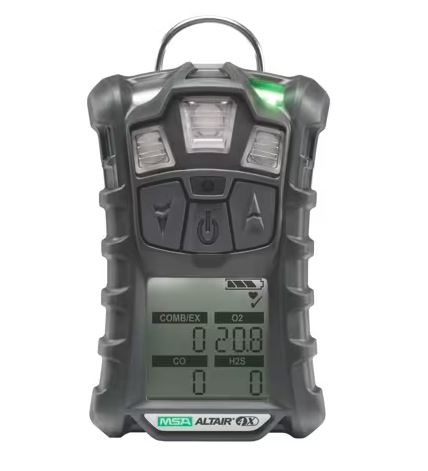
A gas detector is a device used to help detect the presence of specific gases in the workplace. It can be important in laboratories that use, store, or may experience leaks of certain gases.
Gas detectors differ according to the gases they can detect. Therefore, selection should consider which gases are relevant to the workplace.
A gas detector is a monitoring device and does not replace other risk controls such as ventilation, work procedures, or controls at the source of the hazard.
Berkat Safety offers various gas detectors to support workplace safety monitoring needs.
Laboratory Safety Equipment Based on Workplace Risks
Each laboratory activity has different hazards. To make the relationship between risks and safety equipment easier to understand, here is a simple overview:
|
Laboratory Risk |
Relevant Safety Equipment |
|
Liquid splashes |
Safety goggles |
|
Particles or debris |
Safety glasses atau goggles |
|
Hand exposure |
Chemical gloves |
|
Dust, particles, or certain airborne contaminants |
Respirator |
|
Body exposure |
Chemical protective apparel |
|
Eye exposure in an emergency |
Eyewash fountain |
|
Body exposure in an emergency |
Safety shower |
|
Fire risk |
APAR dan fire equipment |
|
Certain liquid spills |
Spill kit atau absorbent |
|
Potential presence of certain gases |
Gas detector |
The table above is a general overview. Equipment selection should still be based on hazard identification, material characteristics, exposure level, product specifications, and applicable safety procedures.
This approach helps companies avoid using equipment that does not match the risks involved.
Why Laboratory Safety Equipment Must Match the Risk
Simply providing safety equipment is not enough. Each item must be used according to its intended function and the work conditions so that it can provide the expected protection.
Several points should be considered:
- Identify potential hazards before starting laboratory work.
- Choose equipment based on risk, not just price or product appearance.
- Check product specifications to ensure the equipment meets the requirements.
- Inspect equipment before use and make sure there is no damage that could reduce its protective function.
- Make sure workers understand how to use each piece of safety equipment.
- Inspect and maintain equipment regularly so it remains ready for use.
For PPE in particular, its use should also be part of an overall risk control system. PPE should not be the only method of controlling a hazard when controls at the source are still possible.
Complete Your Laboratory Safety Equipment Needs with Berkat Safety
Berkat Safety offers a wide range of PPE and safety equipment to support workplace safety needs across various industries, including laboratories.
Our product range covers needs such as Eye Protection, Hand Protection, Respiratory Protection, Chemical Protective Apparel, Safety Shower, Fire Equipment, Gas Detectors, and Oil Absorbents.
With products across different brands and categories, companies can match safety equipment to the characteristics of their work and the risks present in their workplace.
If you need safety equipment for laboratories or other industrial applications, visit the Berkat Safety Catalogue to explore the available products. You can also contact the Berkat Safety team for information about products that match your company's needs.
FAQ
Do all laboratories need the same safety equipment?
No. Safety equipment needs depend on the activities performed, materials used, equipment operated, and potential hazards in each laboratory.
Why should laboratory safety equipment be inspected before use?
Inspection helps ensure that equipment is in good condition and can be used as intended. Damaged or unsuitable equipment can reduce the level of protection when it is needed.
Is PPE alone enough to ensure laboratory safety?
No. PPE is only one part of risk control. Laboratory safety also requires hazard identification, work procedures, engineering controls, training, and emergency preparedness.
What should be done if a material spill occurs in the laboratory?
The response to a spill should follow the laboratory's safety procedures and take the characteristics of the spilled material into account. Equipment such as a spill kit or absorbent can be used when appropriate for the liquid and applicable procedures.
Why should workers know where emergency equipment is located?
Knowing the locations of eyewash stations, safety showers, fire equipment, and other emergency equipment helps workers respond more quickly in an emergency. Access to this equipment should also remain clear and unobstructed.