09/10/2026 06:55 AM
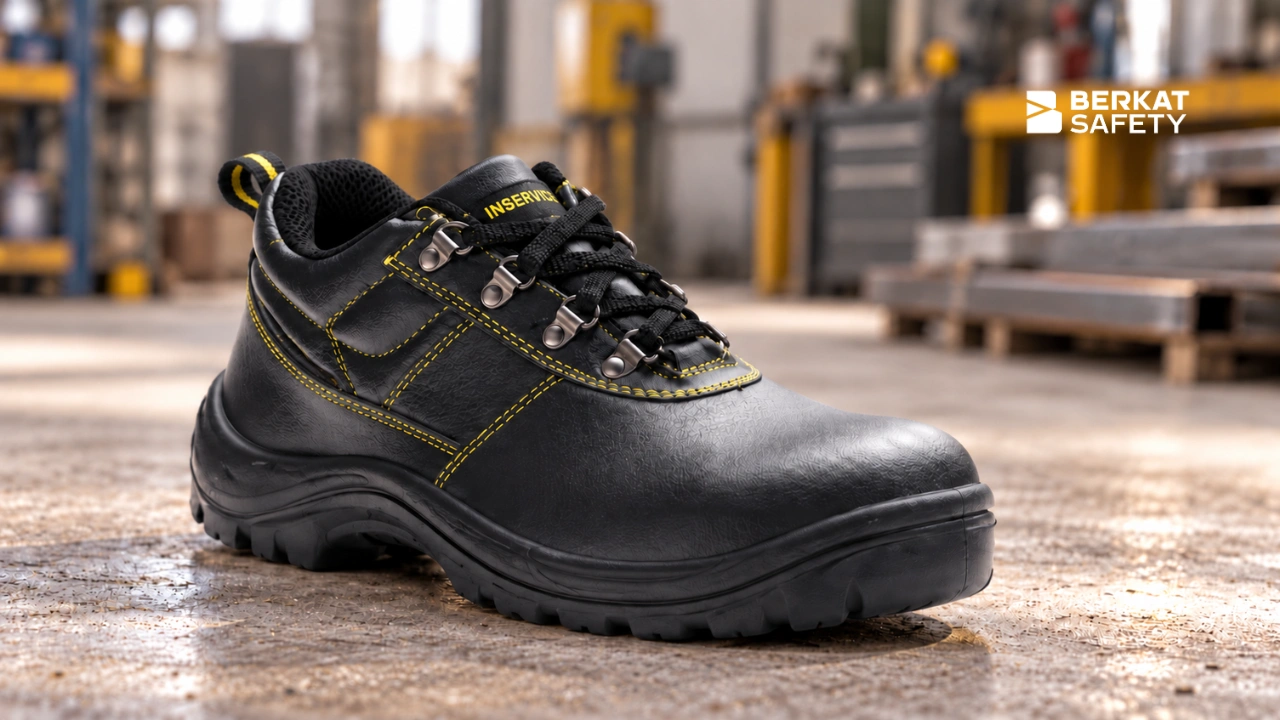
The toe cap is an important part of safety footwear, helping protect your toes from various workplace hazards. Two commonly used types are steel toe and composite toe.
Both can provide protection as part of safety footwear, but they differ in material, weight, electrical conductivity, and the needs they are suited to.
Understanding the differences between steel toe and composite toe can help you choose the type of foot protection that better suits your working conditions and environment.
What Is a Steel Toe Cap in Safety Footwear?
Steel toe refers to a toe cap made from steel that provides protection at the front of the shoe. It sits over the toes to help protect your feet from impacts or compression that may occur during work activities.
Steel toe caps are widely used in various types of safety footwear because steel is strong and can provide impact and compression protection in line with the product's specifications and the standards it meets.
In construction, manufacturing, mining, warehousing, and jobs involving heavy materials, toe protection is an important feature to consider.
Advantages of Steel Toe Caps
Some of the characteristics that make steel toe caps widely used in safety footwear include:
- Steel is a high-strength material.
- Provides impact and compression protection in line with product specifications.
- Widely available across different safety footwear models.
- Suitable for various working environments with a risk of falling objects or materials landing on your feet.
However, steel toe caps also have characteristics to keep in mind. Steel can add more weight to a shoe than some non-metal alternatives.
Since steel toe caps are made from metal, they aren't the right choice for every job. If your work specifically requires non-metallic footwear, composite toe caps may be a more suitable alternative.
Read also: 10 Functions of Safety Footwear for Workplace Safety Across Industries
What Is a Composite Toe Cap in Safety Footwear?
Composite toe refers to a toe cap made from non-metal materials to protect the toes.
Unlike steel toe caps, composite toe caps can be made from materials such as fiberglass, carbon fiber, or other composites, depending on the product's construction and specifications.
Composite toe caps are developed to provide protection without using metal. This makes them an alternative for workers who need safety footwear with non-metallic construction.
Advantages of Composite Toe Caps
Some characteristics of composite toe caps to consider include:
- Made from non-metal materials.
- Generally lighter than steel toe caps, although the actual weight still depends on the product's design and materials.
- Do not use steel as the toe cap material.
- Can be an option for working environments that require non-metallic footwear.
Still, composite toe caps aren't always better than steel toe caps. You need to assess the level of protection based on product specifications, the standards it meets, and workplace risks.
Read also: 15 Best Safety Footwear Brands for Comfort and Safety at Work
Differences Between Steel Toe and Composite Toe
Steel toe and composite toe caps have the same primary purpose: helping protect the toes. The main differences lie in their materials and how those characteristics affect their use.
|
Feature |
Steel Toe |
Composite Toe |
|
Material |
Steel |
Composite/non-metal materials |
|
Weight |
Generally heavier |
Generally lighter |
|
Metal content |
Yes |
No |
|
Impact protection |
As specified by the product and the standards it meets |
As specified by the product and the standards it meets |
|
Compression protection |
As specified by the product and the standards it meets |
As specified by the product and the standards it meets |
|
Electrical conductivity |
Metal material |
Non-metallic |
|
Specific requirements |
Suitable for various general work applications |
An option when non-metallic construction is required |
|
Model availability |
Widely available |
Available on selected models |
This table compares general material characteristics. Not all steel toe or composite toe caps offer the same level of protection. Product specifications and the standards the footwear meets should remain your main reference.
Steel Toe vs Composite Toe: Which Is Better?
No single type of toe cap is always better for every job.
Steel toe caps can be an option when your main priority is toe protection using a steel cap and there is no specific requirement for non-metallic construction.
Composite toe caps, meanwhile, are worth considering when you need toe protection without metal or prefer safety footwear that is generally lighter.
So, instead of asking “Which is better, steel toe or composite toe?”, a more useful question is:
“Which type of toe protection best suits the risks and conditions of my job?”
Your choice should take into account factors such as the hazards involved, the working environment, any need for non-metal materials, shoe weight, product standards, and comfort.
Read also: 5 Signs You Need to Replace Your Safety Shoes Before It's Too Late
How to Choose Toe Protection for Your Type of Work
Construction Work
Construction environments can involve hazards such as falling objects, heavy materials, nails, metal bars, and other materials.
Either steel toe or composite toe caps can be an option, as long as the product provides the protection needed for the job's risks. Along with the toe cap, check the outsole, puncture-resistant midsole, and other protective features.
Manufacturing Work
Manufacturing areas can involve a range of risks, from falling objects to activities involving machinery and production materials.
Choose toe protection based on the hazards identified in your work area. Steel toe caps can serve various general needs, while composite toe caps can be an alternative when non-metallic construction is required.
Warehousing and Logistics
Loading and unloading, storing goods, and moving materials can increase the risk of objects falling onto or striking your feet.
Consider either steel toe or composite toe caps based on the nature of the work. In addition to toe protection, slip resistance is important if workers frequently walk on slippery surfaces.
Electrical Work
For jobs involving electricity, footwear selection requires extra attention to the product's electrical properties.
Composite toe caps are non-metallic, but that doesn't automatically mean the footwear protects against electrical hazards.
Electrical hazard protection is a separate feature that must be stated in the product specifications and supported by the relevant standards.
So, don't choose footwear based only on a “composite toe” label if your main requirement is protection against electrical hazards.
Mining
Mining work involves various potential hazards, including impacts, heavy materials, uneven surfaces, sharp objects, and demanding environmental conditions.
Either steel toe or composite toe caps can be used if they meet the job's safety requirements and specifications.
In these conditions, the toe cap is just one part of the protection system. Outsole durability, puncture protection, slip resistance, upper materials, and other characteristics also need to be considered.
Outdoor Work
Conditions can change during outdoor work. Workers may encounter wet surfaces, mud, rocks, sharp materials, and uneven terrain.
Choose toe protection alongside considerations such as footwear materials, the outsole, waterproofing, slip resistance, and other protection needs.
Read also: 6 Ways to Remove Safety Shoe Odor and Keep It from Coming Back
Are Steel Toe and Composite Toe Caps Both Safe?
Both can be used as part of safety footwear, but safety can't be judged by the toe cap material alone.
Steel toe and composite toe caps are part of the shoe's overall construction. The protection provided depends on the product's design, specifications, testing, and the standards it meets.
When choosing safety footwear, look beyond the words “steel toe” or “composite toe.” Also check the following:
- The safety standards the product meets.
- The level of impact and compression protection.
- The outsole and its slip resistance.
- A puncture-resistant midsole, if needed.
- Resistance to oils or chemicals, if relevant.
- Electrical hazard protection, if needed.
- The materials and overall construction of the footwear.
- How well the product matches the risks of the job.
Berkat Safety explains that choosing safety footwear should start with identifying risks, followed by checking the toe cap, other protective features, standards, comfort, and product materials.
Conclusion
Steel toe and composite toe caps can both provide protection as part of safety footwear, but they have different characteristics.
Steel toe caps use steel and are widely used in safety footwear for various work applications. Meanwhile, composite toe caps use non-metal materials and can be an alternative when you need non-metallic construction or prefer an option that is generally lighter.
Neither option is automatically the best for every situation. Your choice should match workplace risks, the working environment, protection needs, product standards, and comfort.
If you're looking for safety footwear, consider all the protective features available, not just the type of toe cap. This will help you choose footwear that better suits your job and working environment.
Steel Toe and Composite Toe FAQs
Are composite toe caps lighter than steel toe caps?
In general, composite toe caps tend to be lighter because they use non-metal materials. However, the overall weight of the shoe also depends on the construction of the upper, outsole, midsole, insole, and other components.
Are composite toe caps safer than steel toe caps?
You can't generally say that composite toe caps are safer than steel toe caps. Both can provide toe cap protection if they meet the specifications and standards needed for the job.
Do steel toe caps conduct electricity?
Steel is a metal, so it is conductive. However, the presence of a steel toe cap shouldn't be the only basis for deciding whether footwear is safe for electrical work. Check the product's electrical hazard protection specifications and standards.
Are composite toe caps suitable for construction work?
Composite toe caps can be used in construction if the product meets the protection requirements set for the job. Along with the toe cap, consider puncture, slip, and impact risks, as well as the working environment.
Which is more comfortable: steel toe or composite toe?
Comfort depends on more than the toe cap material. Shoe weight, size, toe box shape, insole, outsole, upper materials, and the overall design all play a part.
Composite toe caps are generally lighter, but that doesn't mean every composite toe shoe is more comfortable than every steel toe shoe.
Do all safety shoes have steel toe or composite toe caps?
No. The type of toe protection can vary depending on the product's design and intended use. Always check the product specifications to find out which type of toe protection it uses.