02/06/2026 04:19 AM
Why Damaged Safety Shoes Should Never Be Ignored
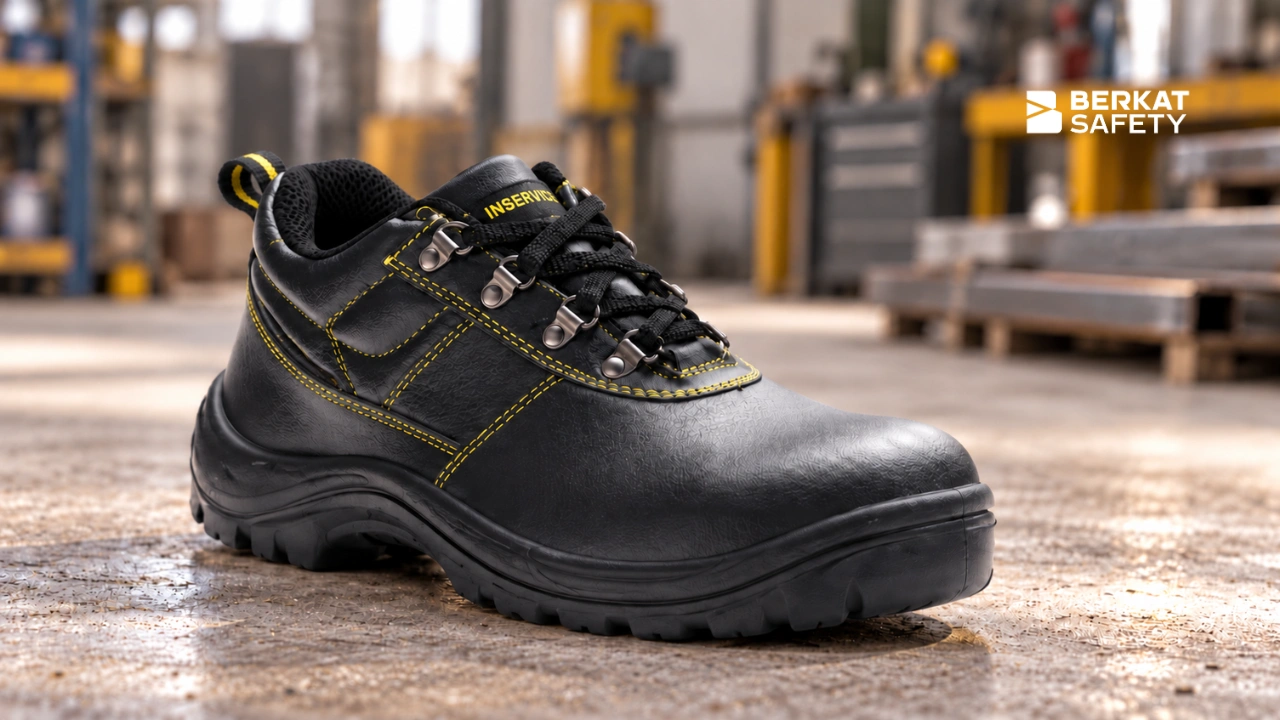
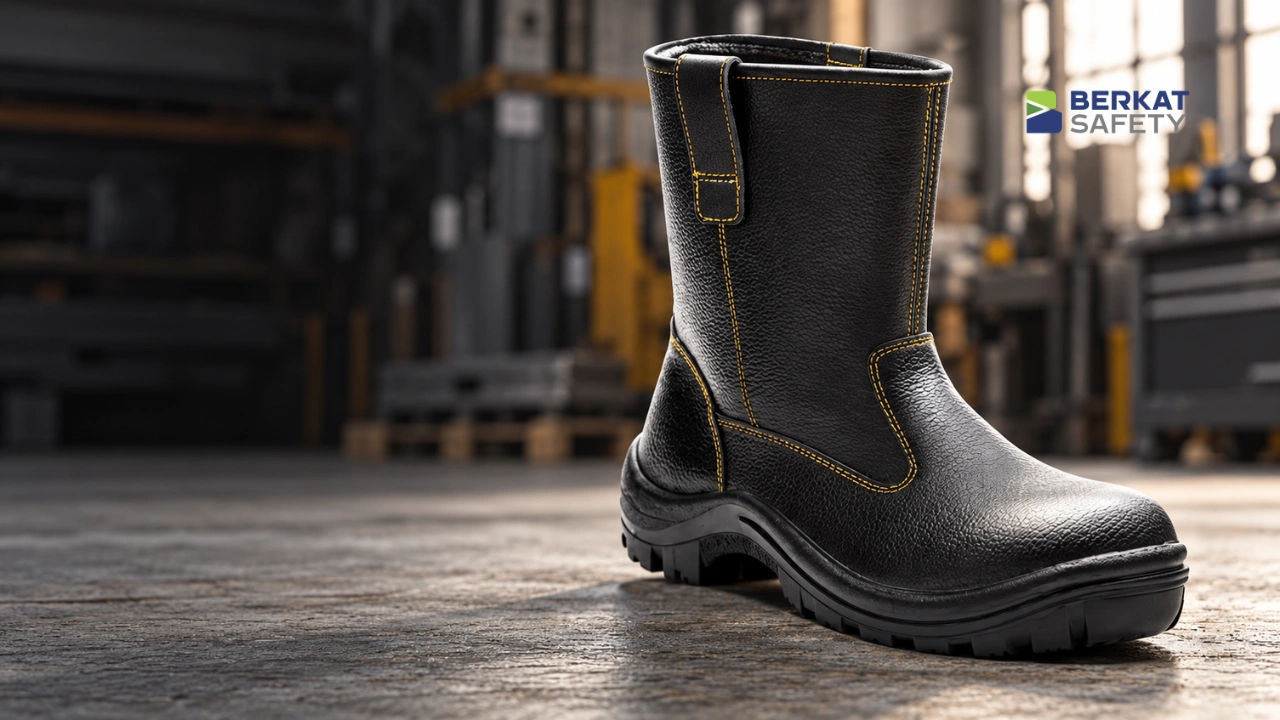
Many workers continue using damaged safety shoes because they still appear wearable or feel comfortable enough to use. However, damaged footwear can significantly reduce the protection that safety shoes are designed to provide. When critical components such as the outsole, toe cap, or support structure become compromised, the risk of workplace accidents increases substantially. Some workers delay replacing their footwear to save costs, while others assume minor damage does not affect performance. In reality, using damaged safety shoes can lead to slips, impact injuries, and other preventable workplace incidents. Understanding these risks is essential for maintaining a safe and productive working environment.
Even Minor Damage Can Reduce Protection
Safety shoes are designed to meet specific safety standards and protect workers from various workplace hazards. However, once a component becomes damaged, the shoe's protective performance begins to decline. Worn soles reduce traction, damaged toe caps weaken impact resistance, and deteriorated internal cushioning affects comfort and stability. For this reason, damaged safety shoes should never be considered a minor issue.
5 Fatal Risks of Using Damaged Safety Shoes
1. Slips and Falls Due to Worn-Out Soles
One of the most common dangers of damaged safety shoes is the increased risk of slipping. Worn soles lose their grip, especially on wet, oily, or slippery surfaces. As traction decreases, workers become more vulnerable to falls and serious injuries.
2. Foot Injuries Caused by a Compromised Toe Cap
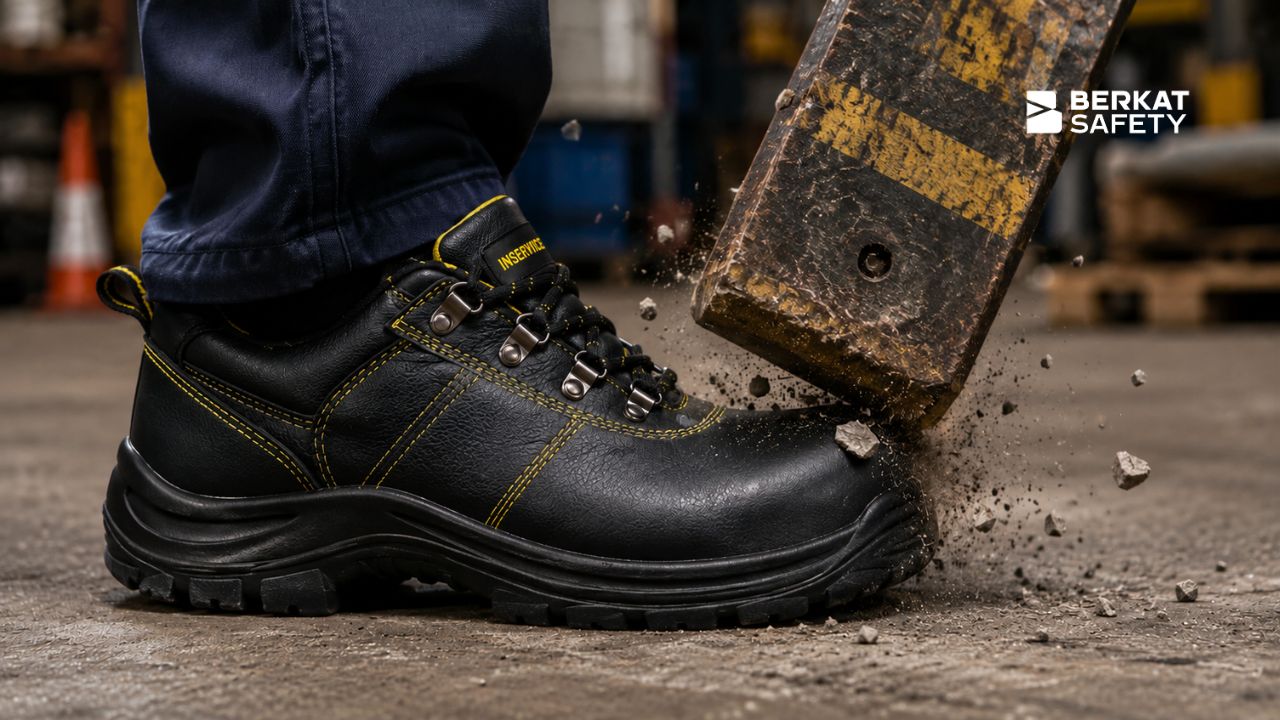
The toe cap is designed to protect feet from impacts and falling objects. When it becomes cracked, dented, loose, or damaged, its protective capability is significantly reduced. Workers wearing damaged safety shoes face a higher risk of severe foot injuries in industrial environments.
3. Reduced Stability While Walking
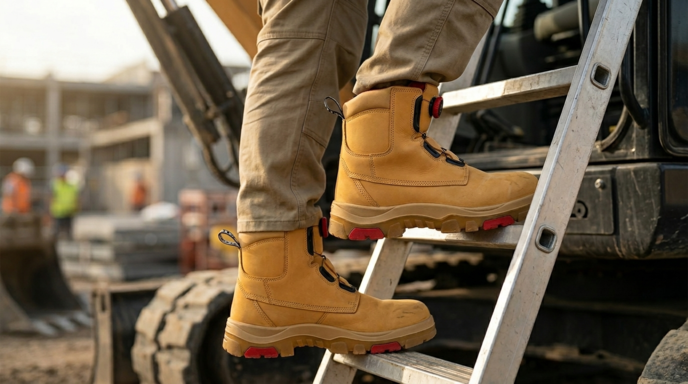
A weakened shoe structure can negatively affect balance and movement. Uneven soles, worn cushioning, or damaged heel support can make walking unstable. This risk is particularly significant for workers who frequently climb stairs, move between work areas, or operate in construction and manufacturing environments.
4. Discomfort That Affects Productivity
Damaged footwear often causes discomfort due to worn padding and reduced foot support. This can lead to foot pain, heel strain, and ankle discomfort.
As a result, workers may lose focus, experience reduced productivity, and become more susceptible to workplace errors.
5. Increased Risk of Foot Infections
Damaged shoes are more likely to retain moisture, creating an environment where bacteria and fungi can thrive.
This may lead to:
- Excessive foot odor
- Skin irritation
- Fungal infections
- Cracked skin
- General foot discomfort
Why Are the Risks of Damaged Safety Shoes Often Ignored?
Many workers continue wearing damaged safety shoes because:
- They want to avoid replacement costs
- The shoes still look acceptable externally
- Internal damage is difficult to detect
- Awareness of workplace safety risks is limited
However, replacing safety shoes is far less expensive than dealing with the consequences of workplace injuries.
How to Prevent Risks Associated with Damaged Safety Shoes
1. Conduct Regular Inspections
Inspect your safety footwear regularly and ensure that the outsole, toe cap, stitching, and internal components remain in good condition.
2. Recognize the Signs That Safety Shoes Need Replacement
Replace safety shoes immediately if you notice:
- Cracked or worn-out soles
- Damaged toe caps
- Loose stitching
- Flattened cushioning
- Reduced comfort during use
3. Choose High-Quality Safety Footwear
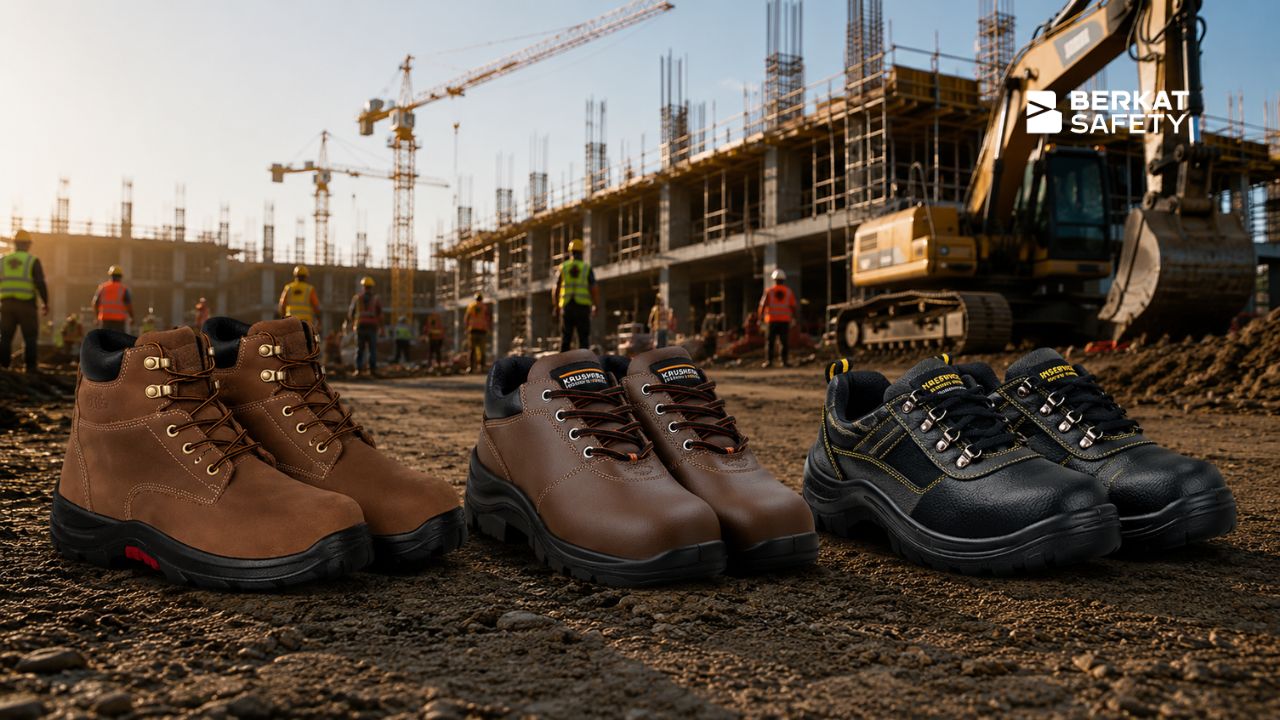
Investing in high-quality safety shoes is one of the most effective ways to reduce premature wear and maintain workplace protection. Companies and workers should prioritize footwear that meets recognized safety standards and is built for long-term durability. This commitment to quality is one of the principles emphasized by Berkat Safety in providing workplace safety solutions.
4. Maintain Safety Shoes Properly
Routine cleaning and proper storage in a dry environment can help extend the lifespan of safety footwear and preserve its protective performance.
5. Replace Shoes Before They Fail Completely
A common mistake is waiting until safety shoes become completely unusable before replacing them. Many safety professionals recommend replacing footwear before significant damage occurs. This preventive approach aligns with the safety philosophy promoted by Berkat Safety, where worker protection is prioritized before accidents happen.
FAQ About Damaged Safety Shoes
Can damaged safety shoes still be used?
No. Damaged safety shoes no longer provide the level of protection required to keep workers safe from workplace hazards.
What is the biggest risk of wearing damaged safety shoes?
The greatest risks are slips, falls, and foot injuries caused by reduced traction and compromised protective features.
How can I tell if safety shoes are no longer safe to use?
Inspect the sole, toe cap, stitching, cushioning, and overall comfort. Any damage to key protective components is a sign that replacement may be necessary.
Can damaged safety shoes be repaired?
Minor damage may be repairable. However, if structural components or the toe cap are compromised, replacement is generally the safer option.
When should safety shoes be replaced?
Safety shoes should be replaced as soon as wear or damage begins affecting their protective performance.
Don't Wait for an Accident to Happen
Using damaged safety shoes can increase the risk of slips, impact injuries, foot health problems, and reduced productivity. Regular inspections, proper maintenance, and timely replacement are essential for maintaining workplace safety. Workplace safety begins with reliable PPE and a proactive safety culture. For this reason, many companies and workers rely on trusted safety equipment providers such as Berkat Safety to support safer, more comfortable, and more productive workplaces.