25/05/2026 09:03 AM
It May Look Trivial, But the Impact Can Be Serious
Many workers focus on the durability and protection of safety shoes but often overlook their cleanliness. In fact, unhygienic safety shoes can become a source of various foot health problems, ranging from unpleasant odors to fungal infections. Safety shoes used daily absorb sweat, dust, and moisture. Without regular cleaning, these conditions create an ideal environment for bacteria and fungi to grow. Over time, this can affect comfort, health, and even workplace productivity. That is why maintaining clean safety shoes is not only about appearance but also an important part of workplace protection.
Why Can Safety Shoes Become a Breeding Ground for Bacteria?
The inside of safety shoes is usually enclosed, warm, and humid. These conditions make it easier for bacteria and fungi to thrive, especially when the shoes are worn for long hours.
Excessive sweat and poor air circulation may lead to:
- excessive foot odor,
- fungal growth,
- skin irritation,
- and foot infections.
According to workplace hygiene practices, keeping safety shoes clean and dry is essential for maintaining workers’ foot health.
The Effects of Unhygienic Safety Shoes on Foot Health
1. Excessive Foot Odor
One of the most common signs of dirty safety shoes is unpleasant foot odor. This smell is caused by bacteria growing from trapped sweat and moisture inside the shoes. Besides reducing self-confidence, it also indicates that the hygiene of the shoes has been compromised.
2. Fungal Infections
Moist safety shoes can trigger fungal growth, such as athlete’s foot. Common symptoms include:
- itching,
- peeling skin,
- redness,
- and a burning sensation.
If left untreated, fungal infections may spread and become more difficult to manage.
3. Skin Irritation and Foot Problems
Friction between the feet and damp or dirty shoe interiors may cause skin irritation. In some cases, it can also lead to blisters and minor wounds.
For this reason, keeping the inner lining and insoles clean is very important.
4. Discomfort While Working
Unhygienic safety shoes can make feet feel hot, damp, and uncomfortable during work. This discomfort may reduce concentration and affect overall productivity.
For workers who wear safety shoes all day, foot comfort plays a major role in daily performance.
How to Keep Safety Shoes Hygienic and Odor-Free
1. Clean Safety Shoes Regularly
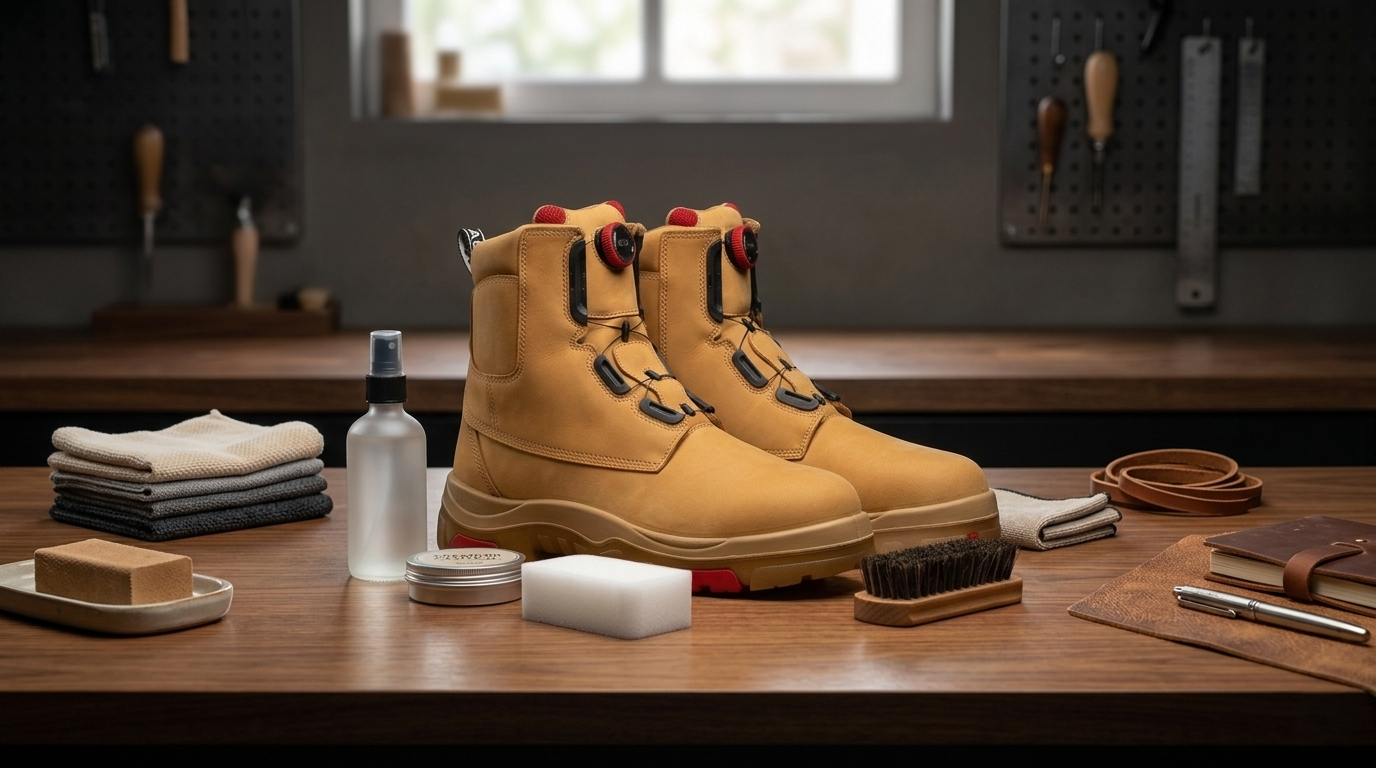
Cleaning both the exterior and interior of safety shoes helps prevent the buildup of dirt, bacteria, and moisture.
Use a soft brush and a clean cloth to maintain the shoe material properly.
2. Keep the Shoes Dry
Moisture is the main cause of bacterial and fungal growth. After use, store safety shoes in a well-ventilated area to help them dry faster.
Avoid wearing shoes while they are still wet.
3. Clean or Replace Insoles Regularly
Insoles absorb the most sweat. Cleaning or replacing them regularly can significantly improve shoe hygiene.
4. Wear Clean Socks
Socks help absorb sweat and reduce direct contact between the feet and the inside of the shoes. Choose clean, breathable socks for better comfort.
5. Use Antibacterial Spray
Antibacterial sprays or shoe deodorizers can help eliminate odor-causing bacteria and keep safety shoes fresh and hygienic.
Additional Tips for Maintaining Workers’ Foot Health
Here are some simple tips to help maintain healthy feet while wearing safety shoes:
- Do not wear shoes when they are wet
- Rotate shoes if possible
- Store shoes in a dry and ventilated place
- Clean your feet before and after work
- Choose comfortable and breathable safety shoes
As a trusted workplace safety equipment provider, Berkat Safety understands that clean and comfortable safety shoes are essential for supporting workers’ health and productivity across various industries.
FAQ About Unhygienic Safety Shoes
What are the signs of unhygienic safety shoes?
Common signs include unpleasant odor, excessive moisture inside the shoes, and visible mold or fungal growth.
Can dirty safety shoes cause foot diseases?
Yes. Unhygienic safety shoes can cause fungal infections, skin irritation, and other foot health problems.
How often should safety shoes be cleaned?
Ideally, safety shoes should be cleaned at least once a week or more frequently if used daily in demanding work environments.
Do insoles affect shoe hygiene?
Yes. Insoles absorb a large amount of sweat, so they should be cleaned or replaced regularly.
How can I remove odor from safety shoes?
Keep the shoes dry, wear clean socks, and use antibacterial sprays or shoe deodorizers regularly.
Ignoring the cleanliness of safety shoes can directly affect foot health. From unpleasant odors to fungal infections, many problems can arise from unhygienic safety shoes. With simple but consistent maintenance, safety shoes can remain clean, comfortable, and safe for daily use. Keeping safety shoes hygienic is not only important for work performance but also a long-term investment in workers’ health.