19/11/2026 04:44 AM
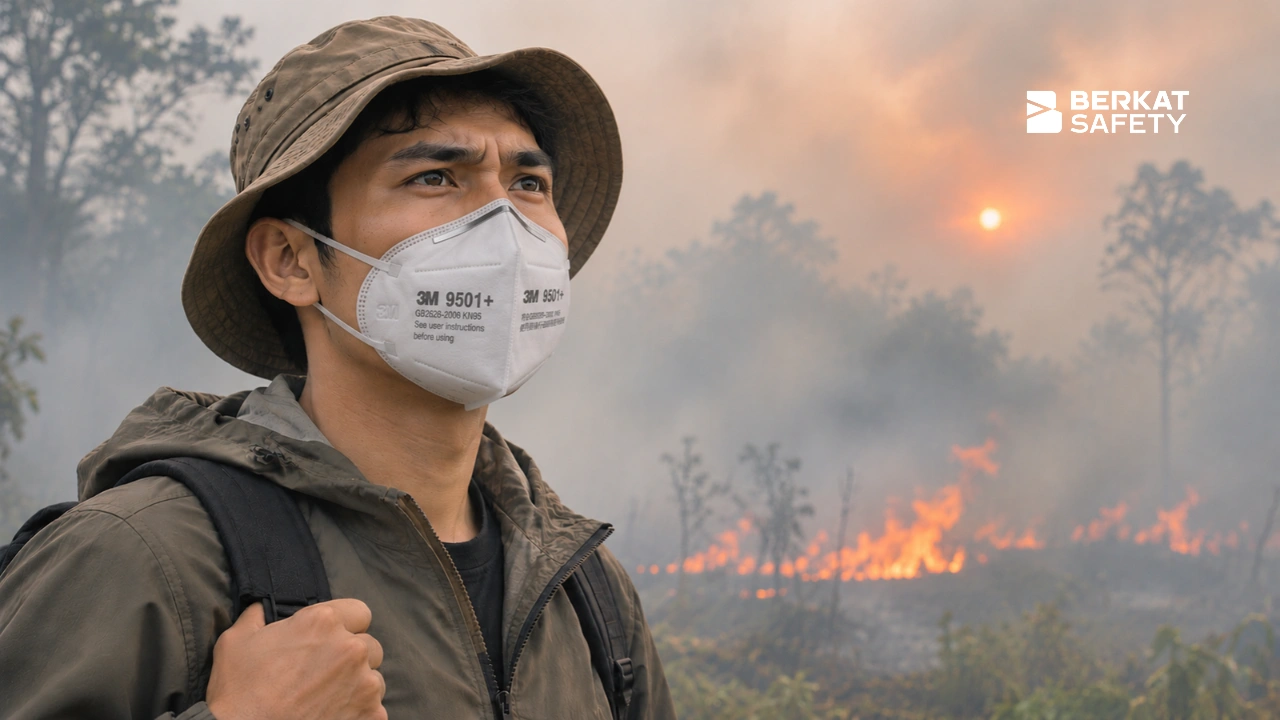
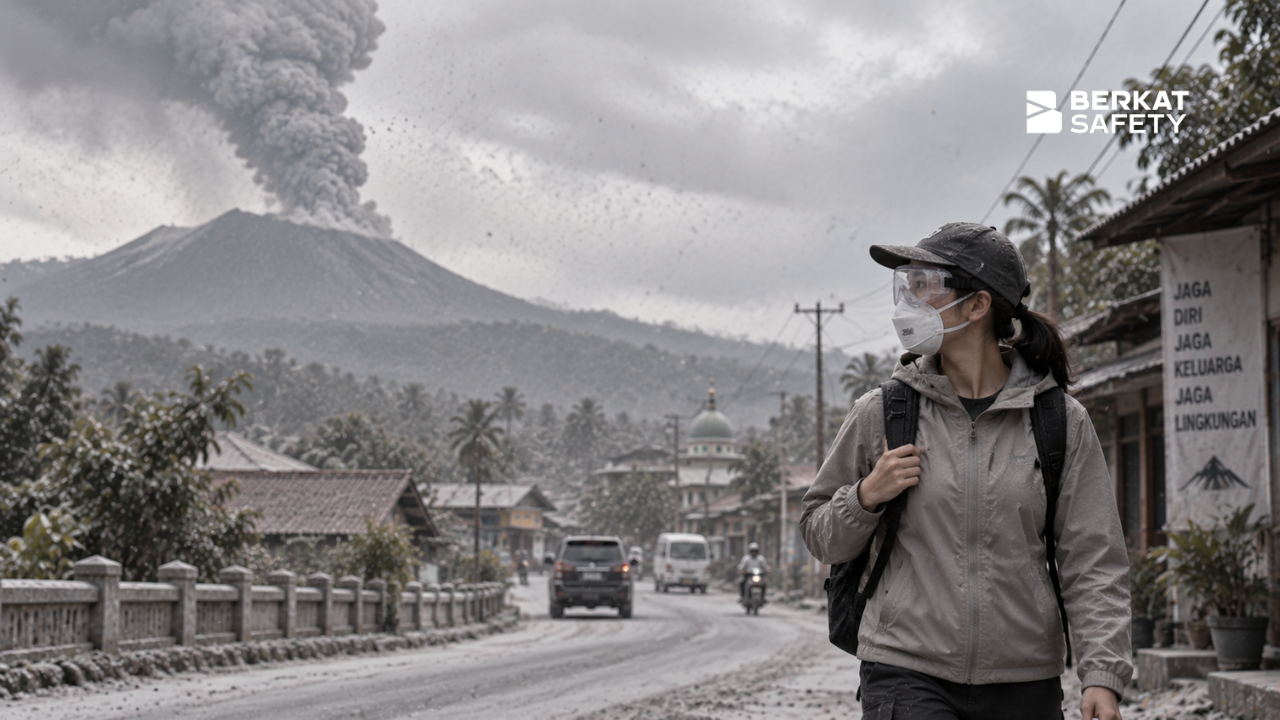
Wildfires and land fires can produce smoke that spreads to residential areas and places where people carry out daily activities. This smoke contains various hazardous substances, ranging from fine particles such as PM2.5 to gases and chemical compounds produced by combustion. When inhaled in sufficient quantities, smoke exposure can irritate the respiratory tract and affect health.
One way to help reduce exposure to particles from fire smoke is to use a mask or respirator with filtration capabilities suited to the situation. However, not all masks provide the same level of protection. Particulate respirators, for example, are designed to filter specific particles and do not automatically provide protection against gases or chemical vapors.
So, which masks and respirators can be considered to help reduce exposure to particles from fire smoke? Below are several product recommendations available from Berkat Safety, along with their functions and characteristics.
Types of Respirators for Reducing Exposure to Fire Smoke Particles
A respirator is a respiratory protective device designed to help reduce exposure to airborne contaminants. Based on their design and method of use, respirators can generally be divided into disposable respirators and reusable respirators.
Both types can be used for different protection needs. The choice of respirator should take into account the type of contaminant, exposure level, product specifications, and the fit of the respirator on the user’s face.
Disposable Respirators
Disposable respirators are single-use respirators that generally resemble masks and use a filtration medium to filter airborne particles.
Some disposable respirators have classifications such as N95 or FFP2, which indicate their filtration performance based on their respective testing standards.
This type of respirator may be considered to help reduce exposure to particles from fire smoke, provided that the product specifications match the required level of protection. However, particulate disposable respirators do not automatically protect against carbon monoxide, toxic gases, or chemical vapors.
Reusable Respirators
Reusable respirators are designed so that the facepiece can be used more than once. Unlike disposable respirators, this type uses filters or cartridges that can be removed and replaced as needed.
One commonly used type is the half-face respirator, which covers the nose and mouth. The protection it provides depends on the type of filter or cartridge installed.
For particulate exposure, reusable respirators must be fitted with a compatible particulate filter. Cartridges for gases and vapors, meanwhile, can only be used for contaminants specifically listed in the product specifications.
Therefore, a reusable respirator should not be assumed to protect against every substance found in fire smoke. The choice of facepiece and filter combination must still be based on a hazard assessment.
Recommended Disposable Respirators for Particulate Exposure
Disposable respirators may be one option to help reduce exposure to fine particles found in fire smoke. The following products may be considered based on their respective specifications and classifications.
Please note that the products below are recommendations for particulate respirators, not masks specifically designed to provide comprehensive protection against every component of wildfire smoke.
1. 3M Aura Disposable Respirator 9332+
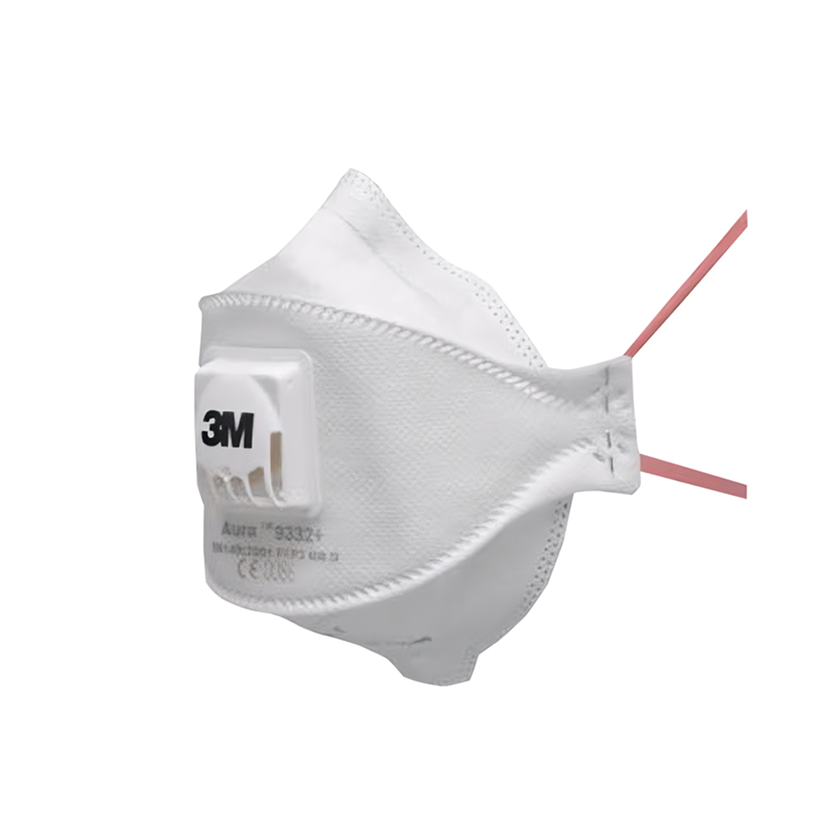
The 3M Aura Disposable Respirator 9332+ is one of 3M’s particulate respirator options featuring the Aura series design. Its shape is designed to follow the contours of the face and uses multiple panels to help the respirator adjust to its position when worn.
This design aims to support comfort and fit. When using a respirator to reduce particulate exposure, a proper fit is important because gaps around the nose and cheeks may allow air to enter without passing through the filtration medium.
Before use, make sure the product’s filtration classification and instructions for use meet the required protection needs. This product should not be considered capable of filtering all gases and chemical compounds contained in fire smoke.
2. 3M Particulate Respirator 9501+
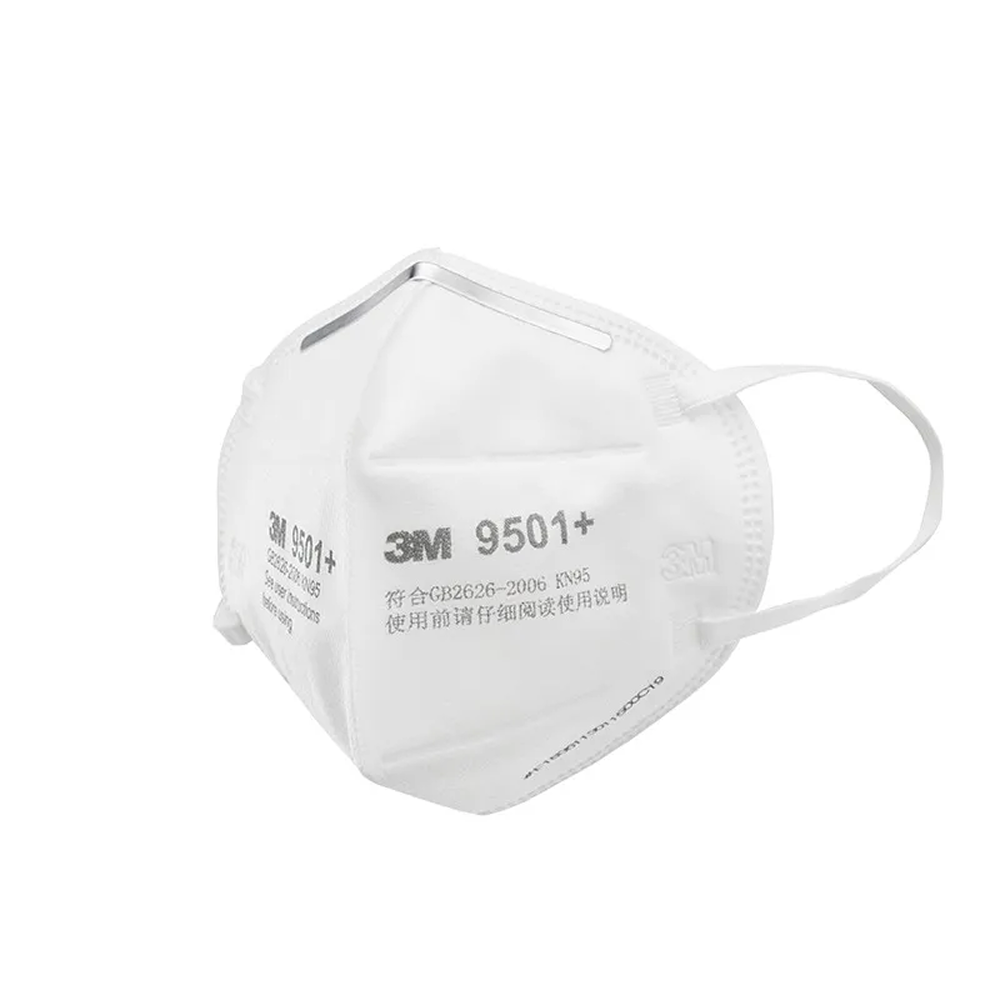
The 3M Particulate Respirator 9501+ is a particulate respirator that may be considered for protection against airborne particles in accordance with its classification and product specifications.
This product has a respirator design that covers the nose and mouth. As with other particulate respirators, its effectiveness is affected by the product’s condition, how it is fitted, and whether its size is suitable for the user’s face.
When addressing particulate exposure from fire smoke, first make sure that the product’s filtration standard is appropriate for the risk. This respirator cannot replace specialized protection against toxic gases such as carbon monoxide.
3. 3M VFlex Particulate Respirator 9105

The 3M VFlex Particulate Respirator 9105 is a particulate respirator featuring a VFlex fold design. Its shape allows the respirator to move with facial movements while providing space at the front to support breathing comfort.
The folded design also helps the respirator adjust to the user’s facial shape. This is one factor to consider when selecting a respirator for activities that require respiratory protection.
For fire smoke exposure, this product may be considered if its particulate filtration classification and specifications meet the required needs. Keep in mind that its protection is limited to contaminants covered by the product standard.
Recommended Reusable Respirators for Respiratory Protection
In addition to disposable respirators, reusable respirators may also be considered for respiratory protection. This type uses a reusable facepiece with separately installed filters or cartridges.
Below are several reusable respirator options from 3M available from Berkat Safety.
1. 3M Half Facepiece Reusable Respirator 6200/07025
The 3M Half Facepiece Reusable Respirator 6200/07025 is a half-face respirator designed for repeated use. It covers the nose and mouth and uses a system for attaching compatible filters or cartridges.
For particulate protection, this respirator can be fitted with a particulate filter that meets 3M specifications. Filter selection should take into account the type of contaminant, exposure level, and compatibility with the facepiece.
One important point to note is that the 6200 facepiece alone does not provide filtration protection. The correct filter or cartridge must be installed before the respirator is used.
2. 3M 7503 Large Half Mask Respirator Double
The 3M 7503 is a reusable half-face respirator in Large size. It is designed to cover the nose and mouth and can be used with compatible filters or cartridges.
The reusable respirator design allows users to replace filtration components according to the application. For particulate exposure, users may consider a suitable particulate filter. Protection against gases or vapors, meanwhile, requires a cartridge with the appropriate specifications.
Before choosing this product, make sure the facepiece size fits the user’s face. A proper fit is important to help reduce air leakage through gaps around the respirator.
3M Filter and Cartridge Combination for Respiratory Protection
The combination of the 3M Organic Vapor/Acid Gas Cartridge 6003, the 3M Particulate Filter 5N11 N95, and the 3M Filter Retainer 501 forms a complementary filtration system for respiratory protection needs. These three components serve different functions and are installed according to the manufacturer’s recommended configuration.
- The 3M Organic Vapor/Acid Gas Cartridge 6003 serves as the primary filtration element, designed to protect the user from specific types of organic vapors and acid gases as specified by the manufacturer.
- The 3M Particulate Filter 5N11 N95 is mounted on top of the 6003 cartridge to provide an additional layer of filtration against airborne particulates or fine particles, in accordance with the N95 classification.
- The 3M Filter Retainer 501 acts as a lock or retainer to ensure the 5N11 particulate filter remains securely and precisely attached to the surface of the 6003 cartridge in accordance with the manufacturer’s official configuration.
The combination of these three components enables the respirator system to provide protection against particulates as well as certain types of gases and vapors, in accordance with the capabilities of each component. However, this system does not provide universal protection against all components of fire smoke and should not be assumed to protect the user from carbon monoxide. Selection and use must follow hazard identification and official 3M instructions.
Differences Between Disposable and Reusable Respirators
Disposable and reusable respirators have different characteristics. Both can be used for respiratory protection, but their usage systems, components, and maintenance requirements are not the same.
The following is a general comparison of the two types.
|
Description |
Disposable Respirator |
Reusable Respirator |
|
Use |
Single-use, according to the product instructions |
Facepiece can be reused |
|
Filtration system |
Integrated filtration media |
Uses separate filters or cartridges |
|
Component replacement |
Replace the entire respirator |
Replace filters or cartridges as needed |
|
Maintenance |
Generally not intended to be washed or reused |
Facepiece must be cleaned and maintained according to instructions |
|
Product examples |
3M Aura 9332+ |
3M 6200, 3M 7503 |
|
Key considerations |
Filtration classification and face fit |
Compatibility of the facepiece, filter, and cartridge |
For particulate exposure, either type of respirator may be considered as long as the product specifications match the risk. Protection against gases and vapors, meanwhile, requires a respirator system and cartridge specifically designed for those contaminants.
Find Respirators and Respiratory Protection Equipment at Berkat Safety
Exposure to wildfire and land-fire smoke can involve various types of contaminants that pose health risks. Therefore, selecting respiratory protection requires consideration of the smoke composition, exposure level, and filtration capabilities of the product being used.
To help reduce particulate exposure, respirators with suitable filtration classifications, such as N95 or FFP2, may be one option. However, particulate respirators do not provide comprehensive protection against toxic gases and chemical vapors that may be present in fire smoke.
Berkat Safety offers a wide selection of respiratory protection equipment from 3M, ranging from disposable respirators and reusable respirators to particulate filters and cartridges for specific protection needs.
Visit the Respiratory Protection Berkat Safety page to view available products, or browse the Disposable Respiratory, Reusable Respiratory, and Cartridge categories.
If you need a respirator for a workplace with potential exposure to smoke or specific contaminants, consult the Berkat Safety team. Product selection must still be based on hazard identification and the appropriate protection specifications.
Important: In the event of a wildfire, if air quality reaches a hazardous level, the priority is to avoid the affected area and follow evacuation instructions from the relevant authorities. Respirator use is not a substitute for evacuation or hazard control.
Frequently Asked Questions About Masks for Fire Smoke
Can an N95 mask be used to help reduce exposure to fire smoke?
An N95 respirator can help filter airborne particles, including some of the fine particles found in fire smoke. However, an N95 is not designed to filter carbon monoxide, all toxic gases, or chemical vapors. Its protection is therefore limited to particulates in accordance with the product specifications.
Are ordinary masks sufficient to protect against wildfire smoke?
Cloth masks or ordinary masks do not always have adequate filtration capabilities or face fit to reduce exposure to fine particles. If you must work or spend time in an environment with particulate exposure, use a respirator with a filtration classification suited to the need and make sure it is fitted correctly.
What is the difference between N95 and FFP2 respirators?
N95 and FFP2 are particulate respirator classifications based on different standards. N95 refers to the NIOSH classification in the United States, while FFP2 is a classification under the European EN 149 standard. Each has its own filtration testing requirements, so they should not be considered identical in every respect.
Can a reusable respirator be used for fire smoke?
A reusable respirator can be used with a compatible particulate filter to help reduce exposure to airborne particles. However, the filter type must match the contaminants involved. A reusable facepiece alone does not provide protection without the correct filter or cartridge.
Can the 3M 6003 cartridge protect against all components of fire smoke?
No. The 3M 6003 cartridge is designed for certain types of organic vapors and acid gases in accordance with the manufacturer’s specifications. It is not a universal filter for all components of fire smoke and should not be assumed to provide protection against carbon monoxide.