07/09/2026 03:56 AM
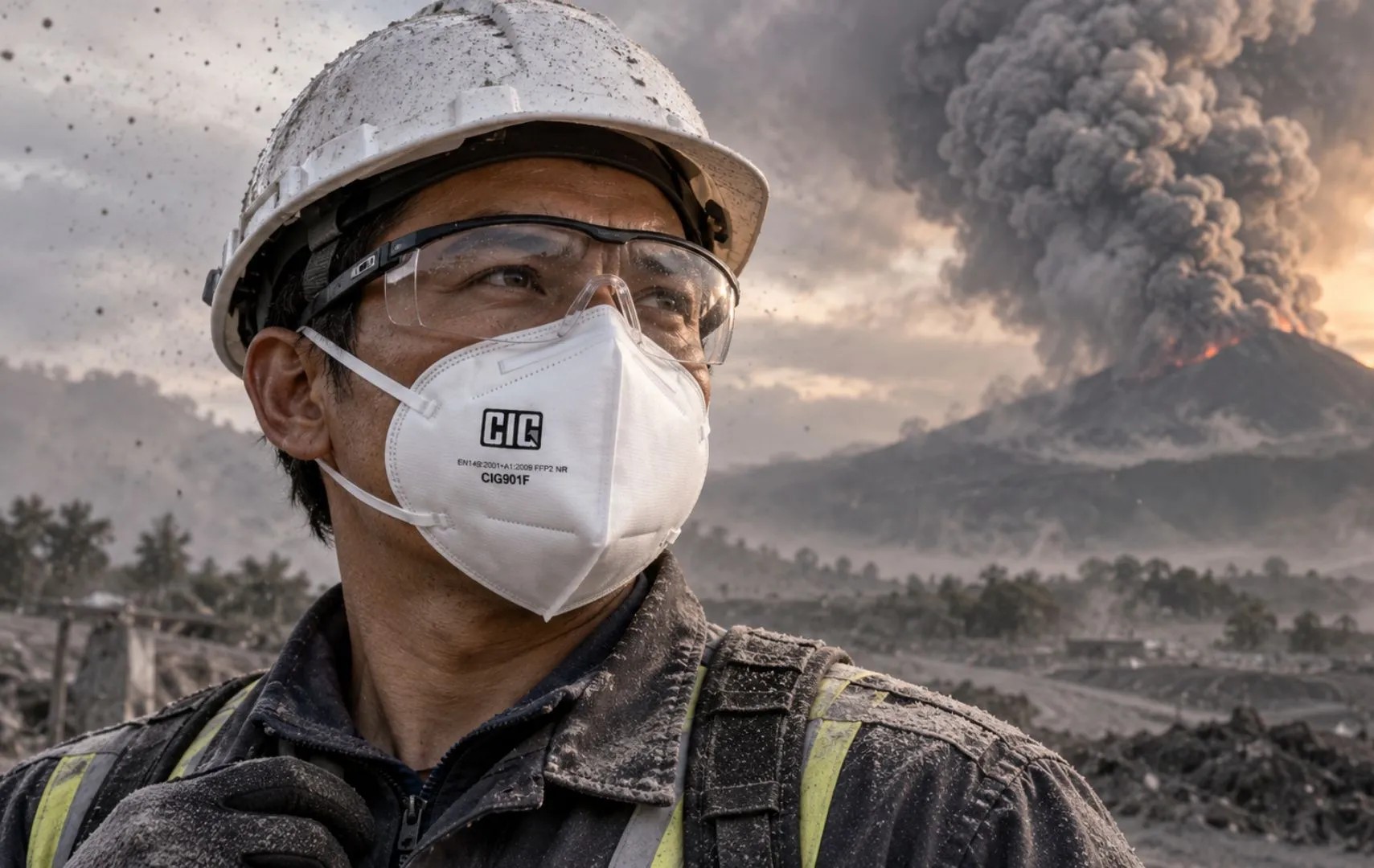
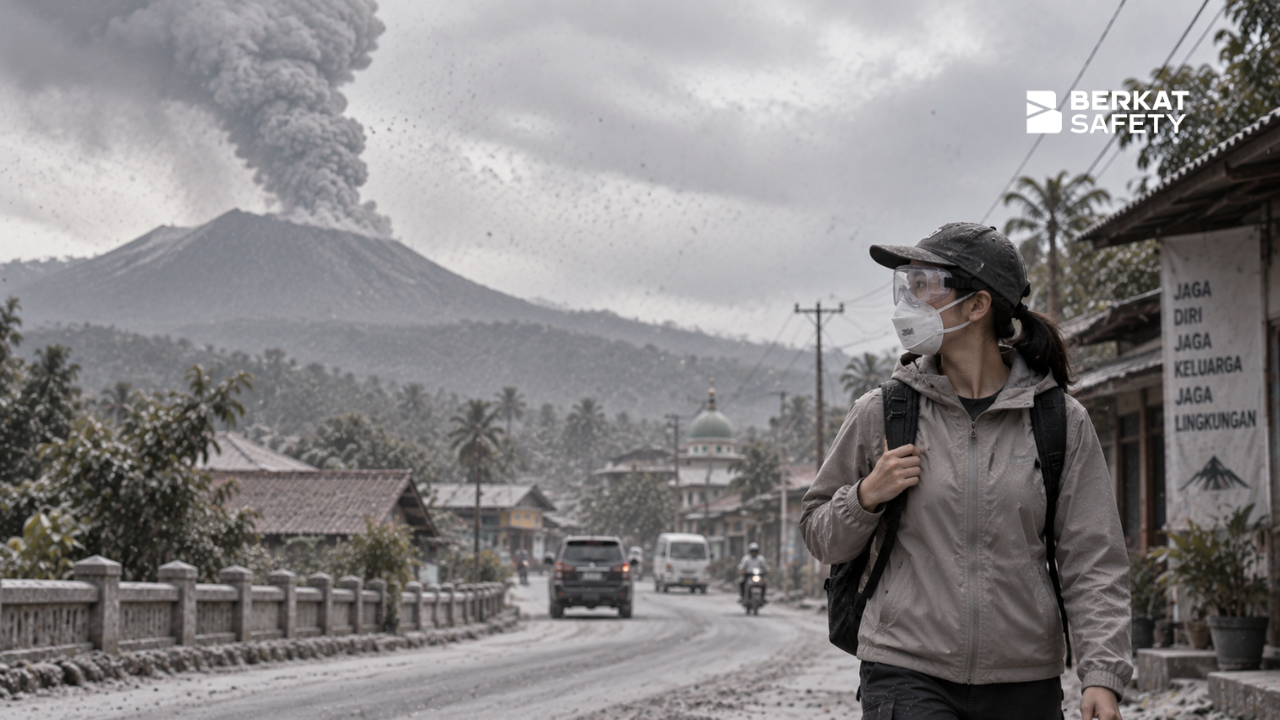
The recent eruption activity of Mount Anak Krakatau has raised concerns about the potential impact of volcanic ash on surrounding areas. One of the main concerns is volcanic ash, which can be carried by the wind and spread over areas far from the volcano.
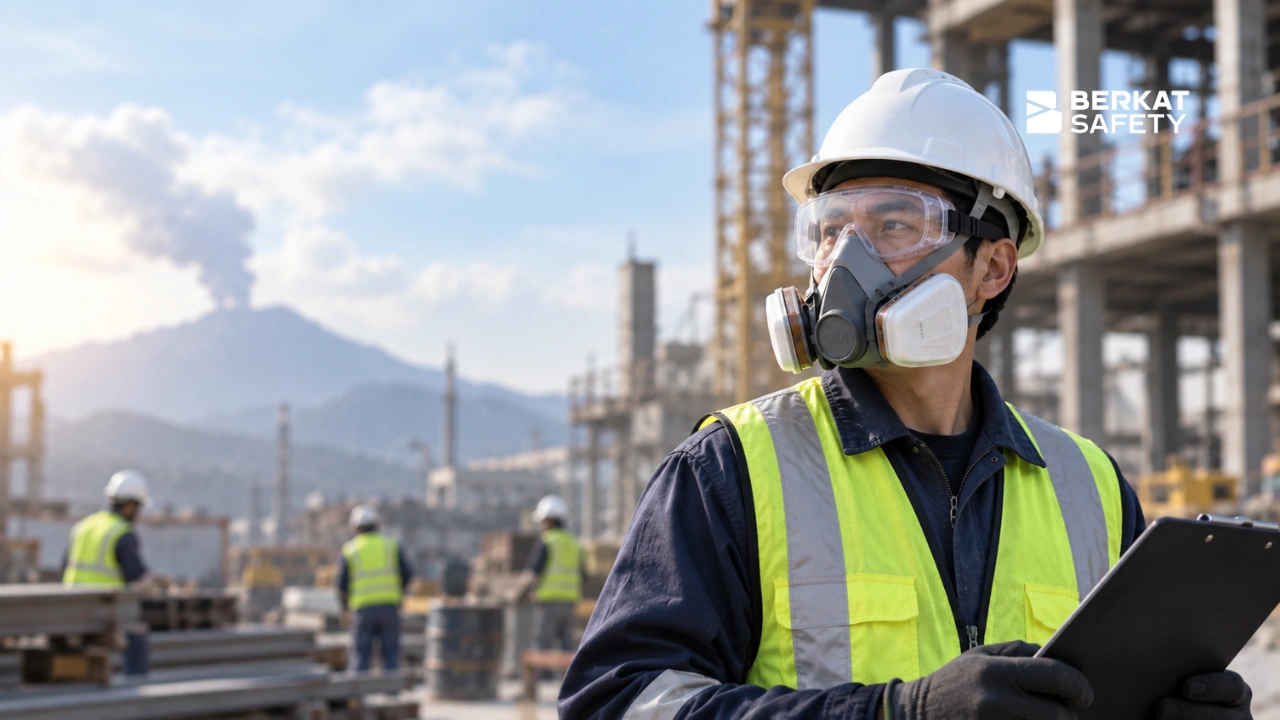
Volcanic ash is more than just ordinary dust. Its fine particles can become airborne and may be inhaled into the respiratory system. Therefore, using the right mask or respirator is an important step in reducing exposure to volcanic ash.
What Is Volcanic Ash?
Volcanic ash consists of very fine particles produced during volcanic eruptions. These particles can be carried by the wind and become suspended in the air we breathe.
According to the USGS, some volcanic ash particles are small enough to enter the respiratory system and may cause irritation to the nose, throat, and respiratory tract.
For this reason, people and workers in affected areas should take appropriate measures to reduce their exposure to airborne volcanic ash.
What Are the Respiratory Hazards of Volcanic Ash?
Exposure to volcanic ash may cause several respiratory symptoms, including:
- Coughing
- Dry or irritated throat
- Nasal irritation
- Breathing discomfort
- Worsening of symptoms in people with certain respiratory conditions
The risk may increase when a person is exposed to high concentrations of volcanic ash or performs activities that cause settled ash to become airborne again.
Therefore, respiratory protection from volcanic ash is particularly important for people who need to work or remain outdoors in affected areas.
What Mask Is Suitable for Volcanic Ash?
Not all masks provide the same level of protection.
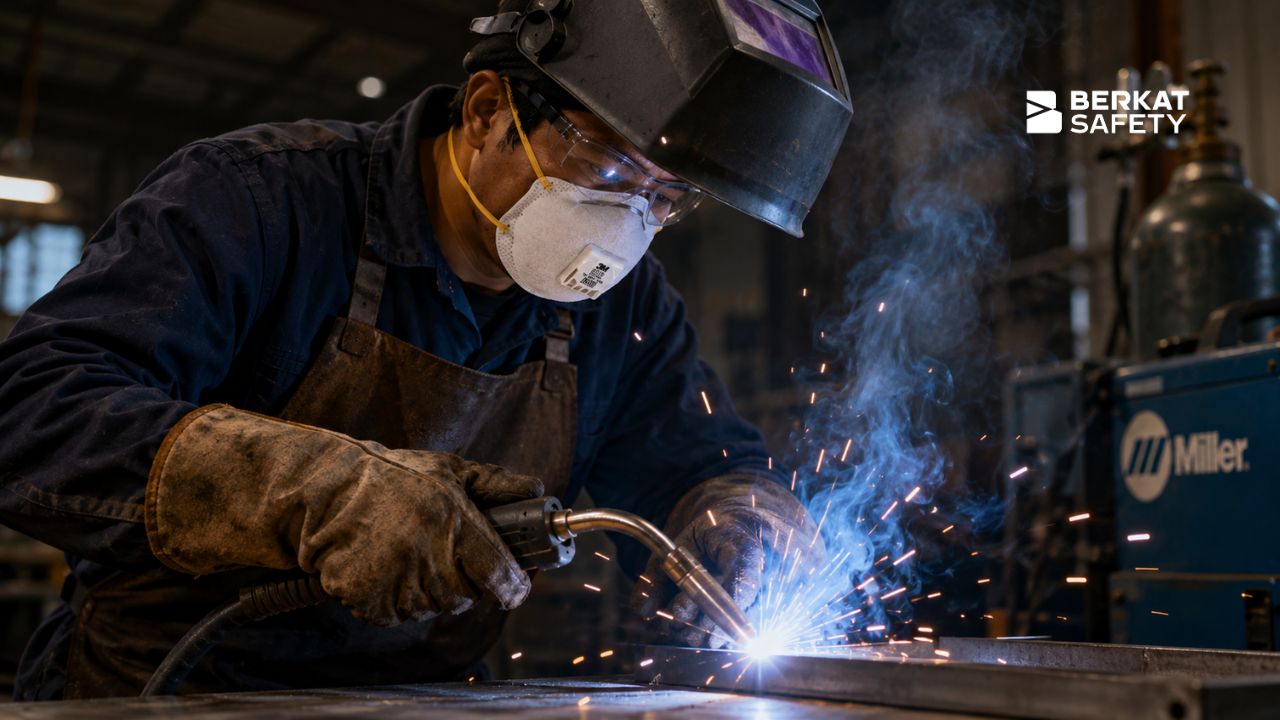
For exposure to particulate matter such as volcanic ash, use a particulate respirator that is appropriate for the hazard, meets the relevant standards, and is suitable for the intended application.
The CDC recommends a NIOSH-approved N95 respirator when people need to be outdoors or clean up volcanic ash.
Other particulate respirator classifications, such as P2 and FFP2, are also available under different standards. The appropriate choice should be based on the applicable standard, product certification, exposure conditions, and intended use.
Quick Comparison
|
|
|
|
|
|
|
|
|
|
|
|
|
|
|
|
|
|
|
|
Do not choose a mask based only on its appearance or price. Consider the applicable standards, certification, filtration capability, and fit.
How to Use a Mask Correctly
Even a high-quality respirator needs to be used correctly to provide the protection it is designed to offer.
Here are several important points to consider:
1. Cover Your Nose and Mouth
Make sure the respirator completely covers both your nose and mouth.
2. Ensure a Proper Fit
Avoid significant gaps between the respirator and your face. A proper fit helps reduce the possibility of airborne particles entering through gaps around the respirator.
3. Check the Respirator's Condition
Do not use a respirator that is damaged, worn out, or no longer suitable for use.
4. Follow the Manufacturer's Instructions
Always follow the manufacturer's instructions for wearing, maintaining, replacing, or disposing of the respirator.
The USGS emphasizes that both filtration performance and proper fit play an important role in protecting against volcanic ash.
Protection from Volcanic Ash Goes Beyond Wearing a Mask
A mask or respirator is only one part of an overall protection strategy.
Whenever possible:
- Reduce outdoor activities when volcanic ash is present.
- Stay indoors when ash is actively spreading.
- Use appropriate eye protection to reduce eye irritation.
- Avoid activities that unnecessarily disturb settled volcanic ash.
- Follow information and instructions from local authorities.
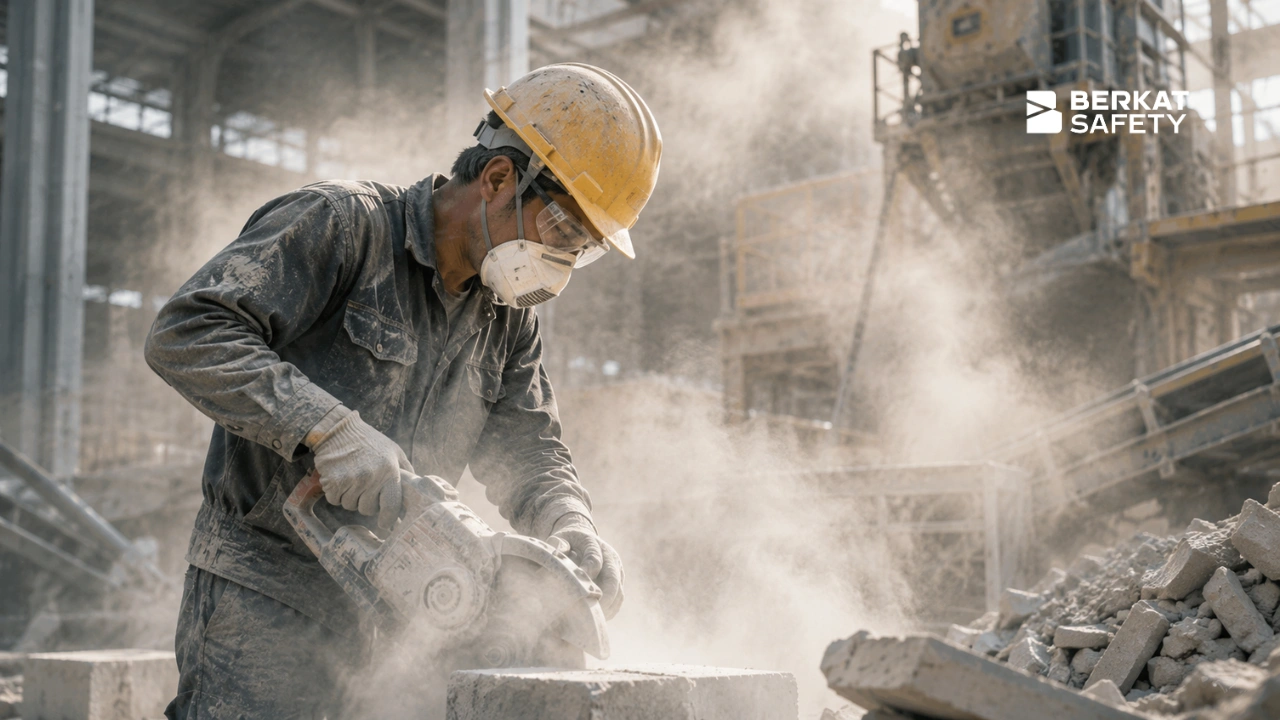
For workers who need to perform activities in areas affected by volcanic ash, PPE selection should be based on hazard identification and risk assessment.
Choose the Right Volcanic Ash Mask for Your Needs
Volcanic eruptions are a reminder that choosing a mask should not be based solely on price or appearance.
Before choosing a mask for volcanic ash, consider:
- The type of hazard
- The level of exposure
- Applicable respirator standards and certifications
- Filtration performance
- Proper fit
- Working conditions and duration of use
For workplace respiratory protection, always select PPE that is appropriate for the identified hazards and applicable safety requirements.
Respiratory Protection from Berkat Safety
Choosing a volcanic ash mask is not simply about finding a mask that looks suitable. The product should be selected based on the hazard, exposure level, applicable standards, and intended use.
Berkat Safety provides a range of Personal Protective Equipment (PPE), including respiratory protection products for various workplace and environmental applications.
Don't wait until the risk occurs. Understand the hazard and choose the right protection.
Berkat Safety — Your Safety, Our Priority.
FAQ About Volcanic Ash Masks
Is volcanic ash dangerous?
Volcanic ash can irritate the eyes and respiratory system. Very fine particles may also be inhaled deeper into the respiratory tract.
What mask is suitable for volcanic ash?
For particulate exposure, use a particulate respirator that meets the applicable standards and is appropriate for the exposure conditions. The CDC recommends a NIOSH-approved N95 respirator to help reduce exposure to volcanic ash.
Is a cloth mask enough for volcanic ash?
A cloth mask should not be considered equivalent to a certified particulate respirator designed to filter airborne particles.
Can an N95 mask be used for volcanic ash?
Yes. The CDC recommends a NIOSH-approved N95 respirator to help reduce exposure to volcanic ash when people need to be outdoors or clean up ash.
Is wearing a mask enough during a volcanic eruption?
No. Reducing exposure is still the primary protective measure. Stay indoors when possible, reduce outdoor activities, use appropriate PPE, and always follow instructions from local authorities.
Volcanic ash is more than just ordinary dust. Fine airborne particles can be inhaled and may cause irritation to the respiratory system. If you need to be in an area affected by volcanic ash, use a mask or respirator appropriate for the hazard and exposure level. Make sure the product meets relevant standards and is used correctly. Because the right protection starts with choosing the right PPE.