09/09/2026 02:45 AM
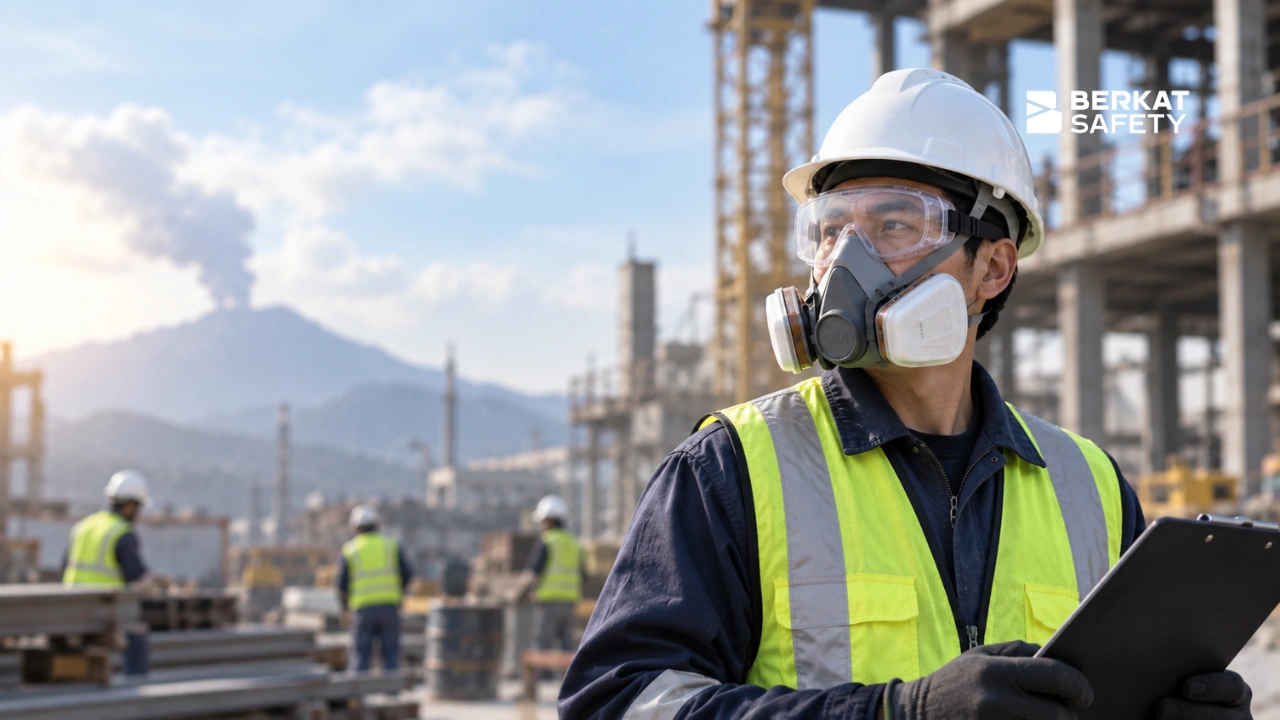
Work environments across various industries can contain airborne contaminants that may enter workers' respiratory systems. Dust, fine particles, smoke, fumes, gases, and chemical vapors can be generated by activities such as construction, welding, manufacturing, mining, and chemical processing.
Because these hazards have different characteristics, the respiratory protection used is not always the same. There are various types of safety masks and respirators designed for specific needs, ranging from dust masks to supplied-air respirator systems.
Understanding the different types of safety masks can help workers and companies recognize the function of each type of respiratory protection and how it is used in the workplace.
What Is a Safety Mask?
Safety mask is a general term commonly used for respiratory protective equipment that helps reduce workers' exposure to certain airborne contaminants. In workplace safety, respiratory protection can include disposable masks as well as respirators with filter, cartridge, or supplied-air systems.
Workplace contaminants can include dust, particles, smoke, welding fumes, gases, chemical vapors, mists, and aerosols. Each type of contaminant has different characteristics, so the respiratory protection used should be matched to the risk and product specifications.
Safety masks are also part of a worker protection system. Their use should be supported by hazard identification, risk control, proper work procedures, and an understanding of how to use respiratory protective equipment.
Types of Safety Masks for Different Workplace Risks
Here are several types of safety masks and respirators commonly used to help protect workers' respiratory systems in different work environments.
1. Dust Mask
A dust mask is a type of respiratory protection used for work involving exposure to certain types of dust. These products are available in various shapes and designs to suit different applications.
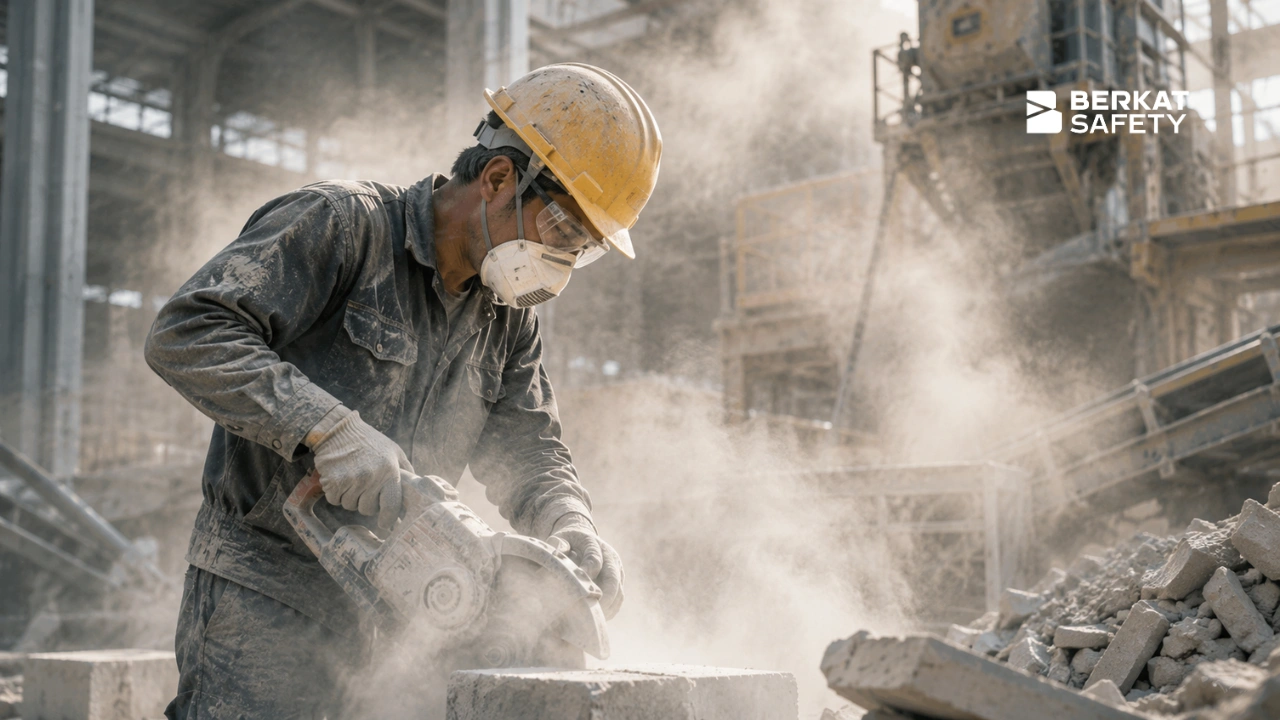
Dust masks are commonly used for activities such as construction, sanding, material cutting, drilling, and material processing that generates airborne particles.
However, not all dust masks provide the same level of protection. Users should therefore check the product specifications and classification before using one in a particular work environment.
2. Disposable Respirator
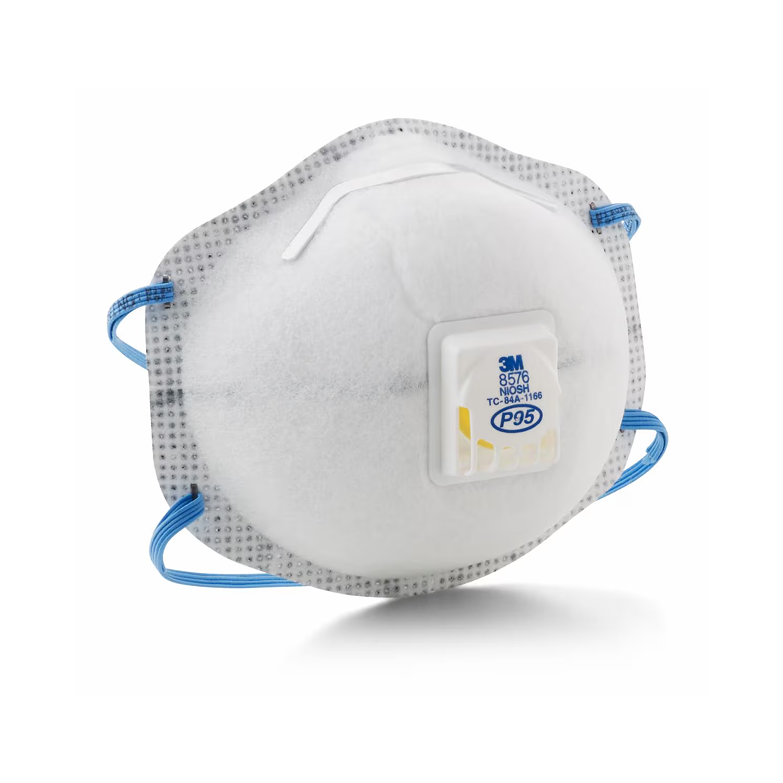
A disposable respirator is designed for limited or single use according to the product's instructions and requirements. This type is generally used in work environments with exposure to certain particulates.
Disposable respirators can come in different designs, including cup-shaped and foldable models. Products may also be available in different filtration classifications depending on the applicable standard.
Because they are practical and do not require components such as cartridges to be assembled, disposable respirators are widely used in various industrial activities. Even so, their use and service life should always follow the manufacturer's instructions.
3. Particulate Respirator
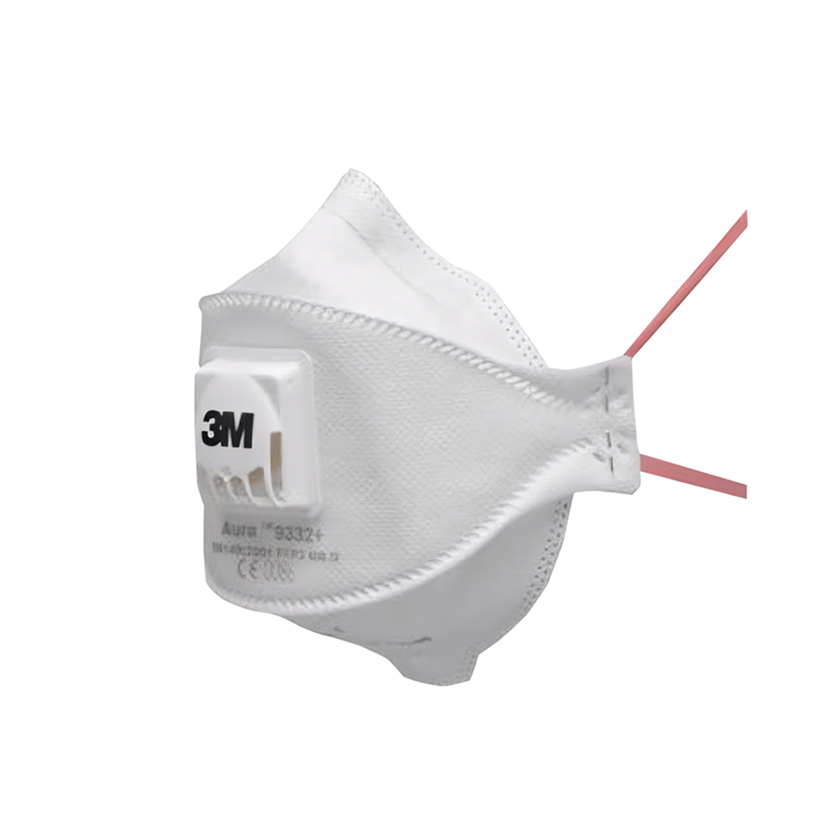
A particulate respirator is respiratory protective equipment designed to help filter certain particles from the air. Potential contaminants include dust and particulates generated by various work activities.
Particulate respirators can be used in sectors such as construction, manufacturing, material processing, and other work that generates airborne particles.
Particulate respirators are available with different protection levels and classifications. Therefore, it is important to understand the product specifications and type of hazard before selecting a respirator.
4. N95 Mask
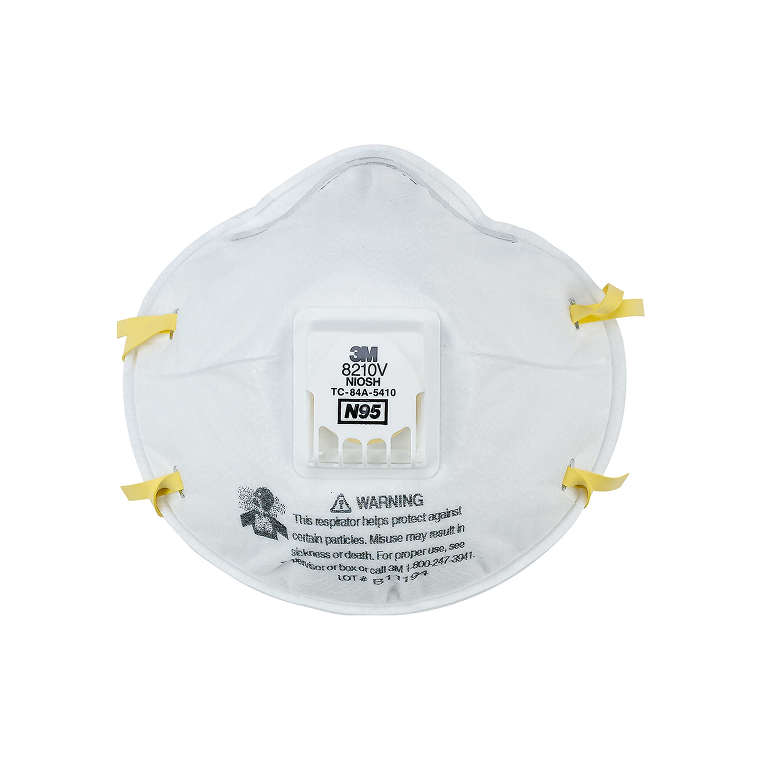
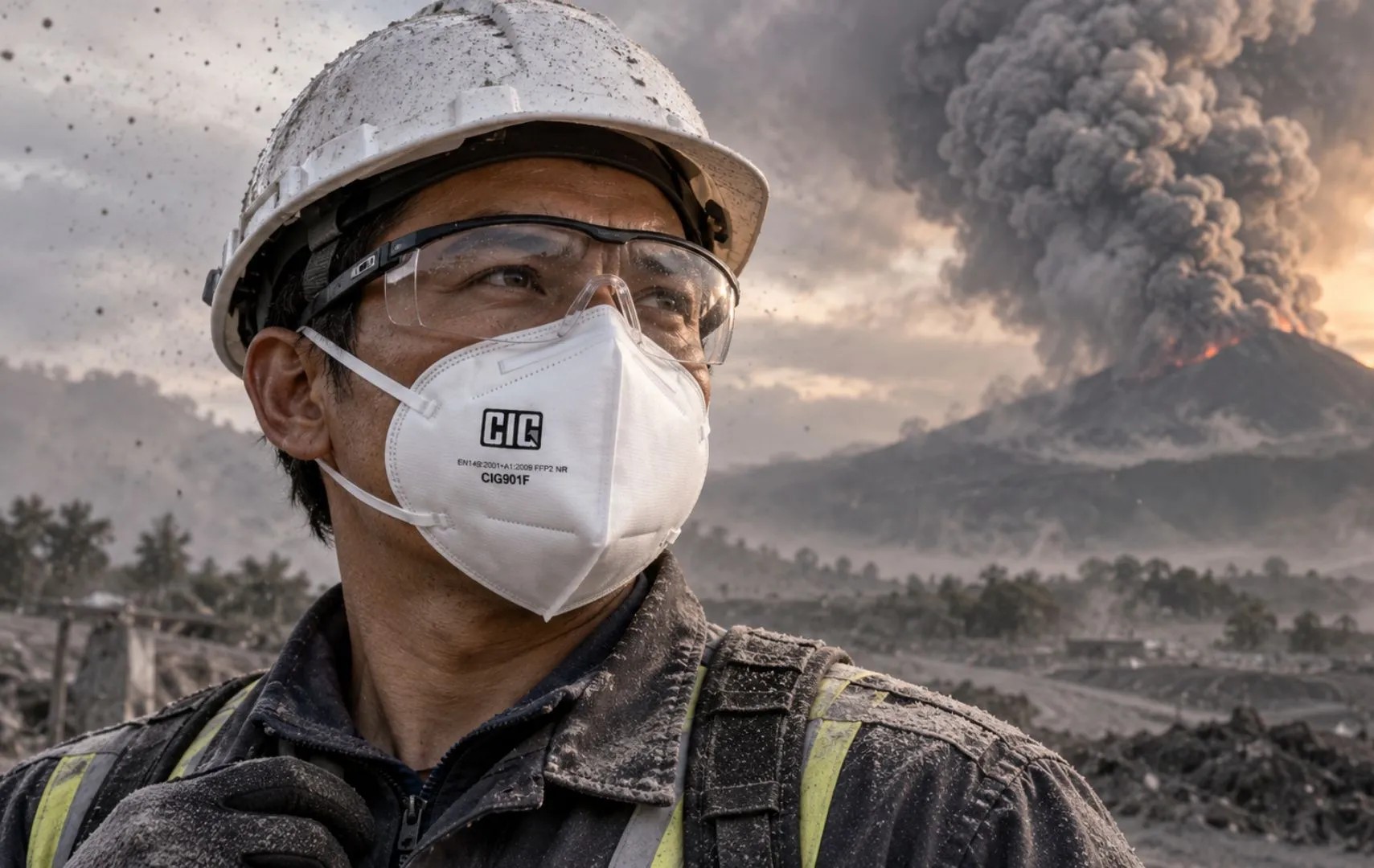
An N95 mask is a well-known type of particulate respirator. It is designed to help filter certain particles according to its classification and product standard.
In the workplace, respirators such as N95 masks can be used for activities that generate certain particulates. However, their use should still be matched to the type of hazard and protection needs at the worksite.
An N95 mask is not a solution for every type of contaminant. Protection against certain gases or vapors requires a respirator system and protective medium appropriate for the characteristics of the hazard.
5. Half Face Respirator
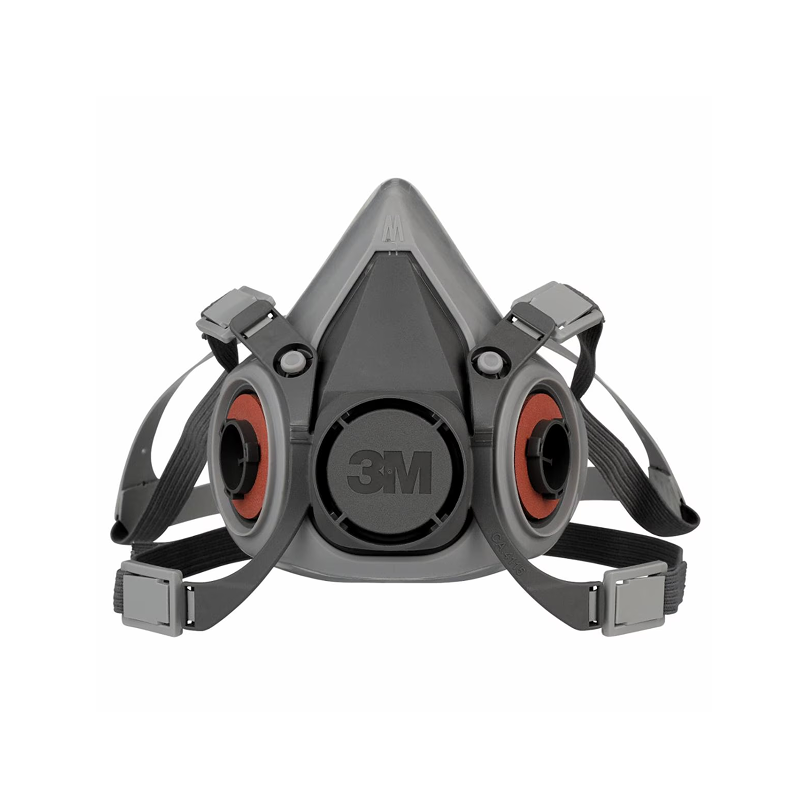
A half face respirator covers the nose and mouth. This type typically uses a filter or cartridge system selected according to respirator compatibility and protection needs.
One of the main advantages of a half face respirator is its flexibility. With certain products, protective components can be replaced according to the specifications and type of contaminant encountered.
Half face respirators are widely used in industrial environments, including work involving dust, particles, and certain contaminants that require a filter or cartridge system.
Proper use still requires attention to the fit of the respirator on the user's face so that the system can perform as designed.
6. Full Face Respirator

A full face respirator provides broader protection by covering the nose, mouth, and face. In addition to helping protect the respiratory system, its design can also protect the eyes and face from certain exposures according to the product specifications.
This type of respirator can be used in work environments that require broader protection than a half face respirator.
Like other respirators, a full face respirator can use specific filters or cartridges depending on its system and product compatibility.
Component selection should take into account the type of contaminant encountered and follow the manufacturer's instructions for use.
7. Respirator with Particulate Filters
Some respirators use particulate filters as part of their respiratory protection system. These filters are designed to help filter certain types of particles according to their product specifications.
This system can be found on reusable respirators that allow users to replace certain components after use according to product procedures and requirements.
Particulate filters must be used with compatible respirators. Users should also understand that a particulate filter does not automatically provide protection against all types of gases and vapors.
Therefore, the type of contaminant in the work environment should still be identified before selecting the protection system.
8. Respirator with Gas and Vapor Cartridges
Certain respirators use cartridges as a protective medium against specific contaminants, including gases or vapors, according to their product specifications.
Each cartridge can have different characteristics and functions. Therefore, the cartridge must be selected according to the type of contaminant present in the work environment.
This system is widely used for work involving chemicals, solvents, paints, industrial liquids, or other activities that may generate certain gases and vapors.
Users should not assume that one type of cartridge can be used for every contaminant. The label, product specifications, and manufacturer's instructions should be checked before use.
9. Powered Air Purifying Respirator (PAPR)
A Powered Air Purifying Respirator, or PAPR, is a respirator system that uses powered airflow to help move air through the respiratory protection system.
A PAPR uses components such as a blower and filter system according to its design. This system can be used for specific respiratory protection needs in the workplace.
Using a PAPR generally requires an understanding of its components, operating procedures, inspection, and system maintenance.
Because it is a more specialized protection system, its use should be aligned with the job requirements and the company's respiratory protection program.
10. Supplied Air Respirator (SAR)
A Supplied Air Respirator, or SAR, is a respiratory protection system that uses an air supply from an external source.
Unlike respirators that rely on filters or cartridges to clean the air around the user, an SAR supplies air through a dedicated system according to its design and intended use.
This type of respirator is used in certain work conditions that require a specialized respiratory protection system.
Because it involves an air-supply system and additional equipment, using an SAR requires appropriate procedures and proper system management to keep users safe.
Types of Safety Masks Based on Workplace Hazards
In addition to being categorized by design and system, safety masks and respirators can also be grouped according to the types of hazards found in the workplace.
Masks for Dust and Particles
Dust and particles can be generated by various activities, such as cutting, drilling, sanding, material processing, and construction work.
For certain particulate risks, respiratory protection may include a dust mask, disposable respirator, particulate respirator, or respirator with a particulate filter, depending on the hazard characteristics and product specifications.
The type of particles, exposure level, and workplace conditions can affect the protection required.
Masks for Smoke and Fumes
Smoke and fumes can be generated by certain processes, including welding and metal cutting.
For example, welding fumes can contain particles generated during the welding process. The risks workers face can vary depending on the material, work method, ventilation, and environmental conditions.
Respiratory protection should take into account the type of contaminant generated by the work process and the specifications of the respirator being used.
Respirators for Gases and Vapors
Gases and vapors can be present in various industrial activities, especially work involving chemicals, solvents, paints, cleaning agents, or certain production processes.
For certain contaminants, a respirator system may use a cartridge appropriate for the hazard and product specifications.
It is important to understand that protection against gases and vapors is different from protection against dust or particulates. The protective medium must match the characteristics of the contaminant.
Respirators for Special-Risk Environments
Some work environments require more specialized respiratory protection systems.
A PAPR can be used for certain needs that require powered airflow, while an SAR uses an air supply from an external source.
The use of these systems should be matched to the environmental conditions, type of work, safety procedures, and respiratory protection needs.
Find Masks and Respirators for Your Workplace Safety Needs
Every work environment has different respiratory hazards. Dust at construction sites, fumes from welding, and gases and vapors from chemicals require protection approaches tailored to the characteristics of each hazard.
By understanding the different types of safety masks, companies can more easily recognize the differences between dust masks, disposable respirators, particulate respirators, half face respirators, full face respirators, and more specialized respiratory protection systems such as PAPR and SAR.
Berkat Safety provides a range of respiratory protective equipment to support workplace safety across various industrial sectors. You can also learn more about respiratory hazards in the workplace to better understand the risks workers may face.
For product needs, various options are available, including particulate respirators, half face respirators, and full face respirators.
Make sure the respiratory protection used matches the type of hazard, product specifications, and workplace needs so that safety practices can be implemented more effectively.
FAQ
What are the different types of safety masks?
Types of safety masks and respiratory protective equipment include dust masks, disposable respirators, particulate respirators, N95 masks, half face respirators, full face respirators, respirators with particulate filters, respirators with cartridges, PAPR, and SAR.
What is the difference between a dust mask and a respirator?
Dust masks are generally used to help protect against exposure to certain types of dust, while respirators are respiratory protective equipment that can have different systems and protection levels, including filters or cartridges.
Is an N95 mask a respirator?
Yes. An N95 is a type of particulate respirator designed to help filter certain particles according to its classification and product specifications.
What is the difference between a half face and full face respirator?
The main difference is the coverage provided. A half face respirator covers the nose and mouth, while a full face respirator also covers the face and can help protect the eyes according to its design.
What is the function of a filter in a respirator?
A respirator filter is part of the protection system and helps filter certain contaminants according to the filter type and specifications. The filter used must be compatible with the respirator and appropriate for the risk involved.
What is the function of a respirator cartridge?
Cartridges are used with certain types of respirators as part of a protection system against contaminants such as gases or vapors according to the product specifications. Each cartridge can have a different function.