08/09/2026 02:46 AM
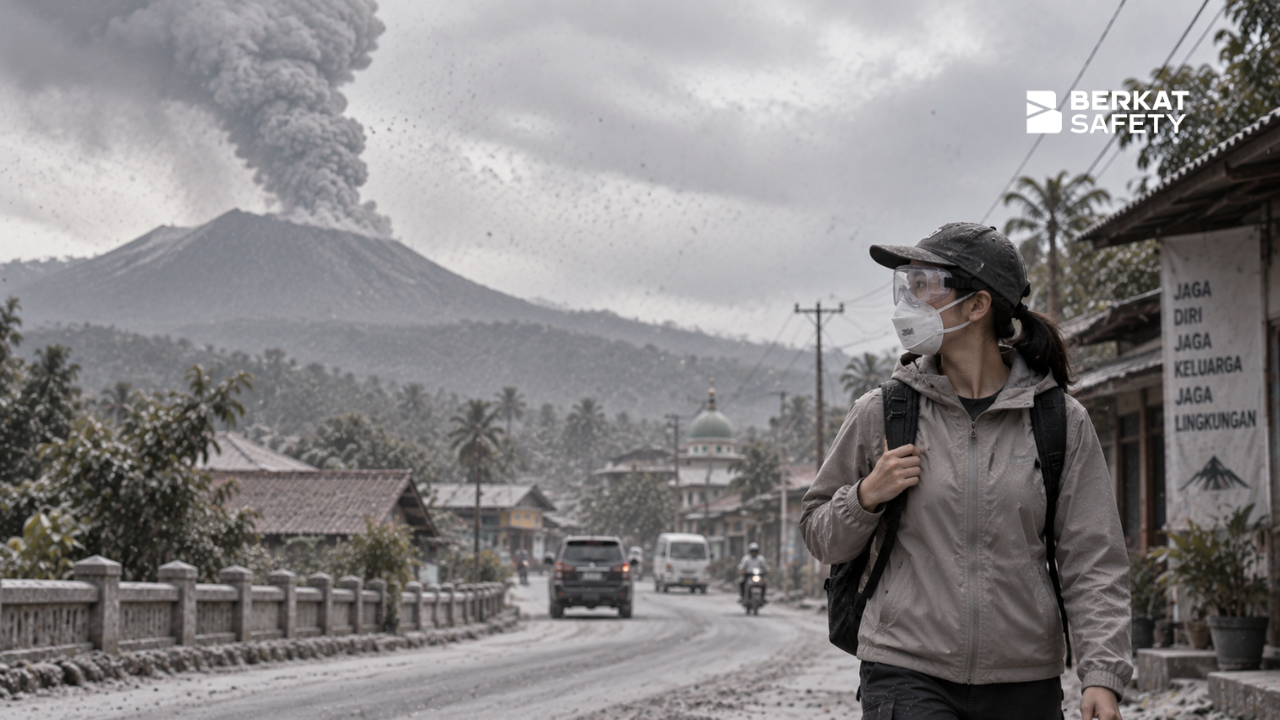
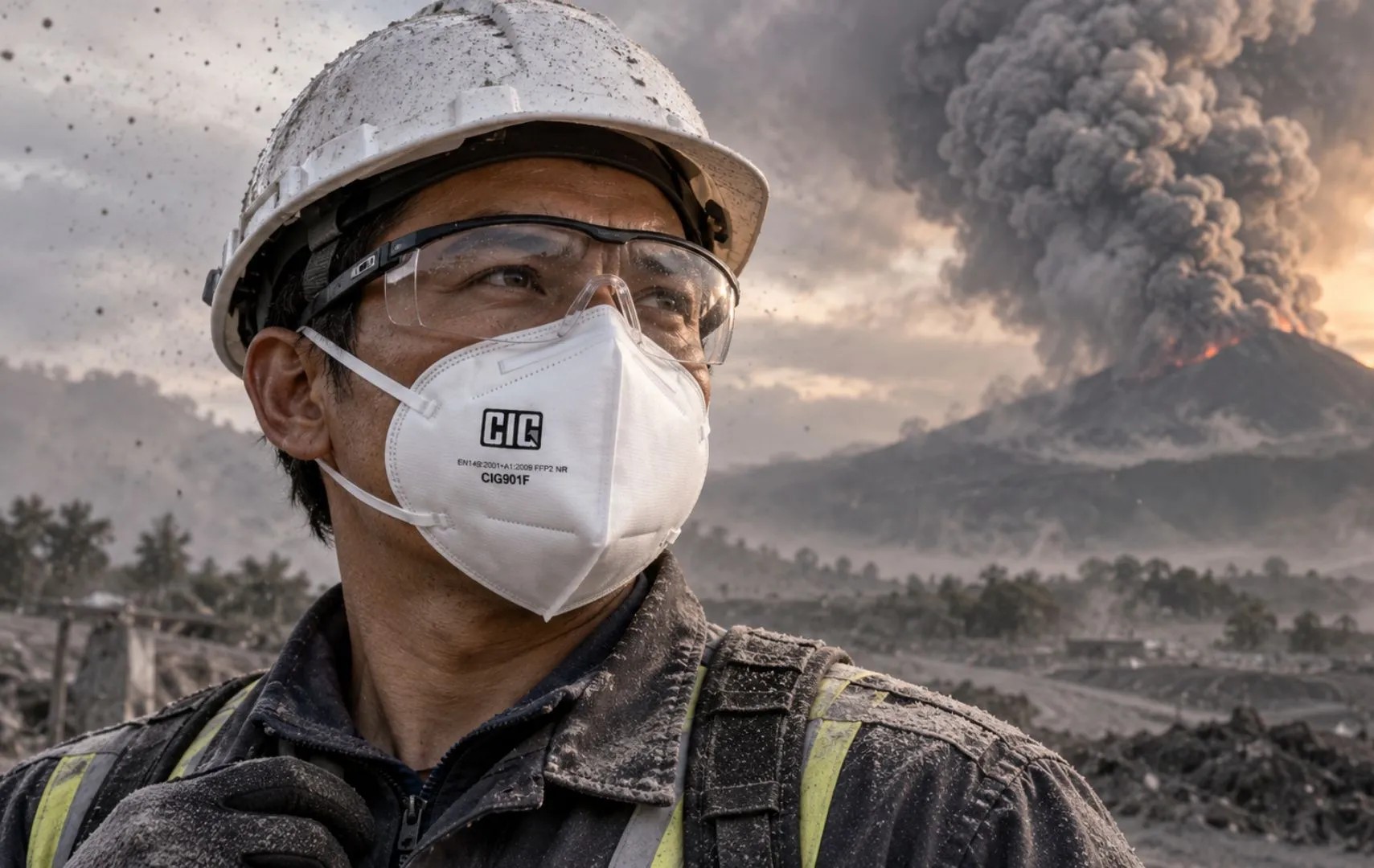
Volcanic ash can spread to areas around a volcano during an eruption. Its very fine particles can be carried by the wind and enter the air we breathe, so exposure to certain levels may affect the respiratory system.
For people in affected areas, reducing exposure to volcanic ash is an important step. This is especially relevant for those who still need to spend time outdoors or workers who have to carry out tasks in areas affected by volcanic ash.
Protection is not only about wearing a mask. There are several other steps you can take to reduce exposure and help protect your respiratory system. Here are some practical tips.
Tips for Protecting Your Respiratory System from Volcanic Ash Exposure
1. Wear a Suitable Mask or Respirator When Going Outside
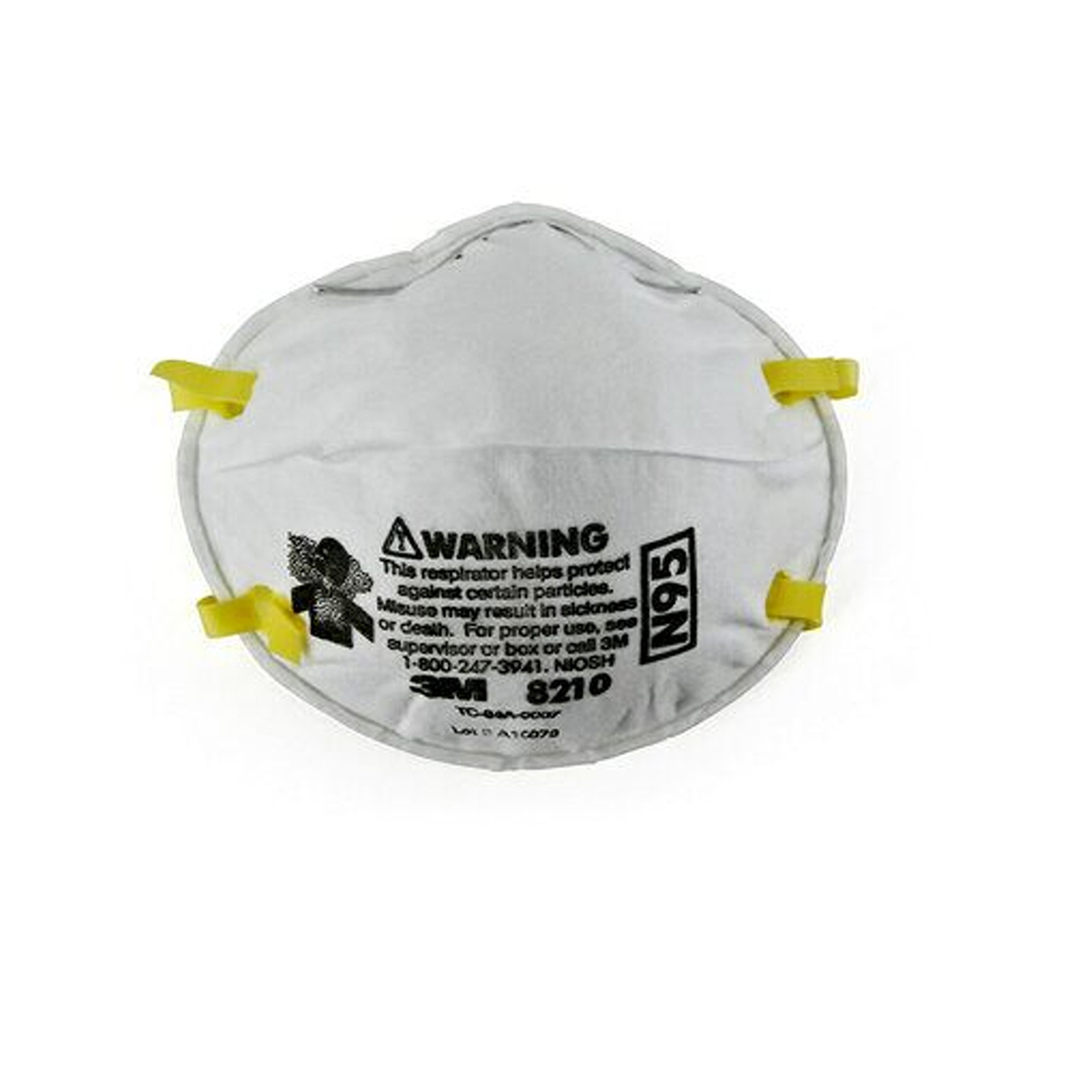
If you need to go outside when the air contains volcanic ash, use a mask or respirator designed to provide protection against particulate matter.
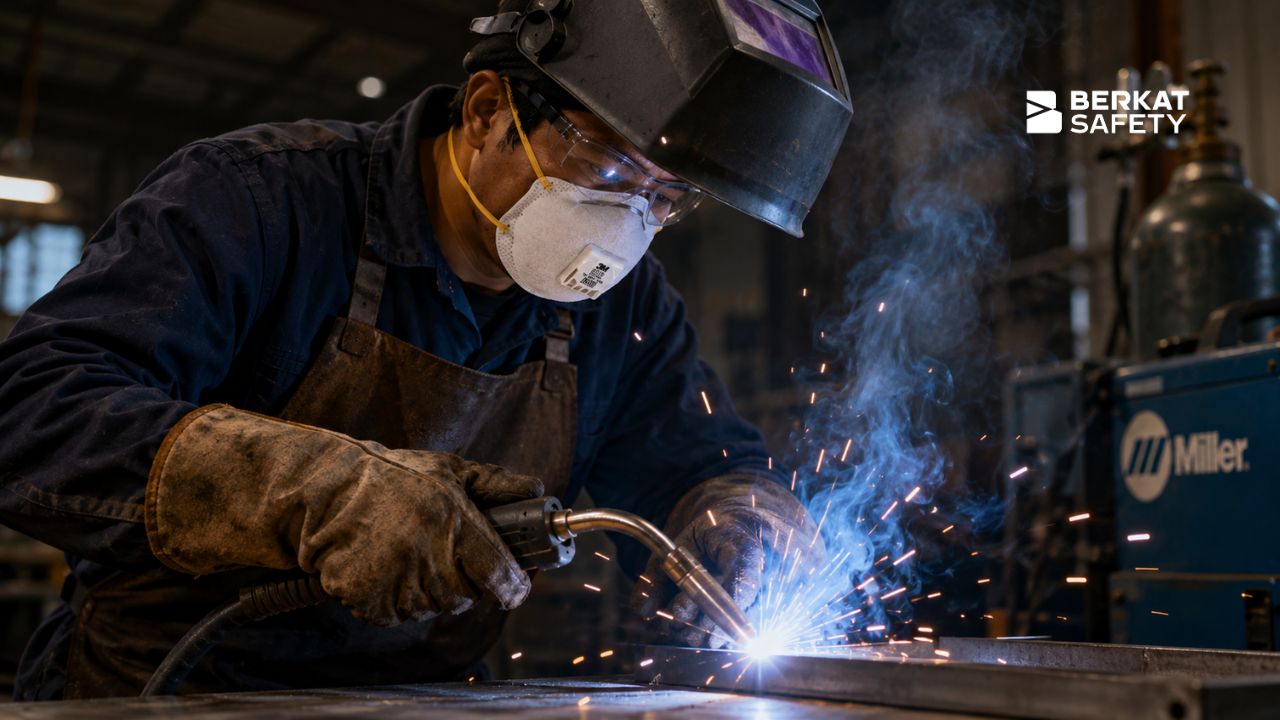
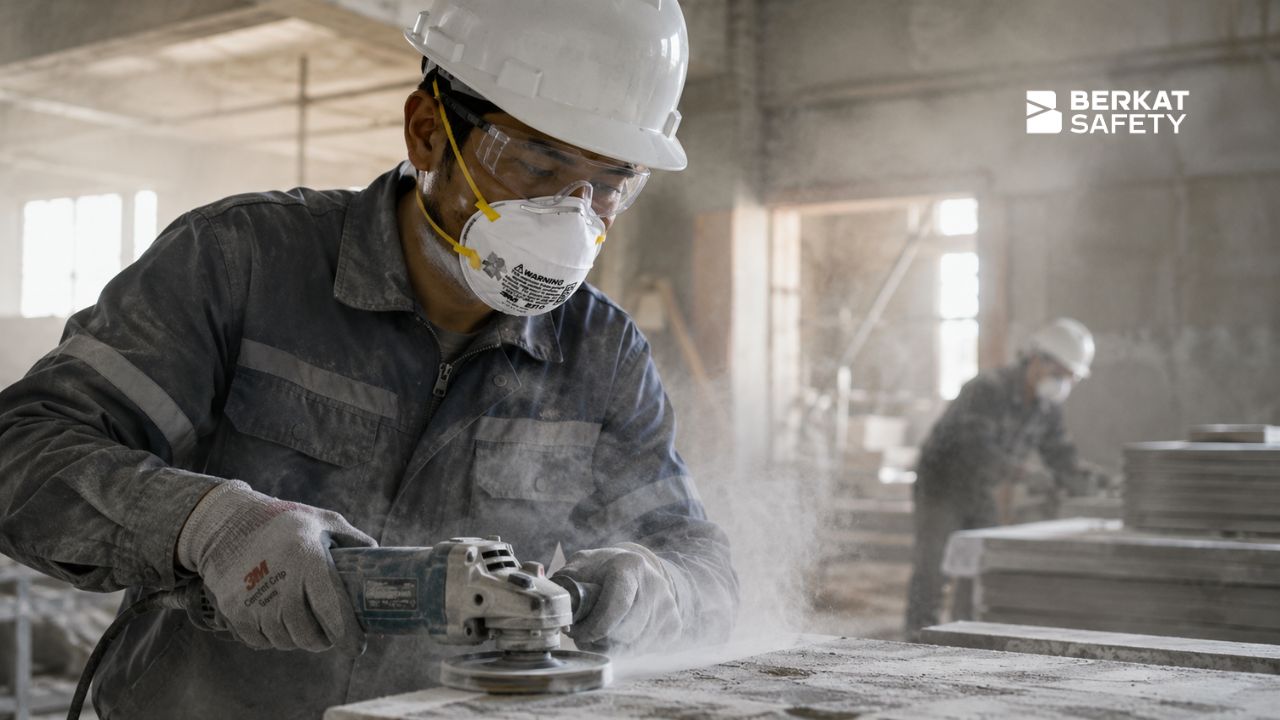
For particulate exposure such as volcanic ash, a suitable particulate respirator can help reduce the amount of particles you inhale. One type commonly recommended for particulate protection is an N95 respirator that meets applicable standards.
Do not choose a respirator based only on its shape or price. Pay attention to the product standard, filtration performance, size, and fit with your face.
A respirator also needs to be worn correctly. Make sure your nose and mouth are covered and that there are no large gaps between the respirator and your face.
If you want to learn more about different types of respiratory protection, you can read the article 10 Types of Safety Masks for Protecting Your Respiratory System in the Workplace.
2. Reduce Outdoor Activities
One of the simplest ways to reduce exposure to volcanic ash is to limit outdoor activities while ash is spreading.
If there is no urgent need to go outside, staying indoors can help reduce the duration of exposure. This is also important for people who may be more sensitive to the effects of poor air quality.
If you need to go outside for work or other essential activities, use suitable respiratory protection and limit the time you spend in areas with high levels of ash.
3. Close Doors and Windows When Ash Is Spreading
Volcanic ash can enter your home through doors, windows, and other openings. When there is a lot of ash outside, closing doors and windows can help reduce the amount of particulate matter entering the room.
Avoid opening windows simply to bring in outside air when the air contains a lot of ash. If possible, stay in a room that is better protected from outdoor exposure.
This simple step can help reduce exposure, especially when you need to remain indoors while ash is still spreading.
4. Protect Your Eyes from Ash Exposure

Volcanic ash can affect more than your breathing and may also irritate the eyes. That is why protection should not focus only on the nose and mouth.
When you need to work or move around in an area with ash, use safety goggles or suitable eye protection to help reduce direct contact between ash particles and your eyes.
For workplace eye protection needs, you can explore the various eye protection options available from Berkat Safety.
Eye protection becomes even more important when working in areas with high ash concentrations or where settled ash may become airborne again.
5. Avoid Activities That Make Settled Ash Airborne Again
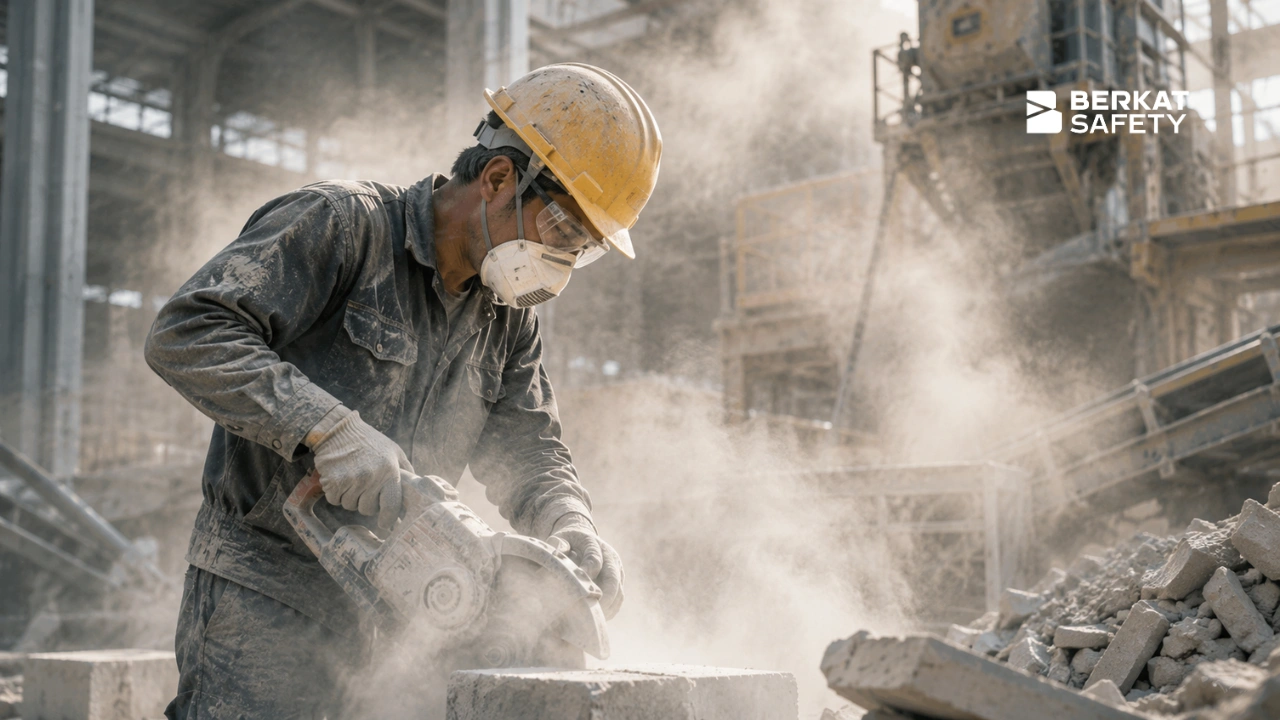
Ash that has settled on roads, yards, roofs, or other surfaces can become airborne again when exposed to wind or disturbed by human activity.
For this reason, avoid unnecessary activities in areas with heavy ash deposits. When cleaning, use methods that minimize the amount of ash becoming airborne again.
This matters because exposure does not only happen when ash initially falls. Settled ash can also become a source of airborne particulate matter when it is disturbed.
If cleaning must be carried out as part of your work, use respiratory protection and PPE appropriate for the risks involved.
6. Use Additional PPE If You Need to Work in an Affected Area
A mask or respirator is one part of protection, but additional PPE may be needed in certain conditions.
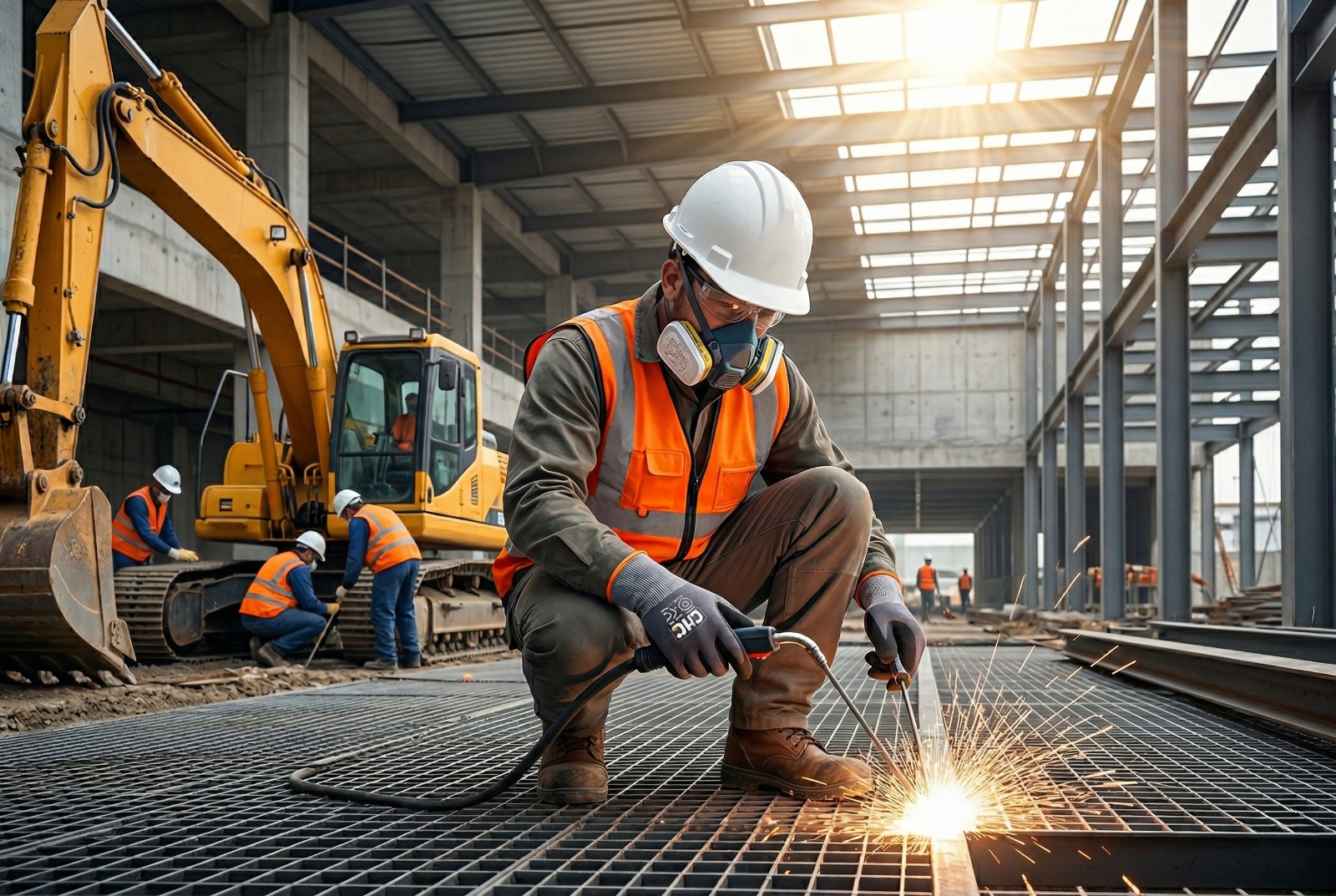
The type of protection used should match the activity and potential hazards involved. In addition to respiratory protection, workers may need:
- Safety goggles to help protect the eyes.
- Safety gloves to protect the hands.
- Safety shoes to protect the feet.
- Suitable work clothing to help reduce direct contact with ash.
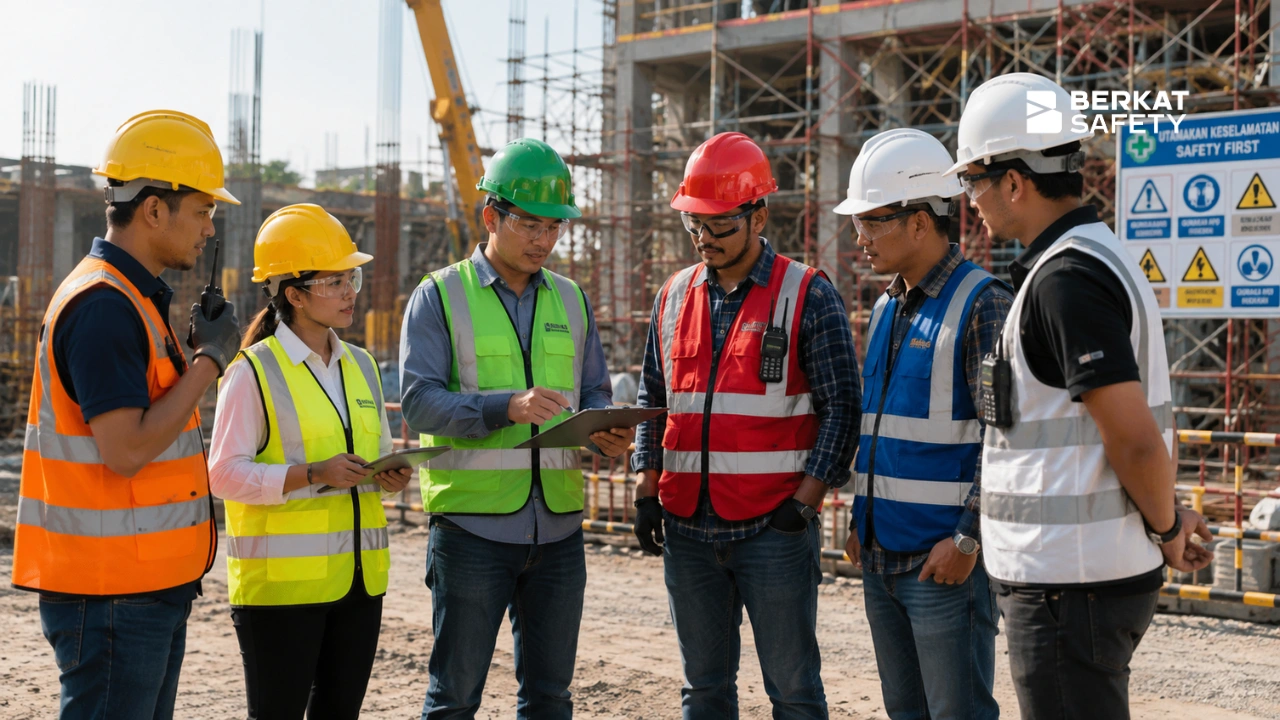
For companies, PPE selection should be based on hazard identification and risk assessment rather than simply using the same equipment for every type of job.
Berkat Safety provides various categories of personal protective equipment (PPE) that can be matched to workplace protection needs.
7. Follow Information and Guidance from the Authorities
Using PPE does not mean you can ignore environmental conditions or safety instructions.
During a volcanic eruption, always pay attention to the latest information about volcanic activity, ash direction, affected areas, and recommendations from the authorities.
If authorities advise you to avoid certain areas or evacuate, follow those instructions. Do not take unnecessary risks by staying in a hazardous area simply because you are wearing a mask or PPE.
The most effective protection still starts with reducing or avoiding exposure whenever possible.
Do Not Ignore Respiratory Protection When Exposed to Volcanic Ash
Volcanic ash can be carried by the wind and spread well beyond the eruption source. Inhaled particles can affect the respiratory system, especially when someone is exposed to high levels of ash or needs to spend time outdoors.
For this reason, protection should be approached as a whole. Reduce outdoor activities when conditions are unfavorable, close doors and windows, use a suitable respirator when you need to go outside, and use additional protection such as eye protection and other PPE as needed.
For workplace protection, PPE selection should still consider the type of work, potential hazards, level of exposure, and specifications of the products being used.
Berkat Safety provides a range of workplace safety equipment and PPE to support respiratory, eye, hand, foot, and other body protection needs across various work environments.
FAQ
Is it safe to go outside during an ashfall?
It is best to reduce outdoor activities while volcanic ash is spreading. If you need to go outside, use suitable respiratory protection and limit your exposure time.
Why can volcanic ash affect breathing?
Volcanic ash contains very fine particles that can become airborne. When inhaled, these particles can irritate the nose, throat, and respiratory system.
Do you need to use eye protection during an ashfall?
Yes. Volcanic ash can irritate the eyes. Suitable eye protection can help reduce direct contact between ash particles and the eyes.
What should you do if volcanic ash gets into your home?
Close doors and windows to reduce ash entering from outside. Avoid activities that make settled ash airborne again and follow information from the authorities about conditions in the area.
Is respiratory protection alone enough when you are in an affected area?
Not always. The protection required depends on the conditions and the activity being performed. In addition to respiratory protection, eye, hand, foot, and other body protection may be needed based on hazard identification and risk assessment.