13/10/2026 02:51 AM

Rubber gloves are a type of hand protection commonly used to help protect workers from direct contact with liquids, oils, certain chemicals, and materials that may cause irritation or hand injuries. Different types of rubber are used, so the protective characteristics of each glove can vary.
In the workplace, rubber gloves come in various forms and materials, including latex, nitrile, neoprene, butyl rubber, and rubber coated gloves. Each has different characteristics and uses depending on the type of work and potential hazards involved.
So, what types of rubber gloves are available, and what is each type used for? Here is the explanation.
What Are Rubber Gloves?
Rubber gloves are hand protection products that use rubber-based materials as the main part of their construction or as a protective coating. These materials provide characteristics such as flexibility, grip, resistance to liquids, or protection against certain substances.
Rubber gloves are widely used, from general work to activities that require specialized protection. However, not all rubber gloves offer the same level of protection.
For example, nitrile gloves can offer resistance to oils and certain chemicals, while latex gloves are better known for their flexibility and tactile sensitivity. That is why the material type is an important factor when understanding the function of rubber gloves.
Berkat Safety's hand protection category offers various types of gloves for hand protection needs based on the characteristics of the job.
5 Types of Rubber Gloves and Their Uses
Here are some common types of rubber gloves based on their materials and construction.
1. Latex Gloves

Latex gloves are made from natural rubber latex and are known for their flexibility and comfort during work that requires frequent hand movement.
Latex material can also provide good tactile sensitivity, making it suitable for activities that require control and precision.
The main uses of latex gloves include:
- Work that requires hand flexibility
- Light handling
- Activities that require tactile sensitivity
- General work involving certain contact risks
Although latex gloves have several advantages, they should not be considered suitable for every type of work or chemical. Their use should still be matched to the product specifications and potential workplace risks.
2. Nitrile Gloves

Nitrile gloves are a type of synthetic rubber glove that is widely used in various work environments. Nitrile is known for characteristics that suit work involving oils, liquids, and certain substances.
At Berkat Safety, nitrile gloves are available in various constructions and protection levels. One example is Ansell AlphaTec® 58-435, which uses a nitrile shell and is designed to provide grip in wet or oily conditions as well as protection against certain chemicals according to its specifications.
The main uses of nitrile gloves include:
- Handling oily materials
- Maintenance work
- Component handling
- Work involving certain liquids
- Work that requires grip
- Handling certain chemicals according to the product specifications
Berkat Safety also provides various chemical glove options from brands such as Ansell and CIG, with materials including nitrile and PVC. Protection levels can vary between products, so product specifications should be checked before use.
3. Neoprene Gloves
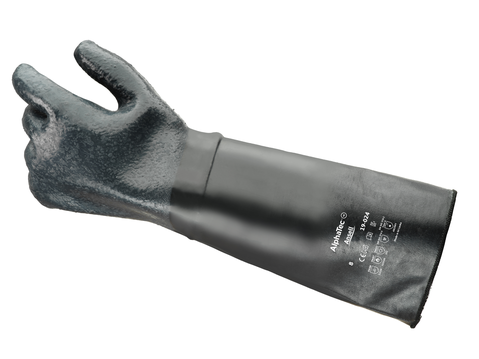
Neoprene is a synthetic rubber material used in certain gloves for specialized protection needs. It can be found in gloves designed for specific working conditions, including work involving chemicals.
Neoprene gloves can be an option for work that requires protection against certain substances, but their resistance still depends on the material formulation, thickness, construction, and product specifications.
Their main uses may include:
- Handling certain chemicals
- Laboratory work
- Maintenance work
- Industrial activities involving potential exposure to certain liquids
For these applications, users should check the product's chemical resistance data rather than choosing based only on the material name.
You can view various chemical glove options from Berkat Safety to find products with protection specifications suited to your work requirements.
4. Butyl Rubber Gloves
Butyl rubber is a synthetic rubber with specialized characteristics that is used for certain applications, including protection against specific chemicals.
Unlike rubber gloves intended for general work, butyl gloves are more suited to applications that require specific material characteristics. Their use should therefore be based on the substance being handled and the product’s compatibility data.
The main uses may include:
- Handling certain chemicals
- Industrial processes with specific exposure risks
- Certain laboratory activities
- Work that requires protective material with specialized characteristics
It is important not to assume that all butyl gloves are automatically resistant to every chemical. Selection should always follow the manufacturer's specifications and recommendations.
5. Rubber Coated Gloves
Unlike the types above, which refer to the glove's primary material, rubber coated gloves are gloves with a rubber coating applied to certain areas, usually the palm and fingers.
This coating can help provide grip while adding protection against contact with work surfaces.
The main uses of rubber coated gloves include:
- Material handling
- Manufacturing work
- Warehousing
- Maintenance
- Assembly
- Work that requires grip
This type of glove is more accurately classified as work gloves with a rubber coating, rather than gloves made entirely of rubber.
Berkat Safety provides various Work Gloves for industrial needs, including gloves with different materials and characteristics for manufacturing, maintenance, handling, construction, and other technical applications.
Types of Rubber Gloves Based on Their Main Uses
When viewed by their main uses, each type of rubber glove has different characteristics.
|
Glove Type |
Main Use |
|
Latex |
Flexibility and work requiring tactile sensitivity |
|
Nitrile |
Oil, liquids, handling, and certain substances |
|
Neoprene |
Protection against certain chemicals |
|
Butyl Rubber |
Applications requiring specific material resistance |
|
Rubber Coated |
Handling, grip, and general industrial work |
The table above is a general overview. A single material type can have different formulations and constructions, so its protection level may not always be the same.
For gloves used when handling chemicals, factors such as the type of chemical, concentration, temperature, contact duration, thickness, and product specifications can affect protective performance. Berkat Safety also explains that chemical gloves do not provide protection against every type of chemical.
Find Rubber Gloves for Your Work Requirements
Rubber glove selection should be matched to the type of work, material being handled, potential hazards, and the product’s protection specifications. No single glove type is suitable for every working condition.
Berkat Safety provides various hand protection options to support hand protection needs in different industrial environments. Options include Chemical Gloves, Work Gloves, and Multi Purpose Gloves from various brands.
For work involving specific risks, Berkat Safety also provides other hand protection categories, such as Welding Gloves for welding and fabrication activities.
By understanding the differences between rubber glove types and their uses, companies can choose hand protection that better matches the characteristics of the job and workplace risks.
FAQ About Rubber Gloves
Are latex gloves considered rubber gloves?
Yes. Latex is a natural rubber-based material commonly used to make gloves. Its flexibility makes it suitable for various types of work.
What is the difference between rubber gloves and nitrile gloves?
Nitrile is a synthetic rubber, while latex comes from natural rubber. Both have different characteristics and can be used for different work requirements.
Are all rubber gloves resistant to chemicals?
No. Chemical resistance depends on the material, formulation, thickness, construction, and product specifications. The type of chemical and exposure conditions should also be considered.
Can rubber gloves be used for industrial work?
Yes, certain types can be used for industrial work. However, selection should follow the risks involved. Certain work gloves may be suitable for general handling, while chemical work requires appropriate chemical gloves.
Can rubber gloves be reused?
It depends on the product design and specifications. Gloves intended for repeated use should be cleaned, inspected, and maintained according to the manufacturer's instructions. Disposable gloves should not be reused.