17/06/2026 07:08 AM
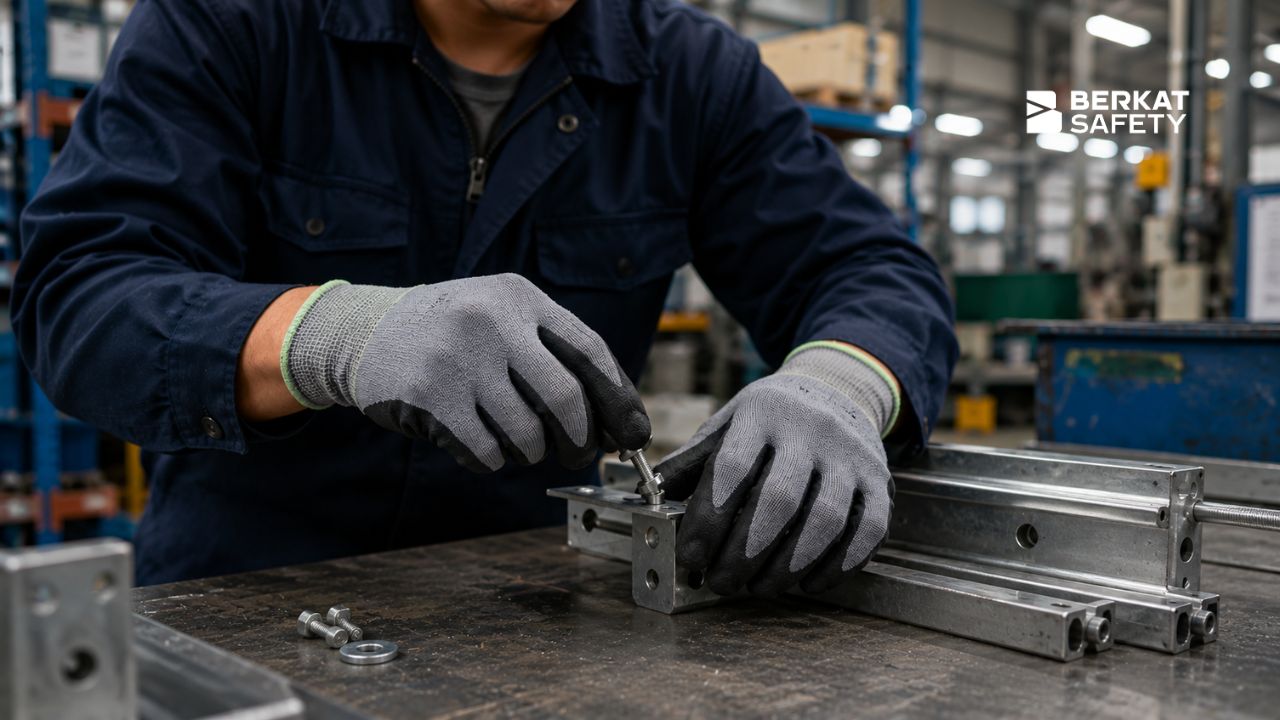
Hands are one of the most frequently used parts of the body at work. Nearly every work activity—from operating equipment, moving materials, performing machine maintenance, to handling chemicals—involves direct use of the hands. Therefore, hands are among the body parts most vulnerable to injury due to various potential hazards in the workplace.
To reduce this risk, workers need to use appropriate personal protective equipment (PPE), one of which is safety gloves. The use of safety gloves not only helps protect hands from injury but also supports the implementation of occupational safety and health (OSH) practices across various industrial sectors.
So, what are the functions of safety gloves, and why is their use so important in the workplace? Read on to find out.
What Are Safety Gloves?
Safety gloves are personal protective equipment specifically designed to protect hands from various potential hazards while working. These products are made from specific materials tailored to job-related risks, such as heat, chemicals, sharp objects, electricity, and mechanical friction.
Safety gloves are widely used across various industrial sectors, including construction, manufacturing, mining, oil and gas, logistics, laboratories, and the food processing industry. By using the appropriate gloves, workers can perform their tasks more safely and comfortably without compromising productivity.
The Role of Safety Gloves in Workplace Safety
1. Protecting Hands from Cuts and Punctures
One of the primary functions of safety gloves is to protect hands from sharp objects that can cause cuts or punctures. This risk is common in jobs involving metal, glass, industrial knives, wire, or other sharp tools.
Safety gloves help reduce the likelihood of injury by providing an additional layer of protection between the hands and the source of danger.
2. Reducing the Risk of Friction and Abrasion
Jobs involving material handling, the use of heavy machinery, or contact with rough surfaces can cause repeated friction on the skin of the hands. This can lead to blisters, irritation, and even abrasions.
Wearing safety gloves helps protect the skin from wear caused by friction, ensuring hands remain protected while working.
3. Protecting Against Extreme Heat and Cold
In certain types of work, workers must deal with extremely high or low temperatures. Examples include welding, metal casting, or working in cold storage facilities.
Safety gloves designed for thermal protection help shield hands from burns, excessive heat exposure, and injuries caused by extreme cold.
4. Protecting Against Exposure to Hazardous Chemicals
Many industries use chemicals that can cause irritation, burns, or health problems if they come into direct contact with the skin.
Safety gloves act as a barrier between the hands and hazardous chemicals, thereby minimizing the risk of direct contact. Therefore, the use of gloves is essential in laboratories, the chemical industry, the pharmaceutical industry, and certain manufacturing sectors.
5. Protecting Against the Risk of Electric Shock
Work involving electrical installations and high-voltage equipment carries the risk of electric shock.
For such tasks, specialized gloves with electrical insulation properties are required. These gloves help reduce the risk of injury from contact with electrical currents during the installation, repair, or maintenance of electrical equipment.
6. Improving Grip While Working
In addition to providing protection, safety gloves also help improve grip when handling tools or work materials.
Anti-slip features or special textures on the glove surface allow workers to hold objects more securely, especially in slippery, oily, or damp work environments.
7. Reducing the Risk of Contamination
In the food, healthcare, pharmaceutical, and laboratory industries, safety gloves serve to reduce the risk of contaminant transfer between workers’ hands and the products being handled.
Proper use of gloves helps maintain cleanliness, product quality, and compliance with applicable hygiene standards.
8. Supporting the Implementation of a Workplace Health and Safety Culture
The use of safety gloves is not only about individual protection but also reflects compliance with workplace safety procedures.
When workers consistently use appropriate PPE, companies can build a stronger health and safety culture, reduce workplace accident rates, and create a safer work environment for everyone.
9. Helps Reduce Hand-Arm Vibration
In some work environments, employees regularly operate vibrating power tools such as grinders, drills, jackhammers, chainsaws, and other heavy equipment. Prolonged exposure to vibration can increase the risk of developing Hand-Arm Vibration Syndrome (HAVS) and other vibration-related disorders.
Certain types of safety gloves are designed with specialized padding or vibration-dampening materials that help reduce the amount of vibration transmitted to the hands. This additional protection can improve comfort during extended use while helping reduce the risk of vibration-related injuries.
10. Protects Hands from Impact Injuries
In addition to protecting against cuts and abrasions, some safety gloves are specifically designed to help protect the back of the hand from impact injuries. These gloves are typically equipped with Thermoplastic Rubber (TPR) or similar impact-resistant materials that help absorb and disperse the force of accidental impacts.
Impact-resistant gloves are commonly used in industries such as oil and gas, mining, construction, and heavy equipment maintenance, where workers are frequently exposed to the risk of striking their hands against tools, machinery, or heavy materials.
Why Is Wearing Safety Gloves So Important?
Preventing Work-Related Hand Injuries
Hands are a part of the body that are heavily used in various work activities. Hand injuries can hinder work and even significantly reduce worker productivity.
By wearing the right safety gloves, the risk of injury can be reduced, allowing workers to work more safely.
Improving Workplace Safety and Comfort
Safety gloves not only provide protection but also help enhance comfort while working. Ergonomic materials and appropriate designs allow workers to perform tasks more freely without compromising protection.
Helping Meet Occupational Safety Standards
Many companies require the use of safety gloves as part of implementing occupational safety standards and complying with occupational safety and health (OSH) regulations.
The proper use of PPE demonstrates a company’s commitment to protecting workers from various workplace risks.
Boosting Worker Productivity
Workers who feel safe and protected tend to work with greater focus and confidence. This has a positive impact on productivity and the quality of the work produced.
Types of Safety Gloves and Their Functions
1. Multi-Purpose Gloves

Multi-purpose gloves are designed to provide basic protection against common workplace risks such as friction, dirt, and minor impacts. This type of glove is widely used in warehousing, logistics, light manufacturing, and other general work settings.
2. Chemical-Resistant Gloves
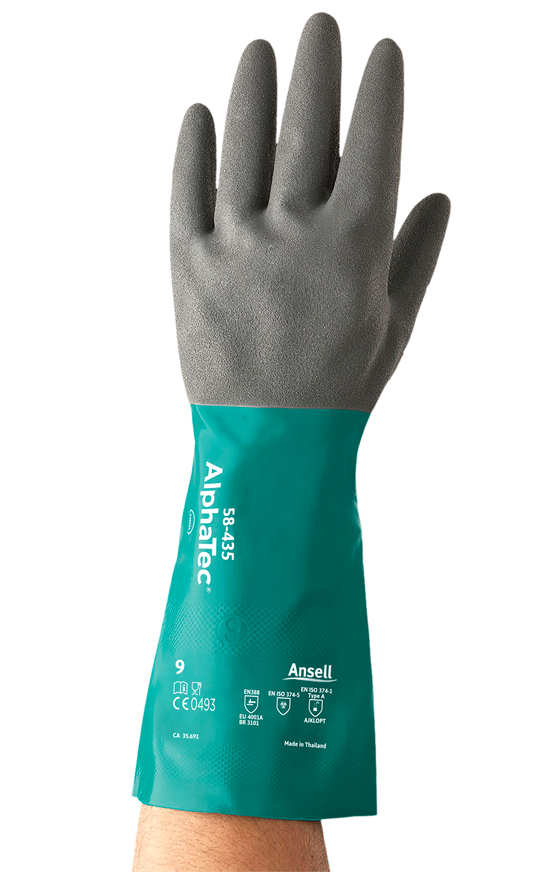
Chemical-resistant gloves are used to protect hands from exposure to chemical liquids, solvents, oils, and other hazardous substances. This type is commonly used in laboratories, the chemical industry, the petrochemical industry, and various sectors involving hazardous chemicals.
3. Welding Gloves

Welding gloves are designed to protect hands from high heat, sparks, molten metal spatter, and mechanical hazards during the welding process.
This type of glove is usually made of high-quality leather that is heat-resistant and abrasion-resistant, making it suitable for use in the metal fabrication and construction industries.
4. Work Gloves
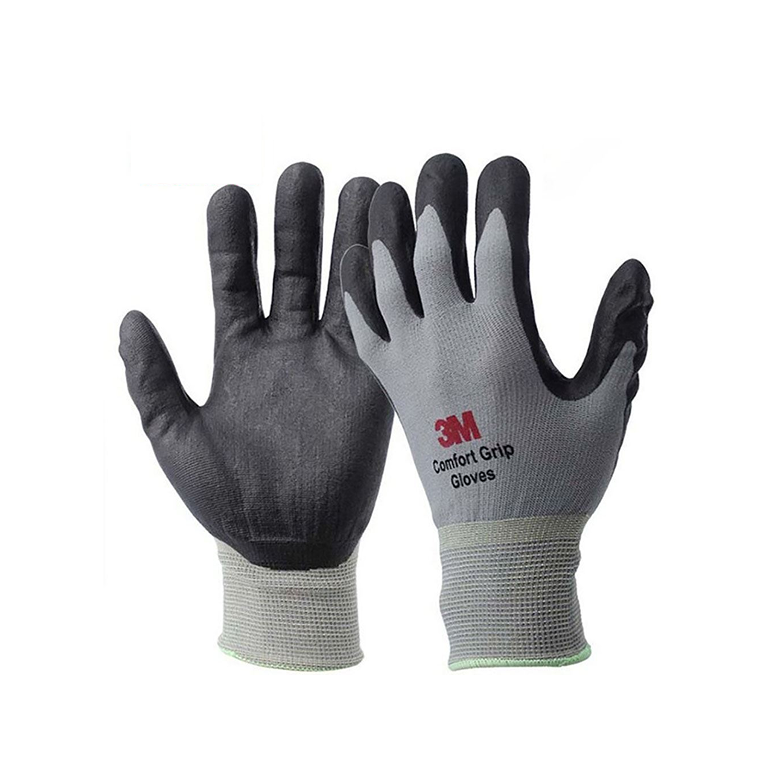
Work gloves are the most widely used type across various industrial sectors. Their function is to protect hands from friction, abrasion, and minor impacts, as well as to improve grip while working.
These gloves are commonly used by construction workers, mechanics, manufacturing workers, logistics personnel, and those in other field-based jobs.
When Are Safety Gloves Required?
When Handling Sharp Materials
Materials such as metal, glass, wire, and other sharp objects can cause serious injuries if handled without adequate protection.
When Working with Chemicals
Wearing gloves is essential to prevent direct contact between the skin and hazardous chemicals that can cause irritation or chemical burns.
When Welding
Welding generates intense heat and sparks that can potentially injure the hands if appropriate gloves are not worn.
When Operating Equipment and Machinery
Wearing gloves can help improve grip and reduce the risk of injury from contact with work equipment.
When Working in Construction and Heavy Industry
Work environments such as construction sites, mining operations, and manufacturing facilities present various potential hazards that require workers to wear safety gloves as part of mandatory PPE.
3M Safety Gloves for Hand Protection in the Workplace
One of the most widely used brands across various industrial sectors is 3M safety gloves. 3M’s hand protection products are designed to help protect workers from various workplace risks, ranging from friction and abrasion to common mechanical hazards found in industrial environments.
3M safety gloves are available in a variety of options that can be tailored to specific job requirements and the level of risk involved. In addition to prioritizing protection, 3M products are also designed with user comfort in mind so that workers can move freely and work for longer periods of time.
With high-quality materials and ergonomic designs, 3M safety gloves have become one of the most widely used hand protection solutions in the manufacturing, construction, logistics, and facility maintenance sectors, as well as in various other industries that prioritize workplace safety.
Conclusion
Safety gloves play a vital role in supporting workplace safety across various industrial environments. From protecting hands from cuts, chemical exposure, and extreme temperatures to improving grip while working, safety gloves are an essential piece of personal protective equipment that cannot be overlooked.
In addition to providing protection against various workplace hazards, the use of safety gloves also helps improve comfort and productivity, while supporting the implementation of a stronger occupational safety and health (OSH) culture in the workplace. Therefore, every worker must use the type of gloves appropriate for the potential hazards they face.
As a trusted provider of workplace safety equipment, Berkat Safety offers a wide range of safety gloves for industrial needs, from multipurpose gloves and chemical-resistant gloves to welding gloves and work gloves designed to provide optimal protection for workers across various industrial sectors.