20/11/2026 03:50 AM
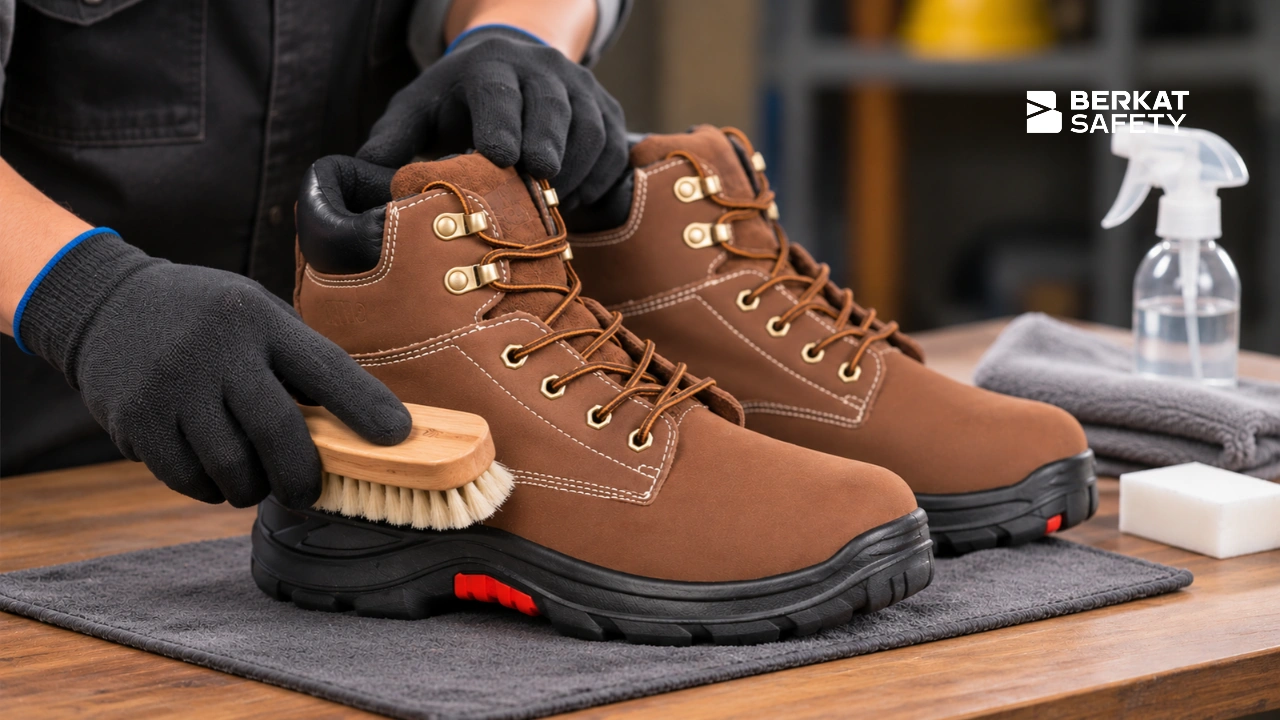
Nubuck leather shoes have a distinctive appearance, with a soft, smooth, slightly napped surface. These characteristics make nubuck a popular material for various types of footwear, including safety shoes. However, its texture also means that the material requires special care to prevent dirt buildup, discoloration, and damage.
Unlike regular leather, which has a relatively smooth surface, nubuck should not be cleaned with just any brush or cleaning solution. Using unsuitable products can damage its surface texture and leave stains.
So, how do you clean nubuck leather shoes properly? This article covers the tools you need, step-by-step cleaning instructions, and care tips to keep nubuck shoes clean and in good condition, including safety shoes worn at work.
Tools Needed to Clean Nubuck Shoes
Cleaning nubuck shoes requires more than just a damp cloth and regular soap. It is best to use products specifically designed for nubuck to avoid damaging the fine fibers on the surface.
Here are some tools you can use:
1. Nubuck Brush
A nubuck brush is a specialized brush with bristles designed to remove dust and dirt from nubuck surfaces. It can also help restore the fine texture when it has become slightly flattened through use.
2. Nubuck Eraser
A nubuck eraser is a specialized eraser used to remove dry stains, scuff marks, and dirt from the leather surface. Use it gently to avoid damaging the material's texture.
3. Nubuck Cleaner
Nubuck cleaner is a cleaning solution formulated for nubuck and suede. It can help remove stains that cannot be lifted with a brush or specialized eraser alone.
4. Nubuck Protector
A nubuck protector is an additional care product that helps protect the material's surface. Some products are formulated to reduce the absorption of water and dirt. Make sure you choose a protector suitable for nubuck and follow its instructions.
How to Clean Nubuck Leather Shoes Properly
Once you have prepared the necessary tools, clean the shoes step by step. Do not rush the process, especially if there are dried or stubborn stains.
Here are the steps you can follow to clean nubuck leather shoes at home.
1. Remove Dust and Dirt with a Nubuck Brush
The first step is to remove dust and dirt from the shoe's surface. Gently brush the upper using a nubuck brush.
Brush in one direction using light pressure to avoid damaging the leather fibers. Pay attention to areas that often collect dirt, such as the toe, sides, and areas near the sole.
If there is mud or wet dirt on the shoes, let it dry before cleaning. Brushing wet mud can spread the dirt further across the material's surface.
2. Remove Stains with a Nubuck Eraser
If light stains or scuff marks remain after brushing, use a nubuck eraser to help remove them.
Gently rub the eraser over the stained area. Avoid applying too much pressure or rubbing one spot for too long, as this may change the texture or color.
Once the stain has been removed, use the nubuck brush again to clear away any residue and restore the fibers on the shoe's surface.
3. Use Nubuck Cleaner for Stubborn Stains
For stains that cannot be removed with a brush or specialized eraser, you can use a nubuck cleaner.
Before applying it to the entire surface, test the product on a small, inconspicuous area first. This helps ensure that it does not cause discoloration or damage to the material.
If there are no adverse effects, use the cleaner according to the instructions on the packaging. Avoid pouring excessive amounts of liquid directly onto the shoes, as too much moisture can affect the leather.
After cleaning, allow the shoes to air-dry naturally before wearing them again.
4. Dry the Shoes Properly
After cleaning, nubuck shoes must be dried properly to prevent lingering moisture and unpleasant odors.
Place the shoes in a well-ventilated area. Avoid leaving them in direct sunlight for long periods or drying them with a hair dryer, heater, or other heat sources.
Excessive heat can cause the leather to lose its natural moisture, making it stiff, misshapen, or damaged.
If the inside of the shoes feels damp, you can place clean absorbent paper inside to help draw out moisture. Make sure the paper has no ink that could transfer to the inside of the shoes.
5. Apply Nubuck Protector for Additional Protection
Once the shoes are completely dry, you can apply a nubuck protector as an additional care measure.
This product is generally applied by spraying it evenly over the shoe's surface, following the manufacturer's instructions. Make sure to follow the recommended spraying distance and application amount stated on the packaging.
A nubuck protector can help reduce water and dirt absorption, but it does not make shoes completely waterproof. Its protective effect may also diminish over time and with use, so reapplication may be necessary as recommended by the product manufacturer.
Tips for Caring for Nubuck Shoes to Prevent Damage
In addition to regular cleaning, how you wear and store your shoes also affects the condition of nubuck. Proper care can help preserve the shoes' texture and appearance for longer.
Here are a few things to keep in mind.
Clean Your Shoes Regularly
Do not wait until your shoes look very dirty before cleaning them. Accumulated dust and dirt can make nubuck look dull and become harder to clean.
Use a nubuck brush regularly to remove light dust, especially after wearing the shoes in dusty or muddy environments.
Avoid Excessive Water
Although some types of nubuck can be given additional protection with a protector, the material should still be kept away from excessive water exposure.
Do not soak the shoes or wash them under running water. If they get wet, immediately blot away the moisture with a clean cloth and allow them to air-dry naturally.
Use Cleaning Products Specifically Made for Nubuck
Not all shoe-cleaning solutions are suitable for nubuck. Products intended for smooth leather may not be appropriate for nubuck surfaces.
Avoid using regular shoe polish, detergent, bleach, or household chemicals that are not recommended for nubuck. Choose care products that specifically state they are suitable for this material.
Store Shoes in a Dry Place
Storage conditions also matter in preventing excess moisture. Keep your shoes in a dry, clean, and well-ventilated place.
Do not store shoes in a closed box while they are still wet or damp. This can cause unpleasant odors and increase the risk of mold growth.
Avoid Friction Against Rough Surfaces
Nubuck has fine fibers that can be affected by repeated friction. Avoid rubbing the shoes with rough objects or storing them next to items that could damage the surface.
If there are minor scuff marks, use a nubuck brush to help restore the texture.
Can Nubuck Safety Shoes Be Cleaned in the Same Way?
In general, nubuck safety shoes can be cleaned using the same care principles as other nubuck shoes. Using a specialized brush, stain eraser, and suitable cleaning solution remains an important part of the process.
However, there are additional considerations because safety shoes have a construction and protective components that are not always found in regular footwear.
First, avoid soaking the entire shoe, as water may seep inside and affect other components. Second, do not use cleaning solutions that could damage adhesives, protective layers, or sole materials. Third, make sure the shoes are air-dried naturally without excessive heat.
If the shoes have components such as a steel toe cap, composite toe, or puncture-resistant protection, do not dismantle these parts for cleaning. Follow the manufacturer's care instructions to maintain the shoes' protective function.
Keep in mind that cleaning the outside of the shoes does not replace regular safety shoe inspections. If there is damage to the sole, stitching, protective components, or shoe structure, have the shoes inspected further before wearing them at work again.
Nubuck Safety Shoe Options at Berkat Safety
For workers who need additional foot protection in the workplace, safety shoes should be selected based on their materials, construction, and available safety features.
Berkat Safety offers a range of AETOS safety shoes for industrial and field work. Some models use nubuck leather, which is known for its fine-textured surface and distinctive appearance.
Here are some product options to consider:
AETOS Tungsten

AETOS Tungsten safety shoes are an option for foot protection in the workplace. See the product page for details about the materials and safety features.
AETOS Mercury Zip

AETOS Mercury Zip is a safety shoe model with an additional zipper to make putting on and taking off the shoes easier.
AETOS Mercury

AETOS Mercury is one of the safety shoe options that can be selected based on workplace foot-protection needs.
AETOS Copper

AETOS Copper safety shoes are an option to support foot protection across various work activities.
AETOS Krypton

AETOS Krypton is another AETOS safety shoe option to consider based on your needs and the product's protection specifications.
To explore other models, you can also visit Berkat Safety's Protective Footwear page.
By choosing suitable safety shoes and caring for them regularly, you can help maintain their condition and keep them comfortable for work activities.
FAQ: How to Clean Nubuck Shoes
Can nubuck shoes be washed with water?
Nubuck shoes should not be washed by soaking them or pouring large amounts of water over them. Excessive moisture can affect the material's texture and condition. Use a nubuck-specific brush and cleaning solution according to the instructions.
Can nubuck shoes be brushed?
Yes. However, use a dedicated nubuck brush with suitable bristles to remove dust and dirt. Avoid brushes with coarse bristles or excessive pressure, as these can damage the fine fibers on the leather surface.
Can nubuck shoes get wet?
Nubuck can get wet, but excessive water exposure may leave stains or affect its surface texture. You can use a suitable nubuck protector to help reduce water absorption, but it will not make the shoes completely waterproof.
What is the difference between nubuck cleaner and regular leather cleaner?
Nubuck cleaners are formulated for materials with a fine, fibrous texture. Regular leather cleaners, on the other hand, may be intended for smoother surfaces. Since the materials have different characteristics, use a product specifically stated to be safe for nubuck.
How do you remove oil stains from nubuck shoes?
Oil stains on nubuck require careful treatment. Avoid rubbing them with water or regular soap, as this may spread the stain. Use a stain remover specifically designed for nubuck and follow its instructions. If the stain is difficult to remove, consider using a professional cleaning service.
Do nubuck safety shoes require special care?
Yes. In addition to following nubuck cleaning methods, pay attention to the construction and protective components of safety shoes. Do not soak the shoes, use unsuitable chemicals, or dry them with excessive heat. Follow the manufacturer's care instructions to maintain the material and safety components.