09/07/2026 06:48 AM
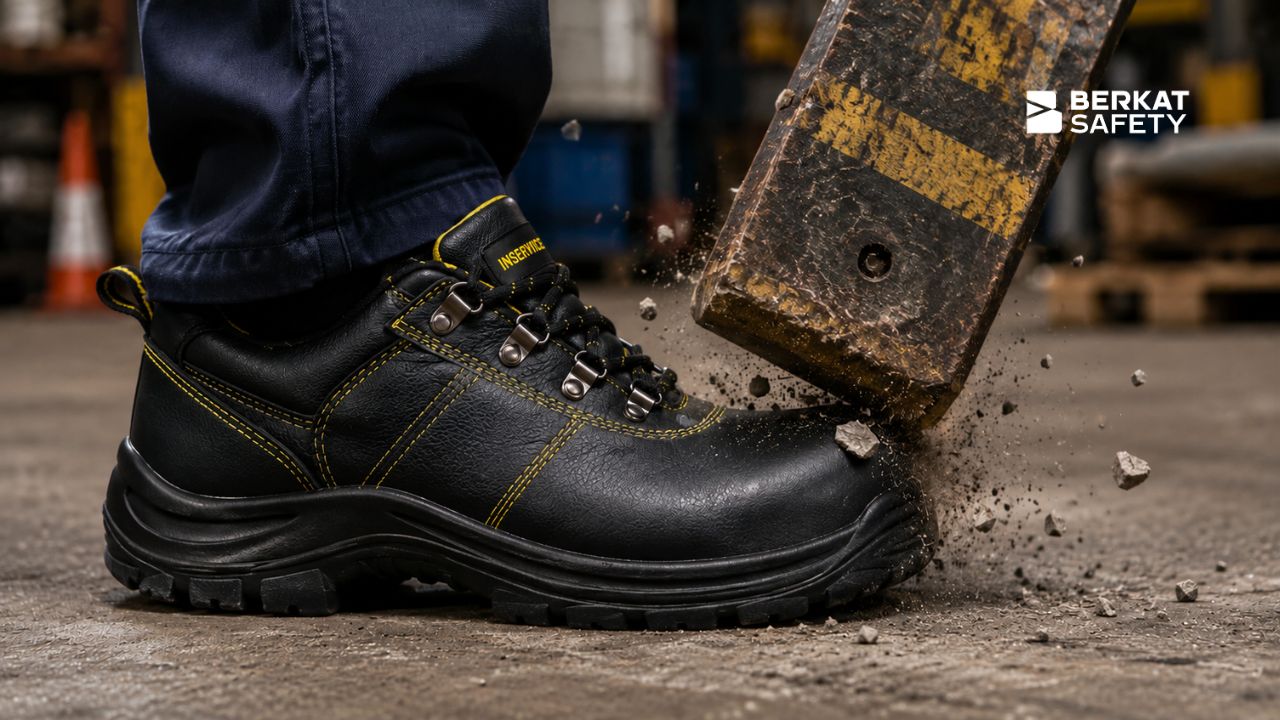
Safety shoes are one of the most important types of Personal Protective Equipment (PPE) used to protect workers' feet in hazardous work environments. Unlike regular work shoes, safety shoes are specifically designed with protective features to help reduce the risk of injuries caused by falling objects, sharp materials, slippery surfaces, electrical hazards, and other workplace dangers.
Beyond protecting workers from injuries, safety shoes also play an essential role in supporting Occupational Safety and Health (OSH) programs. For this reason, many companies require employees to wear safety footwear as part of their workplace safety policies and standard operating procedures.
So, what exactly are the functions of safety shoes, and why are they so important in the workplace? Let's take a closer look.
What Are Safety Shoes?
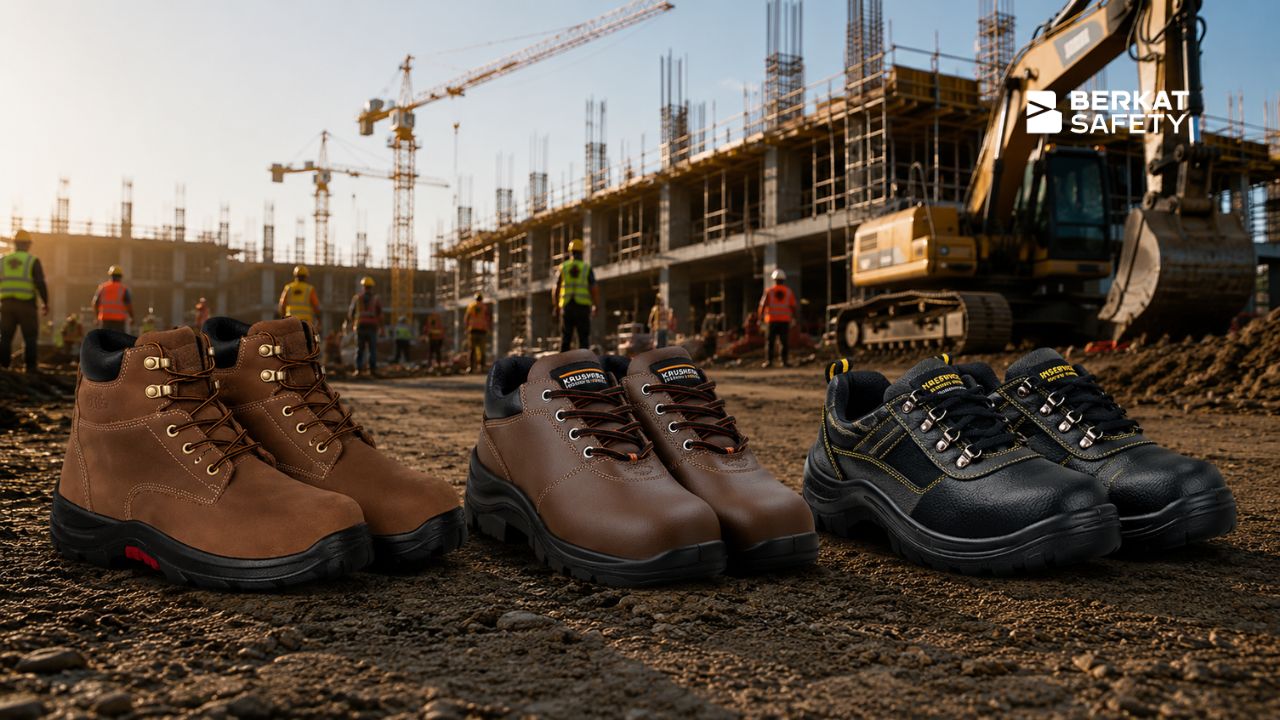
Safety shoes are protective footwear specifically designed to help safeguard workers' feet from various workplace hazards. They are typically equipped with protective features such as toe caps to protect against impact, slip-resistant outsoles to reduce the risk of slipping, and, in certain models, puncture-resistant midsoles for additional protection.
Safety shoes are widely used across industries including construction, manufacturing, mining, oil and gas, warehousing, logistics, and material processing. Wearing the appropriate safety footwear helps reduce the risk of foot injuries while allowing workers to perform their tasks more safely and efficiently.
In addition to providing protection, modern safety shoes are designed with comfort in mind, enabling workers to wear them throughout the day without compromising productivity.
10 Functions of Safety Shoes in Workplace Safety
1. Protect Feet from Heavy Impact
One of the primary functions of safety shoes is protecting the feet—especially the toes—from heavy falling objects. This type of hazard is common on construction sites, in warehouses, manufacturing facilities, and material handling operations.
Most safety shoes are equipped with steel toe caps or composite toe caps designed to absorb impact and reduce the severity of injuries caused by falling objects.
2. Reduce the Risk of Puncture Injuries
Many workplaces contain sharp objects such as nails, metal scraps, wires, and construction debris that can puncture the sole of ordinary footwear.
Certain safety shoes feature puncture-resistant midsoles, which help prevent sharp objects from penetrating the shoe and injuring the wearer's foot. This protection is particularly important in construction, manufacturing, and industrial environments.
3. Help Prevent Slips and Falls
Wet, oily, or uneven surfaces significantly increase the risk of slips and falls in the workplace.
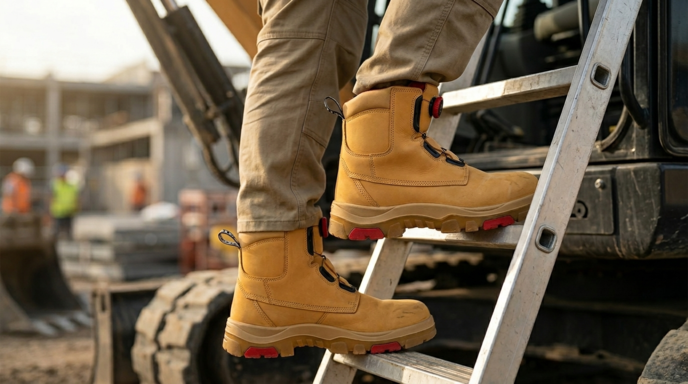
Safety shoes are typically equipped with slip-resistant outsoles featuring specialized tread patterns that provide better traction on various surfaces. Improved grip helps workers maintain stability while moving through hazardous work areas.
4. Provide Protection Against Electrical Hazards
Some occupations involve exposure to electrical hazards, including electricians, maintenance technicians, and utility workers.
Specialized safety shoes designed for electrical hazard protection help reduce the risk of electrical injuries when working around energized equipment, provided they are selected and used appropriately for the application.
5. Protect Against Heat and Hot Materials
Workers in welding, metal fabrication, foundries, and similar industries are frequently exposed to high temperatures, sparks, and molten materials.
Safety shoes designed for these applications use heat-resistant materials that help protect workers' feet from burns and other heat-related hazards.
6. Help Protect Feet from Certain Chemicals
In industries such as chemical manufacturing, laboratories, and oil and gas, workers may be exposed to chemicals that could come into contact with their feet.
Depending on the work environment, certain safety shoes are designed with materials that provide additional resistance to chemical exposure, helping improve worker protection.
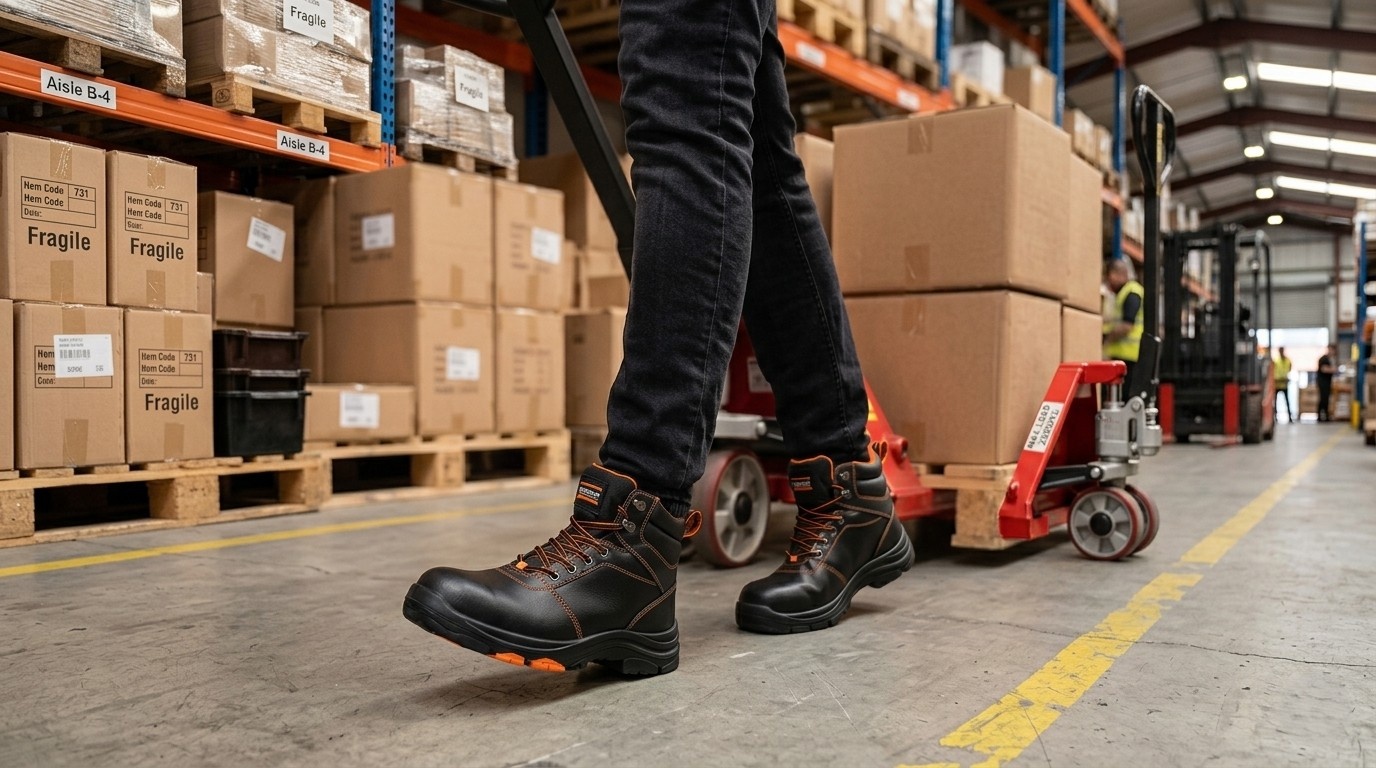
7. Reduce the Risk of Injuries During Material Handling
Manual material handling tasks such as lifting, carrying, and moving heavy items can increase the risk of foot injuries.
Safety shoes provide an extra layer of protection during these activities, making them an essential part of PPE for warehouse personnel, logistics workers, and manufacturing employees.
8. Improve Comfort During Long Working Hours
Modern safety shoes are designed not only for protection but also for long-term comfort.
Many models feature ergonomic construction, cushioned insoles, lightweight materials, and improved breathability to reduce foot fatigue. Comfortable footwear allows workers to stay focused and productive throughout the workday.
9. Support Productivity and Workplace Safety
Workers who feel safe and comfortable are generally more confident and focused while performing their tasks. By reducing the likelihood of foot injuries, safety shoes help minimize work interruptions and contribute to a safer, more productive workplace.
Investing in quality safety footwear benefits both employees and employers by supporting operational efficiency and workplace safety.
10. Help Meet Occupational Safety and Health (OSH) Requirements
Many organizations require the use of safety shoes as part of their Occupational Safety and Health (OSH) programs.
Using appropriate PPE demonstrates a company's commitment to protecting its workforce while supporting compliance with workplace safety regulations and industry standards.
Who Should Wear Safety Shoes?
Safety shoes are strongly recommended—and often mandatory—for workers exposed to potential foot hazards. Below are some of the industries and professions where safety footwear is commonly required.
Construction Workers
Construction sites present hazards such as falling materials, sharp debris, and uneven terrain. Safety shoes are essential for protecting workers from these risks.
Manufacturing Workers
Manufacturing facilities contain machinery, heavy equipment, and production materials that may cause foot injuries. Safety shoes help provide protection throughout daily operations.
Mining Workers
Mining environments involve challenging terrain, heavy equipment, and falling materials. Safety footwear is a critical component of PPE for mining personnel.
Oil and Gas Industry
Workers in the oil and gas sector face a wide range of workplace hazards that require comprehensive PPE, including appropriate safety footwear designed for demanding industrial environments.
Warehousing and Logistics
Loading, unloading, inventory handling, and forklift operations expose workers to the risk of falling objects and foot injuries. Safety shoes help reduce these risks while improving workplace safety.
Technicians and Mechanics
Technicians and mechanics frequently work with heavy machinery, tools, and equipment. Wearing safety shoes provides additional protection during equipment installation, maintenance, and repair tasks.
Find the Right Safety Shoes for Your Workplace
Understanding the various functions of safety shoes is the first step toward creating a safer work environment. Choosing safety footwear that matches your job requirements and workplace hazards helps protect workers while supporting Occupational Safety and Health (OSH) initiatives.
Berkat Safety offers a wide selection of high-quality safety shoes from trusted brands to meet the needs of industries such as construction, manufacturing, mining, oil and gas, logistics, and warehousing. Our product range includes various models and protective features designed to suit different workplace environments and operational requirements.
If you need assistance selecting the right safety footwear for your workplace, contact the Berkat Safety team. Our experienced specialists are ready to provide professional recommendations and help you find the most suitable safety shoe solution to keep your workforce safe, comfortable, and productive.