13/08/2026 03:07 AM
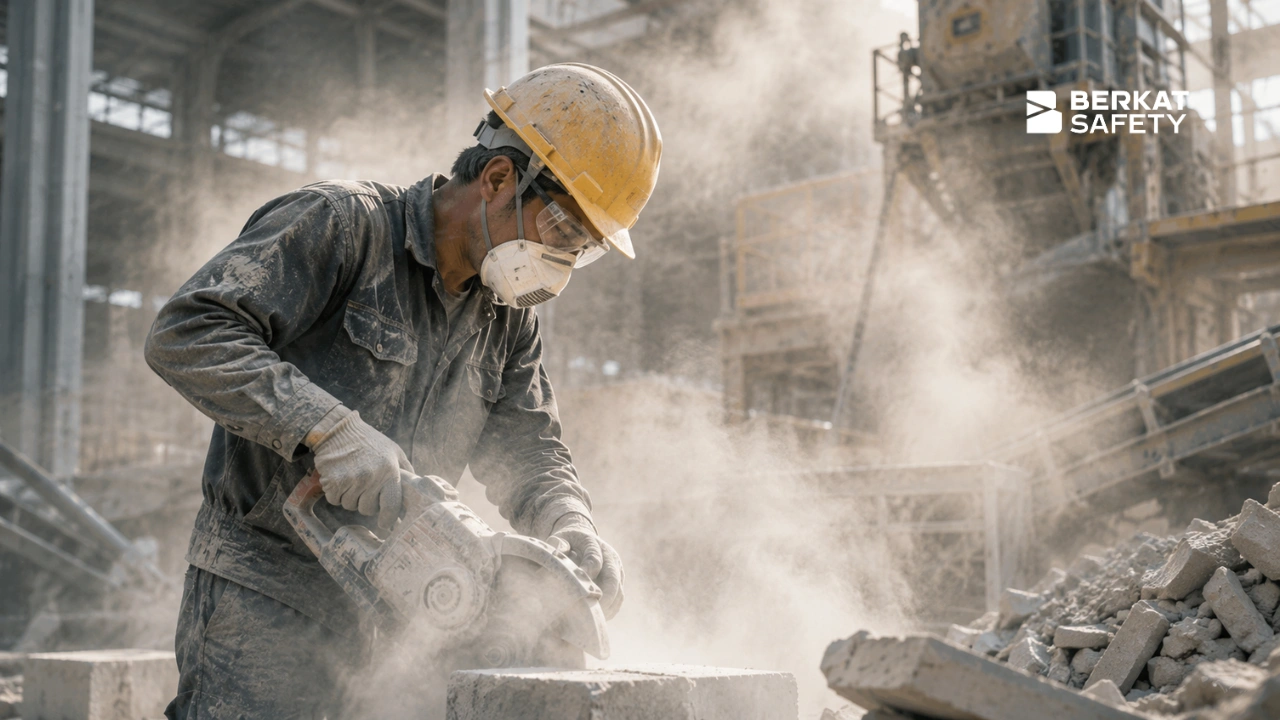
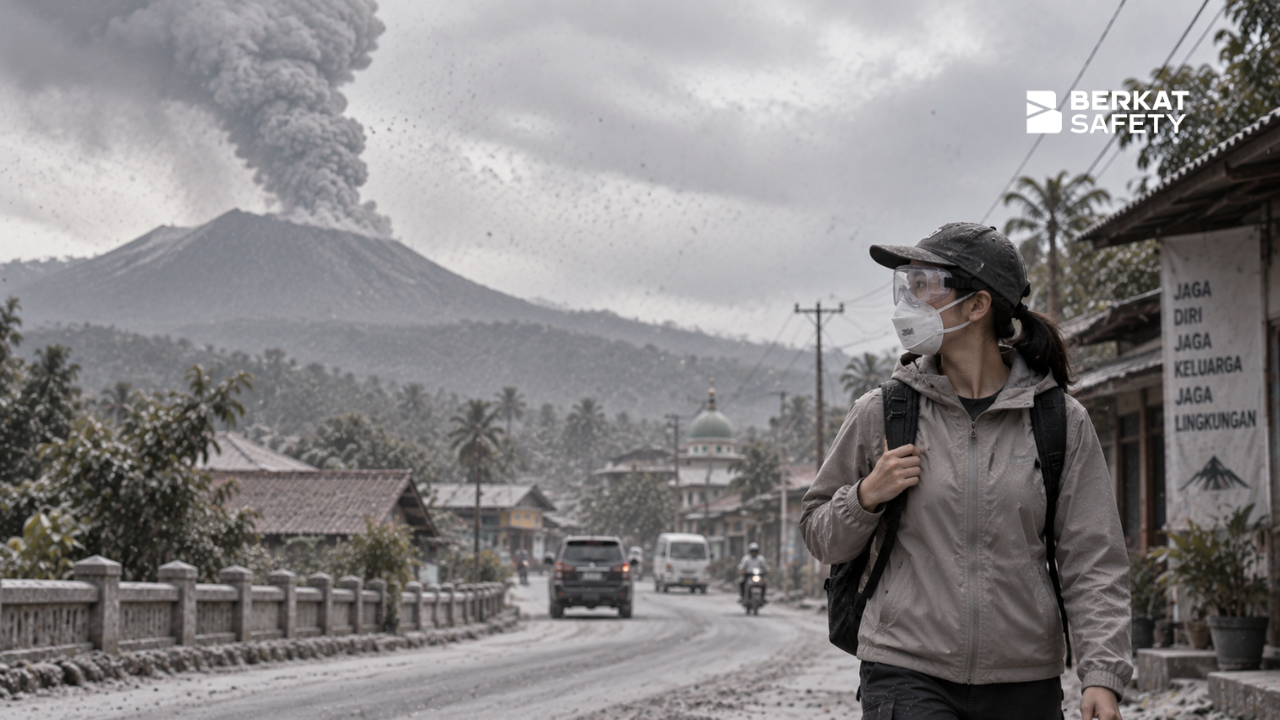
Work environments across various industries can contain dust, smoke, gases, chemical vapors, and other particles that workers may inhale. Exposure does not always cause serious symptoms right away, but repeated exposure or high concentrations can affect respiratory health.
That is why controlling respiratory hazards is an important part of occupational safety and health (K3). In addition to controlling hazards at the source, companies also need to ensure that workers use respiratory protection that matches the risks of their jobs.
What Are Respiratory Hazards in the Workplace?
Respiratory hazards are conditions in the workplace that can cause workers to inhale harmful substances or particles through the respiratory tract. Sources can include production processes, chemical use, welding, material cutting, and construction activities.
Some contaminants may only cause temporary irritation, while certain exposures can lead to more serious health problems when they occur over the long term.
Therefore, hazard identification should be carried out before determining the appropriate control methods and the type of respiratory protection required.
Types of Respiratory Hazards in the Workplace
Respiratory hazards can have different characteristics. Here are some common types of contaminants found in workplace environments.
1. Dust and Particles
Dust can be generated by activities such as cutting, drilling, sanding, material processing, and construction work. Small particles can be inhaled and enter the respiratory tract.
Examples include concrete, cement, wood, mineral dust, and various other industrial materials.
2. Smoke and Fume
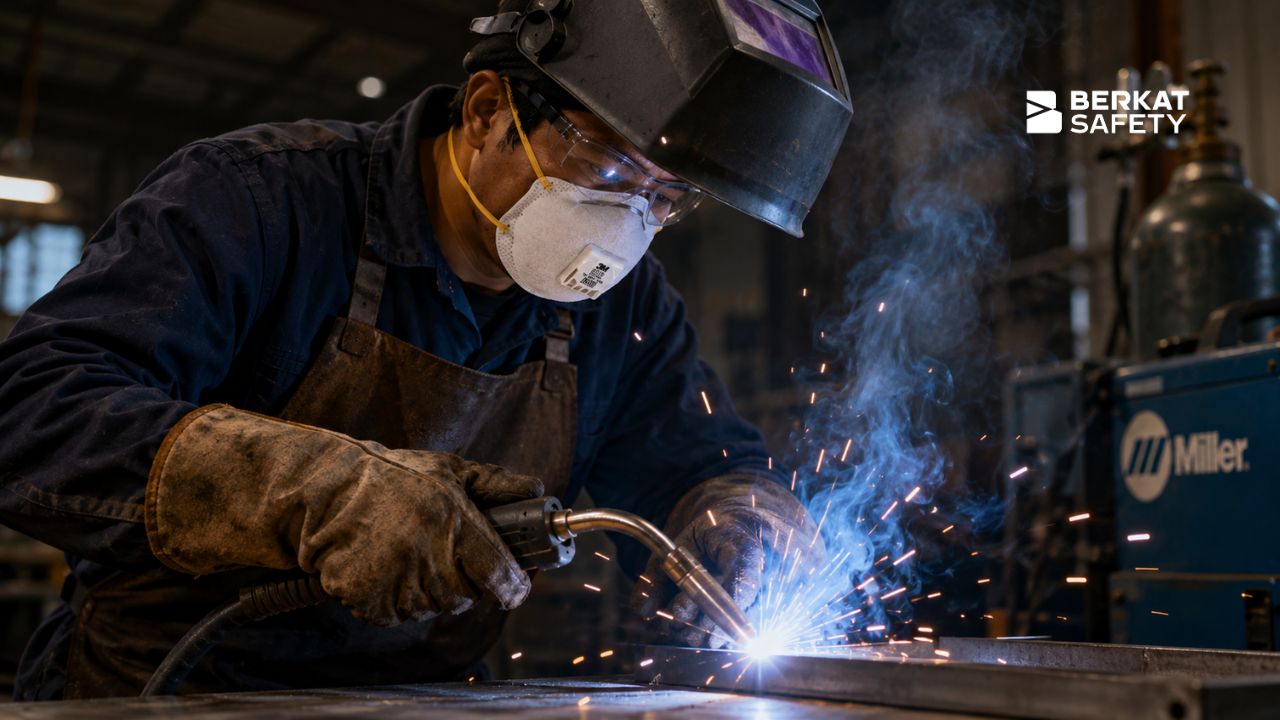
Smoke or fume can be produced by combustion processes and activities such as welding and metal cutting. Welding fume, for example, may contain metal particles that need to be controlled to prevent workers from inhaling them.
Adequate ventilation and appropriate respiratory protection can help reduce exposure.
3. Hazardous Gases
Certain gases may be present in industrial processes, material handling, or workplaces where leaks are possible. Some gases can cause irritation, respiratory problems, or other health risks.
Because each gas has different characteristics, controls should be tailored to the type and concentration of the contaminant present.
4. Chemical Vapors
The use of paint, solvents, cleaning agents, and other chemicals can generate vapors that workers may inhale. Repeated exposure to certain vapors can affect health, making appropriate controls necessary.
5. Mists and Aerosols
Mists and aerosols can form during spraying, the use of industrial liquids, and certain mechanical processes. Very small liquid particles can remain suspended in the air and potentially enter the respiratory system.
Effects of Exposure on Workers' Respiratory Health
The effects of airborne contaminant exposure can vary depending on the type of substance, concentration, exposure duration, and workplace conditions.
In the short term, workers may experience irritation of the nose and throat, coughing, shortness of breath, or discomfort when breathing. Repeated or prolonged exposure can increase the risk of more serious health problems.
Therefore, companies should not rely on personal protective equipment as the only control measure. Hazard identification, ventilation, contaminant source controls, work procedures, and PPE should be implemented together.
Industries with Respiratory Hazards
Several industries involve activities that can generate airborne contaminants and therefore require special attention to respiratory protection.
Construction
Drilling, concrete cutting, sanding, and demolition can generate dust and particles from building materials.
Manufacturing
Production and material processing can generate dust, smoke, particles, or certain vapors depending on the type of industry.
Welding
Welding activities generate welding fume and metal particles, so workers need protection appropriate for the process and materials being used.
Mining
Drilling, excavation, material transportation, and processing can generate significant amounts of dust.
Chemical Industry
Workers may handle various chemicals that generate gases, vapors, or aerosols. The protection system should take into account the characteristics of the materials being used.
Oil and Gas
Oil and gas environments can involve exposure to various airborne contaminants, making hazard control and the selection of appropriate respiratory protection an important part of workplace safety.
How to Reduce Respiratory Hazards in the Workplace
Respiratory protection should be addressed through a comprehensive risk-control approach. Some steps that can be implemented include:
1. Identify the Hazards
Companies need to identify contaminant sources, hazard types, concentrations, and activities that may cause exposure. This information provides the basis for determining appropriate control methods.
2. Control Hazards at the Source
Whenever possible, hazards should be reduced or controlled directly at the source. Examples include ventilation systems, local exhaust ventilation, process isolation, or work methods that reduce contaminant generation.
3. Implement Proper Work Procedures
Workers should receive appropriate work procedures and training so they understand potential hazards and how to reduce exposure while performing their tasks.
4. Use Respiratory Protection
If exposure risks remain after other controls have been implemented, respiratory protection can be used as part of the worker protection system.
The type of respirator should be selected based on the type of contaminant, exposure level, and job requirements.
Types of Respiratory Protection
Respiratory protection is available in various forms and levels of protection. Selection should be based on the hazards that have been identified.
Particulate Respirator
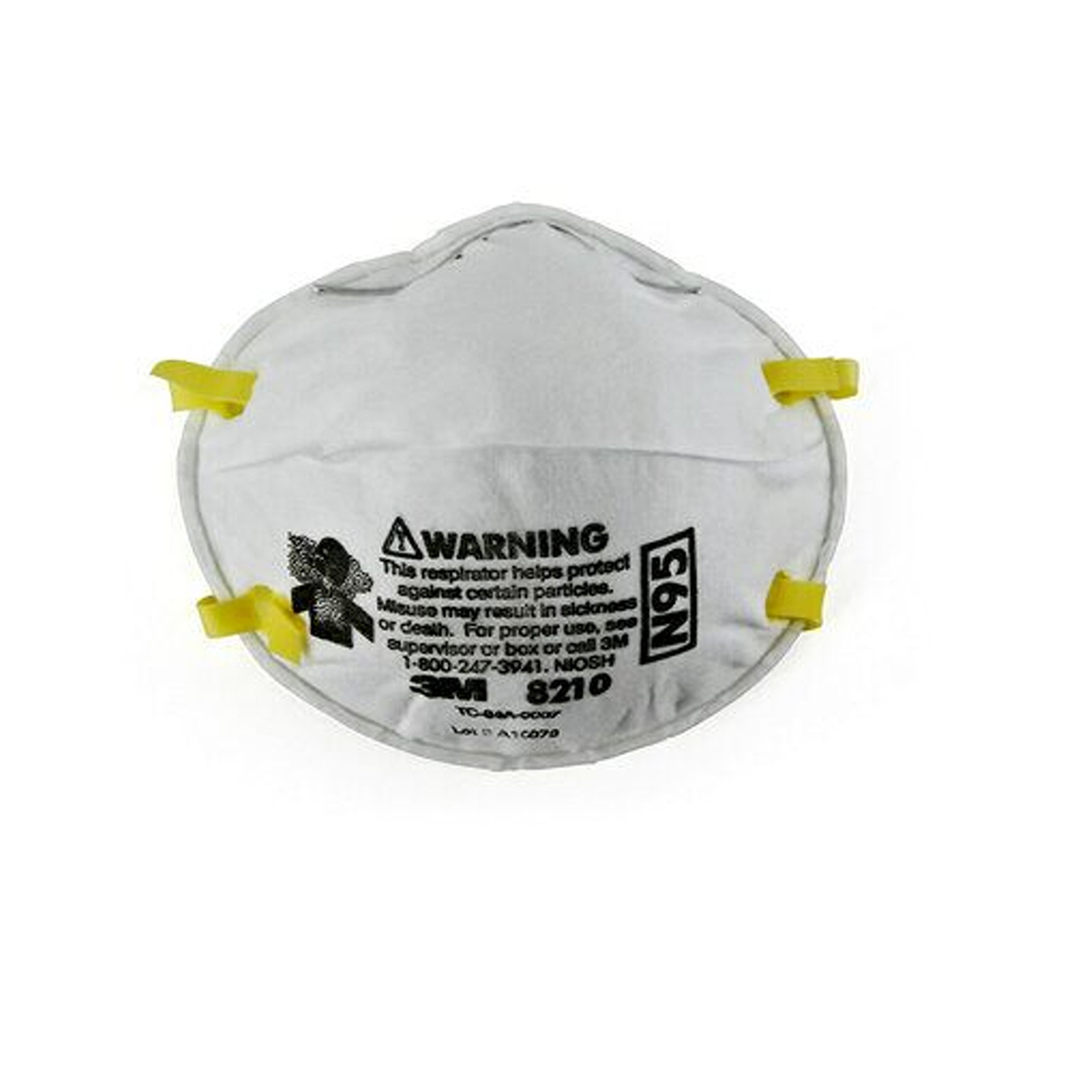
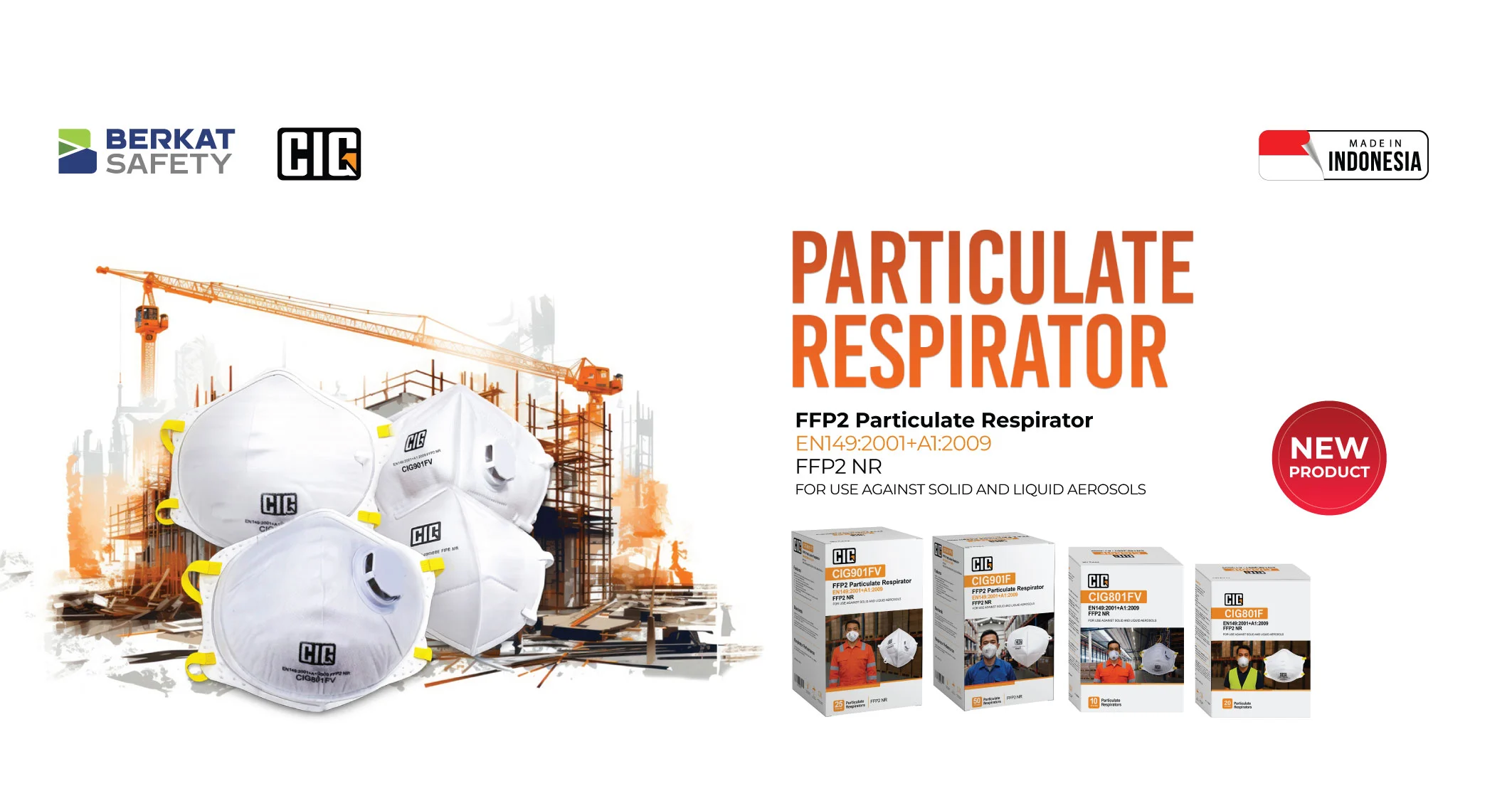
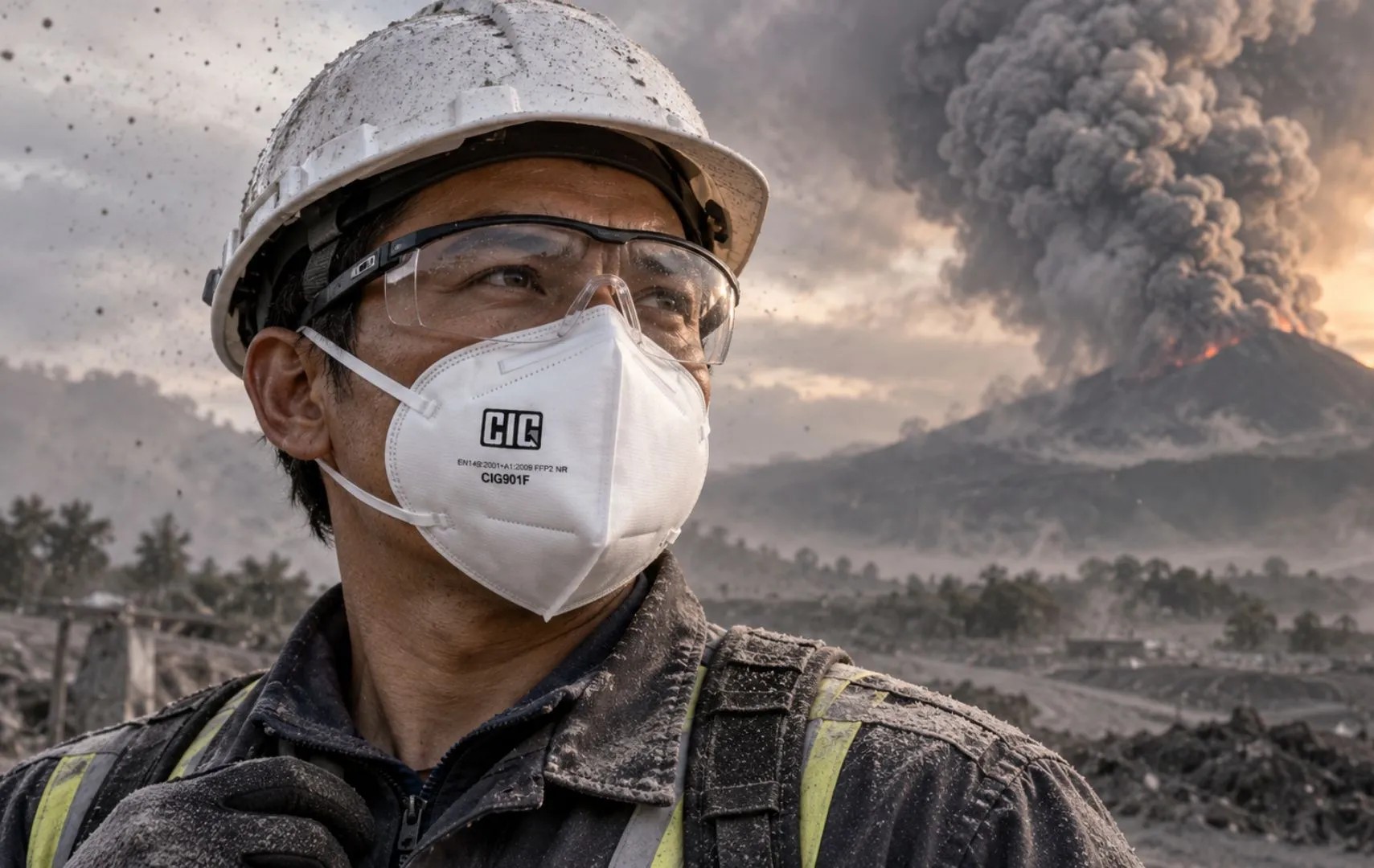
Particulate respirators are used to help filter certain particles such as dust and fine particulates. They are commonly used in construction, manufacturing, material processing, and other activities that generate particulate matter.
Half Face Respirator

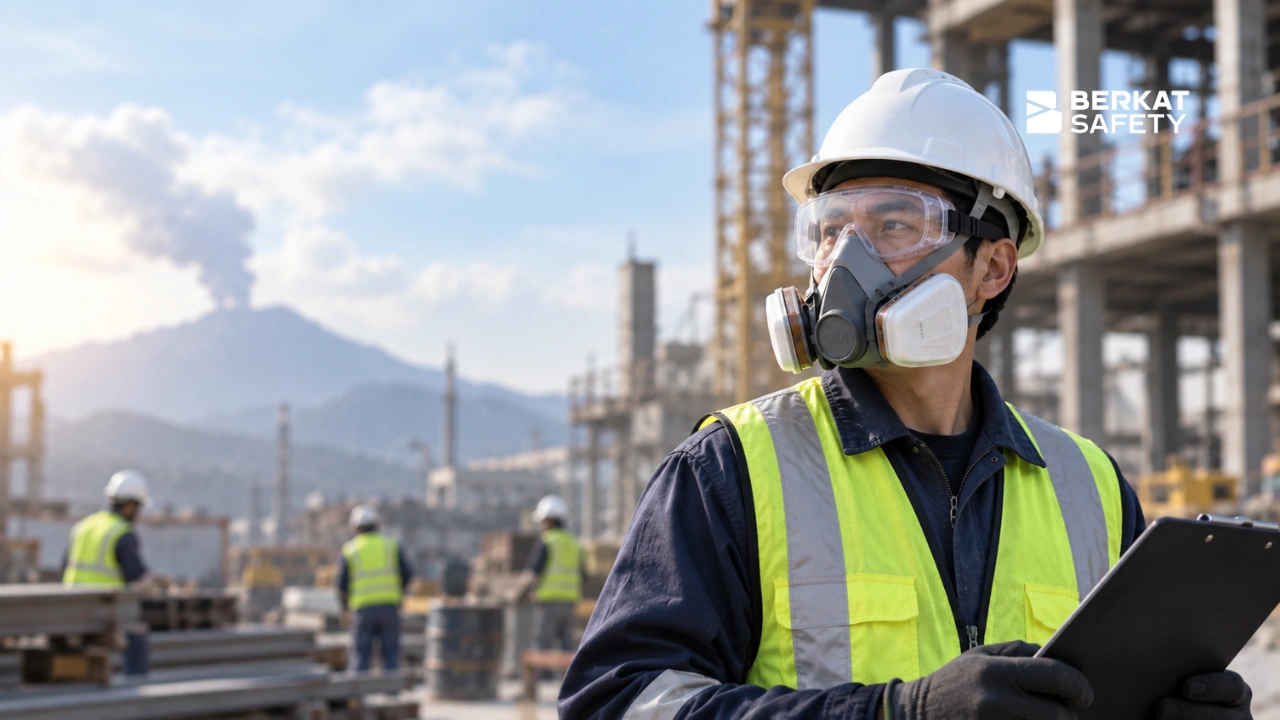
A half face respirator covers the nose and mouth and can be used with specific filters or cartridges. This type is commonly used when workers need protection that can be matched to the type of contaminant.
Full Face Respirator

A full face respirator provides respiratory protection while also helping protect the eyes and face from certain contaminants. It can be an option for work environments that require broader protection.
Respirator with Filters or Cartridges
Some respirators can be used with different filters or cartridges. Selection must be based on the type of contaminant present in the workplace. A particulate filter cannot automatically be used to protect against all types of gases or vapors.
For more information about available products, companies can explore the 3M respirators available for various industrial applications.
How to Choose the Right Respirator
Choosing a respirator should not be based only on its design, brand, or comfort. Several important factors should be considered.
First, identify the type of contaminant. Determine whether the hazard involves dust, particles, smoke, gas, vapor, or a combination of contaminants.
Second, consider the exposure level. Workplace conditions and contaminant concentrations need to be understood to determine the appropriate level of protection.
Third, choose the right respirator and filter. Make sure the respirator is compatible with the filter or cartridge used for the specific hazard.
Fourth, consider the fit on the user's face. A respirator that does not fit properly can reduce the effectiveness of the protection.
Fifth, follow the product's use and maintenance instructions. Filters, cartridges, and respirator components should be inspected and replaced according to product requirements and the company's respiratory protection program.
Respiratory Protection Solutions from Berkat Safety
Berkat Safety provides a range of respiratory protection solutions to help companies meet workplace safety needs across various industries. Options include particulate respirators, disposable respirators, half face respirators, and full face respirators from trusted brands.
By understanding the hazards and characteristics of each job, companies can determine respiratory protection that better matches their operational needs.
If you need product information or assistance in selecting a respiratory protection solution, contact the Berkat Safety team for product details and consultation based on your industry's needs.
Conclusion
Respiratory hazards in the workplace can come from many sources, including dust, smoke, fume, gas, chemical vapors, and aerosols. Uncontrolled exposure can affect worker health, especially when exposure is repeated or prolonged.
Therefore, companies should identify hazards, control them at the source, provide proper work procedures, and provide appropriate respiratory protection. Respirator selection should also take into account the type of contaminant and the level of risk in the workplace.
Proper protection not only helps support worker safety but is also an important part of implementing occupational safety and health (K3) in industrial environments.
FAQ
What are the respiratory hazards in the workplace?
Respiratory hazards can include dust, particles, smoke or fume, gases, chemical vapors, mists, and aerosols. The types of hazards depend on the processes and activities taking place in the workplace.
What are the effects of inhaling dust at work?
Dust exposure can cause respiratory irritation and health problems, especially when exposure is repeated or occurs at high concentrations. Therefore, dust sources should be controlled and respiratory protection should be used as needed.
What types of respiratory protection are available?
Respiratory protection includes particulate respirators, disposable respirators, half face respirators, and full face respirators. The type used should match the hazards present in the workplace.
When should workers use a respirator?
Respirators are needed when there is potential exposure to airborne contaminants and other controls have not adequately eliminated the risk. The type of respirator should be selected based on the hazard assessment and protection requirements.
How do you choose the right respirator?
Start by identifying the type of contaminant and exposure level. Then select a respirator with the appropriate filter or cartridge, make sure it fits properly on the face, and use and maintain the product according to the manufacturer's instructions.