09/07/2026 04:43 AM

The head is one of the most vital parts of the body and is highly vulnerable to injury in the workplace. Impacts from falling objects, being struck by materials, exposure to heat, metal sparks, and electrical hazards can cause serious injuries that may directly affect worker safety. For this reason, the use of head protection is an important part of implementing Occupational Safety and Health (OSH) practices across various industrial sectors.
Many people assume that head protection only refers to safety helmets. In fact, there are different types of head protection designed for specific workplace hazards. From safety helmets, bump caps, fire helmets, and welding helmets to face shields as additional face protection, each type serves a different function and application.
In this article, you will learn what head protection is, its main functions, the most commonly used types of head protection, and how to choose the right protection based on job requirements.
What Is Head Protection?
Head protection is a type of Personal Protective Equipment (PPE) designed to help protect the head from various potential hazards in the workplace. Its main purpose is to reduce the risk of injury caused by impacts, falling objects, heat, fire, flying particles, and electrical hazards in certain work environments.
In OSH implementation, head protection plays a very important role because head injuries can lead to serious consequences. For this reason, many companies require workers to wear head protection in areas where potential hazards have been identified through workplace risk assessments.
Choosing the right head protection should also be based on the type of work being performed. Each work environment has different risk characteristics, which means different types of protection may be required.
Functions of Head Protection
Protecting the Head from Impact
One of the main functions of head protection is to help reduce the impact that may occur during work activities. These impacts may come from building structures, work equipment, or materials that accidentally strike a worker’s head.
By using the appropriate head protection, the risk of injury caused by impact can be minimized, helping workers stay safer while performing their tasks.
Reducing the Risk of Injury from Falling Objects
In construction projects, mining operations, and production areas, there is always the possibility of objects falling from height. Bolts, tools, building materials, and machine components can cause serious injuries if they hit a worker’s head.
Head protection helps absorb part of the impact energy, reducing the potential severity of the injury.
Helping Protect Against Electrical Hazards
Some types of safety helmets are designed to provide additional protection against electrical hazards based on applicable safety classifications and standards.
This type of head protection is commonly used by electricians, utility workers, and employees in industries where contact with electrical current is a potential risk.
Protecting Against Heat and Flying Particles
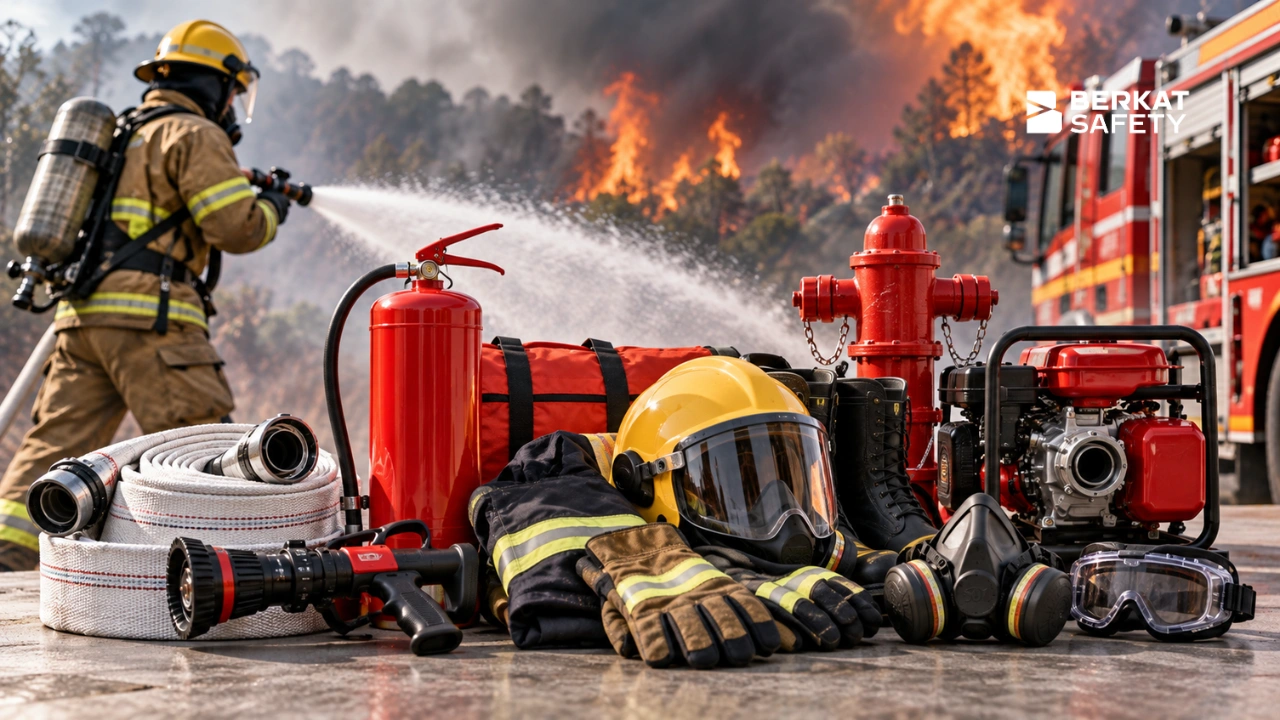
In jobs such as welding, metal casting, and firefighting, workers may be exposed to high heat and flying particles that can endanger the head and face.
Using the right type of head protection helps reduce the risk of injury caused by these exposures.
Supporting Occupational Safety and Health Practices
In addition to protecting workers, the use of head protection is also part of building a strong safety culture within a company. Compliance with PPE requirements helps reduce workplace accidents while demonstrating the company’s commitment to worker safety.
Common Types of Head Protection
Different jobs involve different workplace hazards, making it essential to choose the right type of head protection for the task. Below are some of the most commonly used types of head protection across various industries.
1. Safety Helmet

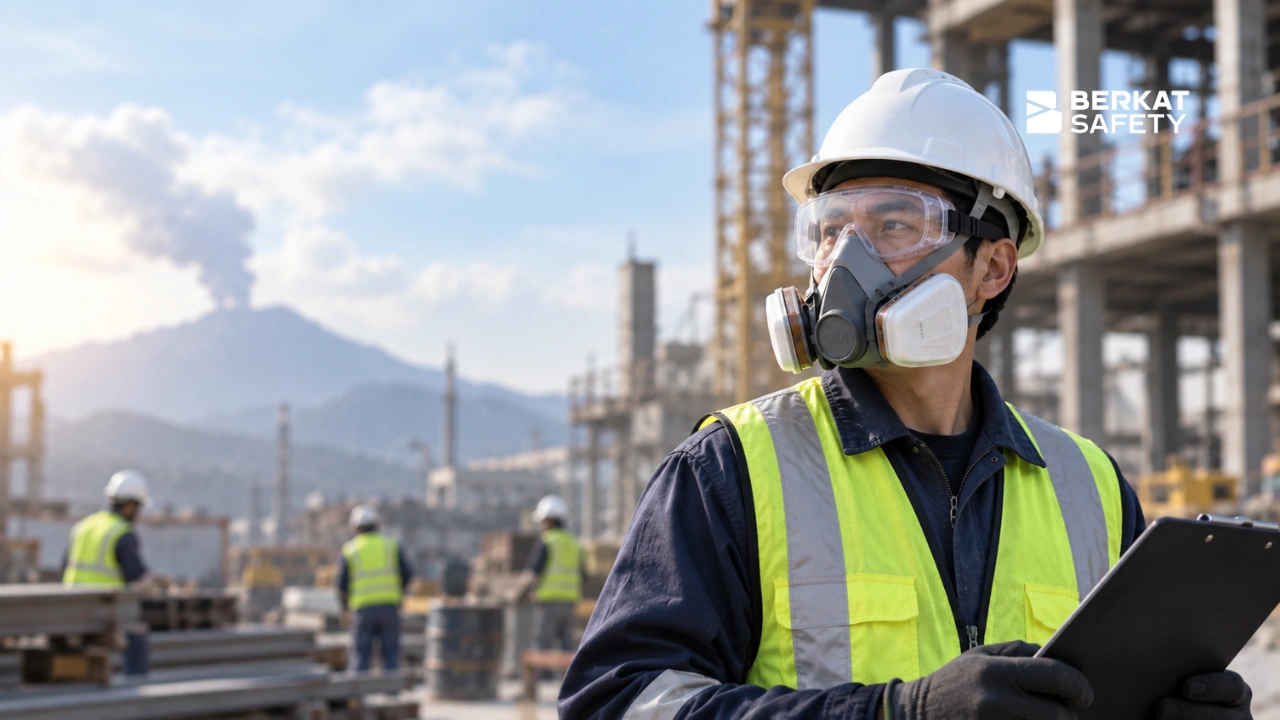
A safety helmet is the most widely used type of head protection in industrial workplaces. It is designed to help protect workers from impacts, falling objects, and other mechanical hazards that may occur on the job.
Safety helmets are commonly used in construction, manufacturing, mining, oil and gas, warehousing, and infrastructure projects. Certain models are also designed to provide additional protection against electrical hazards, depending on the applicable safety standards and classifications.
2. Bump Cap
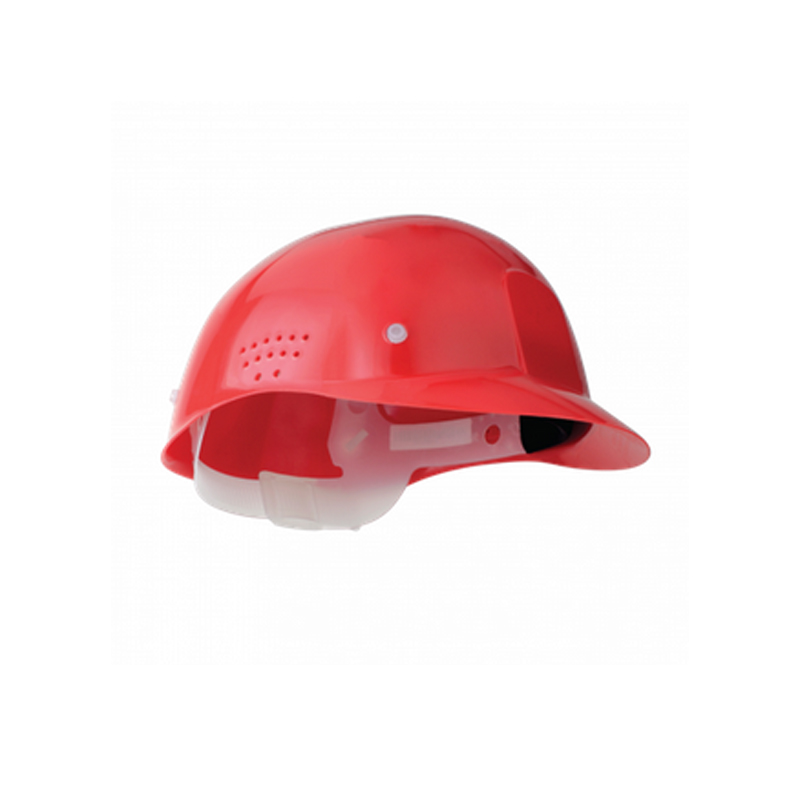
A bump cap is designed to protect workers from minor bumps and scrapes caused by contact with stationary objects or low overhead structures in the workplace.
Unlike a safety helmet, a bump cap is not intended to protect against falling objects or high-impact hazards. It is best suited for environments such as warehouses, assembly lines, maintenance areas, or facilities where workers are more likely to bump their heads against fixed structures.
3. Fire Helmet

A fire helmet is specifically designed for work environments involving high temperatures and fire hazards. In addition to protecting the head, many fire helmets also provide partial protection for the face, neck, and ears, depending on the design.
Fire helmets are commonly used by firefighters, rescue teams, oil and gas personnel, and workers operating in environments where exposure to flames or extreme heat is a significant risk.
4. Welding Helmet

A welding helmet is designed to protect the head, face, and eyes during welding operations. It helps shield workers from molten metal spatter, intense light, ultraviolet (UV) radiation, infrared (IR) radiation, and other hazards generated during the welding process.
This type of head protection is considered essential for welders working in metal fabrication, manufacturing, construction, maintenance, and other industrial applications involving welding.
5. Face Shield

A face shield is a form of face protection that is often used together with a safety helmet or specialized headgear. It helps protect the face from flying debris, chemical splashes, metal particles, wood chips, and other airborne hazards generated during work.
In many industrial applications, a face shield is combined with a safety helmet to provide more comprehensive protection for both the head and face.
How to Choose the Right Head Protection for Your Job
Selecting the right head protection involves more than simply choosing a helmet based on its appearance. The type of work being performed and the hazards present in the workplace should always be the primary considerations to ensure adequate protection.
For Construction Sites
Construction sites present hazards such as falling tools, building materials, and structural impacts. Safety helmets are the primary choice for helping protect workers against these risks throughout the project.
For Manufacturing Facilities
In manufacturing environments, the appropriate type of head protection depends on the specific work area. Safety helmets are commonly used where there is a risk of falling objects, while bump caps may be suitable for areas where workers are more likely to experience minor impacts against machinery or overhead equipment.
For Welding Applications
Welding operations expose workers to sparks, molten metal, intense light, and radiant heat. Welding helmets provide comprehensive protection for the head, face, and eyes, making them the preferred choice for welding professionals.
For Firefighting and Rescue Operations
Firefighters and rescue personnel face high temperatures, flames, falling debris, and impact hazards. Fire helmets are specifically designed to provide the level of protection required in these demanding environments.
For Jobs with Flying Debris or Chemical Splash Hazards
Tasks such as grinding, cutting, polishing, and chemical handling often generate flying particles or splashes that can injure the face. In these situations, wearing a face shield together with a safety helmet provides additional protection and enhances workplace safety.
Find the Right Head Protection for Your Industry
Choosing the right head protection is an important step in creating a safer workplace. Since every industry has different hazards and operational requirements, selecting the appropriate protective equipment helps improve worker safety while supporting Occupational Safety and Health (OSH) programs.
Berkat Safety offers a comprehensive range of head protection products to meet the needs of various industries, including safety helmets, fire helmets, welding helmets, and face shields from trusted global brands. Our products are designed to help protect workers across construction, manufacturing, mining, oil and gas, and many other industrial sectors.
If you need assistance selecting the right head protection for your workplace, contact the Berkat Safety team. Our experienced specialists are ready to provide product recommendations and professional guidance to help you find the most suitable head protection solution for your specific operational needs.