22/05/2026 06:24 AM
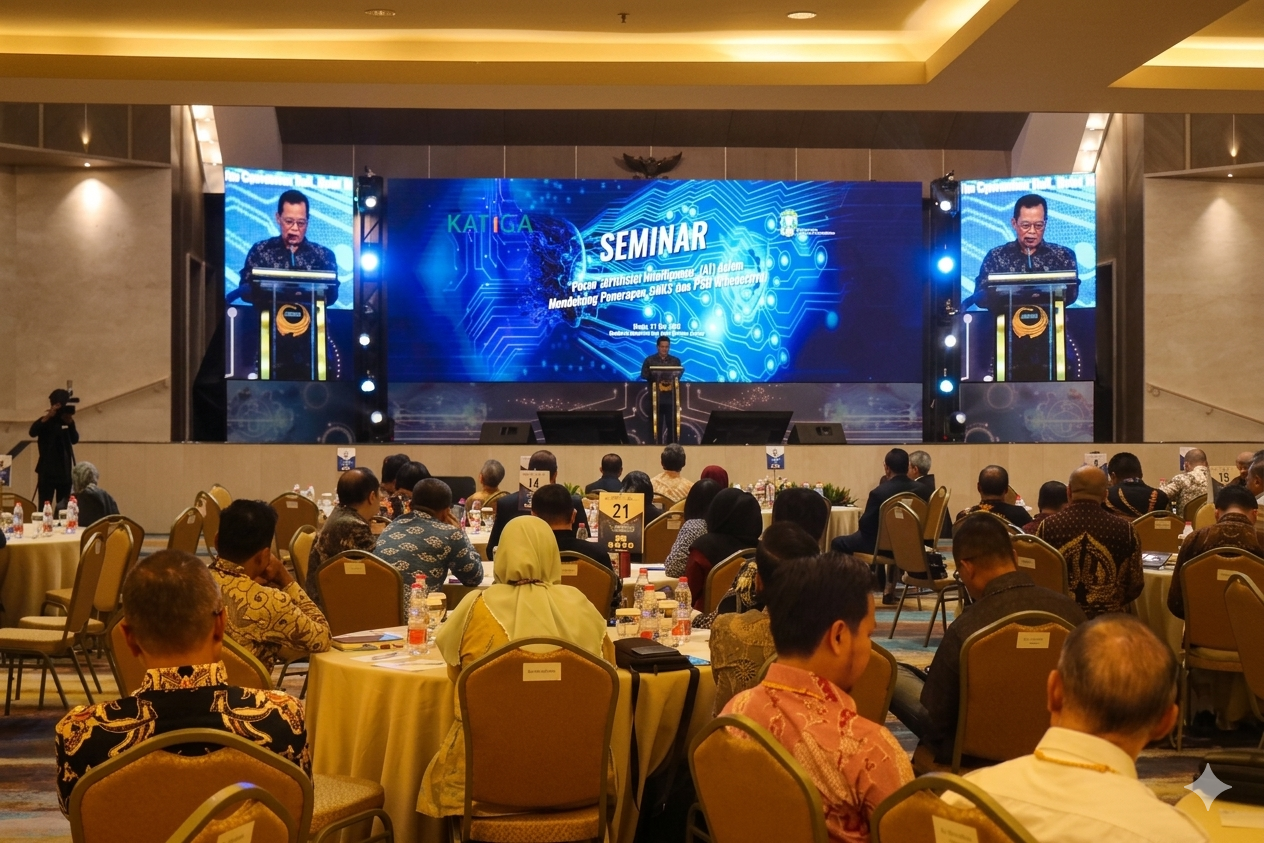
AI and Workplace Safety Transformation in the Industry 5.0 Era
In the era of digital transformation and Society 5.0, industries worldwide are experiencing significant changes in operational systems, including occupational health and safety implementation. Today, companies are not only expected to improve productivity but also required to create safer, more efficient, and sustainable working environments. One of the technologies playing an increasingly important role in achieving these goals is Artificial Intelligence (AI).
AI has become an innovative solution for supporting the implementation of Process Safety Management (PSM) and Occupational Health and Safety Management Systems (OHSMS/SMK3) across various industries such as manufacturing, oil & gas, construction, mining, energy, and logistics.
Amid these industrial developments, the demand for reliable safety equipment providers and modern safety solutions continues to grow. This is where Berkat Safety positions itself as a trusted workplace safety partner that remains relevant to the evolving needs of modern industries.
What is AI in the Industrial Sector?
Artificial Intelligence (AI) refers to technology that enables computer systems to analyze data, recognize patterns, make decisions, and predict potential risks automatically. In industrial environments, AI helps companies improve operational efficiency while minimizing workplace accidents and operational hazards.
AI technology is commonly integrated with:
- Internet of Things (IoT),
- automated sensors,
- machine learning,
- robotics,
- and real-time digital monitoring systems.
Through these integrations, companies can monitor workplace conditions faster and more accurately compared to traditional manual methods.
The Role of AI in Supporting PSM and OHSMS
1. Real-Time Safety Monitoring
AI enables companies to conduct real-time workplace monitoring using smart cameras and digital sensors. These systems can detect various safety violations and hazardous conditions such as:
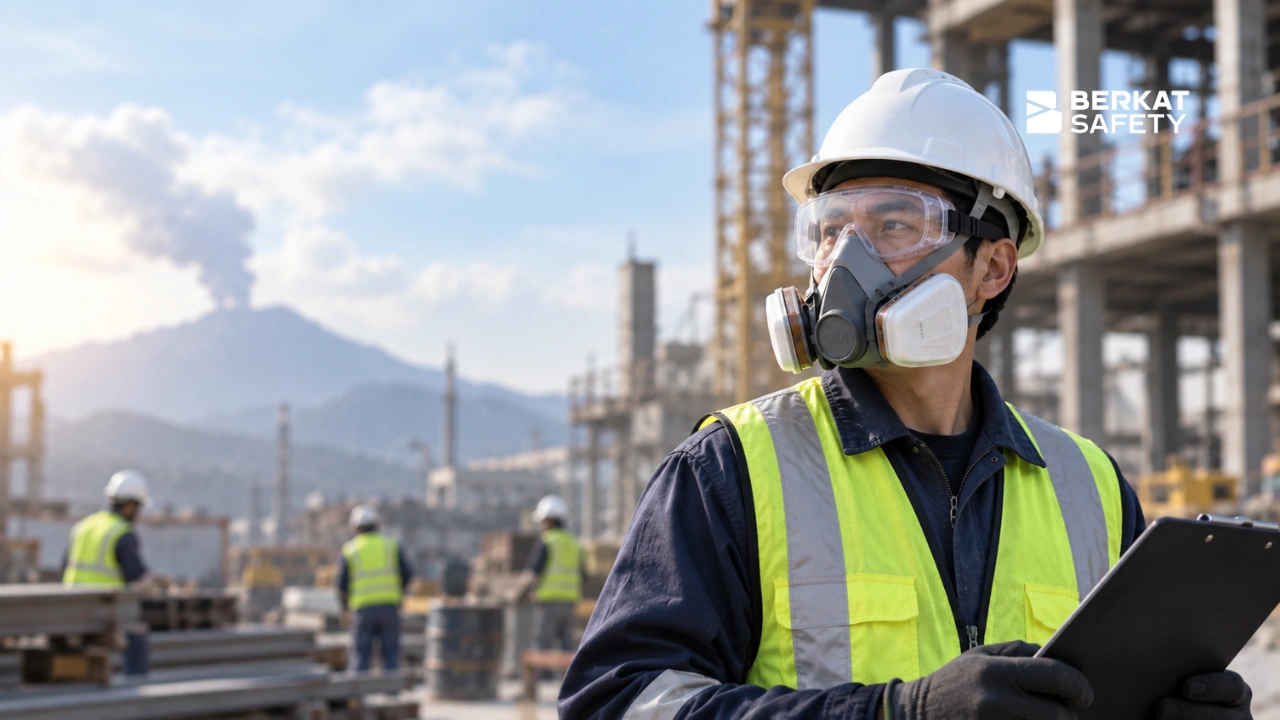
- workers not wearing PPE,
- unauthorized access to restricted areas,
- overheating machinery,
- gas leaks,
- and unsafe working environments.
With automated monitoring systems, preventive actions can be taken much earlier before workplace accidents occur.
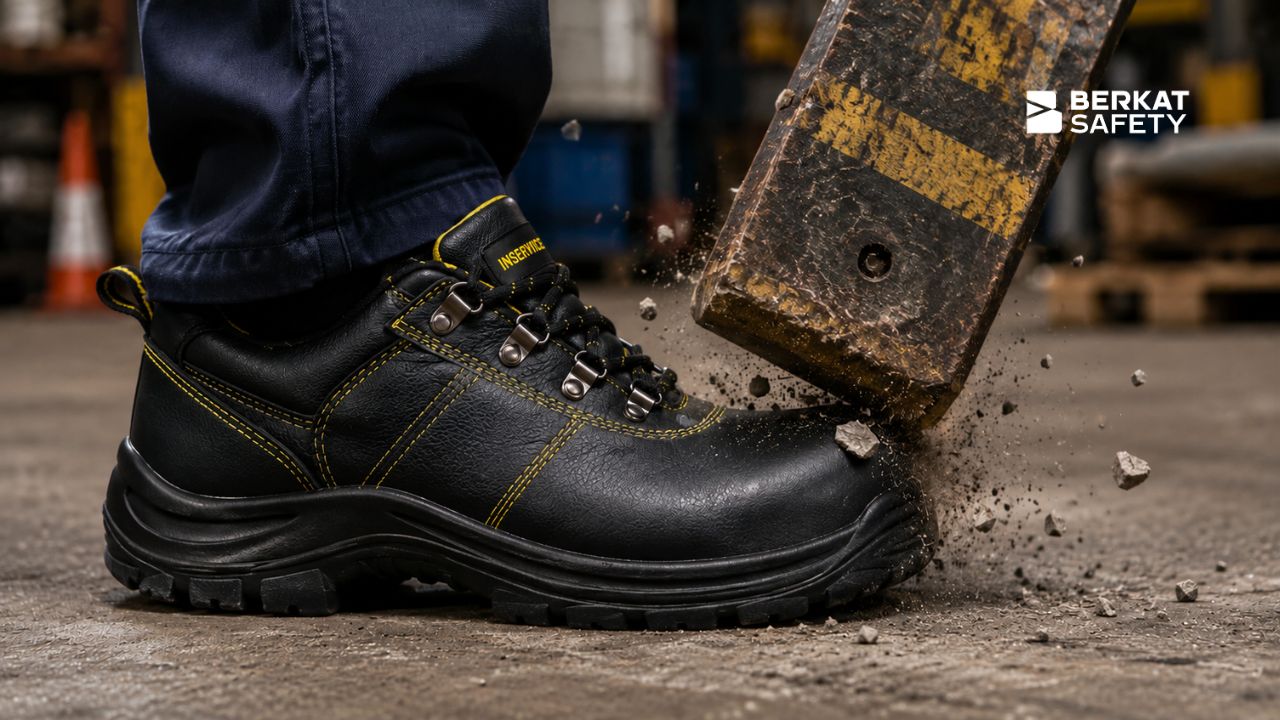
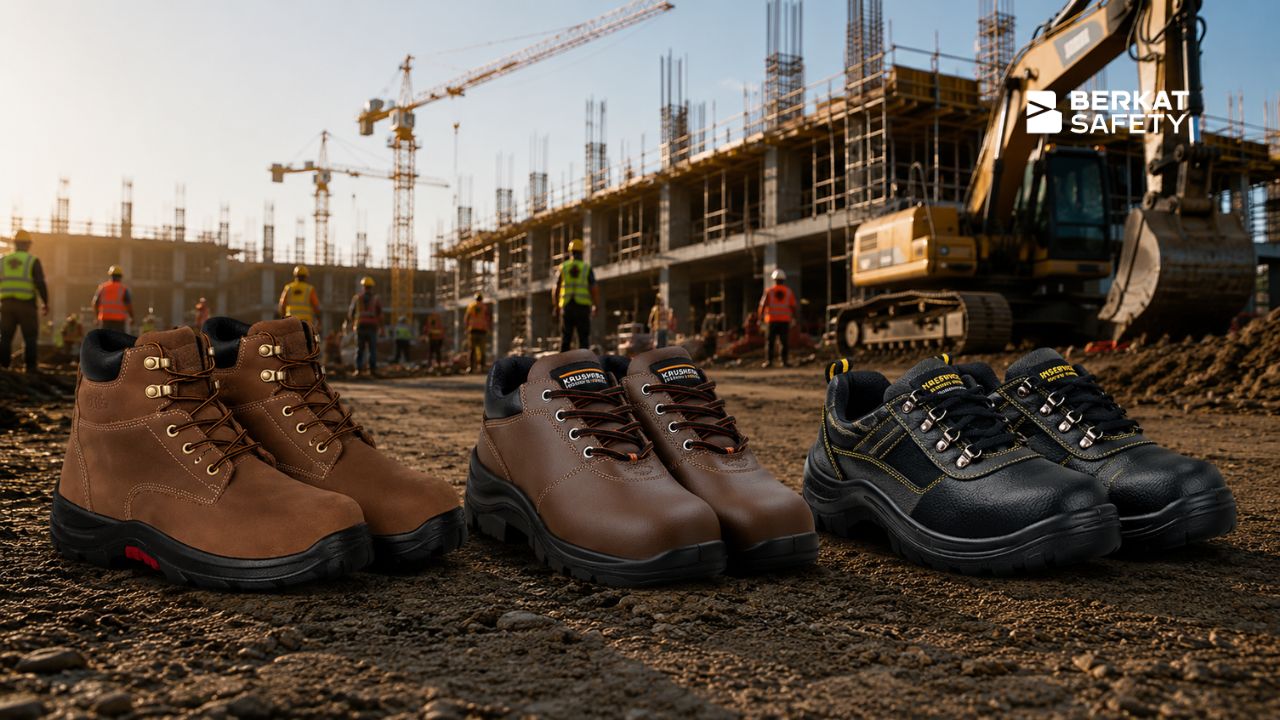
In practice, high-quality safety equipment remains the foundation of workplace protection. Berkat Safety understands that even the most advanced technology still requires reliable safety equipment that meets industrial standards to ensure optimal workplace protection.
2. Risk Prediction and Accident Prevention
One of AI’s greatest advantages is predictive analytics. This technology allows companies to analyze operational patterns and predict the likelihood of:
- machine failures,
- human errors,
- fires,
- explosions,
- and other workplace accidents.
This concept is highly important in Process Safety Management (PSM), where the primary focus is preventing major industrial incidents before they happen.
As industries continue adopting data-driven operations, Berkat Safety supports companies in building a more proactive safety culture by providing safety equipment solutions that align with modern industrial operations and safety standards.
3. Improving OHSMS Effectiveness
In OHSMS (SMK3) implementation, AI helps companies perform:
- digital safety reporting,
- automated audits,
- safety compliance monitoring,
- accident data analysis,
- and workplace safety performance evaluations.
These capabilities make occupational safety management systems more effective, efficient, and measurable.
This transformation shows that workplace safety today is no longer only about regulatory compliance, but also about developing modern and sustainable safety systems. Therefore, collaboration between technology and safety solution providers like Berkat Safety has become increasingly important in supporting modern industrial needs.
4. Reducing Human Error in the Workplace
Human error remains one of the leading causes of workplace accidents across industries. With AI technology, companies can reduce these risks through:
- automated alarm systems,
- early warning notifications,
- automatic machine controls,
- and data-driven safety recommendations.
AI helps workers and management make faster and more accurate decisions in critical situations.
However, workplace safety still requires a combination of technology, employee awareness, and proper personal protective equipment (PPE). Berkat Safety supports these needs through a wide range of workplace safety products and solutions designed to improve operational safety across various industrial sectors.
Challenges of AI Implementation in Indonesian Industries
Despite its many advantages, AI implementation in workplace safety systems still faces several challenges in Indonesia, including:
- limited digital infrastructure,
- lack of AI-skilled human resources,
- implementation costs,
- and limited awareness regarding digital transformation in occupational safety.
However, as industries continue evolving and awareness of workplace safety increases, AI adoption is expected to grow rapidly in Indonesia. This condition presents both opportunities and challenges for companies to adapt to technology-based operational systems. In this context, Berkat Safety plays an increasingly relevant role not only as a safety equipment provider but also as part of the effort to build awareness of modern workplace safety culture in Indonesia.
The Future of Technology-Based Workplace Safety
Digital transformation in occupational health and safety is no longer optional but has become a necessity for modern industries. Companies capable of integrating AI into their safety systems will gain significant advantages such as:
- increased productivity,
- reduced downtime,
- operational cost efficiency,
- and lower workplace accident rates.
In the future, AI implementation is predicted to become a new standard in global industrial safety systems.
Alongside these developments, the demand for innovative, high-quality, and standard-compliant safety equipment will continue to rise. Berkat Safety remains committed to supporting Indonesian industries through workplace safety solutions that align with technological advancements and future industrial challenges.
Artificial Intelligence (AI) plays a major role in supporting Process Safety Management (PSM) and Occupational Health and Safety Management Systems (OHSMS/SMK3) in modern industries. Through data analysis, real-time monitoring, and risk prediction capabilities, AI helps companies create safer, more efficient, and more productive working environments.
The integration of AI technology with workplace safety culture is becoming a strategic step for companies to face future industrial challenges while supporting the achievement of a “Zero Accident” culture. Amid this transformation, Berkat Safety stands as a workplace safety partner committed to supporting industrial needs through safety equipment solutions and a strong commitment to building a modern, adaptive, and sustainable safety culture.