10/03/2026 05:55 AM

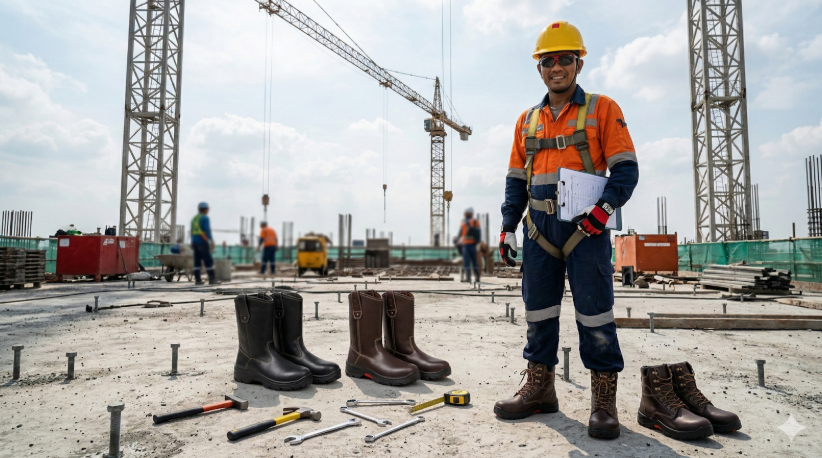
Safety shoes are more than just workwear. They are an important form of protection for workers in construction projects, manufacturing, warehouses, mining, and various industrial environments.
However, choosing the right safety shoes should not be based solely on price, brand, or appearance. The shoe specifications should match the job risks, work environment, expected wear time, and level of protection required.
This guide explains how to choose safety shoes in a practical way, from identifying the right protection based on workplace risks and checking standards and specifications to considering comfort and choosing a distributor that can support your project or industrial needs.
Why Should Safety Shoes Be Selected Based on Risk?
Every workplace has different potential hazards. Construction workers may face falling objects and sharp materials, while warehouse workers may be more exposed to falling loads or slippery surfaces. In other environments, workers may also encounter electricity, oil, heat, or chemicals.
Therefore, the right safety shoes are those that have protective features appropriate to the identified hazards. You can read a more detailed discussion of safety shoe functions to understand the role of various protective features in safety footwear.
Types of Safety Shoes Based on Workplace Risks
Understanding safety shoe types based on workplace risks is an important part of the selection process. Not all shoes offer the same protection features, so the type of work should be one of the first factors to consider before choosing a product.
1. Safety Shoes with Steel Toe
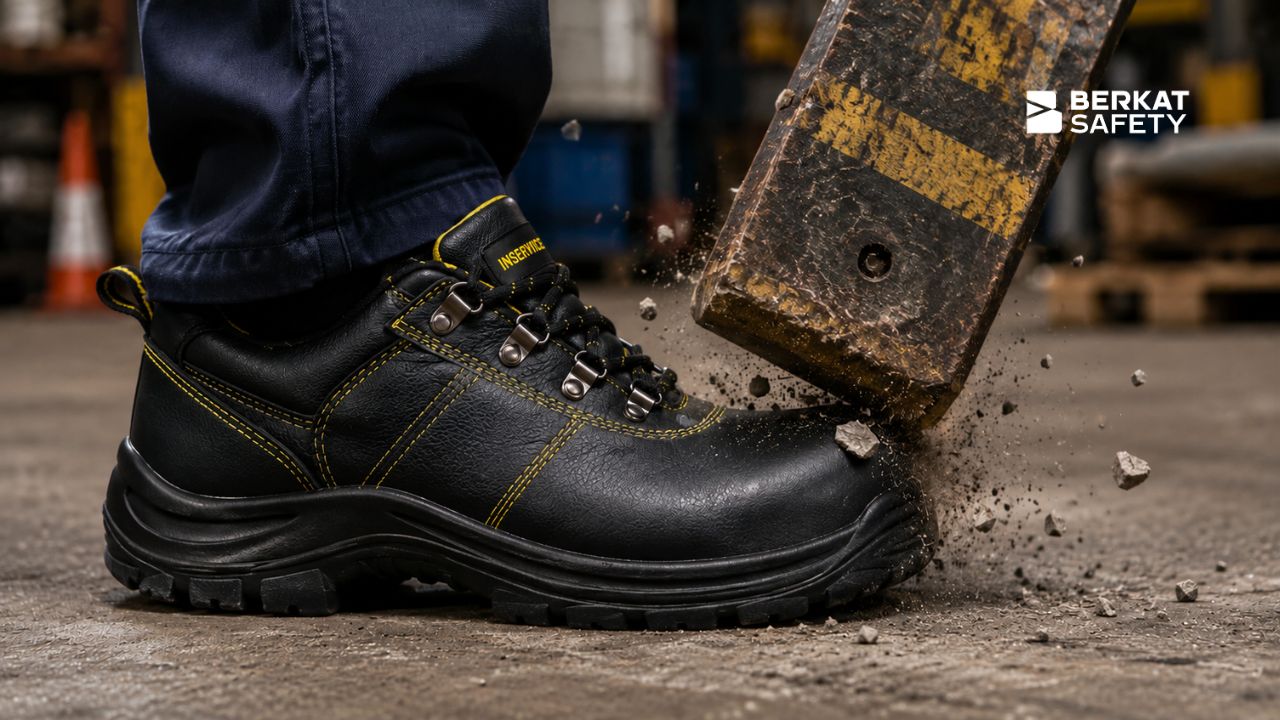
Steel toe shoes use a steel toe cap to help protect the front of the foot from impact and compression. They can be considered for jobs where workers face falling objects or heavy materials.
- Construction projects
- Warehouses and logistics
- Manufacturing and heavy industrial work
2. Safety Shoes with Composite Toe
Composite toe shoes use non-metal materials such as composite materials. They can be a good option when workers need toe protection with a relatively lightweight design or work in areas with specific non-metal requirements.
- Areas that use metal detectors
- Jobs that require lighter safety footwear
- Work environments with specific toe cap material requirements
3. Anti-Slip Safety Shoes
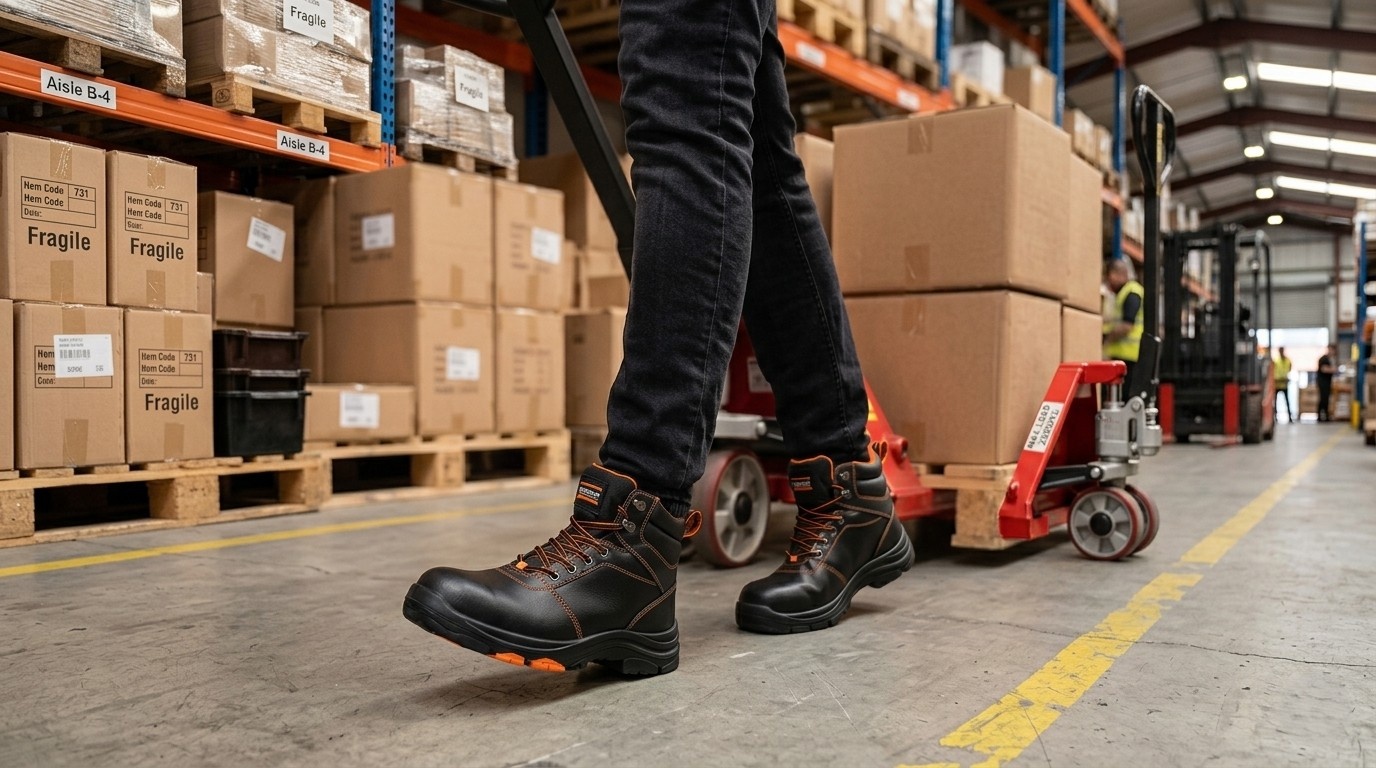
Anti-slip safety shoes have outsoles designed to improve grip on work surfaces. This feature is important when workers operate in wet, slippery, or oily areas.
- Warehouses and logistics areas
- Production areas with slippery surfaces
- Food and beverage industries or workplaces where liquids are frequently used
4. Safety Shoes for Electrical Hazards
Safety shoes with electrical hazard protection are designed to help reduce certain risks associated with electrical sources. Product selection should always follow the technical specifications and results of the workplace risk assessment.
- Electrical technicians
- Installation and maintenance work
- Work areas with potential electrical hazards
5. Chemical-Resistant Safety Shoes
Chemical-resistant safety shoes are used in environments where there is potential contact with certain liquids or chemicals. However, resistance must match the specific substance involved, since no shoe material is resistant to every type of chemical.
- Chemical industries
- Laboratories
- Material processing
- Work areas that handle chemical liquids
Keep in mind that one product may offer more than one protection feature. Do not choose based only on the shoe type name. Check the full product specifications to make sure the protection matches the job risks.
How to Choose the Right Safety Shoes for Projects and Industry
Once you understand the risks and the type of protection required, use the following steps as a guide before making a purchase.
1. Identify Risks in the Work Area
Start with the work conditions, not the brand or model. Identify the hazards workers may face and determine which protection features are needed.
- Is there a risk of falling objects or being struck by materials?
- Is the work surface wet, slippery, or oily?
- Are there potential electrical hazards?
- Could workers be exposed to chemicals?
- Does the job require protection against abrasion, heat, punctures, or other special conditions?
The results of this risk assessment should be the basis for selecting safety footwear.
2. Check the Toe Cap and Other Protection Features
Check whether the shoes use a steel toe, composite toe, or another protection feature that matches the risks. Do not stop at the toe cap. Also consider the outsole, slip resistance, midsole, resistance to oil or chemicals, and other features listed in the product specifications.
3. Make Sure the Product Standards and Specifications Match
Make sure the product has standards or certifications relevant to the job requirements. Common standards found on safety footwear include SNI, ASTM, and EN ISO. Check the product technical documentation to confirm that the protection claims match the specifications you need.
4. Prioritize Fit and Comfort
Safety shoes may be worn for hours at a time. That makes fit and comfort essential parts of choosing the right footwear. Shoes that are too tight, too heavy, or poorly suited to the shape of the foot can limit mobility and make workers uncomfortable throughout the shift.
- A size that matches the foot shape and length
- Weight appropriate for the job
- Adequate airflow
- A comfortable, supportive insole
- A design suited to the work activity
5. Consider Materials and Durability
Pay attention to the quality of the upper and outsole, especially if the shoes will be used in demanding work environments. Certain conditions may require outsoles that resist abrasion, oil, heat, or chemicals. Make sure these characteristics are clearly stated in the product specifications.
6. Match the Shoes to the Usage Duration and Conditions
Shoes used for one or two hours of field work have different requirements from shoes worn for a full shift. Consider wear duration, weather conditions, work surfaces, mobility, and worker needs when choosing the model and materials.
7. Choose a Trusted Safety Shoe Distributor
For company or large-scale project needs, an experienced distributor can help match product choices to workplace risks and job specifications. A distributor can also explain feature differences and supporting product documentation.
- Provides clear product information and specifications
- Offers brands and models that match your needs
- Helps verify product authenticity and supporting documents
- Supports bulk purchasing needs
- Provides consultation based on operational needs
Berkat Safety provides a category of safety shoes for various foot protection needs in the work environment.
Safety Shoe Brands to Consider
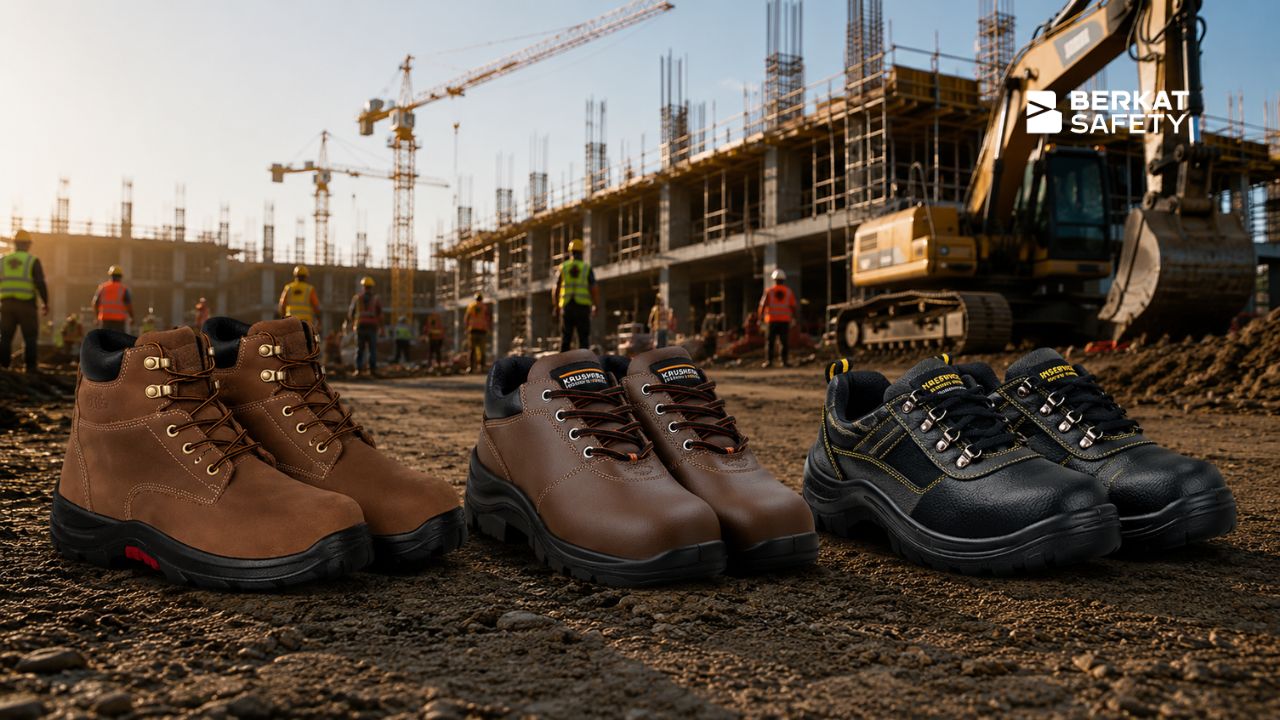
Brand selection should come after you have determined the protection you need. Berkat Safety offers various safety footwear brands that can be matched to different industrial requirements.
One option is INSERVICE, which provides a variety of safety shoes for industrial work environment needs.
In addition, Berkat Safety also offers products from Krushers, AETOS, and various other safety equipment brands. To see options based on brand and product characteristics, you can also read the article 15 Best Safety Shoe Brands That Are Comfortable and Safe for Work.
Mistakes to Avoid When Choosing Safety Shoes
Some purchasing mistakes can reduce the effectiveness of safety footwear, even when the product appears to be high quality.
- Choosing based only on price
- Choosing based on brand without checking specifications
- Not matching protection features to workplace risks
- Ignoring fit and user comfort
- Not checking standards or supporting product documents
- Using shoes that are damaged or no longer provide their intended protection
What Happens If You Choose the Wrong Safety Shoes?
Choosing the wrong safety footwear can increase the risk of injury and create operational impacts for a company. Potential consequences include:
- Worker injuries and lost work time
- Operational or project downtime
- Compensation and incident management costs
- Lower productivity
- Potential findings during K3 or SMK3 audits
- Impact on the company’s reputation
How to Choose for Project and Industrial Needs
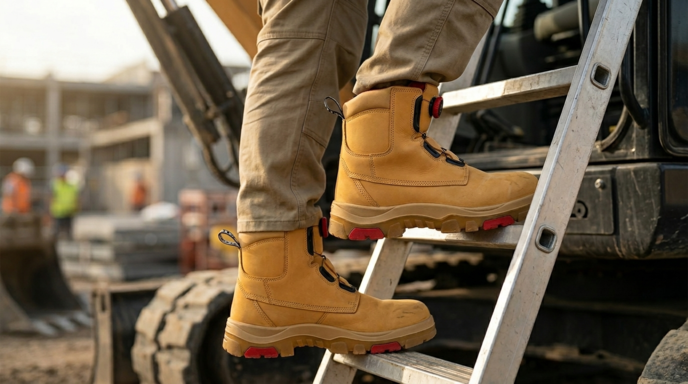
If you need protection for a construction project, focus on risks such as falling objects, sharp materials, work surfaces, and field conditions. For manufacturing or warehouse work, consider the combination of toe cap protection, slip resistance, outsole durability, and wearing comfort.
Jobs involving electrical or chemical risks require closer attention to specific protection specifications. Do not assume that one type of shoe is suitable for every job; the final decision should follow the hazard assessment and product specifications.
Find Safety Shoes for Project and Industrial Needs
Berkat Safety menyediakan berbagai pilihan sepatu safety dari merek terpercaya untuk membantu memenuhi kebutuhan proyek dan industri. Anda dapat view the safety shoe collection dan menyesuaikan pilihan berdasarkan risiko serta spesifikasi pekerjaan.
If you need help in determining the product, contact the Berkat Safety team to get product information and consultation according to your company's needs.
Conclusion
Choosing the right safety shoes should start with identifying workplace risks. Then determine the protection features you need, check product standards and specifications, consider comfort and materials, and choose footwear that suits the conditions of use.
Understanding safety shoe types based on risk is also an important part of the process. Steel toe, composite toe, anti-slip, electrical hazard protection, and chemical resistance serve different purposes and should be selected according to the specific requirements.
For project and industrial needs, do not choose safety shoes based only on price or brand. Choose based on risk, standards, specifications, comfort, and working conditions so the protection provided truly matches the job.