14/09/2026 01:57 AM
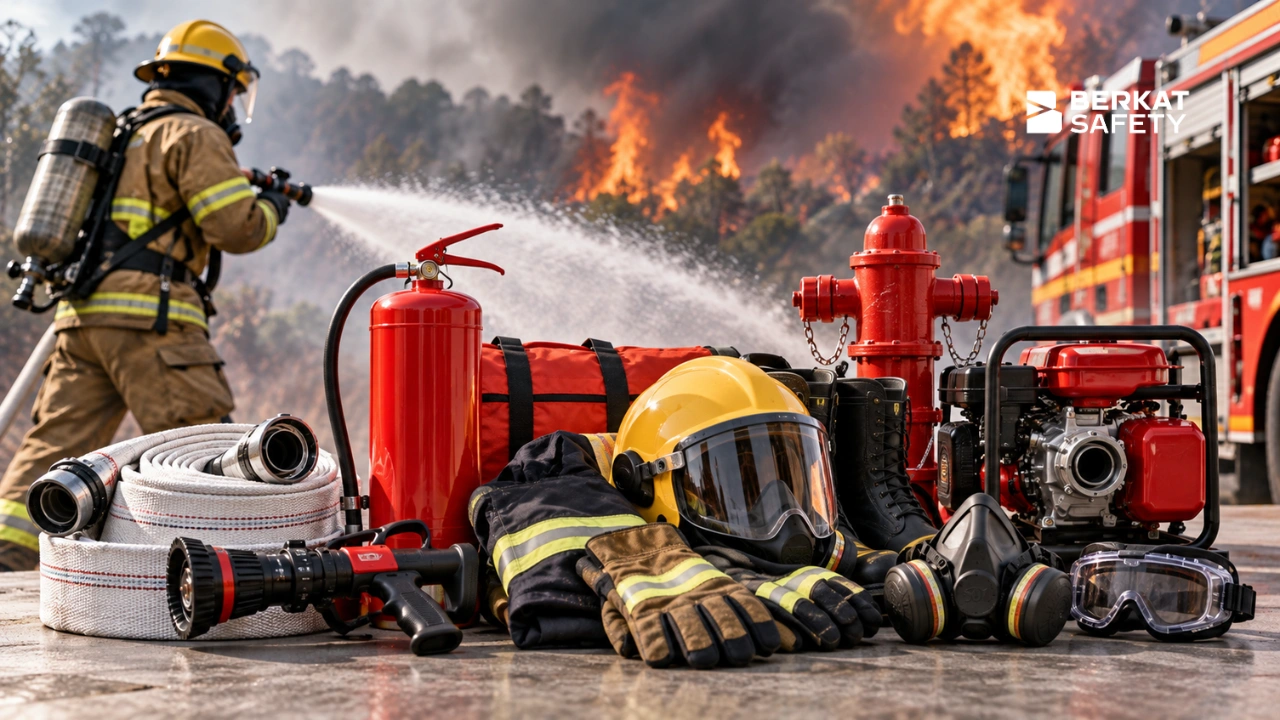
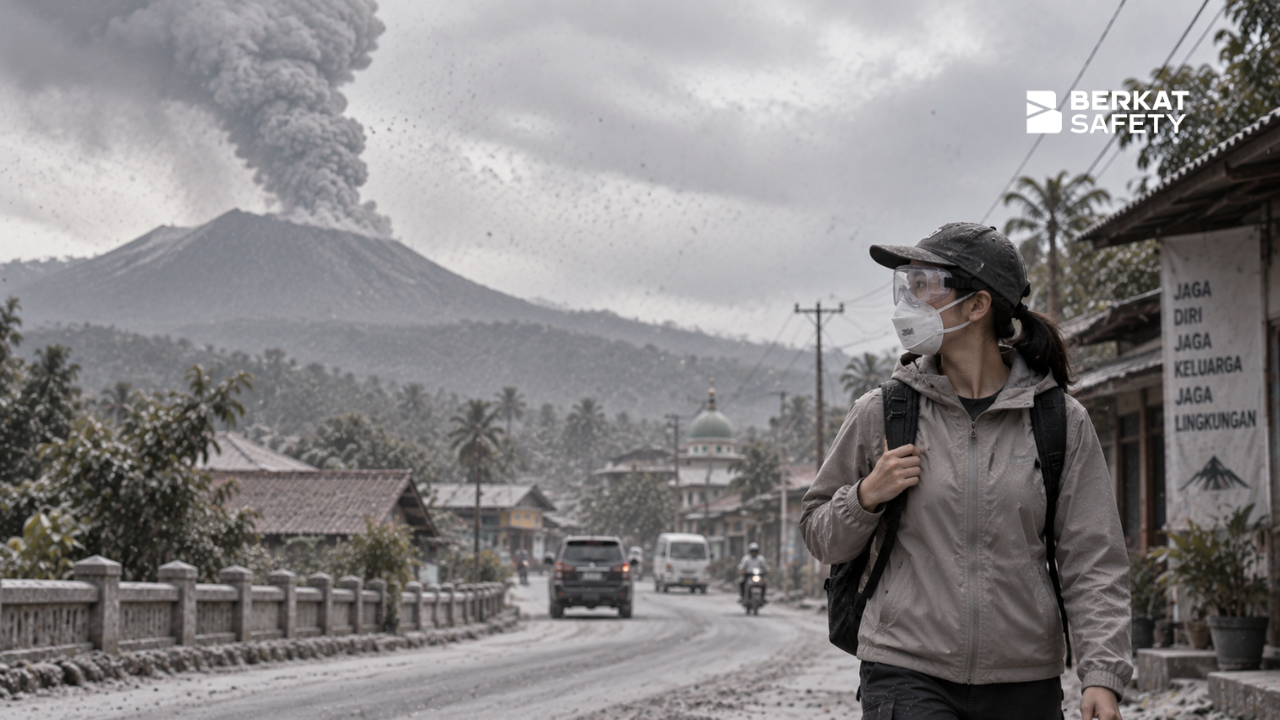
Fires can occur in many environments, from homes and buildings to industrial areas, plantations, forests, and open land. Forest and land fires in several parts of Indonesia have recently drawn attention again, making proper firefighting equipment and personnel protection especially important.
However, dealing with a fire is not simply about having firefighting equipment available. The type of fire, affected area, environmental conditions, water availability, and risks faced by personnel should all be considered when selecting the right equipment.
There are many types of firefighting equipment, each with a different purpose. Some are used to fight fires directly, while others help protect personnel during firefighting operations. Here are 15 commonly used pieces of equipment and their main functions.
Fire Fighting Equipment and Their Functions
1. Fire Extinguisher

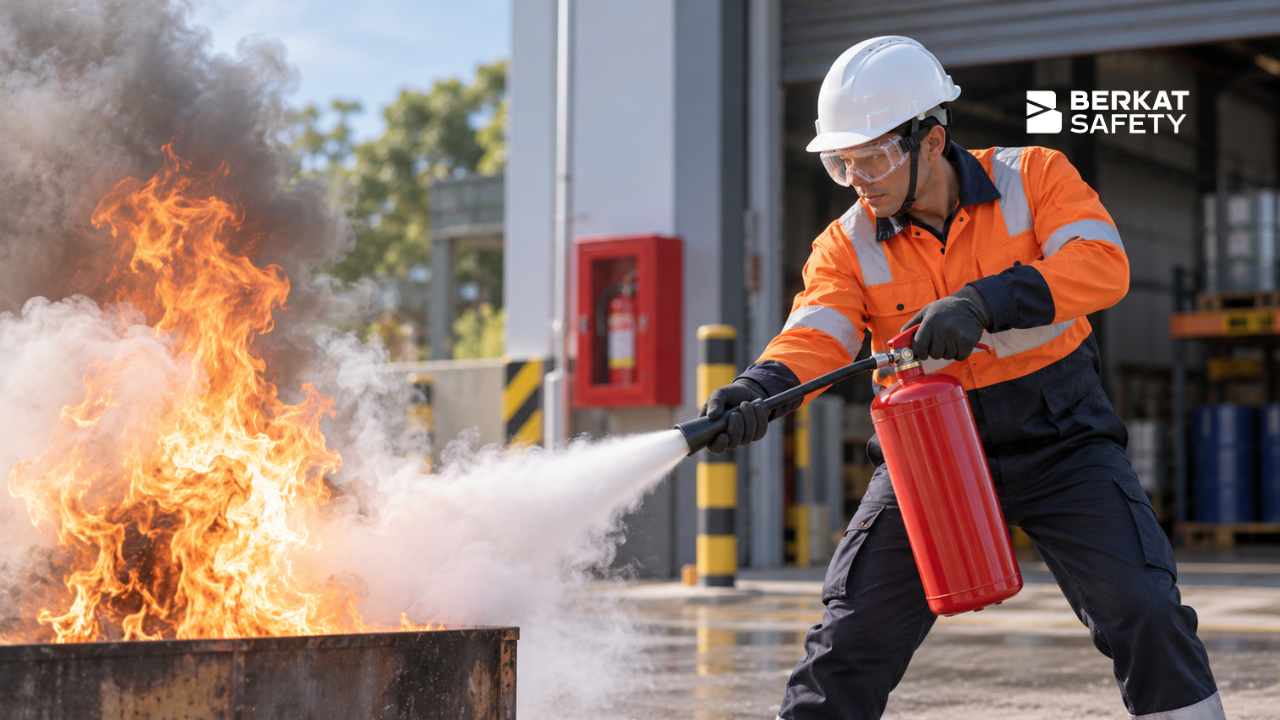
A fire extinguisher is one of the most commonly used pieces of firefighting equipment for initial fire response. Its relatively portable design allows it to be placed in an easily accessible area and used quickly when a fire starts.
Fire extinguishers should not be selected at random because each extinguishing agent has different characteristics and applications. For example, an ABC Dry Chemical Powder extinguisher can be used for certain fire classes according to its product specifications.
Berkat Safety provides a range of fire extinguishers from Tuntas, including different capacities for industrial, commercial, and other applications. The Tuntas 6 kg model, for example, uses ABC Dry Chemical Powder and is intended for Class A, B, and C fires according to its specifications.
2. Fire Hose

Fire hoses are used to deliver water from a water source or firefighting system to the fire. They are an important component of water-based firefighting systems because they allow water to be directed from the source to the fire.
Fire hoses are commonly found in industrial facilities, buildings, commercial areas, and firefighting operations that require a large water supply.
Berkat Safety provides the Fire Hose Nova Type 3, designed for marine, offshore, industrial, and demanding environments. Its construction is resistant to heat, abrasion, oil, chemicals, and certain environmental conditions.
3. Fire Hose Nozzle
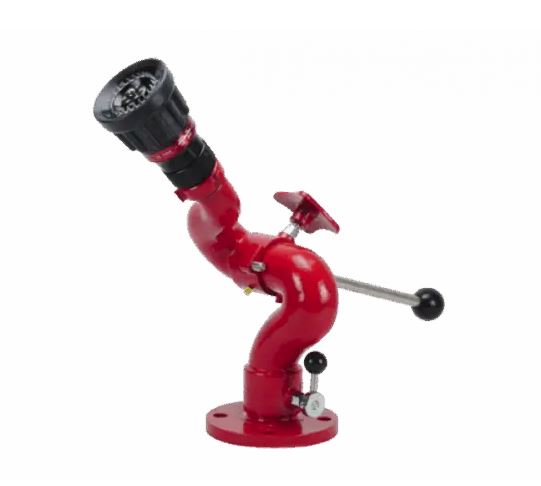
A fire hose nozzle is fitted to the end of a hose to help direct and control the flow of water toward the area that needs to be extinguished.
A nozzle allows the operator to control the water stream more precisely than simply allowing water to flow directly from the hose. The nozzle type should match the firefighting system, water pressure, flow rate, and operational requirements.
For larger firefighting systems, Berkat Safety also provides Fire Monitors for directing water flow in industrial applications. The DF1900, for example, has a 2-inch waterway, a flow capacity of up to 1,900 LPM, and 360-degree rotation.
4. Fire Hydrant
A fire hydrant is part of a fire protection system that provides access to a water supply for firefighting.
Unlike portable fire extinguishers, hydrants are generally part of the fire protection system in buildings or facilities that require greater firefighting capacity.
Hydrant systems are typically combined with other components such as a water source, pumps, pipes, hoses, and nozzles. Therefore, hydrant system design needs to consider the facility's overall conditions and requirements.
5. Fire Pump
Fire pumps help provide the water pressure and flow required by water-based firefighting systems.
In facilities using hydrant systems or other firefighting systems, water pressure is important to ensure that water reaches the fire with an appropriate flow rate.
Fire pump selection should match the system design, required flow rate, pressure, water source, and facility characteristics. For industrial-scale firefighting systems, Berkat Safety also offers a range of fire equipment for fire safety applications.
6. Fire Monitor
Fire monitors are used to direct large volumes of extinguishing media toward a fire. They are generally used in facilities that require greater reach and firefighting capacity than portable equipment can provide.
One product available from Berkat Safety is the DELTA FIRE DF1900 Fixed Station Monitor. It offers 360-degree rotation and elevation adjustment to help direct water flow as needed.
7. Fire Blanket
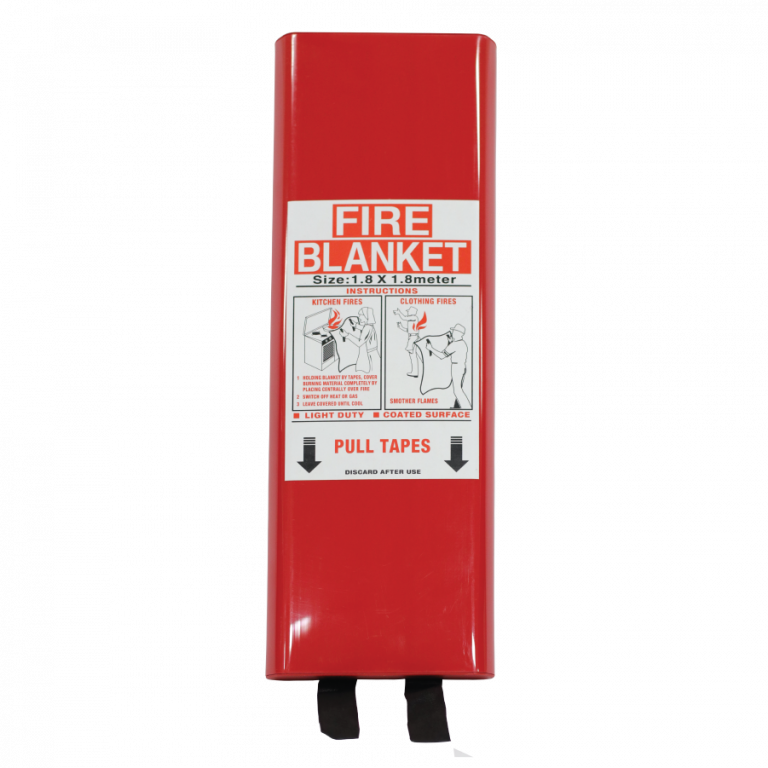
A fire blanket is a heat-resistant sheet used to help deal with certain fires by covering the source and reducing its oxygen supply.
Fire blankets are generally more suitable for certain small, contained fires, such as those in kitchens, laboratories, or specific workplace environments.
Berkat Safety provides the CIG 110 Fire Blanket as one of the tools that can be used during a fire emergency.
8. Fire Helmet

Firefighting requires more than equipment for extinguishing flames; it also requires protection for personnel working in hazardous environments.
Fire helmets are designed to help protect the head from hazards associated with firefighting, such as heat, flames, impacts, and falling or flying objects.
Depending on the product design, a fire helmet can also provide additional protection for areas such as the face, neck, and ears.
Berkat Safety offers fire helmets as a type of head protection for firefighting and rescue applications.
9. Safety Goggles
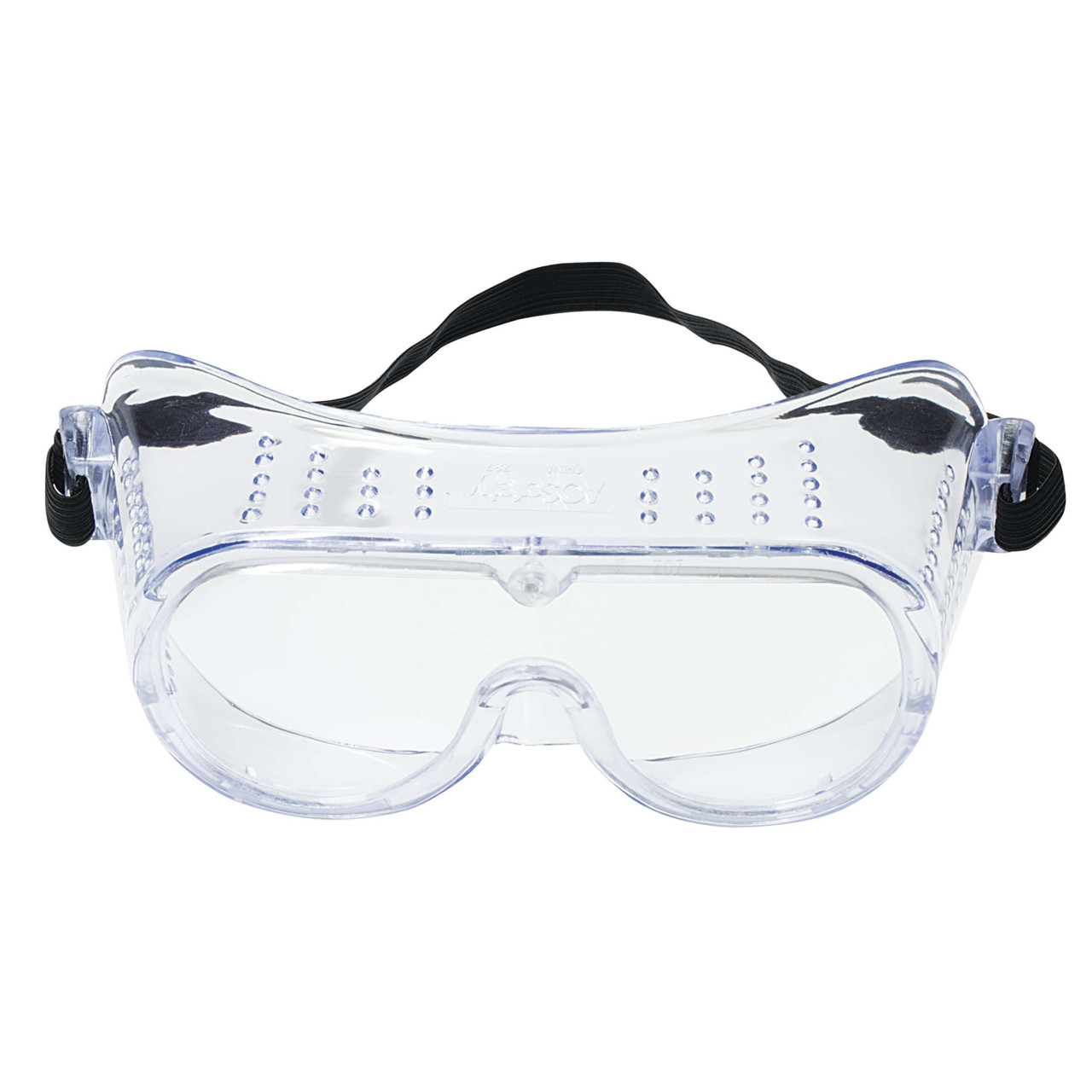
Smoke, dust, ash, particles, and airborne materials can pose a risk to the eyes when working around a fire.
Safety goggles help protect the eyes and generally provide more coverage than standard safety glasses.
Berkat Safety provides safety goggles from various brands, with options offering different protection features, designs, ventilation, and product specifications.
Goggles should still be selected based on the hazards that may be encountered because not all products provide the same level of protection.
10. Fire Fighting Suit or Heat-Resistant Protective Clothing

Fire fighting suits help protect personnel from heat, flames, and other workplace hazards according to their protection specifications.
Protective clothing for work involving heat exposure should be selected based on the level of risk and the characteristics of the job. Not all heat-resistant clothing provides the same protection as dedicated firefighting clothing.
Berkat Safety provides a range of protective apparel for body protection in the workplace. The categories include protective clothing for various industrial hazards, including heat and other risks.
11. Fire Fighting Gloves
The hands can be exposed to heat, hot surfaces, sparks, and various mechanical hazards during firefighting operations.
Fire fighting gloves are designed to protect the hands according to the nature of the job and the level of hazard involved.
When selecting gloves, consider the material, heat resistance, design, size, flexibility, and standards listed for the product.
Berkat Safety provides hand protection with various types of gloves for industrial applications, including welding gloves and work gloves. Products should be selected based on the risks and protection specifications required.
12. Fire Fighting Boots
The feet also need protection when personnel work in areas with risks such as heat, embers, sharp materials, uneven surfaces, or other environmental hazards.
Fire fighting boots are designed to protect the feet according to firefighting requirements. Factors such as material, heat resistance, sole construction, grip, and comfort are important considerations.
For workplace foot protection, Berkat Safety provides a protective footwear category with various safety footwear options.
13. Respirator or Respiratory Protection
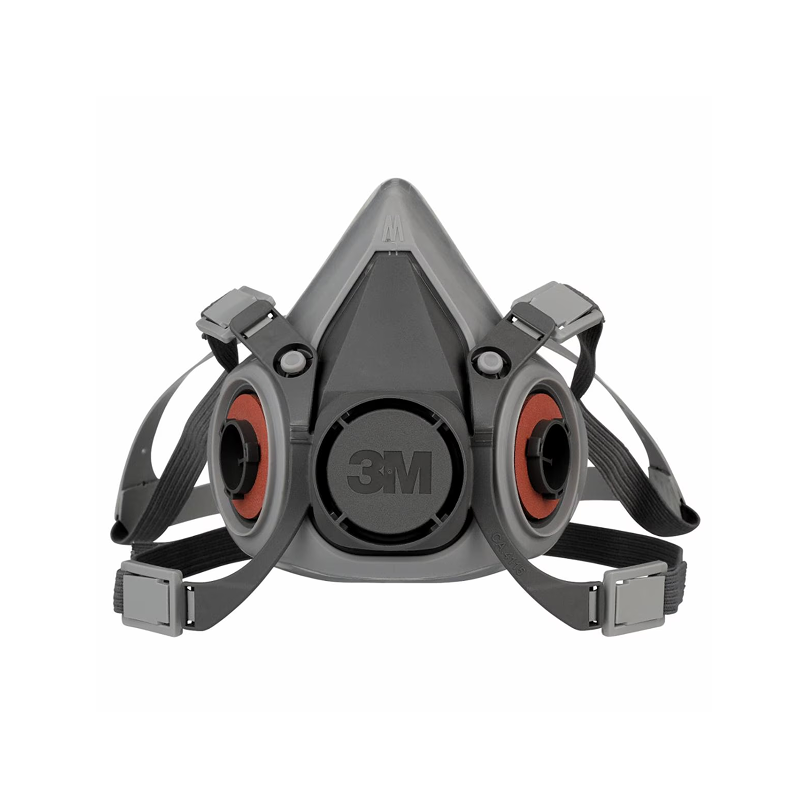
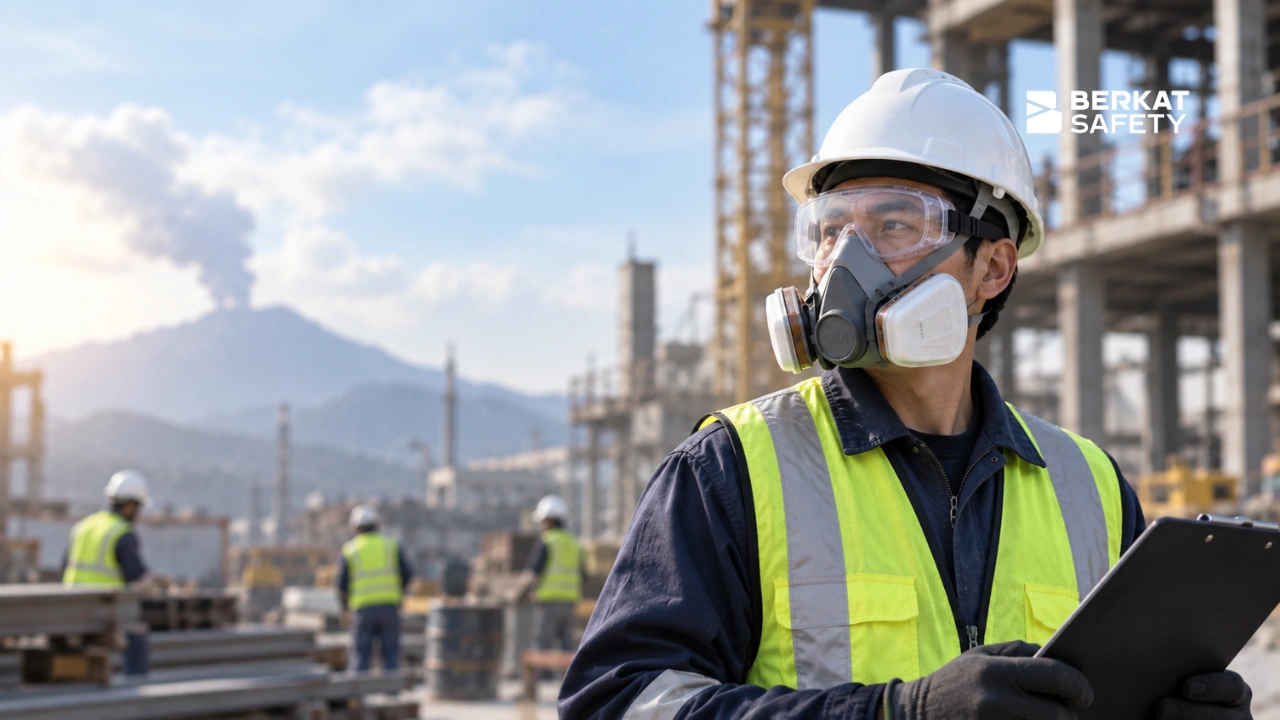
Fires produce smoke and particles that can create respiratory hazards. For this reason, respiratory protection should be part of personnel safety considerations.
However, masks and respirators should not be selected based only on their appearance. The type of hazard, contaminant concentration, exposure duration, and job requirements all need to be considered.
Berkat Safety provides respiratory protection including respirators, masks, filters, and cartridges for various workplace exposure risks.
For conditions involving high respiratory risks, respiratory protection should be selected based on risk identification and applicable safety requirements.
14. Backpack Sprayer
Backpack sprayers are used to carry and spray water more easily in specific areas.
This equipment can be useful when personnel need to carry extinguishing media directly to locations that are difficult to reach with hose systems or vehicles.
In vegetation fire situations, portable equipment like this can support firefighting in certain areas. However, its use should take into account fire conditions, terrain, wind direction, and personnel safety.
15. Portable Fire Pump
Portable fire pumps help move water from a water source to locations that need firefighting. They can be useful when the water source is some distance from the fire.
For open areas, pump requirements depend greatly on the water source, distance, terrain, flow capacity, and firefighting strategy.
Berkat Safety offers various fire equipment and firefighting products from brands such as DELTA FIRE.
Fire Fighting Equipment Must Match the Conditions and Risks
Not all firefighting equipment is suitable for every situation. A fire extinguisher may be an option for initial response in certain situations, while larger fires require systems and equipment with appropriate capacity.
For fires in open areas such as forests and land, terrain, wind direction, affected area, vegetation type, water availability, and access to the location can influence the response strategy.
Personnel involved in firefighting also need protection appropriate to the risks. Fire helmets, protective clothing, gloves, protective footwear, eye protection, and respiratory protection may all be considered depending on the working conditions.
Equipment should therefore be selected based on hazard identification, risk assessment, product specifications, and applicable safety procedures.
Complete Your Fire Safety and Personnel Protection Needs with Berkat Safety
Being prepared for a fire is not only about having firefighting equipment available. Equipment must also match the risks involved and the capabilities of the people using it. From fire extinguishers, fire hoses, and fire equipment to protective gear such as fire helmets, goggles, protective apparel, gloves, and respiratory protection, each item has a different role in supporting safety.
Berkat Safety provides a range of safety equipment and PPE from various brands for industrial needs, including products related to fire safety and personnel protection. Berkat Safety also provides Tuntas products for fire extinguishers and DELTA FIRE products for firefighting equipment.
If you need help determining the right equipment for the conditions and risks in your workplace, you can contact the Berkat Safety team. We can help recommend products based on your operational needs and required protection specifications.