5 Cara Membersihkan Sol Sepatu Safety dari Lumpur dan Kerikil agar Tidak Licin
 Super Admin
 06/05/2026 03:22 AM
Why Is It Important to Clean Safety Shoe Soles?
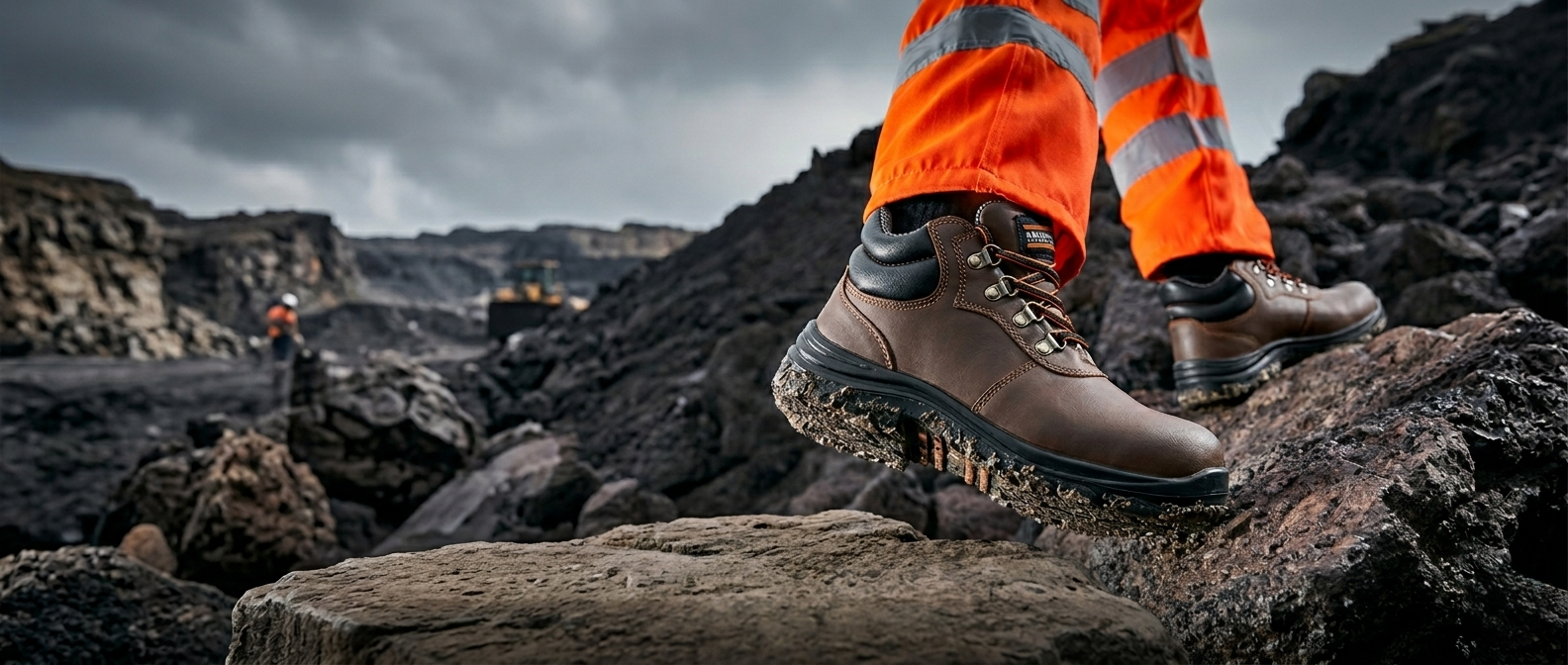
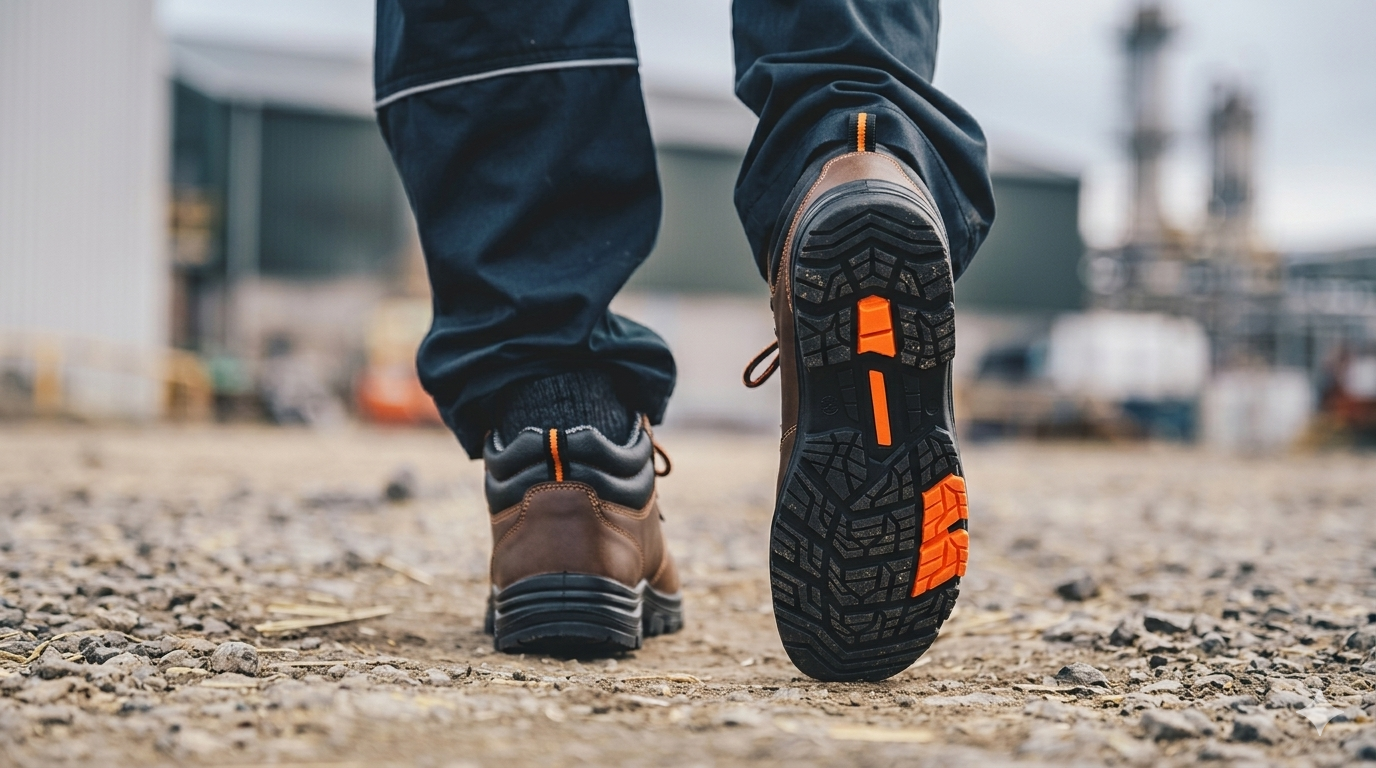
The sole is the part of safety shoes that comes into direct contact with the ground—and it’s often the most overlooked. Mud, gravel, and dust trapped in the sole can:
- Block the tread pattern
- Reduce traction
- Make shoes slippery
- Increase the risk of slips and falls
In many workplace incidents, slippery soles are a major contributing factor, especially in wet, muddy, or uneven environments. That’s why cleaning safety shoe soles is not just about cleanliness—it’s a crucial part of workplace safety.
5 Ways to Clean Safety Shoe Soles Properly
Follow these steps to effectively clean safety shoe soles from mud and gravel:
1. Let the Mud Dry First
Avoid cleaning the soles while the mud is still wet.
Wet mud tends to:
- Spread deeper into the grooves
- Become harder to remove
- Make cleaning less effective
Let it dry slightly so it can be removed more easily.
2. Use a Firm Brush
Unlike the upper part of the shoe, the sole requires a slightly firmer brush.
A brush helps to:
- Remove dried mud
- Clean between tread patterns
- Restore grip performance
This step is essential in how to clean slippery safety shoe soles.
3. Remove Gravel with a Tool
Small stones often get stuck in the sole grooves.
Use:
- A wooden stick
- A small non-sharp tool
Avoid sharp metal objects, as they can damage the sole structure.
This step helps maintain the anti-slip function.
4. Rinse or Wipe with Water (Lightly)
After removing the main dirt, clean off remaining particles with a small amount of water.
Tips:
- Do not soak the shoes
- Use minimal water
- Focus only on the sole
This ensures no residue is left that could reduce traction.
5. Make Sure the Sole Is Completely Dry
Wet soles can also be slippery.
Ensure that:
- The sole is fully dry
- There is no excess moisture
- The shoes are dried in a well-ventilated area
This is a commonly overlooked step in safety shoe sole maintenance.
Benefits of Cleaning Safety Shoe Soles Regularly
Routine cleaning offers several advantages:
- Improves traction (anti-slip performance)
- Reduces the risk of slipping
- Maintains optimal shoe performance
- Extends the lifespan of your safety shoes
Clean soles provide better stability, especially in slippery or uneven work environments.
Common Mistakes When Cleaning Safety Shoe Soles
Avoid these mistakes:
- Cleaning while mud is still wet
- Ignoring dirt trapped in grooves
- Using sharp tools
- Leaving the sole damp
- Not cleaning regularly
These mistakes can make shoes remain slippery even if they look clean.
Additional Tips to Prevent Slippery Safety Shoes
To maximize safety:
- Check tread patterns regularly
- Clean shoes after working in muddy areas
- Avoid prolonged use in extreme conditions without maintenance
- Choose safety shoes with high-quality anti-slip soles
For full maintenance, you can also read our guide on how to clean safety shoes to keep the entire shoe in top condition.
Why Proper Maintenance Matters for Workplace Safety
Safety shoes are designed to protect—but their performance depends on proper care.
Dirty soles can:
- Reduce stability
- Increase accident risk
- Affect overall comfort
That’s why cleaning safety shoe soles should be a routine, not an occasional task. At Berkat Safety, we believe that workplace safety depends not only on high-quality products, but also on proper usage and maintenance.
FAQ About Cleaning Safety Shoe Soles
1. How often should safety shoe soles be cleaned?
Ideally after every use in muddy or gravel-filled environments.
2. Can I use sharp objects to remove gravel?
Not recommended. Use non-damaging tools like wooden sticks.
3. Why do safety shoe soles become slippery?
Because dirt and mud cover the tread pattern, reducing traction.
4. Is water alone enough to clean the soles?
Not always. A brush is needed to remove dirt from grooves effectively.
5. Do clean soles really affect workplace safety?
Yes. Clean soles improve traction and significantly reduce slip risks.
Keeping your soles clean may seem like a small step, but it has a major impact on workplace safety. By understanding how to clean safety shoe soles properly, you not only extend the lifespan of your footwear but also ensure every step is safer and more stable. Small maintenance habits today can prevent bigger risks tomorrow.