24/06/2026 05:17 AM
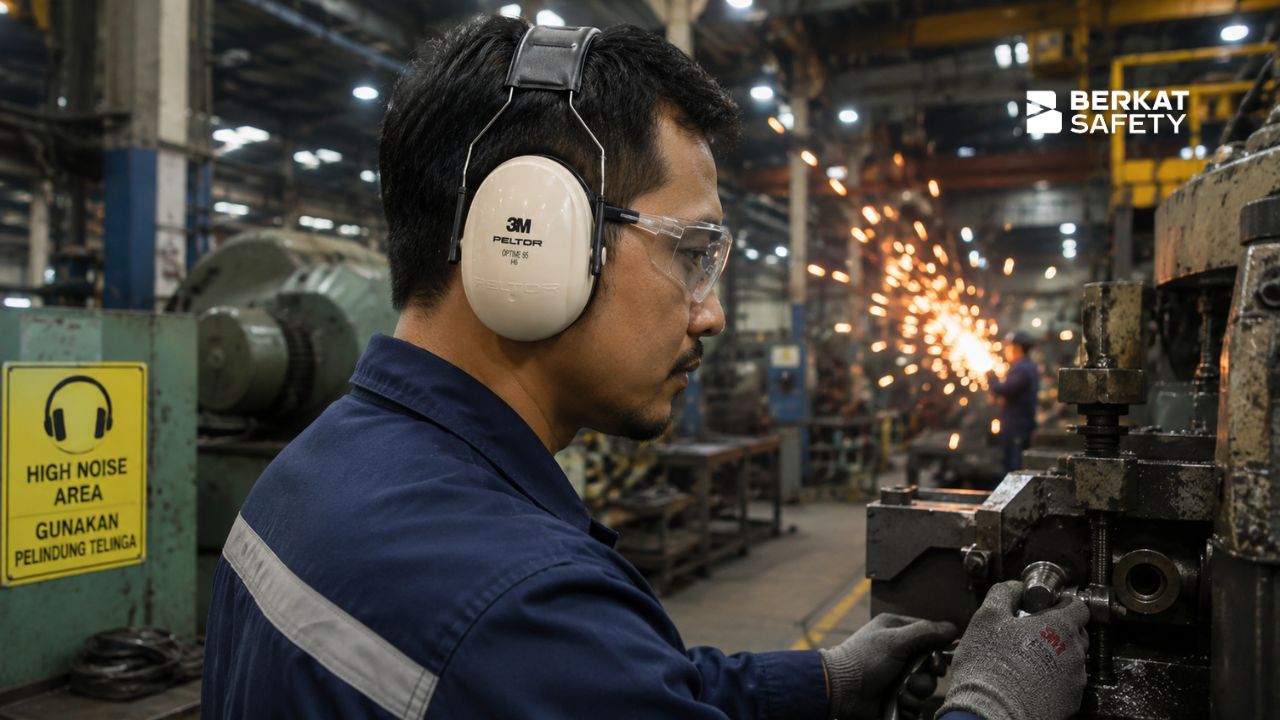
Work environments across various industries are often exposed to high levels of noise. Sounds generated by production machinery, heavy equipment, compressors, generators, and construction activities can have serious effects on hearing health when workers are exposed over extended periods.
Unfortunately, hearing impairment caused by excessive noise often develops gradually and may go unnoticed until permanent damage occurs. For this reason, hearing protection equipment plays an essential role in Occupational Safety and Health (OSH) programs. These protective devices help reduce noise exposure, enabling workers to perform their duties more safely and comfortably.
In this article, we will discuss what hearing protection equipment is, its functions, the common types available, and the working environments where hearing protection is necessary.
What Is Hearing Protection Equipment?
Hearing protection equipment is a type of Personal Protective Equipment (PPE) designed to protect workers from excessive noise exposure in the workplace.
As part of an Occupational Safety and Health (OSH) program, hearing protection plays an important role in minimizing the risk of hearing loss caused by prolonged exposure to high-intensity noise. This type of PPE is widely used in manufacturing, construction, mining, oil and gas, and transportation industries.
Hearing protection is essential because damage to the auditory system is generally permanent and difficult to reverse. Therefore, preventive measures through the use of hearing protection devices are among the most effective ways to preserve workers' hearing health.
Functions of Hearing Protection Equipment
Reducing Noise Exposure
The primary function of hearing protection equipment is to reduce the amount of noise entering the ear canal. By lowering sound intensity, the risk of noise-related hearing damage can be minimized.
Noise reduction is particularly important in workplaces where employees are continuously exposed to high noise levels.
Protecting Against Permanent Hearing Damage
Long-term exposure to excessive noise can damage the delicate hair cells within the inner ear. Such damage may result in permanent hearing loss.
Using hearing protection devices helps safeguard the auditory system from these harmful effects and supports workers' long-term health.
Improving Concentration and Productivity
Excessive workplace noise can interfere with focus and concentration. Hearing protection helps reduce unwanted sounds, allowing workers to perform tasks more effectively.
Improved concentration also contributes to better productivity and work quality.
Supporting Compliance with Occupational Safety Standards
Many companies require hearing protection as part of their workplace safety policies. The proper use of PPE helps organizations comply with applicable occupational safety regulations while demonstrating their commitment to employee protection.
A strong safety culture contributes to a safer and more professional working environment.
Reducing the Risk of Noise-Induced Hearing Loss (NIHL)
Noise-Induced Hearing Loss (NIHL) is one of the most common occupational illnesses in industries with high noise exposure.
Consistent use of hearing protection equipment helps reduce the risk of NIHL and preserves hearing function over the long term.
Types of Hearing Protection Equipment
Several types of hearing protection devices are commonly used in industrial environments. Each offers different characteristics and benefits depending on specific workplace requirements.
1. Earplugs
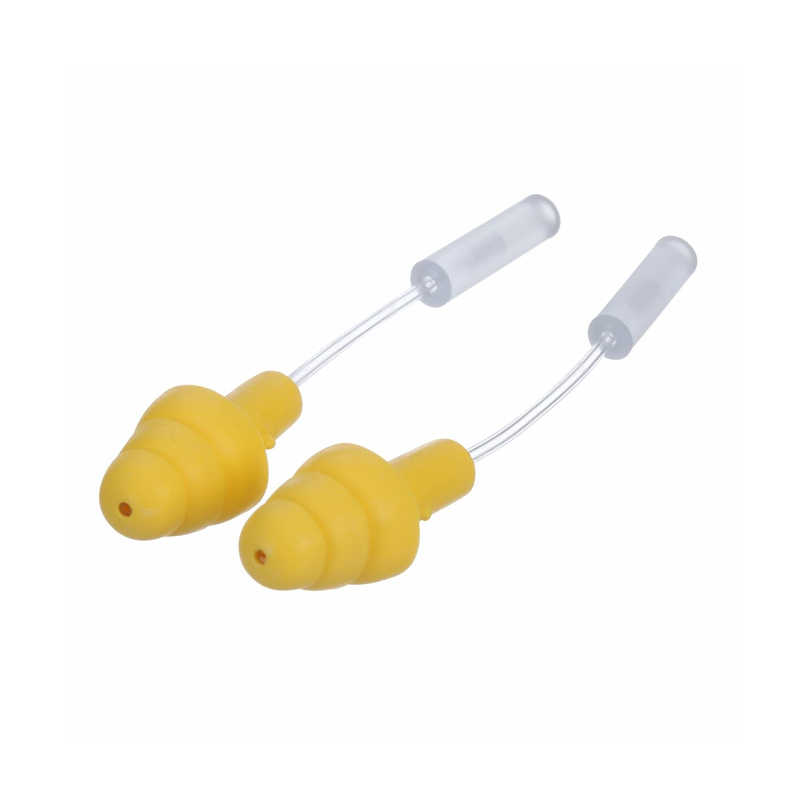
Earplugs are hearing protection devices inserted directly into the ear canal to reduce incoming sound.
They are available in various materials, including foam, silicone, and reusable options. Their compact size makes them easy to carry and comfortable for different work activities.
Advantages of Earplugs
- Lightweight and easy to use.
- Portable and convenient.
- Compatible with other PPE, such as safety helmets.
- Effective in a variety of noisy environments.
Typical Applications
Earplugs are widely used in manufacturing facilities, construction sites, mining operations, and production areas with high noise levels.
2. Earmuffs
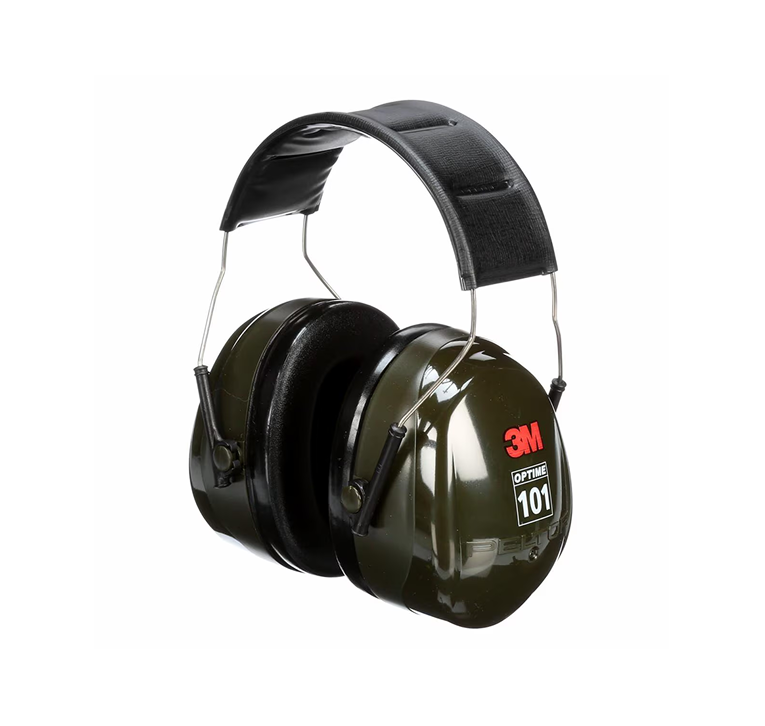
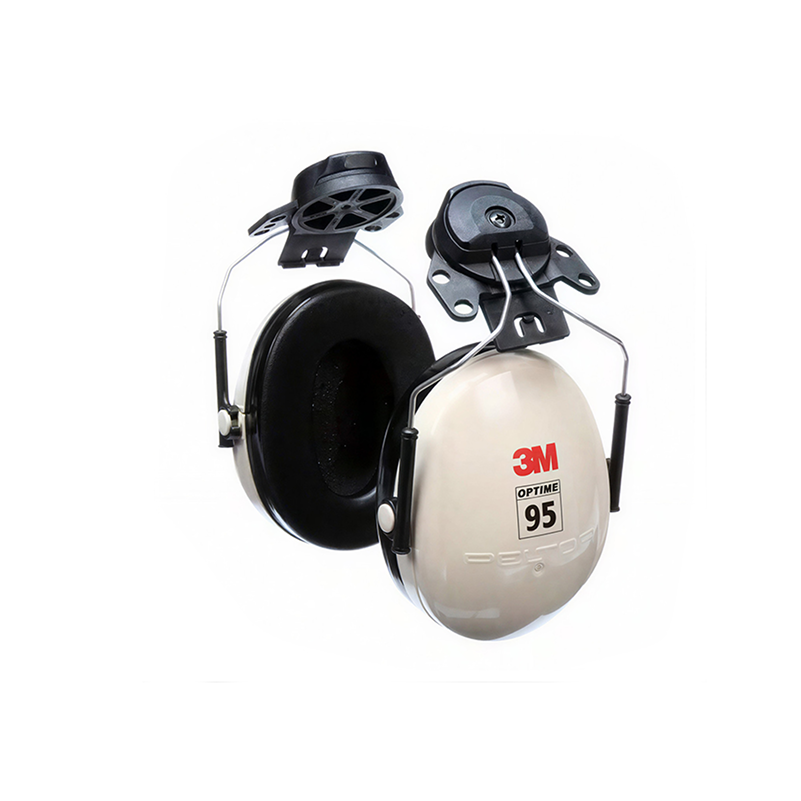
Earmuffs are hearing protection devices that completely cover the ears using cushioned ear cups connected by a headband.
Because they enclose the ears entirely, earmuffs generally provide consistent and reliable noise reduction.
Advantages of Earmuffs
- Easy to wear and remove.
- Suitable for both short-term and prolonged use.
- No insertion into the ear canal is required.
- Provide stable protection against noise.
Typical Applications
Earmuffs are commonly used in construction sites, airports, mining operations, heavy industries, and other environments with extremely high noise levels.
3. Electronic Hearing Protection
Electronic hearing protection devices utilize advanced technology to reduce hazardous noise while maintaining communication capabilities.
These devices are particularly useful in work environments where communication between workers is essential without compromising hearing protection.
Advantages of Electronic Hearing Protection
The main advantage of electronic hearing protection is its ability to combine hearing protection with effective communication in the field.
Typical Applications
Electronic hearing protection is frequently used in aviation, military operations, specialized manufacturing, and workplaces requiring intensive coordination among personnel.
When Should Hearing Protection Equipment Be Used?
Hearing protection equipment is strongly recommended in workplaces with high noise levels or environments that may cause hearing impairment.
Common applications include:
Production Areas
Continuously operating machinery can generate high-intensity noise that may damage hearing over time.
Construction Industry
Heavy equipment, cutting machines, and construction tools often produce significant noise levels.
Mining Industry
Drilling, blasting, and heavy equipment operations make mining one of the industries with the highest noise exposure risks.
Manufacturing Industry
Manufacturing facilities typically involve multiple machines operating simultaneously, resulting in elevated noise levels that require effective control.
Airports and Transportation
Aircraft engines, operational vehicles, and transportation activities can generate extremely high sound levels.
Oil and Gas Industry
Drilling operations, compressors, turbines, and other industrial equipment often produce substantial noise that necessitates hearing protection.
Areas with Noise Levels Above 85 dB
In general, workers exposed to noise levels exceeding 85 dB over extended periods are advised to use hearing protection devices to reduce the risk of hearing loss.
Find the Right Hearing Protection Equipment for Your Industry
Berkat Safety offers a wide range of hearing protection solutions designed to help protect workers from excessive noise exposure. Our selection includes earplugs and earmuffs from trusted brands that are widely used across various industries to support Occupational Safety and Health (OSH) programs.
With comprehensive product options and the support of an experienced team, Berkat Safety is ready to help companies identify the most suitable hearing protection solutions. Contact us to discuss your hearing protection requirements, from earplugs to earmuffs, and ensure that the protection provided matches the noise levels and risks present in your workplace.