28/08/2026 04:34 AM


Occupational safety and health are essential aspects of every workplace activity, particularly for high-risk operations such as working at height and working in confined spaces. These activities require a thorough understanding of potential hazards, safe work procedures, pre-work inspections, and the appropriate personal protective equipment and safety solutions.
To strengthen awareness and knowledge of workplace safety, MSA Safety and Berkat Safety collaborated to host a safety seminar focusing on key aspects of work at height and confined space safety.
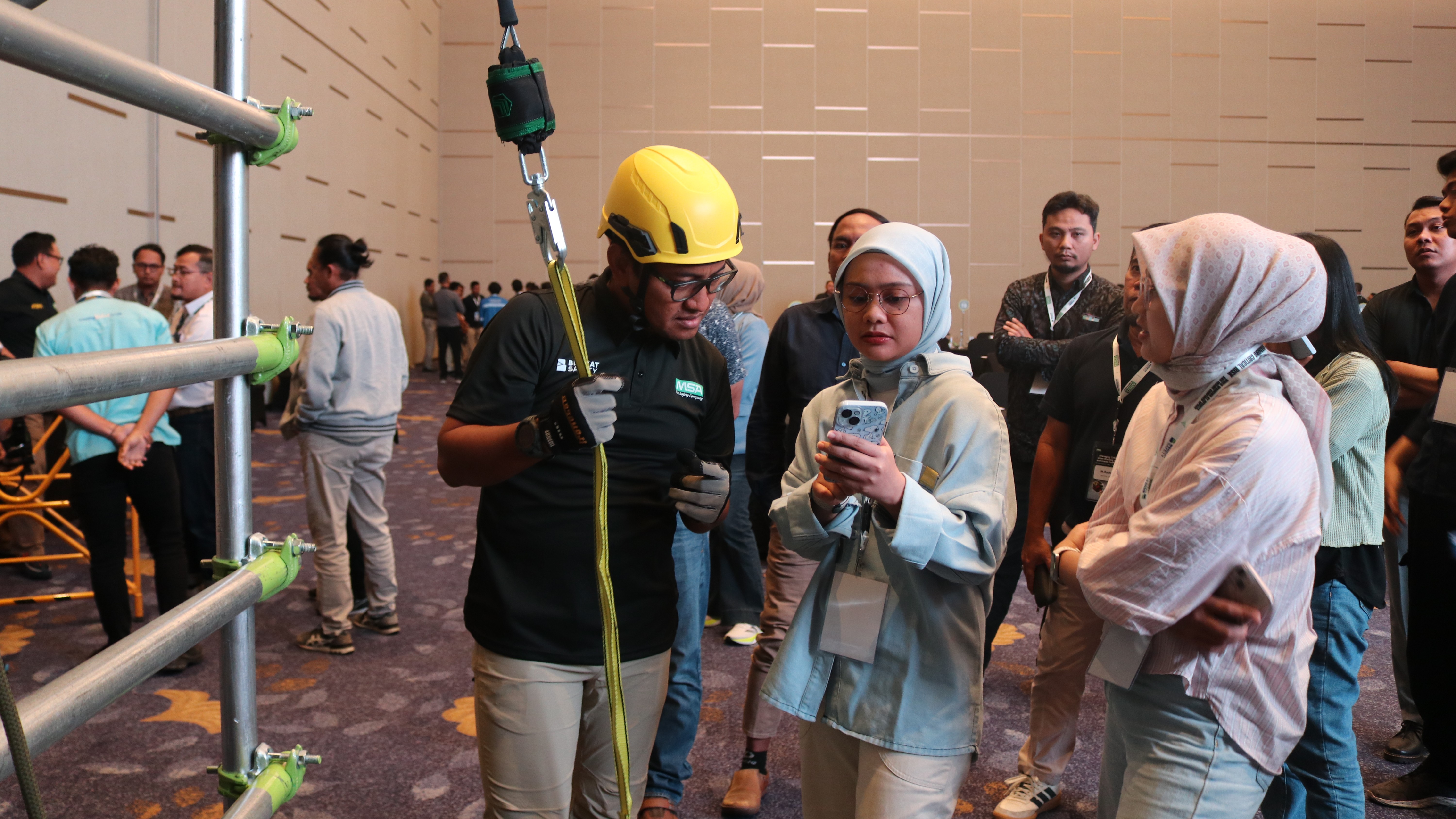
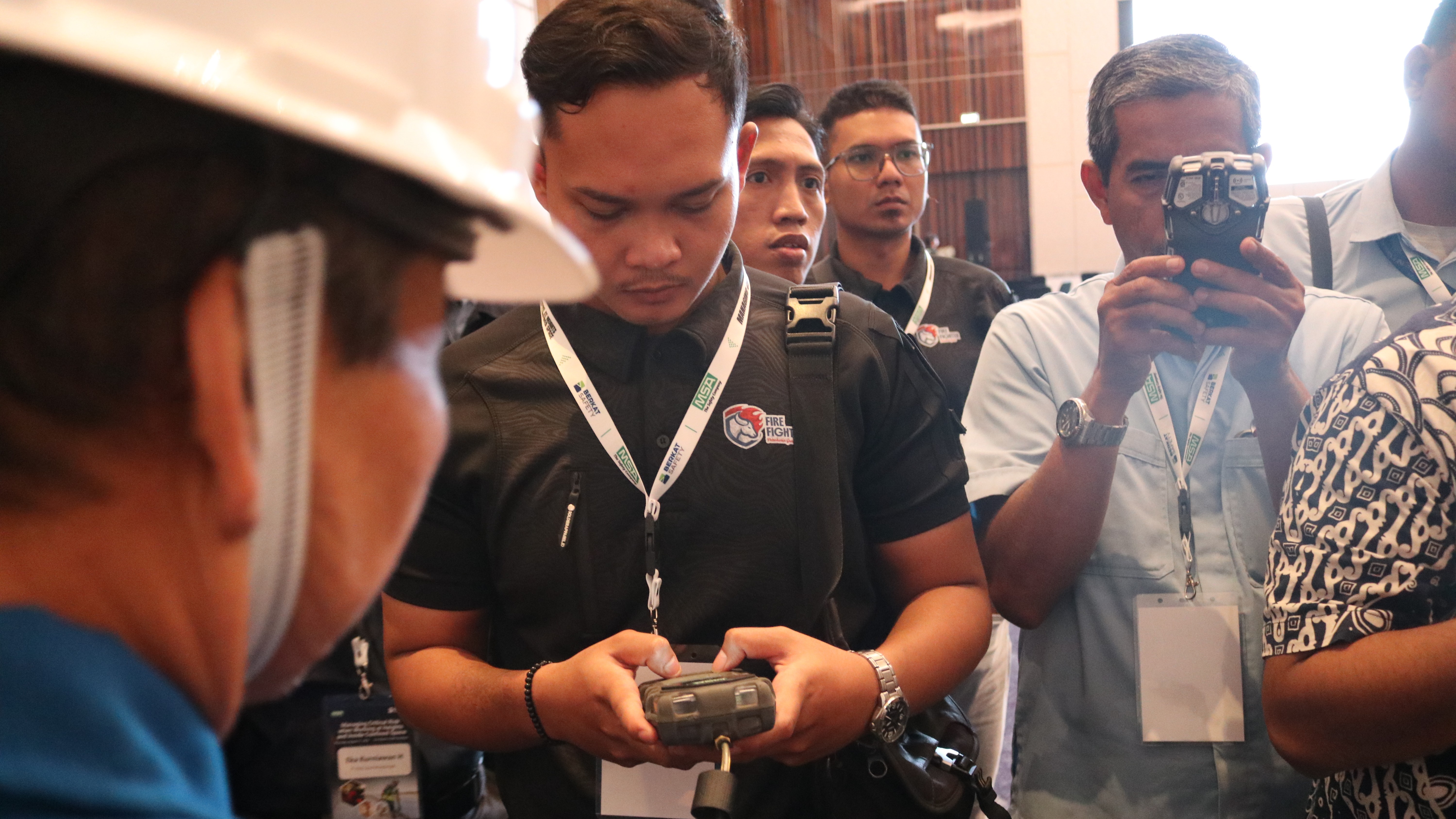
The event featured not only educational presentations but also simulations and hands-on workshops, giving participants the opportunity to gain practical experience with MSA Safety solutions.
Understanding the Importance of Work at Height and Confined Space Safety
Working at height and working in confined spaces involve different types of hazards and therefore require specific safety approaches.
For work at height, fall protection is one of the most critical aspects that must be addressed. Workers need to understand the potential risks of falls and the importance of implementing appropriate fall protection measures.
Meanwhile, confined space work requires careful consideration of the working environment, entry procedures, potential hazards inside the space, and worker preparedness before entry.
For this reason, understanding work at height safety and confined space safety is an important part of maintaining a safe working environment.
Through the seminar, participants were introduced to these safety principles through a combination of presentations, discussions, simulations, and practical workshops.
K3 Safety for Work at Height and Confined Spaces
One of the main sessions of the seminar was titled “Occupational Safety and Health in Work at Height and Confined Spaces,” presented by Danar Rahadian, ST., MT., Occupational Safety and Health Inspector Specialist for Workplace Environment.
The session provided important insights into occupational safety and health practices for two types of work that can involve significant workplace hazards.
The discussion emphasized that workplace safety is not limited to the use of personal protective equipment. Effective safety management also requires proper work planning, hazard identification, risk assessment, and the implementation of appropriate control measures.
Understanding these principles helps workers and safety professionals develop a more comprehensive approach to managing workplace risks.
Pre-Check Before Entering a Confined Space
Confined spaces require special attention before workers enter and perform activities inside them.
The seminar therefore included a session titled “Pre Check Entry Into Confined Space,” presented by Galih Putro Ramadhantyo.
The session highlighted the importance of conducting proper checks before entering a confined space. Pre-entry inspection is an essential part of ensuring that relevant safety considerations and preparations have been addressed before entry begins.
By understanding the confined space entry pre-check process, workers and responsible personnel can better recognize the preparations that need to be completed before work starts.
This approach supports safer confined space operations by ensuring that potential hazards and required safety measures are considered in advance.
Managing Critical Risks When Working at Height and in Confined Spaces
Another key session was “Managing Critical Risk When Working at Heights and Inside Confined Space,” presented by Muhammad Abdul Harish and Adi Prabowo.
Risk management plays an essential role in high-risk workplace activities. Both work at height and confined space operations can involve serious hazards, making risk identification, assessment, and control critical components of safe work practices.
The session provided participants with insights into the importance of managing critical risks in work at height and confined space operations.
Effective critical risk management helps organizations identify potentially serious hazards and implement appropriate controls before and during work activities.
Respiratory Solutions for Different Workplace Conditions
Respiratory protection was another important topic discussed during the seminar through the session “Safety Any Space Respiratory Solutions,” presented by Suratno.
Respiratory protection is an important consideration when workplace conditions may expose workers to airborne hazards or environments that can affect respiratory health.
The session introduced participants to respiratory solutions designed to support different workplace conditions and safety requirements.
This topic complemented the seminar's broader focus, providing participants with a more comprehensive understanding of workplace protection—from fall protection and confined space safety to respiratory protection.
More Than a Seminar: Simulation and Workshop
One of the highlights of the event was the Simulation & Workshop session.
Following the lunch break, participants were divided into groups and invited to visit different booths to gain practical experience with MSA Safety solutions.
This simulation-based and hands-on approach allowed participants to connect the theoretical knowledge presented during the seminar with practical applications.
Rather than focusing solely on classroom-based learning, the workshop provided participants with an opportunity to explore safety solutions more closely and understand how they can support real-world workplace safety requirements.
The combination of education, simulation, and hands-on activities made the seminar a more engaging and comprehensive learning experience.
Building Workplace Safety Awareness Through Collaboration
The collaboration between MSA Safety and Berkat Safety represents an effort to promote workplace safety awareness, particularly for high-risk activities involving work at height and confined spaces.
The seminar covered several important areas, including:
- Occupational safety and health for work at height and confined spaces
- Confined space entry pre-checks
- Critical risk management
- Work at height safety
- Respiratory protection solutions
- Practical simulations and safety workshops
By combining educational sessions with simulations and workshops, participants were able to gain a broader perspective on workplace safety.
This approach demonstrates that effective workplace safety requires more than simply selecting the right personal protective equipment. It also involves hazard awareness, proper procedures, worker preparedness, risk management, and the appropriate safety solutions for each working environment.
MSA Safety and Berkat Safety: Supporting Safety Solutions for Industry
Through this seminar and workshop, MSA Safety and Berkat Safety provided insights focused on safety management for high-risk work environments.
From working at height to confined space operations, every activity requires careful consideration of workplace hazards and the implementation of appropriate safety measures.
For companies, safety professionals, and workers involved in high-risk operations, understanding work at height safety, confined space safety, critical risk management, and respiratory protection is an important part of supporting a safer workplace.
Berkat Safety, together with MSA Safety, continues to provide safety solutions and educational initiatives designed to support the protection needs of workers across various industrial environments.
Work at height and confined space safety require attention to multiple aspects, including occupational safety and health, pre-entry inspections, critical risk management, and respiratory protection.
Through their collaboration, MSA Safety and Berkat Safety brought these topics together in a comprehensive seminar supported by simulations and hands-on workshops.
The combination of safety education and practical experience provided participants with a better understanding of the hazards associated with work at height and confined spaces, as well as the importance of selecting and applying appropriate safety solutions.
By promoting knowledge, preparedness, risk management, and practical safety awareness, initiatives such as this seminar contribute to building a stronger safety culture across the industry.
Frequently Asked Questions (FAQ)
1. What topics were covered in the MSA Safety and Berkat Safety seminar?
The seminar covered occupational safety and health for work at height and confined spaces, confined space entry pre-checks, critical risk management for work at height and confined spaces, and respiratory protection solutions.
2. What is a confined space in workplace safety?
A confined space is a work area that requires specific safety considerations and procedures before workers enter or perform activities inside it. Proper assessment and preparation are important before confined space entry.
3. Why is a pre-check important before entering a confined space?
A pre-check helps ensure that important safety considerations have been addressed before entry. It supports proper preparation and helps identify potential hazards and required controls before work begins.
4. What is critical risk management in work at height?
Critical risk management involves identifying and controlling serious hazards associated with high-risk activities such as working at height. Proper risk management helps organizations implement appropriate controls to reduce the potential for serious incidents.
5. What was discussed in the respiratory solutions session?
The “Safety Any Space Respiratory Solutions” session discussed respiratory protection solutions relevant to different workplace conditions and environments where workers may face respiratory hazards.
6. Did the seminar include practical activities?
Yes. In addition to presentations and discussions, participants took part in Simulation & Workshop activities, where they could gain practical experience and explore MSA Safety solutions through different booth sessions.
7. Why is work at height safety important?
Work at height can expose workers to fall hazards and other serious risks. Proper planning, hazard assessment, fall protection, safe work procedures, and appropriate safety equipment are important elements of a comprehensive work at height safety program.
8. Why is confined space safety important?
Confined spaces can present unique workplace hazards and require specific entry procedures and safety preparations. Proper assessment, pre-entry checks, risk management, and appropriate protective solutions are essential for safer confined space operations.