14/08/2026 02:21 AM
Project vests, also known as safety vests, are common safety equipment used in construction, manufacturing, mining, infrastructure, and other work environments. In addition to serving as workwear, vests with bright colors and reflective materials help improve worker visibility, especially in areas with vehicles, heavy equipment, or low-light conditions.
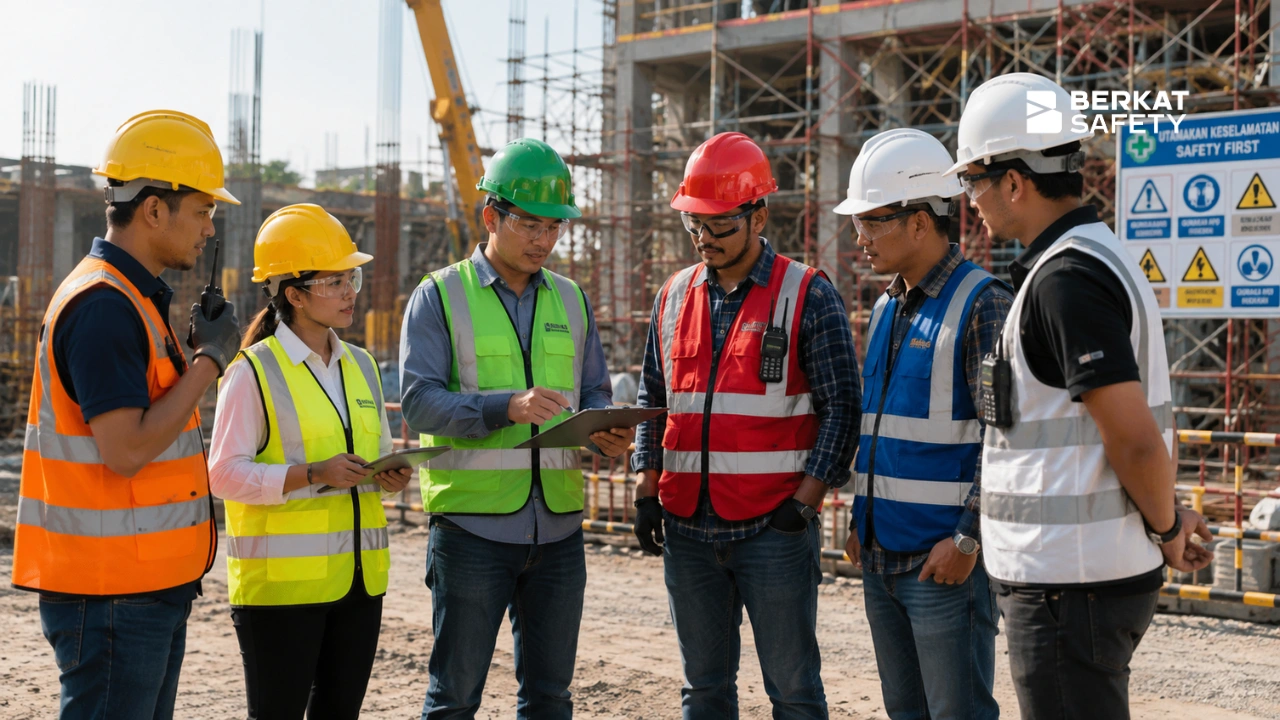
On some projects, vest colors are also used to identify workers by their roles or responsibilities. However, it is important to understand that safety vest color meanings are not always the same across companies or worksites. Color codes may be determined by the safety procedures and identification systems used at each project.
This article explains the common meanings of safety vest colors, the functions of safety vests, and the key factors to consider when choosing a vest for work.
What Is the Function of a Project Vest?
Project vests are primarily used to help improve worker visibility in the workplace. Bright colors make workers easier to spot, while reflective materials can reflect light from a light source, especially at night or in areas with limited lighting.
In addition to improving visibility, vests can also help identify workers based on their roles or responsibilities. On certain projects, for example, different colors may be used to distinguish field workers, supervisors, technicians, or personnel with specific functions.
Berkat Safety provides a wide range of personal protective equipment (PPE) for various industrial needs. Reflective vests are part of body protection equipment and can help improve worker visibility in the workplace.
Common Safety Vest Color Meanings
Vest colors may vary depending on the safety system implemented by a company or project. However, the following colors are commonly found in workplaces:
|
Vest Color |
Common Use |
Notes |
|---|---|---|
|
Orange |
Field workers or operators |
Often used to improve worker visibility |
|
Yellow |
General workers or field workers |
Bright and easy to see in project areas |
|
Green |
Personnel with specific functions |
Use depends on the project's identification system |
|
Red |
Personnel with specific responsibilities |
No universal meaning across all projects |
|
Blue |
Technicians or workers with specific roles |
Use may vary between projects |
|
White |
Supervisors or management on some projects |
Not a universal requirement |
Orange Safety Vests
Orange vests are commonly used for workers performing activities in project areas or environments with vehicle and heavy equipment traffic. The bright orange color helps improve worker visibility.
One of Berkat Safety's Work Vest products comes in orange and is designed to improve worker visibility on projects. It also features reflective material that can reflect light when used at night.
Yellow Safety Vests
Yellow is also a common color for safety vests because it is highly visible in various environments. These vests can help improve worker visibility in construction sites, manufacturing facilities, warehouses, and other field work areas.
Green Safety Vests
On some projects, green vests may be used to identify personnel with specific functions. However, there is no universal rule that automatically gives green vests the same meaning across all projects.
Therefore, their use should follow the identification system established by the company.
Red Safety Vests
Red may be used to identify specific personnel on a particular project or in a certain work environment. For example, a company may assign red vests to a special function that needs to be easily identified.
However, this meaning cannot be generalized to every project.
Blue Safety Vests
Blue vests may be used to distinguish technicians or workers with specific functions from other worker groups. As with other colors, their use depends on the color-coding system in effect at the worksite.
White Safety Vests
On some projects, white vests may be worn by inspectors, supervisors, or management personnel. However, this is also part of an internal identification system and is not a universal rule.
Do Safety Vest Colors Have the Same Standard on Every Project?
Not always. This is an important point to understand when discussing safety vest color meanings.
Not every company or project uses the same color code. One project may assign a particular color to supervisors, while another may use the same color for a different function.
Therefore, workers should not determine someone's position or responsibilities based solely on the color of their vest. The meaning of each color should be based on the site's safety procedures, SOPs, or worker identification system established by the company.
In other words, vest colors are better understood as an identification and visibility system that can be adapted to a project's needs, rather than as a universal code that applies across Indonesia.
Why Should Project Vests Use Reflective Material?
Bright colors alone may not be enough to ensure that workers are visible in all conditions. That is why many safety vests use reflective materials as part of their design.
Reflective material helps reflect light from sources such as vehicle headlights, making workers easier to see in low-light conditions.
This feature is especially relevant for work performed:
- At night.
- In areas with limited lighting.
- Around vehicles and heavy equipment.
- On roads or project areas with operational traffic.
- In workplaces where high visibility is required.
For example, Berkat Safety's WORK VEST CIGIT18 uses the EN 471 Class 2 standard, polyester material, an orange color, and reflective features to help improve worker safety on projects and during nighttime work.
How to Choose a Safety Vest for a Project
Choosing a vest should not be based on color alone. The following factors should also be considered.
1. Match the Vest to Workplace Risks
Consider the conditions of the environment where the vest will be used. Areas with vehicle or heavy equipment activity require good visibility so workers can be identified more easily.
2. Consider Visibility
Choose a color and design that are easy to see in the work environment. For work performed at night or in low-light areas, reflective material is an important feature.
3. Choose the Right Size
The vest should fit properly so it is comfortable to wear and does not restrict movement. A vest that is too large or too small can interfere with work activities.
4. Consider the Material and Quality
Make sure the vest material is suitable for the intended working conditions. For project applications, choose a product designed for work activities and built with adequate construction and durability.
5. Follow Project Rules
If the project has established a specific color code, use the vest according to those rules. Do not change the vest color based solely on personal preference, because color may be part of the site's safety identification system.
Safety Vests vs. Regular Work Vests
Safety vests are primarily designed to help improve worker visibility and safety, especially in environments where there is a risk of being struck by vehicles, working near heavy equipment, or operating in low-light conditions.
One of their key features is the use of bright colors and reflective materials. Regular work vests, on the other hand, mainly serve as workwear or part of a uniform and may not have the visibility features required for project environments.
Therefore, for construction sites or industrial environments where visibility is a concern, companies should consider vests specifically designed as safety equipment.
Project Vests as Part of Workplace Safety
Project vests are one component of body protection within a PPE system. They help improve visibility, but they do not replace other safety equipment required based on workplace risks.
For example, construction workers may still need safety helmets for head protection, safety shoes for foot protection, safety glasses for eye protection, or other protective equipment.
Berkat Safety provides various PPE and safety equipment categories to help meet worker protection needs across different industries. Its Protective Apparel category includes Work Vest products, along with other protective clothing.
PPE selection should be based on hazard identification and job requirements, rather than appearance or price alone.
Find Safety Vests for Your Project
Berkat Safety provides a range of Work Vest options to support safety needs in project and industrial environments. Work Vest products are available in various models and can be found in the Protective Apparel category.
In addition to safety vests, Berkat Safety provides a wide range of PPE to help protect workers from head to toe. For more than 50 years, Berkat Safety has provided safety solutions for industries including construction, mining, oil and gas, manufacturing, utilities, and other sectors.
For project and company needs, choose safety equipment that matches the workplace risks and applicable safety standards.
Conclusion
Safety vest color meanings can help distinguish workers by role while also improving visibility in the workplace. Colors such as orange and yellow are commonly used because they are highly visible, while other colors may be assigned to identify specific functions.
However, there is no single universal color code that automatically applies to every project. Each company may have a different identification system. Therefore, workers should follow the SOPs and safety rules that apply at their worksite.
In addition to color, consider reflective material, size, quality, and whether the vest is suitable for the working environment to ensure it provides effective safety support.
FAQ
What does the color of a project vest mean?
Project vest colors may be used to identify workers by role or function while also helping improve visibility. However, the meaning of each color can vary depending on the rules established by each project.
What does an orange project vest mean?
Orange vests are commonly used for field workers or operators because the color is bright and highly visible. However, their use should still follow the identification system in effect at the project.
What does a yellow project vest mean?
Yellow vests are often used for general workers or field workers because they provide good visibility. Their meaning may vary depending on the company's or project's rules.
Do project vest colors have the same standard everywhere?
No. Vest color codes can differ from one project to another. Therefore, color meanings should be based on the SOPs or identification system used at the worksite.
What is the function of a safety vest with reflective strips?
Reflective material helps improve worker visibility when exposed to light, especially at night or in low-light environments. This is important for workers operating around vehicles and heavy equipment.