12/05/2026 02:33 AM
Small Habits That Determine the Lifespan of Your Safety Shoes
After a long day working in construction sites, workshops, warehouses, mining areas, or industrial environments, many workers simply take off their safety shoes and store them without proper cleaning. Unfortunately, this habit can gradually reduce the durability and comfort of the footwear.
Dust, mud, moisture, and sweat buildup can damage shoe materials over time if left untreated. In the long run, this may lead to unpleasant odors, weakened protection, and faster wear and tear.
That is why understanding proper safety shoes maintenance is essential. A simple daily routine can help keep your footwear clean, comfortable, durable, and ready for work at any time.
Why Safety Shoes Maintenance Is Important
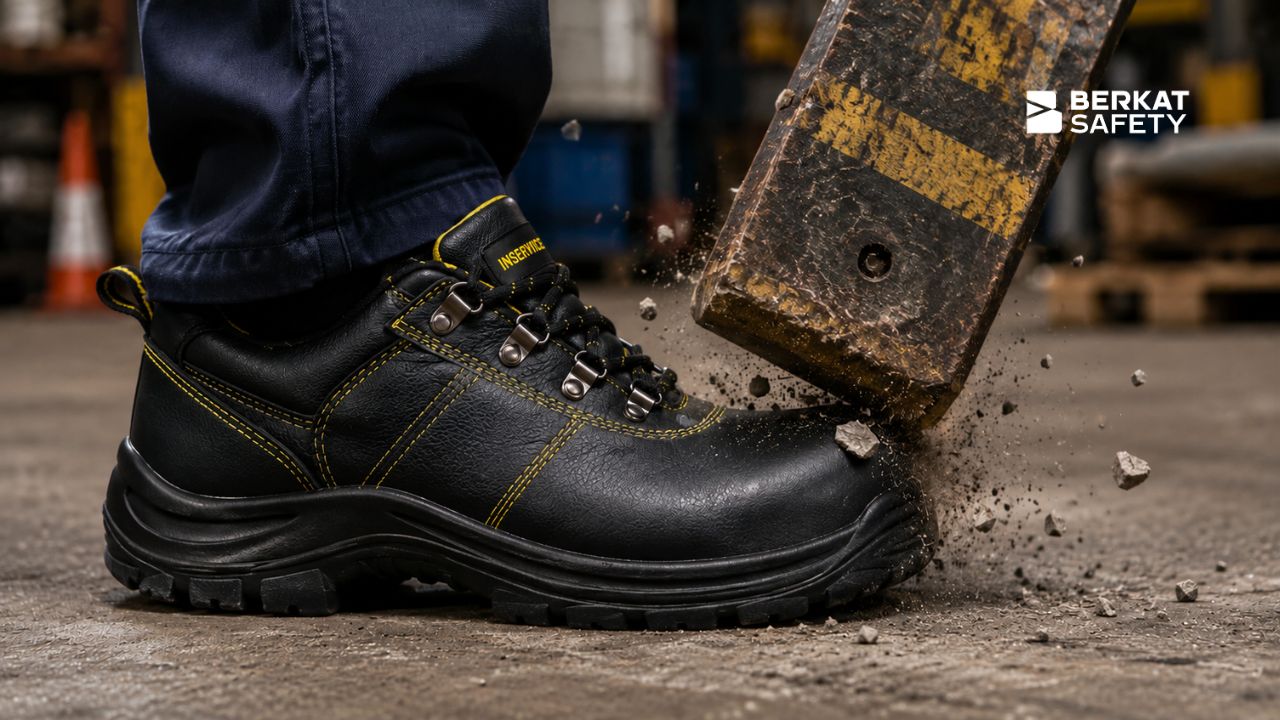
Safety shoes are designed to provide protection against workplace hazards such as heavy impacts, sharp objects, slippery surfaces, and rough working conditions. However, even high-quality safety footwear requires proper care to maintain its performance.
Without regular maintenance, several problems may occur:
- Worn-out and slippery soles
- Cracked leather or synthetic materials
- Unpleasant odors caused by moisture
- Damaged stitching
- Bacteria and mold buildup inside the shoes
In real industrial and fieldwork environments, simple maintenance habits such as cleaning and drying safety shoes have proven effective in extending their lifespan and maintaining comfort.
As a trusted provider of workplace safety equipment, Berkat Safety also emphasizes the importance of proper usage and maintenance education to ensure safety gear performs optimally in demanding work conditions.
Daily Safety Shoes Maintenance Routine
1. Clean Dust and Dirt After Use
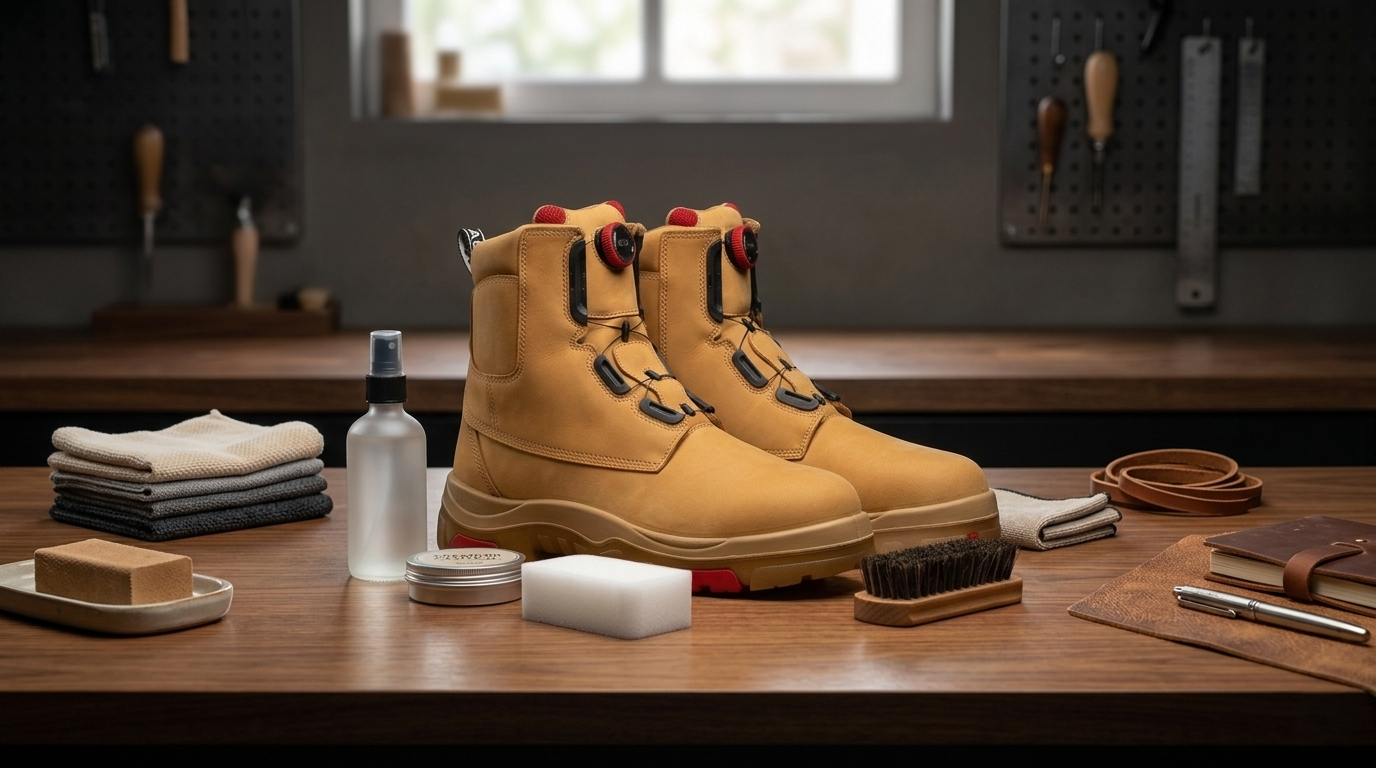
After work, make it a habit to remove dust, mud, and debris from your safety shoes. Use a soft brush or dry cloth to avoid scratching the surface.
Routine cleaning prevents dirt buildup that may damage the material and reduce comfort during use.
If your shoes are frequently exposed to mud, it is also important to understand the proper way to clean muddy safety shoes without damaging the material.
2. Dry Safety Shoes Properly
If your shoes become wet from rain, water exposure, or excessive sweat, dry them immediately in a shaded area with good air circulation.
Avoid:
- Direct sunlight exposure
- High-temperature hair dryers
- Placing shoes too close to heat sources
Excessive heat may cause the material to harden, crack, or weaken the adhesive.
For better drying results, place crumpled newspaper inside the shoes to absorb moisture more effectively.
You can also learn more about how to dry safety shoes properly without damaging the material through educational articles available on Berkat Safety.
3. Store Shoes in a Dry and Clean Area
Proper storage is an important part of maintaining durable safety footwear. Always store your shoes in a clean and dry area with good ventilation.
Avoid storing safety shoes:
- Inside vehicle trunks for long periods
- In closed, humid spaces
- While still wet
Moist conditions may trigger mold growth and unpleasant odors while damaging the inner material of the shoes.
Using silica gel or shoe deodorizers can help reduce moisture buildup.
4. Clean the Soles Regularly
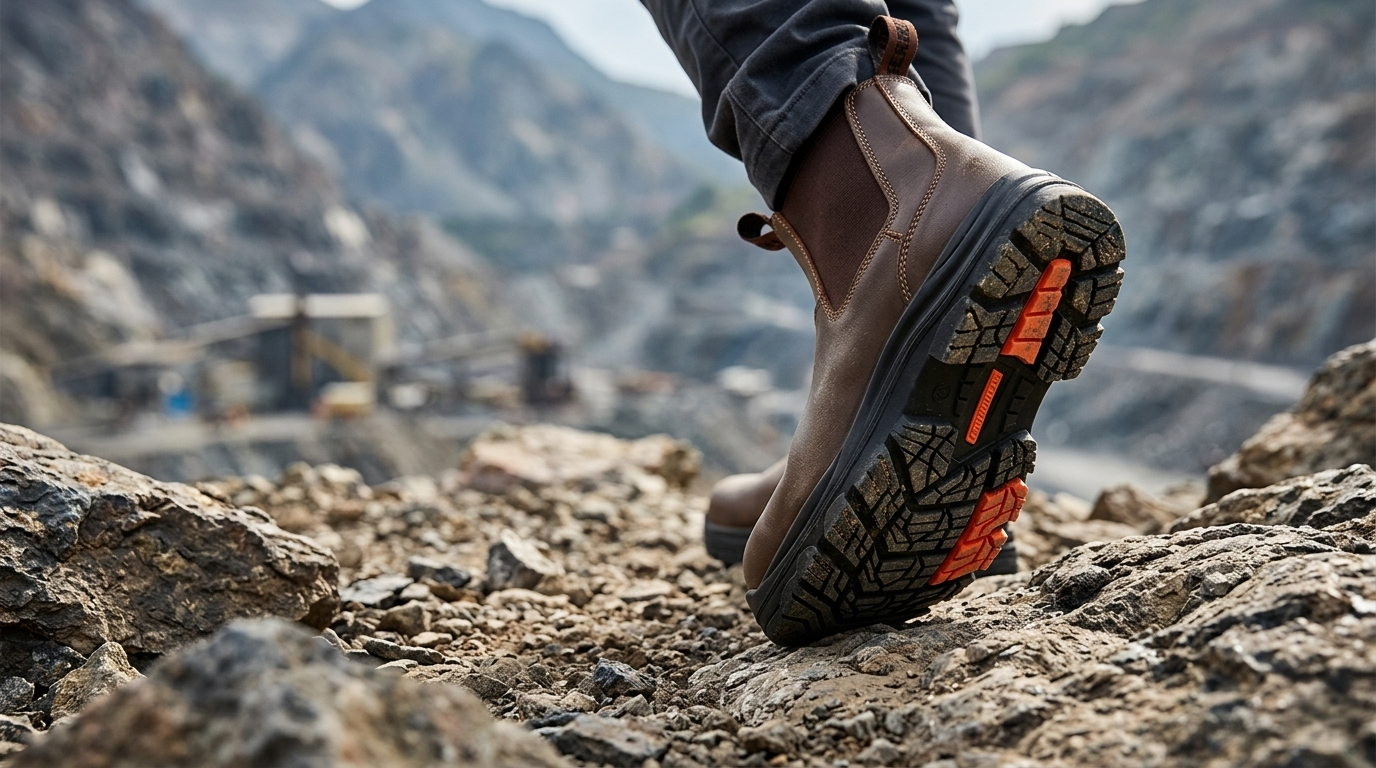
The sole area often traps mud, sand, and small stones. If left uncleaned, the grip performance may decrease and increase the risk of slipping at work.
Use a brush to clean the grooves and maintain optimal traction.
Regular sole cleaning is especially important for anti-slip safety shoes used in wet or muddy environments.
5. Wear Clean and Dry Socks
Many workers focus only on cleaning the outside of their shoes, while moisture from sweaty feet also affects the condition of the inner lining.
Always wear clean socks that absorb sweat effectively to help reduce moisture and prevent bacteria that cause foot odor.
This simple habit can improve comfort while keeping the inside of the shoes hygienic.
6. Inspect Your Safety Shoes Regularly
Take a few minutes every day to check the condition of your safety shoes.
Inspect these important areas:
- Shoe soles
- Stitching
- Toe cap protection
- Shoelaces
- Inner lining
Early detection of damage helps prevent bigger problems and maintains workplace safety.
If you notice serious damage such as detached soles or damaged toe protection, replacement is highly recommended.
Common Mistakes in Safety Shoes Maintenance
Delaying Shoe Cleaning
The longer dirt remains on the shoes, the harder it becomes to clean and the higher the risk of material damage.
Drying Shoes Under Direct Sunlight
Many people believe direct sunlight dries shoes faster, but excessive heat may actually damage the material and fade the color.
Storing Shoes While Damp
Moisture is one of the main causes of mold growth and unpleasant odors inside safety shoes.
Using Shoes Beyond Their Intended Purpose
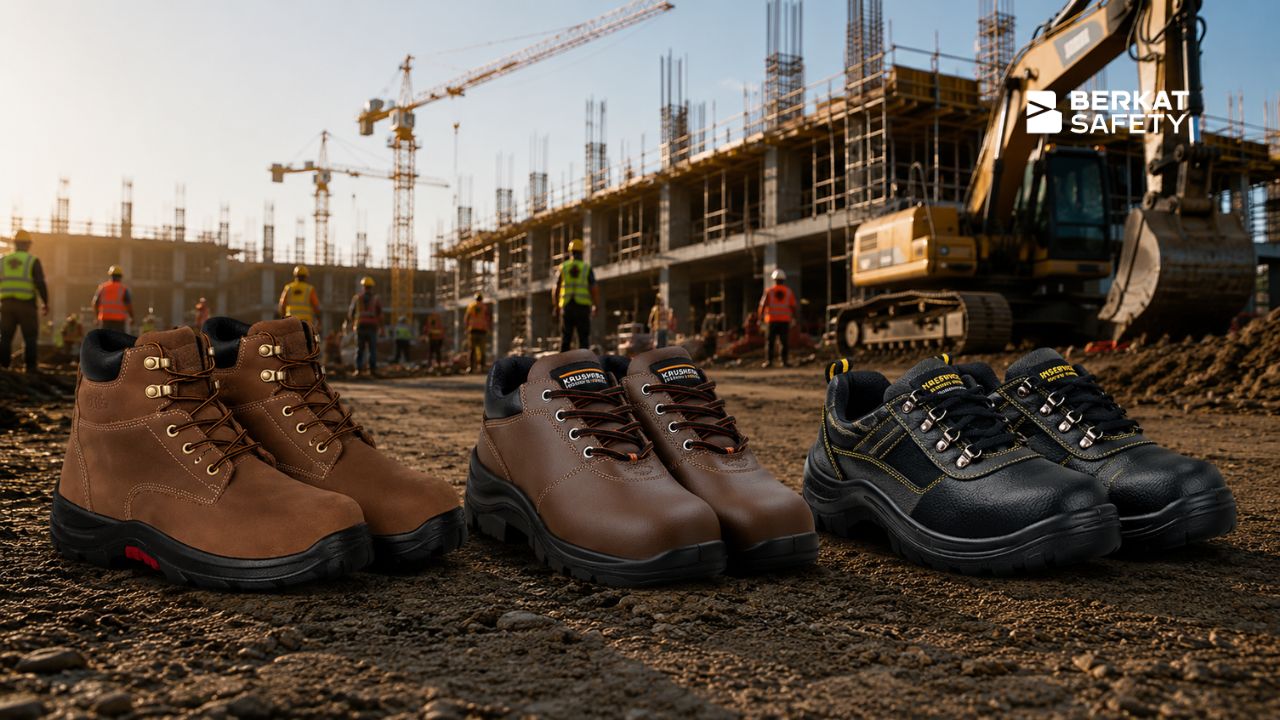
Each type of safety shoe is designed for specific work environments. Using them improperly may shorten their lifespan.
Additional Tips to Keep Safety Shoes Durable
To keep your safety shoes in optimal condition, follow these additional tips:
- Use shoes according to the work environment
- Clean the shoes after every use
- Avoid prolonged use in wet conditions
- Wear clean socks daily
- Rotate usage if you own multiple pairs
- Apply leather conditioner when necessary
Consistent maintenance habits can significantly extend the lifespan of your safety footwear.
FAQ About Safety Shoes Maintenance
Should safety shoes be cleaned every day?
Yes. Daily safety shoes maintenance is highly recommended to prevent dirt buildup and maintain comfort.
How do you maintain safety shoes properly?
Clean them regularly, dry them correctly, and store them in a dry environment.
Can safety shoes be stored while damp?
No. Damp conditions may lead to mold growth, unpleasant odors, and material damage.
What happens if safety shoes are rarely maintained?
They may wear out faster, become uncomfortable, and lose part of their protective function.
Does daily maintenance really make a difference?
Yes. Simple habits like cleaning and drying safety shoes greatly help extend their lifespan.
Daily safety shoes maintenance may seem simple, but it provides significant long-term benefits. Clean, dry, and well-maintained safety shoes offer better comfort, durability, and protection in demanding work environments.
By building consistent maintenance habits, workers not only protect their footwear investment but also improve overall workplace safety and professionalism. Because in the end, the best protection starts with simple daily routines.