13/05/2026 02:11 AM
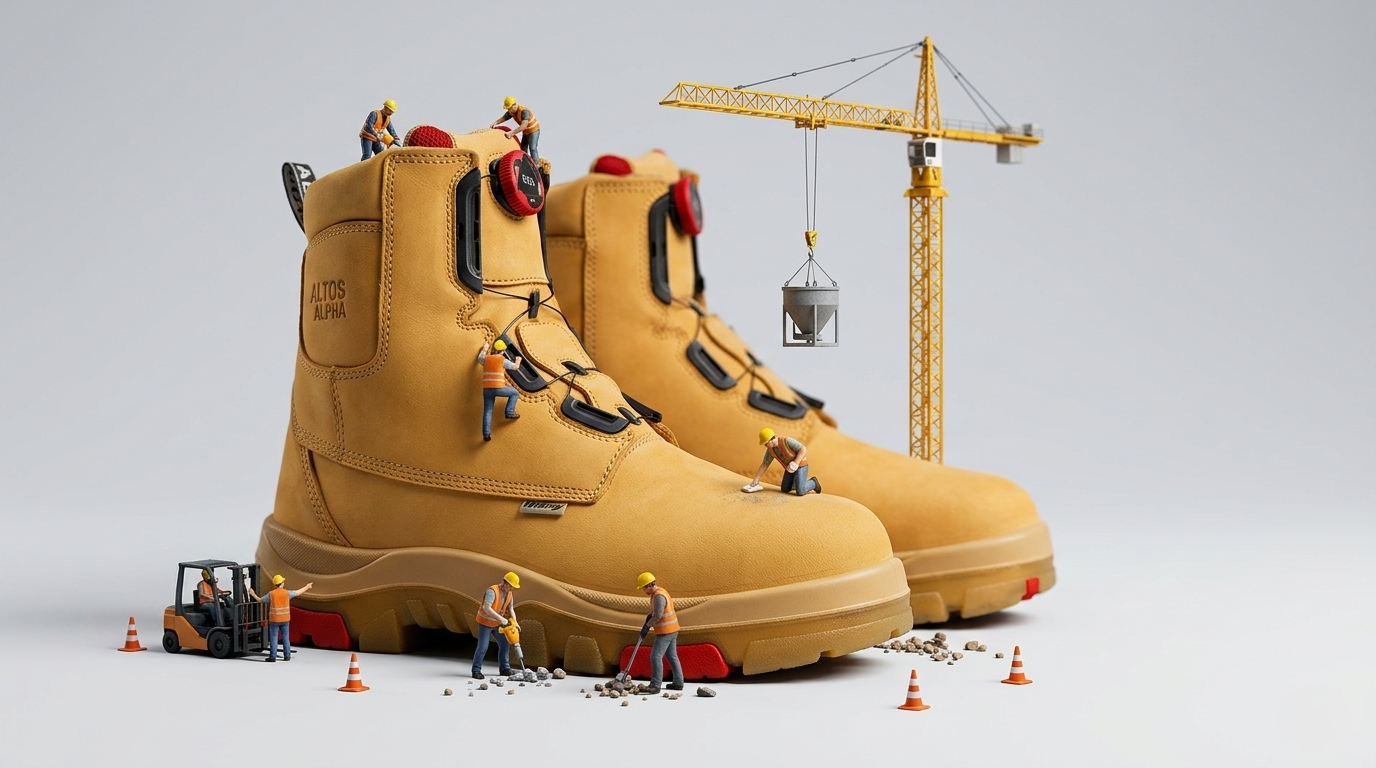
Cracking Is Not Always Caused by Age — Improper Care Is Often the Real Reason
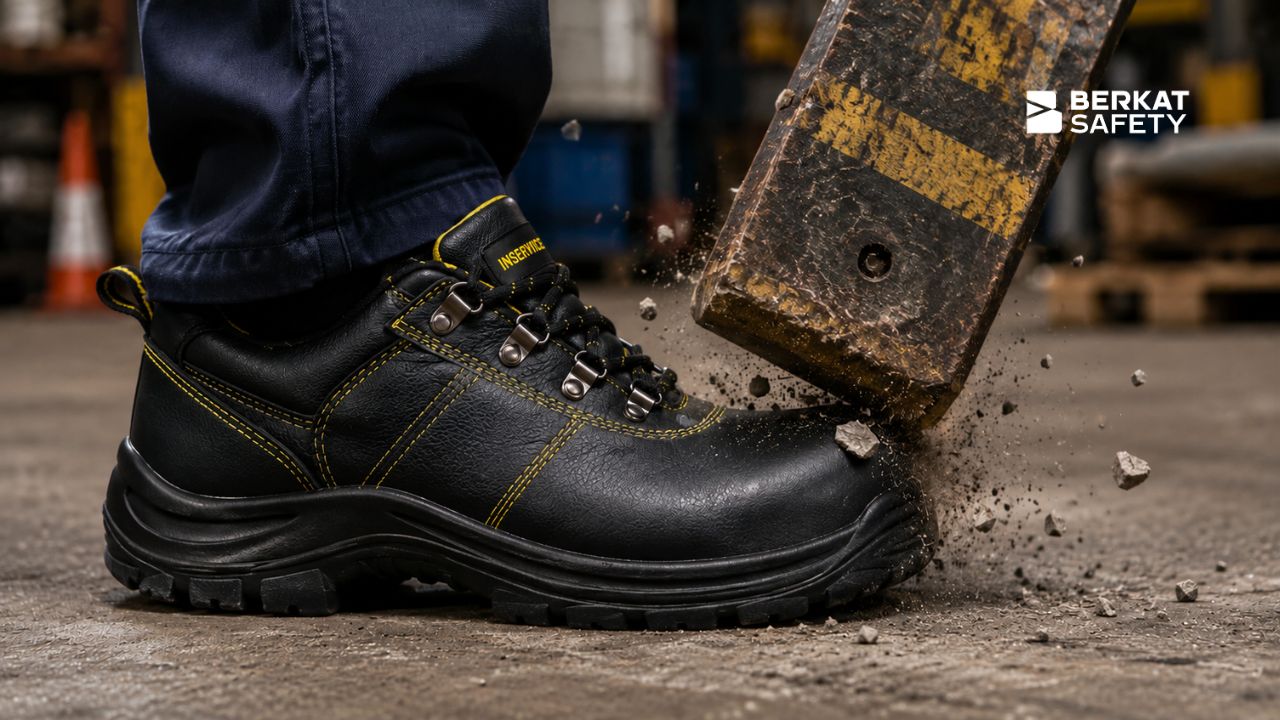
Many people assume that cracked leather safety shoes are simply a sign of old age. However, in many cases, the damage is actually caused by improper maintenance habits. Leather is a natural material that requires special attention. Without proper care, it can dry out, become stiff, lose flexibility, and eventually crack. This is why understanding proper leather safety shoes care is extremely important, especially for field workers who use safety footwear every day in demanding environments. With the right maintenance routine, leather safety shoes can remain flexible, comfortable, durable, and protective for a much longer time.
Why Leather Safety Shoes Require Special Maintenance
Unlike ordinary synthetic materials, leather contains natural oils that help maintain its flexibility and moisture balance. When those oils are reduced due to heat exposure, dust, or dry conditions, the leather may begin to harden and crack.
Several common factors can damage leather safety shoes faster:
- Direct sunlight exposure
- Dust and mud buildup
- Storage in humid environments
- Excessive heat during drying
- Lack of regular cleaning and conditioning
In professional footwear maintenance practices, maintaining proper moisture balance is considered one of the most important factors in extending the lifespan of leather safety shoes. As a trusted workplace safety equipment provider, Berkat Safety also understands that safety footwear performance depends not only on product quality, but also on how users maintain their equipment daily.
Proper Ways to Care for Leather Safety Shoes
1. Clean the Shoes Regularly After Use
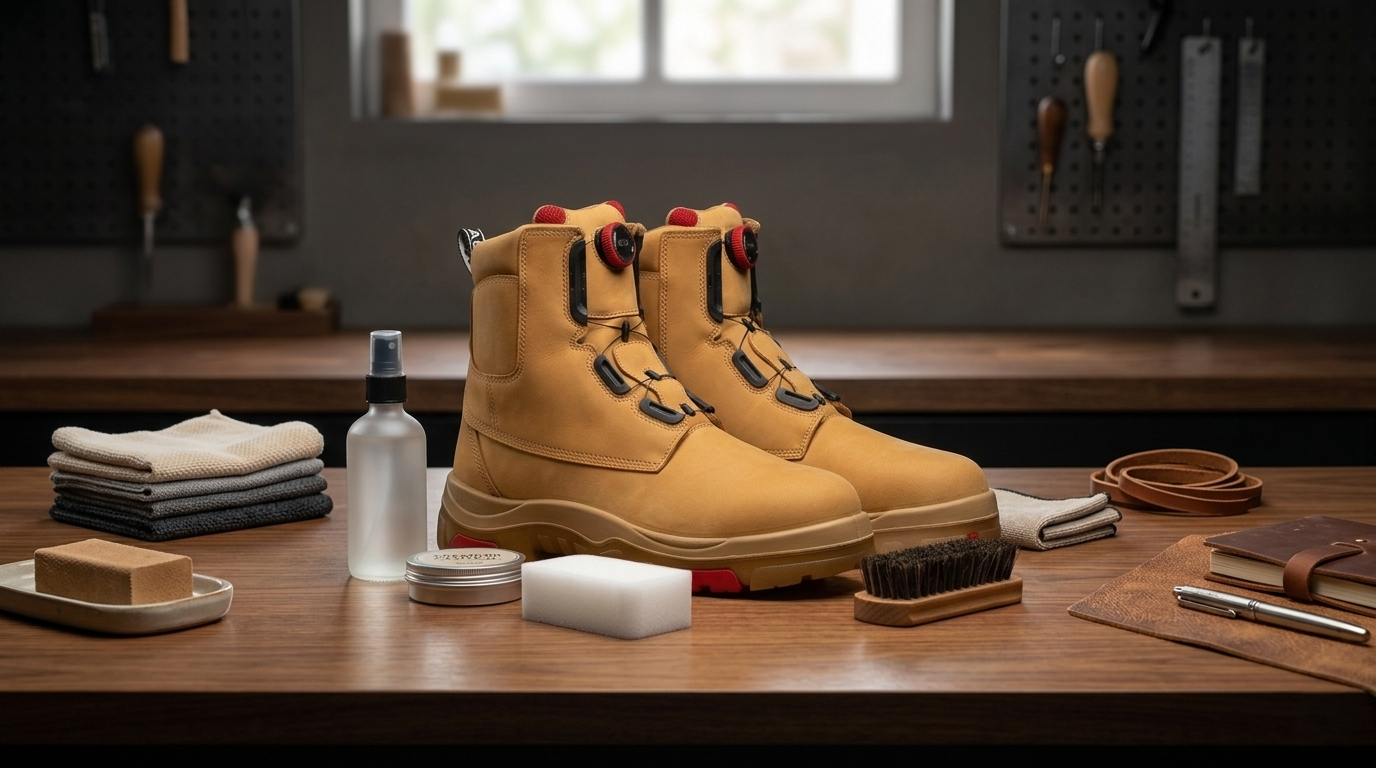
The most basic step in leather safety shoes care is cleaning the shoes regularly after work.
Dust, mud, and dirt that remain on the surface for too long may damage the leather and cause it to dry out faster.
Use:
- A soft cloth
- A soft-bristle brush
- A microfiber cloth
Avoid scrubbing too aggressively, as this may damage the leather texture. Routine cleaning also helps maintain a professional appearance and improves daily comfort.
2. Apply Leather Conditioner Regularly
One of the most important steps in maintaining leather safety shoes is applying a leather conditioner or moisturizer regularly.
Benefits of leather conditioner:
- Maintains leather flexibility
- Reduces the risk of cracking
- Helps preserve natural oils
- Prevents the material from becoming stiff and dry
Ideally, leather conditioner should be applied once or twice a month depending on usage frequency and workplace conditions.
Always use care products suitable for your type of leather material.
3. Avoid Excessive Heat Exposure
One of the most common mistakes is drying leather safety shoes directly under the sun or using high-temperature hair dryers.
Excessive heat may:
- Remove natural moisture from the leather
- Cause the material to harden
- Lead to surface cracking
If the shoes become wet from rain or damp work conditions, dry them naturally in a shaded area with good airflow. To absorb internal moisture more effectively, place crumpled newspaper inside the shoes during the drying process. You can also learn more about how to dry leather safety shoes safely through educational articles available on Berkat Safety.
4. Store the Shoes in a Cool and Dry Place
Proper storage plays a major role in preserving the condition of leather safety shoes.
Store your shoes in:
- Dry environments
- Areas with good ventilation
- Normal room temperature conditions
Avoid:
- Humid storage areas
- Keeping shoes inside vehicle trunks for long periods
- Hot environments without air circulation
Poor storage conditions can accelerate mold growth and damage the leather material. If necessary, use silica gel packs to help control moisture levels.
5. Use Shoe Trees to Maintain Shape
Shoe trees help preserve the shape of leather safety shoes after long-term use.
Additional benefits include:
- Reducing surface creases
- Absorbing moisture
- Improving air circulation inside the shoes
This simple practice helps keep safety shoes looking neat and professional.
6. Rotate Usage if You Have Multiple Pairs
If possible, rotate between multiple pairs of safety shoes to allow each pair time to “rest.”
This helps:
- Reduce excess moisture buildup
- Extend material lifespan
- Improve long-term comfort
Rotation is a common practice in professional work footwear maintenance routines.
Common Mistakes When Caring for Leather Safety Shoes
Drying Shoes Under Direct Sunlight
Excessive heat is one of the main causes of dry and cracked leather.
Using Harsh Cleaning Chemicals
Strong detergents or unsuitable cleaning products may damage the leather surface.
Storing Shoes While Damp
Moist conditions can lead to mold growth, unpleasant odors, and internal material damage.
Rarely Cleaning the Shoes
Dust and mud buildup can accelerate material deterioration over time.
Additional Tips to Keep Leather Safety Shoes Durable
To keep leather safety shoes comfortable and long-lasting, follow these additional tips:
- Use the shoes according to their intended work environment
- Clean stains immediately before they absorb into the material
- Wear clean socks to reduce moisture buildup
- Avoid prolonged use in wet conditions
- Use leather-specific care products
- Store the shoes in well-ventilated areas
Simple but consistent maintenance habits can significantly improve the durability of leather safety footwear.
FAQ About Leather Safety Shoes Care
Why do leather safety shoes crack?
Because they lose natural moisture due to heat exposure, dust, dry conditions, or lack of proper maintenance.
How often should leather shoes be conditioned?
Ideally once or twice a month, depending on usage frequency and workplace conditions.
Can leather safety shoes get wet?
Yes, but frequent exposure to water is not recommended. If they become wet, dry them naturally without excessive heat.
How can I keep leather safety shoes flexible?
By cleaning them regularly and applying leather conditioner to maintain material elasticity.
Does storage affect leather safety shoes?
Yes. Storing shoes in hot or humid environments may accelerate material damage.
Proper Maintenance Means Longer-Lasting Shoes
Understanding how to properly care for leather safety shoes is a simple investment with long-term benefits. By routinely cleaning, conditioning, drying, and storing them properly, leather safety shoes can remain flexible, comfortable, and durable even in demanding work environments. For professional workers, safety shoes are not just work equipment — they are an essential part of workplace protection. That is why proper maintenance, which is also emphasized by customers of Berkat Safety, will always contribute to better comfort, performance, and workplace safety over time.