03/08/2026 04:41 AM
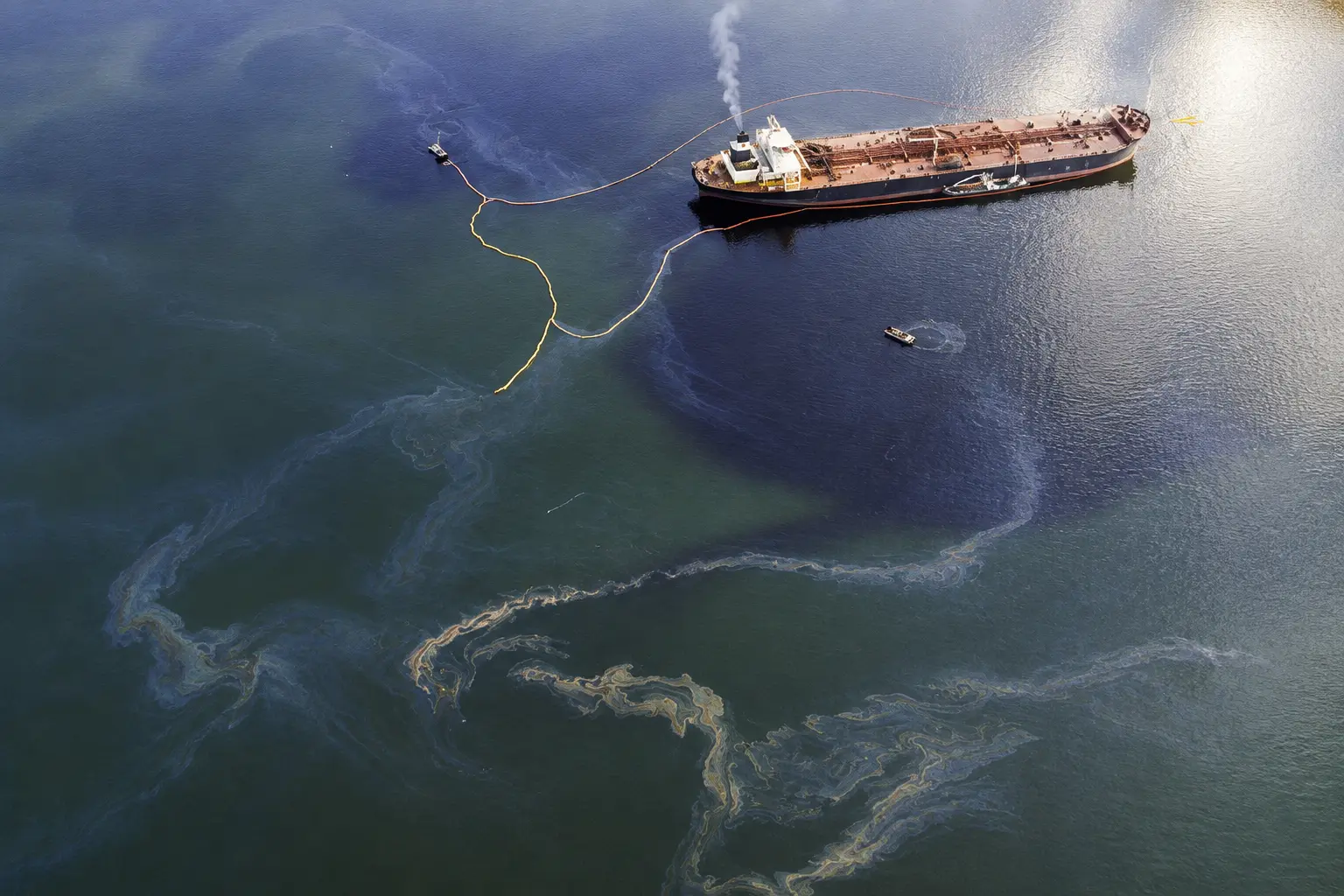
Oil spills are among the most devastating forms of environmental pollution. Whether caused by offshore drilling accidents, pipeline failures, tanker collisions, equipment malfunctions, or armed conflicts, oil spills can severely damage marine ecosystems, contaminate coastlines, disrupt industrial operations, and result in billions of dollars in economic losses.
Beyond environmental destruction, oil spills pose serious risks to worker safety, public health, and business continuity. As industries continue to rely on petroleum products, implementing an effective spill control system has become an essential part of environmental protection and occupational safety.
What Is an Oil Spill?
An oil spill occurs when crude oil or petroleum-based products are accidentally released into the environment. Oil spills can happen on land or at sea and require immediate response to prevent further contamination.
Common causes of oil spills include:
- Pipeline leaks
- Storage tank failures
- Offshore drilling blowouts
- Tanker accidents
- Equipment malfunction
- Human error during fuel transfer
- Natural disasters
- Military conflicts and sabotage
The longer oil remains uncontrolled, the greater its impact on the environment. Rapid containment and cleanup are therefore critical.
Environmental Impacts of Oil Spills
Oil spills can affect ecosystems for years or even decades. Their consequences extend far beyond the immediate spill location.
1. Damage to Marine Ecosystems
Oil forms a thin layer on the water surface, blocking sunlight from reaching aquatic plants and phytoplankton. This disrupts photosynthesis and affects the entire marine food chain.
Coral reefs, mangroves, and seagrass beds can also suffer long-term damage due to oil contamination.
2. Threats to Wildlife
Marine animals such as sea turtles, dolphins, whales, fish, and seabirds are highly vulnerable to oil pollution.
Oil coats birds' feathers, reducing their ability to fly and regulate body temperature, while marine mammals and fish may suffer poisoning through inhalation or ingestion of toxic hydrocarbons.
3. Economic Losses
Oil spills significantly impact industries such as:
- Commercial fisheries
- Tourism
- Shipping and ports
- Offshore oil and gas operations
Cleanup operations, environmental restoration, legal claims, and regulatory penalties can cost companies millions or even billions of dollars.
4. Workplace Safety Risks
Within industrial facilities, oil spills create slippery surfaces that increase the risk of slips, trips, and falls.
Many petroleum products are also flammable, increasing the likelihood of fires or explosions if spills are not handled properly.
Five of the Largest Oil Spills in History
Several catastrophic oil spills have shaped today's environmental regulations and emergency response strategies.
1. Gulf War Oil Spill (1991)
The Gulf War Oil Spill remains the largest oil spill ever recorded.
During the Gulf War, millions of barrels of crude oil were intentionally released into the Persian Gulf as part of military operations. The spill devastated marine habitats and contaminated hundreds of kilometers of coastline.
2. Deepwater Horizon (2010)
The Deepwater Horizon explosion in the Gulf of Mexico released approximately 4.9 million barrels of oil over nearly three months.
The disaster claimed 11 lives and caused one of the largest environmental catastrophes in modern history, severely affecting fisheries, tourism, and marine biodiversity.
3. Ixtoc I Blowout (1979)
The Ixtoc I offshore drilling accident in the Gulf of Mexico leaked oil continuously for almost ten months.
The spill released millions of barrels of crude oil, making it one of the largest offshore drilling accidents before Deepwater Horizon.
4. Atlantic Empress (1979)
A collision between two oil tankers in the Caribbean Sea resulted in one of the largest tanker spills ever recorded.
Although much of the oil burned during the accident, the incident highlighted the environmental risks associated with maritime oil transportation.
5. Exxon Valdez (1989)
The Exxon Valdez tanker ran aground in Alaska, releasing approximately 11 million gallons of crude oil.
Thousands of kilometers of coastline were contaminated, and the environmental effects remained visible for decades after the incident.
Why Spill Control Is Essential
While not every oil spill can be prevented, their impact can be significantly reduced through proper spill control planning and emergency preparedness.
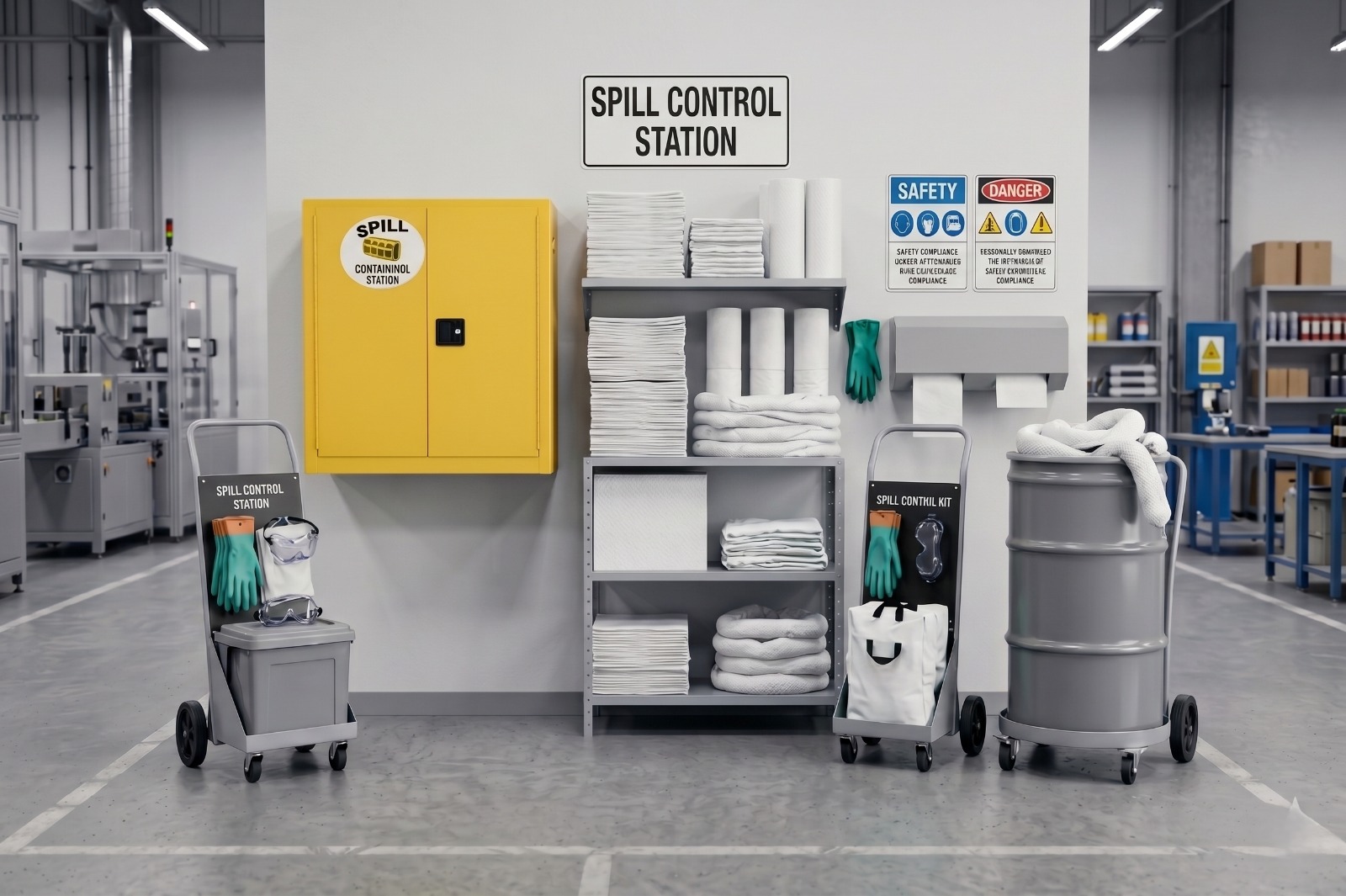
Spill control refers to the procedures, equipment, and materials used to contain, absorb, and safely remove spilled oil or hazardous liquids before they spread further.
Every facility handling petroleum products should maintain an effective Oil Spill Response Plan supported by trained personnel and readily available spill response equipment.
How to Respond to an Oil Spill
An effective oil spill response generally includes the following steps:
- Identify and stop the source of the leak whenever it is safe to do so.
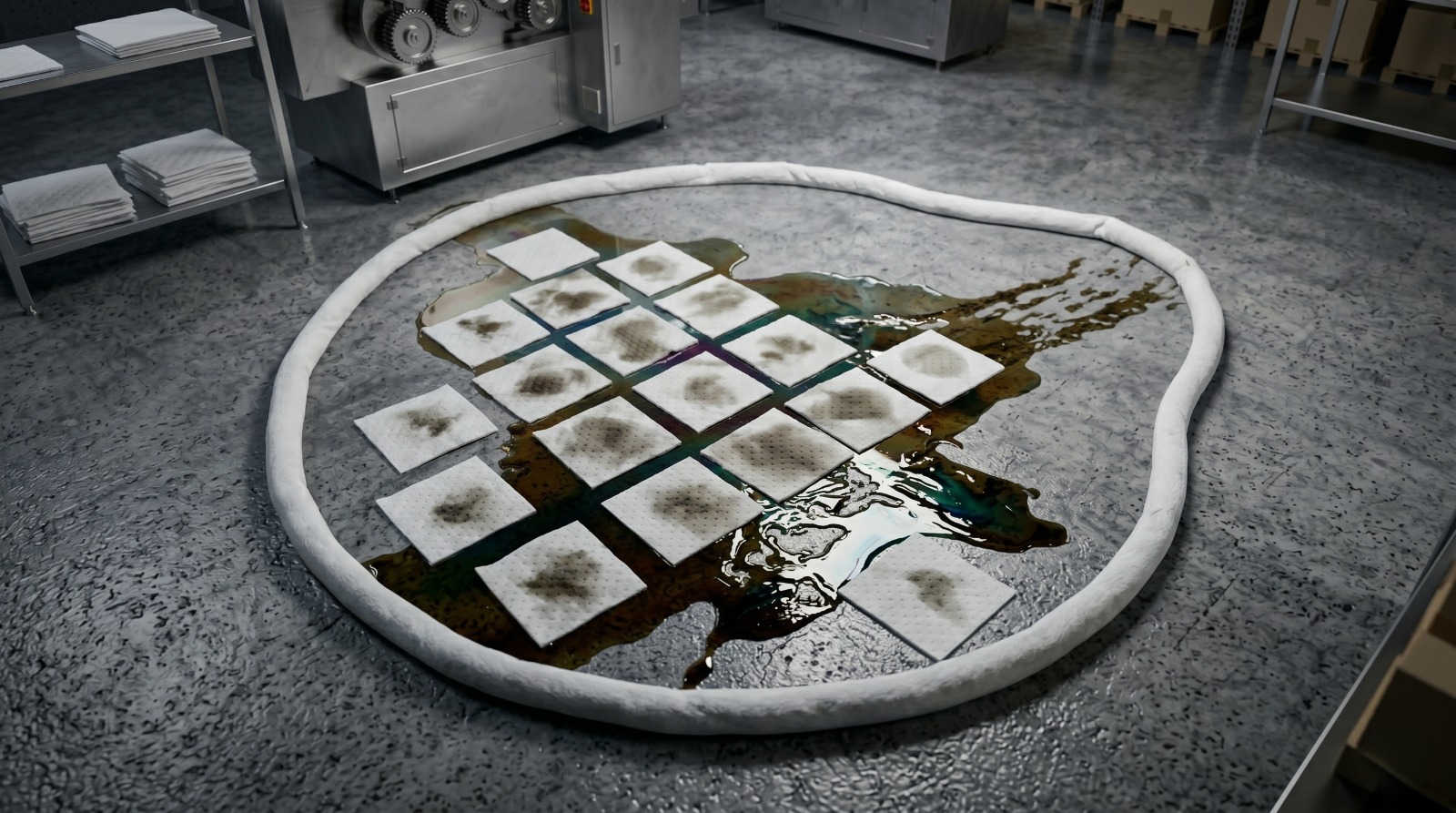
- Contain the spill using absorbent socks or oil booms to prevent further spreading.
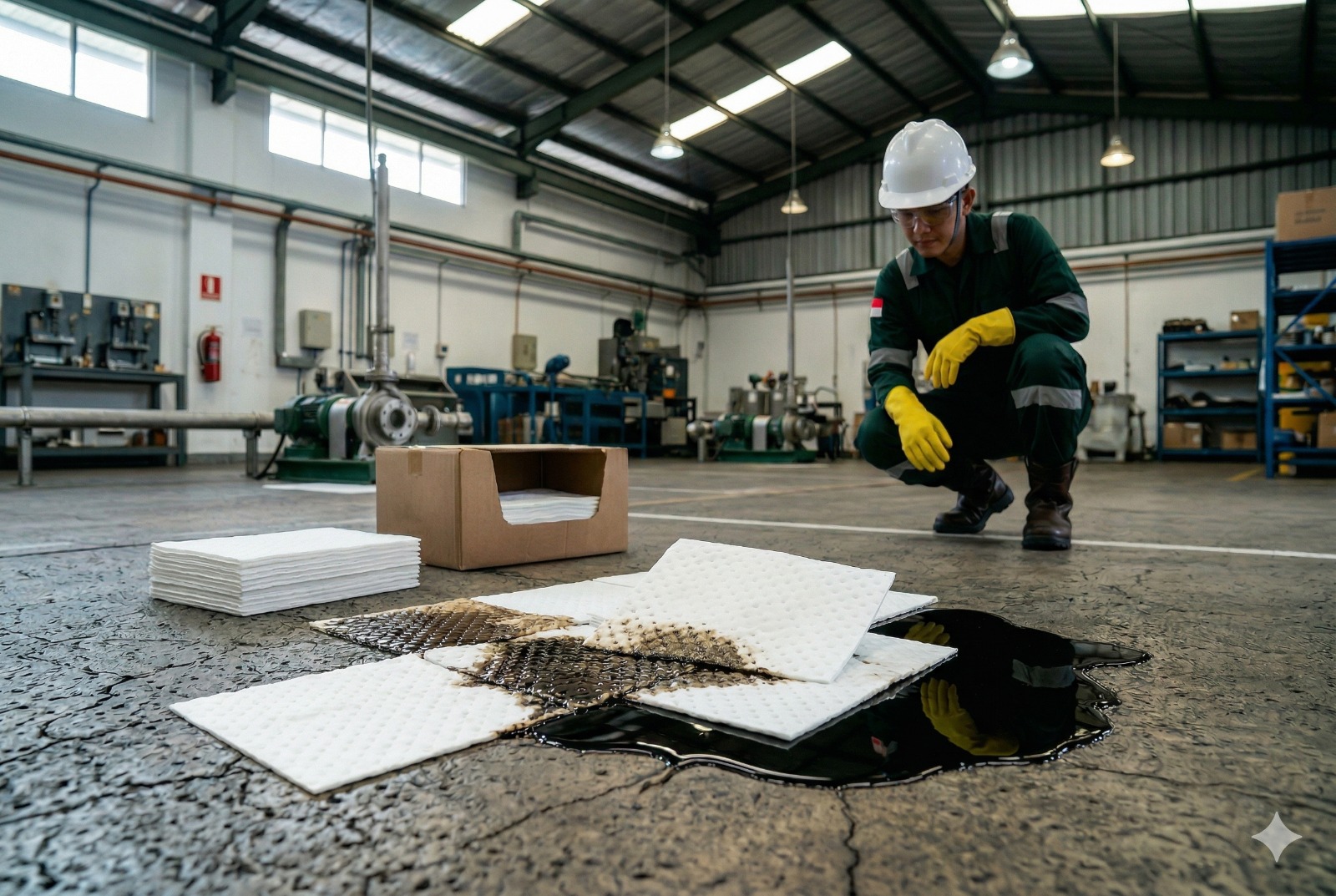
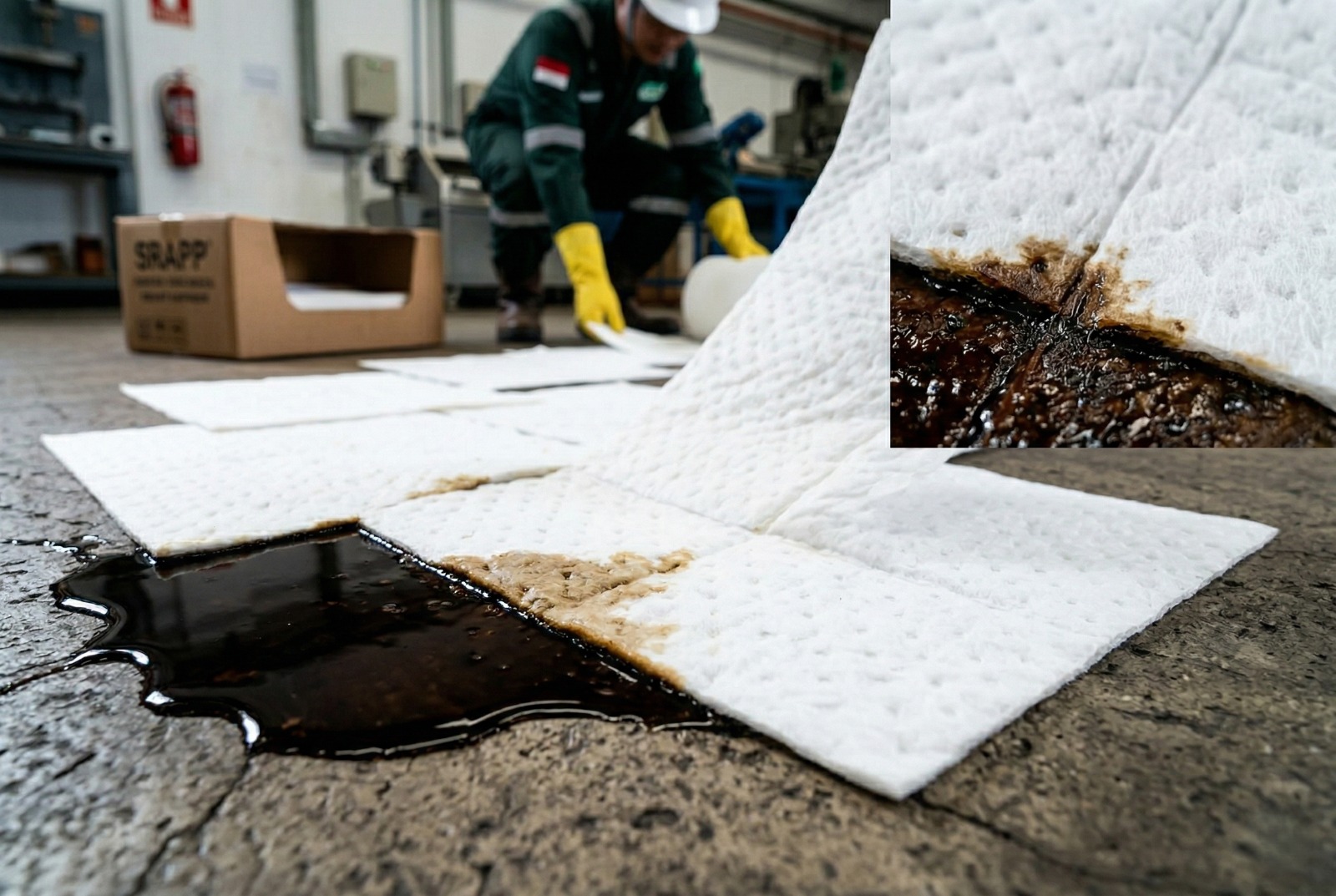
- Absorb the spilled oil using appropriate oil absorbent materials.
- Collect contaminated absorbents and dispose of them according to hazardous waste regulations.
- Inspect the affected area and investigate the root cause to prevent future incidents.
Rapid response is critical in minimizing environmental damage and reducing cleanup costs.
SRAPP Spill Control Solutions
To help industries respond quickly and effectively to oil spills, SRAPP offers a comprehensive range of spill control products suitable for various industrial applications.
Oil Only Absorbent
Oil Only Absorbents are specifically designed to absorb petroleum-based liquids while repelling water.
Because they float on water even after saturation, they are ideal for marine applications, ports, oil terminals, offshore platforms, and waterways.
Universal Absorbent
Universal Absorbents can absorb a wide variety of non-aggressive liquids, including:
- Oil
- Water
- Coolants
- Hydraulic fluids
- Lubricants
They are commonly used in workshops, manufacturing facilities, maintenance areas, and warehouses.
Chemical Absorbent
Chemical Absorbents are engineered for hazardous chemicals such as acids, bases, solvents, and corrosive liquids.
These absorbents improve workplace safety by allowing hazardous spills to be cleaned up quickly and safely.
Types of Spill Control Products
SRAPP provides several spill response products designed for different spill scenarios.
Absorbent Pads are ideal for small leaks around machinery and equipment.
Absorbent Rolls provide flexible coverage for large work areas and can be cut to the required size.
Absorbent Socks contain and divert liquid spills, preventing them from spreading into drains or walkways.
Oil Booms are specifically designed to contain floating oil spills in rivers, lakes, ports, and offshore environments.
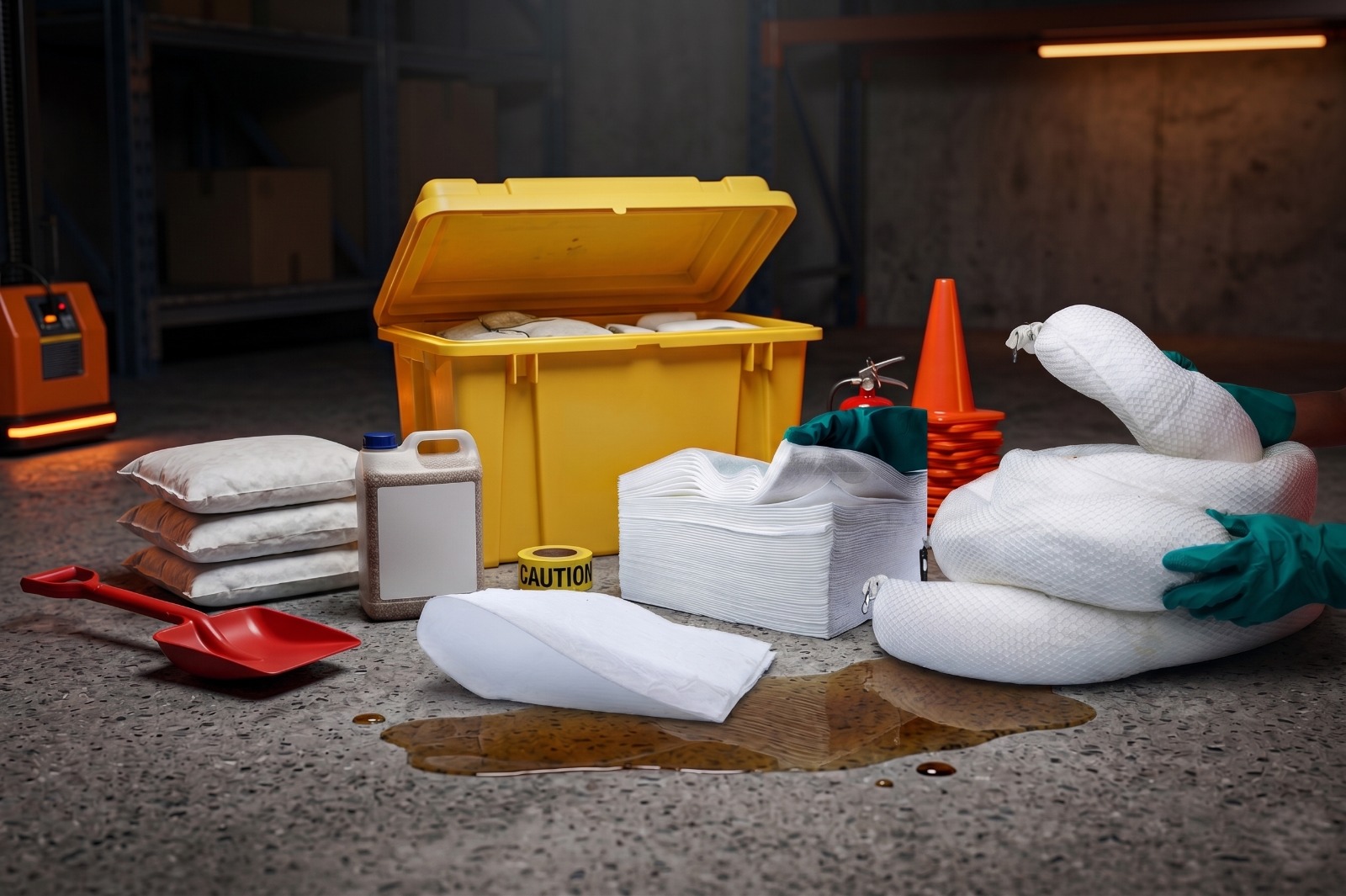
Spill Kits combine absorbent pads, socks, disposal bags, gloves, and other essential equipment into a complete emergency response solution.
History has demonstrated that oil spills can cause severe environmental, economic, and operational consequences. Incidents such as the Gulf War Oil Spill, Deepwater Horizon, Ixtoc I, Atlantic Empress, and Exxon Valdez continue to serve as reminders of the importance of spill prevention and emergency preparedness.
Although accidents cannot always be avoided, organizations can significantly reduce their impact by implementing comprehensive spill control procedures, training employees, and maintaining appropriate spill response equipment.
With solutions such as Oil Only Absorbents, Universal Absorbents, Chemical Absorbents, Absorbent Pads, Rolls, Socks, Oil Booms, and Spill Kits, SRAPP helps industries respond to spills quickly, safely, and efficiently while protecting employees, operations, and the environment.