18/05/2026 03:07 AM
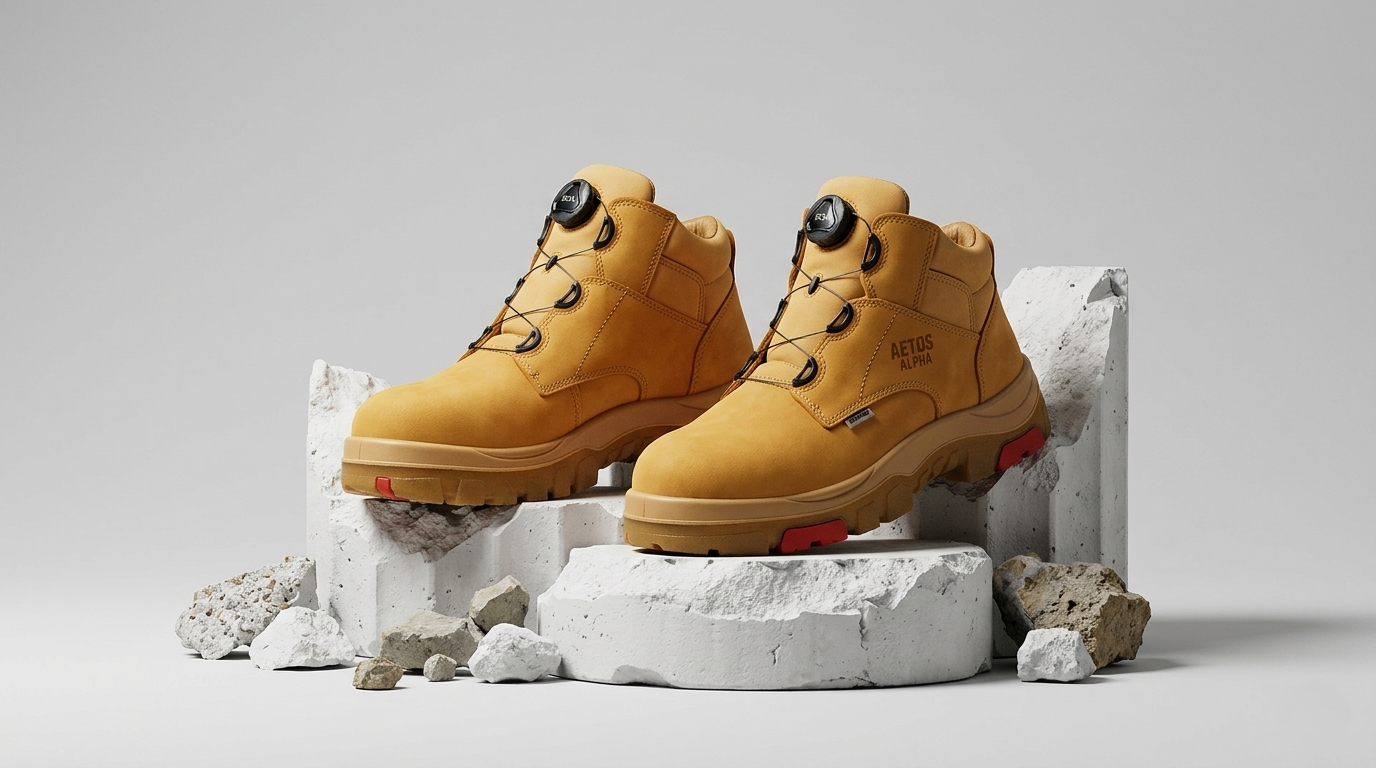
Why Safety Shoe Quality Matters
Choosing safety shoes should never be based only on appearance or price. Poor-quality materials can affect comfort, durability, and even workplace protection. In high-risk working environments, safety shoes are not just accessories — they are an important investment in workplace safety that should be selected carefully from the beginning. Many users only realize the true quality of safety shoes after several weeks of use, when the material becomes stiff, stitching weakens, or the sole wears out quickly. In fact, there are several simple ways to evaluate safety shoe quality before making a purchase. Understanding these factors helps you avoid choosing uncomfortable or low-durability safety shoes for daily work activities.
How to Identify Quality Safety Shoe Materials
1. Check the Texture of the Material
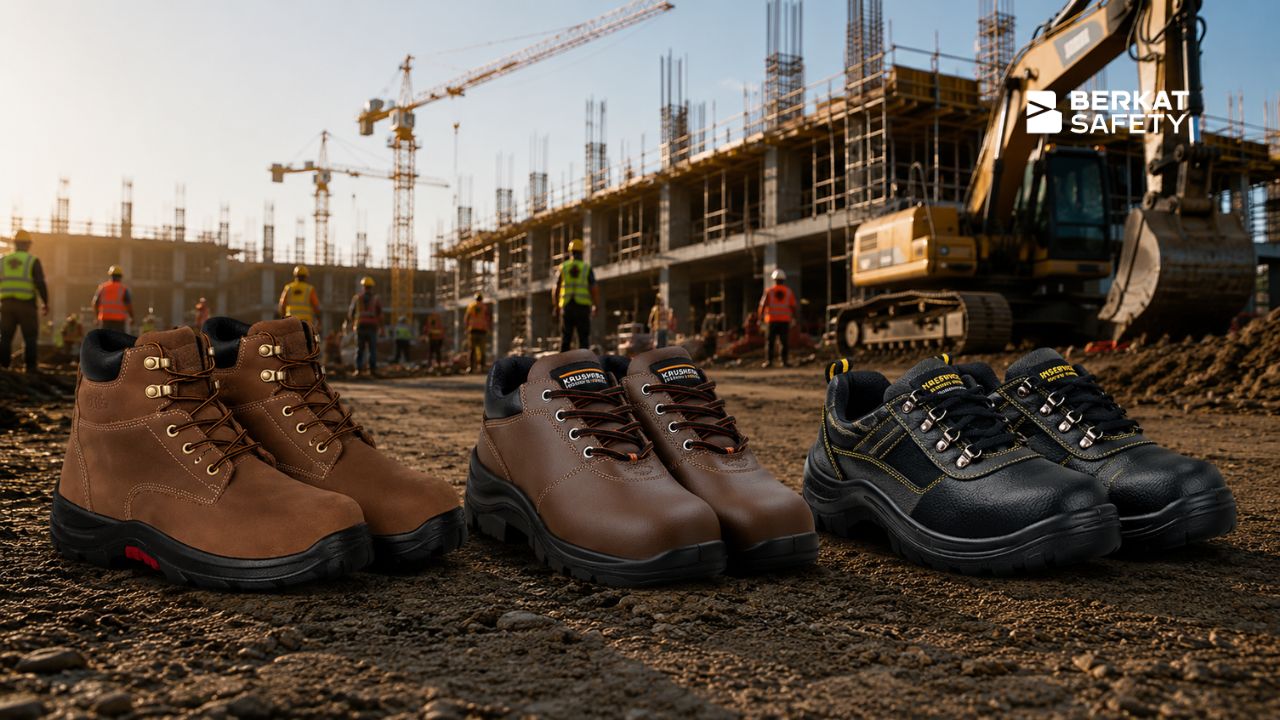
The first step in checking safety shoe quality is observing the material texture.
Genuine leather usually has:
- A natural and slightly uneven texture
- Better flexibility
- A more premium and natural appearance
Synthetic materials generally:
- Look smoother and more consistent
- Feel lighter
- Are easier to maintain, but may not be as durable as genuine leather
The texture of the material is often an early indicator of the overall quality, comfort, and durability of safety shoes.
2. Test the Flexibility of the Shoes
Quality safety shoes should not feel overly stiff or too soft.
Try:
- Pressing the front part of the shoe
- Slightly bending the sole
- Checking the elasticity of the material
Good-quality materials should feel:
- Strong yet flexible
- Resistant to deformation
- Comfortable for active movement
Flexibility is important because safety shoes are typically worn for long hours and intensive work activities.
Shoes that are too stiff may cause foot fatigue and discomfort throughout the day.
3. Inspect the Stitching and Finishing
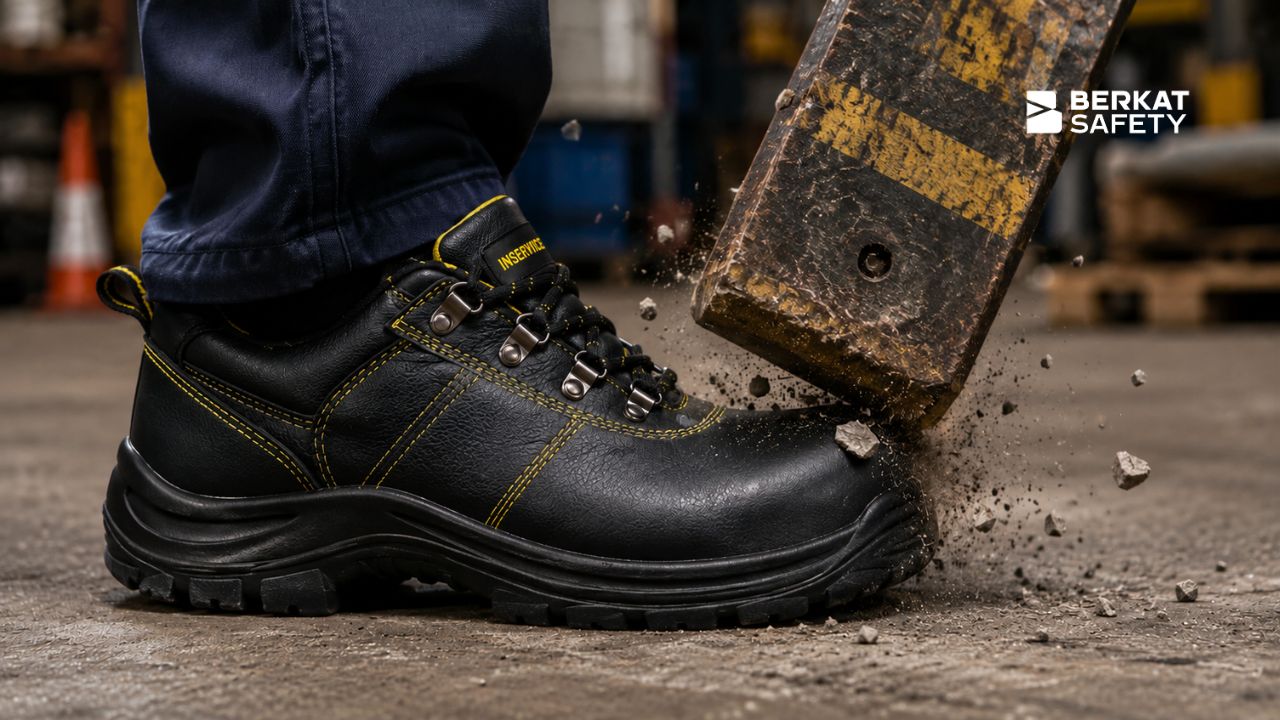
Stitching quality is one of the clearest signs of high-quality safety shoes.
Check whether:
- The stitching looks neat and consistent
- There are no loose threads
- Material joints feel solid
- The finishing appears precise and clean
Poor stitching often leads to faster damage, especially in areas exposed to frequent pressure during work activities. Small details like finishing quality greatly affect the long-term durability of safety shoes.
4. Pay Attention to the Weight of the Shoes
The weight of safety shoes can also indicate material quality. Shoes that are too light may use weaker materials, while shoes that are too heavy can reduce comfort during daily use.
Well-designed safety shoes usually provide a balance between:
- Protection
- Durability
- Comfort
- Flexibility
Balanced weight helps reduce foot fatigue during long working hours.
5. Check the Sole and Inner Structure
The sole plays a major role in determining the overall performance of safety shoes.
A quality sole usually has:
- Clear grip patterns
- Strong and durable material
- Good resistance to pressure and friction
The inner part of the shoe is equally important.
Comfortable safety shoes typically include:
- Soft insoles
- Proper foot support
- Breathable inner materials
The combination of a durable sole and a comfortable interior significantly affects long-term comfort and performance.
Characteristics of High-Quality Safety Shoes
To make selection easier, here are some signs of quality safety shoes:
- Strong yet flexible materials
- Neat and precise stitching
- Durable soles with strong grip
- Comfortable for long-term wear
- Balanced weight
- Good air circulation
- Materials that maintain their shape over time
Understanding these characteristics helps you choose safety shoes that match your work requirements.
Why Choosing Quality Safety Shoes Is Important
High-quality safety shoes do more than protect your feet. They also help:
- Reduce foot fatigue
- Improve daily comfort
- Support mobility during work
- Minimize minor injury risks
- Provide better long-term value
This is why many professional workers prioritize material quality over price alone. The same approach is also a key focus at Berkat Safety, which emphasizes product quality, comfort, durability, and reliable protection for various industrial working conditions.
FAQ About Safety Shoe Quality
1. Are expensive safety shoes always better?
Not always. Price can be an indicator, but material quality, stitching, comfort, and sole durability are more important factors.
2. How can I tell the difference between genuine leather and synthetic materials?
Genuine leather has a more natural and uneven texture, while synthetic materials look smoother and more consistent.
3. Why is flexibility important in safety shoes?
Shoes that are too stiff can cause discomfort, faster fatigue, and may wear out more quickly during active use.
4. Does shoe weight affect quality?
Yes. Shoes that are too light or too heavy may indicate less optimal material selection.
5. What are the signs of high-quality safety shoes?
Strong yet flexible materials, neat stitching, durable soles, good comfort, and long-lasting performance.
Choose Quality Safety Shoes for Maximum Protection
Understanding how to check safety shoe material quality before buying helps you choose footwear that is comfortable, durable, and safe for daily work activities. Quality safety shoes not only protect your feet from workplace hazards but also improve comfort and productivity throughout the day. Discover high-quality safety shoe solutions for various industrial needs with Berkat Safety and ensure reliable protection for every step of your work activities.