25/11/2026 03:14 AM
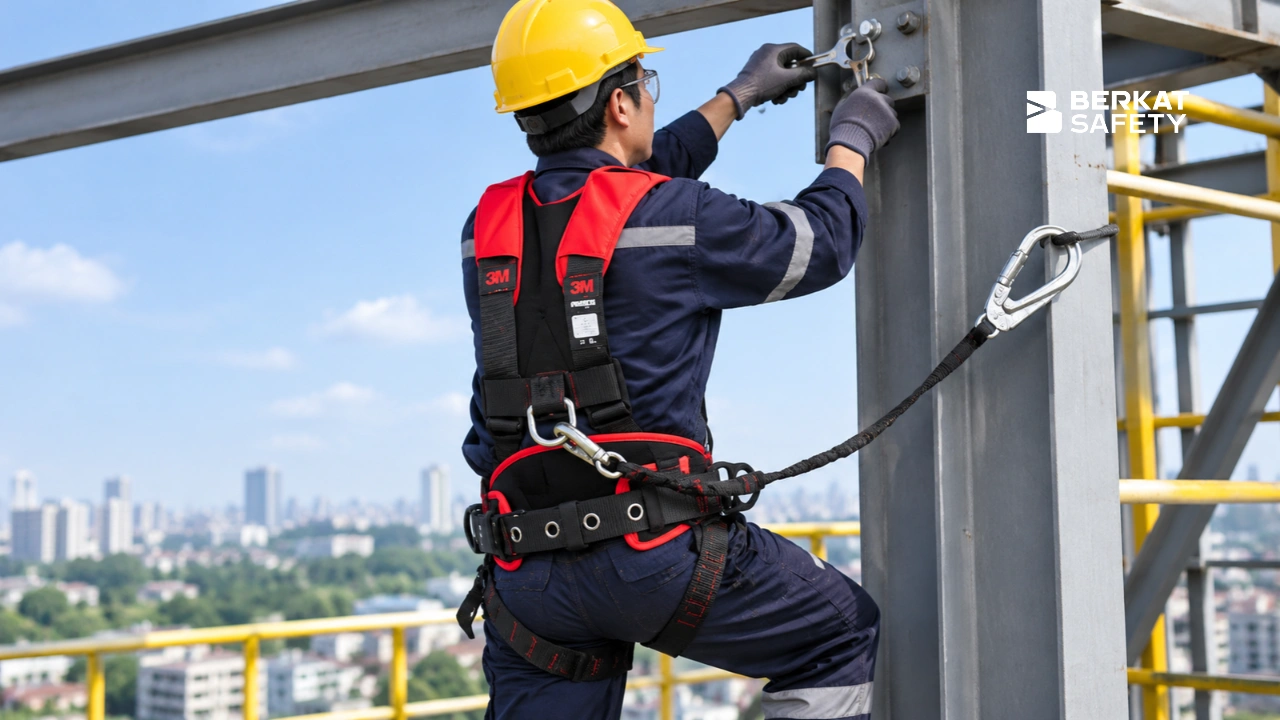
A full body harness is a type of personal protective equipment (PPE) used to protect workers when performing tasks at height. It is designed to support the body and help distribute impact forces across specific parts of the body in the event of a fall, when used as part of a suitable fall arrest system.
In general, a full body harness consists of several components, including webbing straps, shoulder pads, a chest strap, leg straps, buckles, and D-rings that serve as attachment points. Each component has a different function, and they work together to support worker safety and comfort.
Understanding the different parts of a full body harness is important before using it. By knowing the function of each component, workers can ensure that the harness is properly fitted and identify which parts need to be inspected before starting work.
What Are the Parts of a Full Body Harness?
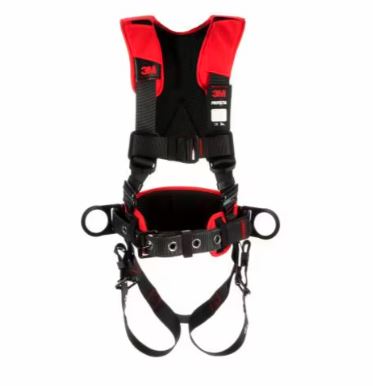
A full body harness has several main components designed to support the body and form part of a work-at-height safety system. The following explains each component and its function.
1. Shoulder Pad
A shoulder pad is the cushioning located around the shoulder area of the harness. It is designed to improve comfort when wearing the harness, especially when workers need to wear it for extended periods.
The shoulder padding helps reduce pressure from the webbing straps that come into direct contact with the shoulders. Some models also use softer materials and breathable construction to help reduce heat buildup during use.
Although it improves comfort, the shoulder pad is not a primary load-bearing component during a fall. Load-bearing performance depends on the webbing, stitching, buckles, and attachment points designed for that purpose.
2. Back Pad
The back pad is the cushioning located in the back area of the harness. It provides additional comfort and helps reduce pressure on the worker's back while wearing the harness.
The material is generally designed to be soft and comfortable. Some products use breathable, porous materials to support airflow.
The back pad also helps make the harness more comfortable to wear. However, users must still ensure that all straps are properly fitted and are not twisted.
3. Webbing
Webbing is the main strapping that forms the structure of a full body harness. It wraps around specific parts of the body, such as the shoulders, chest, waist, and thighs, to support the wearer and distribute forces when the fall protection system is activated.
Webbing is generally made from high-strength synthetic fibers, such as polyester or nylon, depending on the product specifications. These materials are selected for their strength and suitability for workplace safety applications.
The condition of the webbing must be inspected regularly. Check for cuts, frayed fibers, damaged stitching, discoloration caused by chemical exposure, or other signs of damage. Damaged webbing can compromise the harness's ability to perform as intended.
4. Adjustment Buckle
An adjustment buckle is used to adjust the length or tightness of the harness straps to fit the wearer's body.
Buckles are commonly found on the shoulder and leg straps, depending on the harness design. Proper adjustment helps ensure that the harness fits securely without being too loose or too tight.
Before starting work, make sure every buckle is properly fastened and that the straps threaded through it are not folded or twisted. Incorrect adjustment can cause the harness to shift out of its intended position during use.
5. Chest Strap
The chest strap connects the shoulder straps across the chest. It helps keep the shoulder straps in position and prevents them from easily slipping out of place as the worker moves.
The chest strap is usually equipped with a buckle that allows the wearer to adjust its tightness. Correct fastening helps keep the harness stable during work.
Make sure the chest strap is positioned according to the manufacturer's instructions. A strap that is too loose or too tight can reduce comfort and affect the harness's position during use.
6. Side D-Ring
Side D-rings are attachment rings usually located on the left and right sides of the harness waist area. They serve as attachment points for work positioning, which helps workers maintain a stable body position while performing tasks at height.
Side D-rings are generally used with a compatible positioning lanyard. This system helps workers maintain their position while keeping both hands free to perform their tasks.
Important: Side D-rings are generally not attachment points for a fall arrest system. For fall arrest, use an attachment point specifically designated by the manufacturer, such as the dorsal D-ring on the back, in accordance with the harness instructions.
7. Waist Belt
The waist belt is positioned around the waist and is usually equipped with padding to improve wearer comfort.
On harnesses designed for work positioning, the waist belt can help support the worker's position while performing tasks at height. It may also include attachment points or loops for certain work accessories.
However, the waist belt does not replace the function of a full body harness in a fall arrest system. A waist belt alone is not designed to restrain the body during a free fall. Workers must therefore use a fall protection system suitable for the task.
8. Leg Strap
A leg strap wraps around the thigh and is one of the important components in the construction of a full body harness.
These straps help support the body and distribute forces in the event of a fall. Leg straps also help keep the wearer positioned within the harness while the fall arrest system is operating.
Leg strap adjustment must be checked before using the harness. Straps that are too loose may not properly secure the wearer, while straps that are too tight can restrict comfort and movement.
Make sure both leg straps are properly fastened, are not twisted, and are adjusted according to the manufacturer's instructions.
9. Lanyard Keeper
A lanyard keeper is a small loop or holder used to secure a lanyard when it is not in use.
This component helps keep the lanyard from hanging loose and interfering with the worker's movement. It can therefore help reduce the risk of the lanyard getting caught on objects or obstructing work activities.
A lanyard keeper is not an attachment point for supporting loads or arresting a fall. Users must ensure that the lanyard remains connected to an appropriate attachment point whenever the fall protection system is in use.
10. Label / Identification
The identification label contains important information about the full body harness. This information may include the brand, model, serial number, applicable standards, size, user capacity, and manufacturing or inspection details.
The label helps users and inspectors identify the specifications of the harness. This information can also be used to determine whether the product is suitable for the intended work.
Before using the harness, check that the label is clearly legible. If important information is missing or cannot be identified, follow the inspection procedures and manufacturer's requirements before deciding whether the harness is still suitable for use.
Other Important Components to Know
In addition to the components shown in the image, there is another part worth understanding when discussing full body harnesses, particularly for fall arrest systems.
Dorsal D-Ring
The dorsal D-ring is an attachment ring located on the back of the harness, generally in the upper back area. It is one of the attachment points commonly used in fall arrest systems.
The dorsal D-ring connects the full body harness to connecting components such as a lanyard or other fall arrest devices. If a fall occurs, the resulting forces are transferred through the system connected to the harness.
Not all D-rings serve the same purpose. Users must therefore ensure that the attachment point being used complies with the manufacturer's instructions and is suitable for the fall protection system in place.
How to Ensure Each Part of a Full Body Harness Is in Good Working Condition
Knowing the harness components is not enough. Each part must be inspected before use to ensure there is no damage that could compromise worker safety.
Start by checking the condition of the webbing and stitching. Make sure there are no torn, frayed, or worn straps, or signs of damage caused by exposure to heat or chemicals. Next, inspect the buckles and D-rings for deformation, cracks, corrosion, or faulty locking mechanisms.
Also check the condition of the shoulder pads, back pad, chest strap, leg straps, and identification label. Make sure all components are in good condition and can perform their intended functions.
In addition to visual inspections, conduct periodic inspections in accordance with company procedures and the manufacturer's recommendations. A harness that has been subjected to fall arrest forces must be immediately removed from service and handled according to the manufacturer's requirements.
Why It Is Important to Understand Full Body Harness Components Before Working at Height
Each part of a full body harness has a related function that supports worker safety during activities at height. Webbing, leg straps, the chest strap, buckles, and D-rings are among the important components workers should understand before using a harness.
A harness must also be used as part of a complete fall protection system. This system should include a suitable anchor point, compatible connecting devices, fall clearance calculations, and a rescue plan in case an incident occurs.
Berkat Safety provides a range of workplace safety equipment, including full body harness dan fall protection equipment to support work-at-height requirements. Make sure to select products based on the work hazards, technical specifications, and relevant safety standards.
Frequently Asked Questions About Full Body Harness Components
What is the most important part of a full body harness?
Webbing, leg straps, the chest strap, buckles, and attachment points are important components of a full body harness. Each has a different function and must be in good condition to ensure the harness is used as intended.
What is the function of a D-ring on a full body harness?
A D-ring serves as an attachment point connecting the harness to other components of a safety system. Its function depends on its position and the product design. A dorsal D-ring is generally used for fall arrest, while side D-rings are typically used for work positioning.
Does a full body harness have to include a waist belt?
Not all full body harnesses are equipped with a waist belt. Some models only have shoulder straps, a chest strap, and leg straps. A waist belt is generally found on harnesses designed to support work positioning activities.
What is the function of an adjustment buckle on a harness?
An adjustment buckle is used to adjust the length and tightness of the straps so the harness fits the wearer's body. Proper adjustment helps keep the harness stable and comfortable during use.
Can a lanyard keeper be used as an attachment point?
No. A lanyard keeper is only used to store or secure a lanyard when it is not in use. It is not an attachment point designed to support loads or arrest a fall.