23/11/2026 04:55 AM
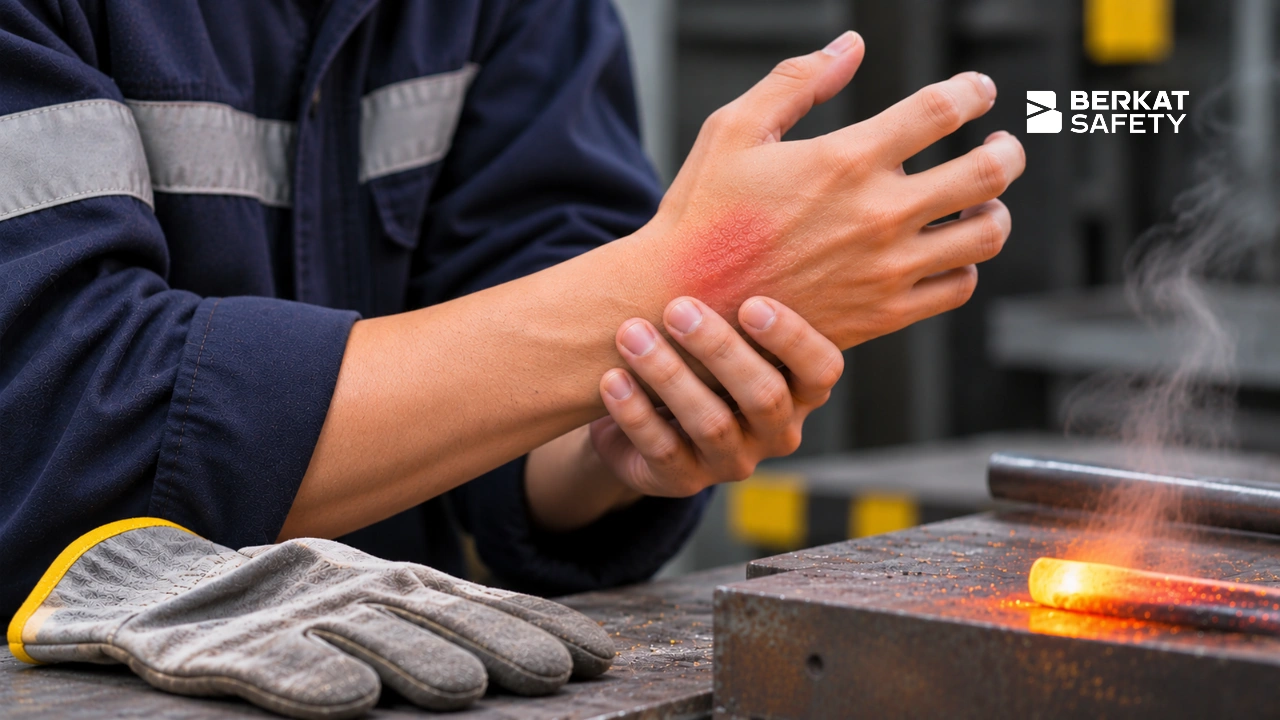
Burns are one of the occupational injury risks that can occur across various industrial sectors. Workers operating near flames, hot metal, steam, high-temperature liquids, or certain chemicals may be injured if proper safety procedures are not followed.
The effects of burns can range from skin redness and pain to more serious tissue damage. In addition to causing injuries, these incidents can disrupt operations and require medical treatment.
To reduce these risks, employers and workers need to take preventive measures through hazard controls, safe work procedures, and the use of personal protective equipment (PPE) appropriate to each task. One such measure is using safety gloves designed to protect hands from heat, splashes, or other hazards according to the product specifications.
Causes of Burns at Work
Workplace burns can be caused by various hazards. Common causes include:
- Contact with hot objects: Touching machine surfaces, pipes, metal, or equipment at high temperatures.
- Exposure to flames and sparks: Occurs during welding, metal cutting, work involving burners, or other activities that generate flames.
- Hot liquids and steam: Contact with boiling water, hot oil, steam, or other high-temperature liquids.
- Corrosive chemicals: Exposure to certain chemicals can cause skin tissue damage similar to a burn.
- Electric current: Contact with an electrical source can cause tissue injuries, both at the entry point and in other parts of the body.
Each hazard has different characteristics. Therefore, PPE must be selected based on identified risks, not simply on the general type of work.
Types of Burns Based on Their Causes
Understanding the types of burns based on their causes helps workers identify risks and determine appropriate preventive measures.
Thermal Burns and Flame Burns
Thermal burns occur when the skin comes into contact with heat sources such as flames, hot metal surfaces, machinery, or high-temperature industrial equipment. Injuries can also result from hot material splashes during production or welding processes.
Work involving high temperatures requires exposure controls and appropriate PPE. Heat-resistant gloves may be used for specific tasks when their protection specifications match the temperatures and contact duration involved.
Burns Caused by Hot Liquids and Steam
Hot liquids and steam can cause burns when they come into contact with the skin. This risk can occur in the food and beverage industry, material processing, production facilities, and work involving heating systems or pressurized steam.
Exposure to hot steam also requires attention, as it can cause injuries even when workers do not directly touch a hot surface.
Chemical Burns
Chemical burns occur when the skin is exposed to corrosive or tissue-damaging substances, such as certain strong acids and alkalis. Exposure may result from container leaks, liquid splashes, spills, or improper chemical handling.
Prevention requires identifying the chemicals involved and selecting gloves and PPE that are compatible with those substances. Heat-resistant gloves are not necessarily chemical-resistant, and vice versa.
Electrical Burns
Electrical burns can occur when electric current passes through the body or generates heat due to faults in installations or equipment. This risk can arise during installation, maintenance, machinery repair, and other activities involving electrical systems.
Regular gloves are not sufficient to protect workers from electrical hazards. Electrical work requires insulating gloves suitable for the voltage class and applicable safety procedures.
Jobs with a Risk of Burns
Not all jobs carry the same level of burn risk. The risk generally increases when tasks involve heat sources, flames, electricity, or hazardous chemicals.
Welding Work
Welding involves high temperatures, molten metal splashes, and radiation that can cause skin injuries. Hands are among the body parts vulnerable to sparks during welding.
Welders therefore need specialized protection, such as welding gloves, protective clothing, face protection, and other equipment appropriate to the welding process.
Work in the Manufacturing Industry
Manufacturing activities may involve heating machinery, high-temperature metal components, molding processes, and heat-generating production equipment. Workers operating or maintaining machinery may suffer burns if they touch components that are still hot.
Temperature controls, hazard-area signage, and the use of appropriate PPE should be implemented to reduce these risks.
Work in the Metalworking and Smelting Industry
The metalworking and smelting industries involve a high risk of heat exposure, including contact with hot materials and molten metal splashes. Tasks such as casting, cutting, and metal processing require protection specifically designed for these conditions.
Heat-resistant gloves and specialized protective clothing can be part of worker protection, but they must be selected based on the risk assessment and product specifications.
Work Involving Chemicals
Workers in laboratories, the chemical industry, and certain processing facilities may face burn risks from contact with corrosive substances. For these tasks, gloves must be selected based on the type and concentration of the chemical, temperature, and contact duration.
Glove material compatibility should be checked using the manufacturer's documentation or the Safety Data Sheet (SDS).
How to Prevent Burns in the Workplace
Preventing burns requires more than simply using gloves or other PPE. Employers need to implement comprehensive hazard controls, including risk identification, workplace organization, operating procedures, and worker training.
The following measures can be implemented.
1. Identify Hazard Sources in the Workplace
The first step is to identify potential sources of burns. This can be done by inspecting machinery, electrical installations, heating equipment, chemicals, and production processes involving high temperatures.
Once the hazards have been identified, the company can determine appropriate control measures. These may include installing guards on hot surfaces, displaying warning signs, or restricting access to certain areas.
2. Use Appropriate Personal Protective Equipment
Using PPE is an important measure for reducing workplace hazard exposure. The type of PPE required depends on the source of risk and the body parts that may be exposed.
Tasks involving heat may require heat-resistant gloves, protective clothing, aprons, face protection, or other specialized equipment. Work involving chemicals requires PPE that is compatible with the substances being used.
Make sure each piece of PPE has suitable protection specifications. Do not assume that one type of equipment can protect against every hazard.
3. Choose Safety Gloves Based on Job Risks
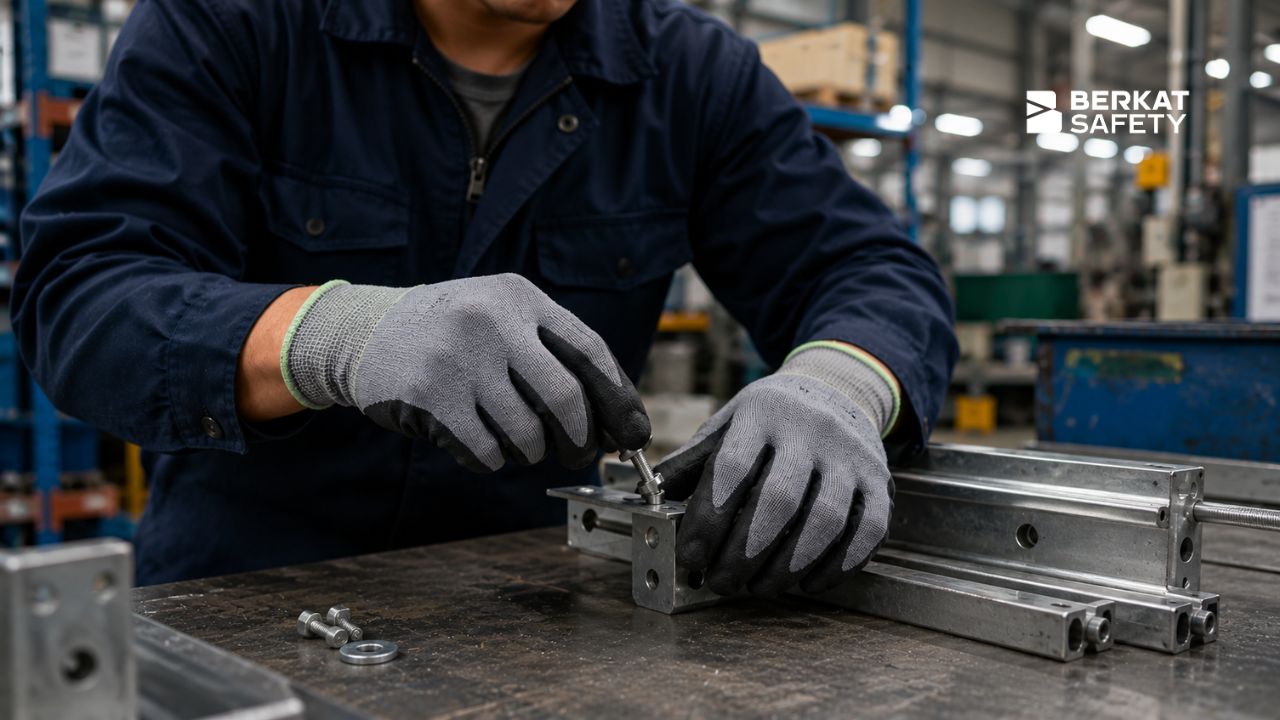
Hands are often directly involved in work activities, such as handling materials, operating equipment, and handling production components. Therefore, safety gloves must be selected according to the potential hazards involved.
For tasks involving heat exposure, use gloves specifically designed for thermal protection. Before use, check their heat-resistance capability, the type of contact tested, and the product's usage limits.
If the work involves chemicals or electricity, choose gloves with protection specifications appropriate to those hazards. You can explore hand protection options in Berkat Safety's Hand Protection category.
4. Follow Workplace Safety Procedures
Every activity that carries a risk of burns should have clear work procedures. Workers must understand how to operate equipment, handle hot materials, use PPE, and respond to emergencies.
For welding or other spark-generating activities, for example, the company should implement a hot work permit procedure when required by its applicable safety management system.
Workers should also receive regular training so they understand potential hazards and do not overlook safety procedures.
5. Maintain Distance and Limit Contact with Heat Sources
Do not touch machinery, pipes, metal, or high-temperature equipment until you have confirmed that it is safe. Where possible, use physical guards or tools to reduce direct contact with heat sources.
During maintenance work, make sure the equipment has been switched off and its components have cooled to a safe temperature before inspection or repair.
6. Provide Emergency and First Aid Facilities
In addition to prevention, companies need to prepare emergency response facilities in case of workplace accidents. First aid kits, access to clean water, evacuation routes, and personnel trained in first aid are important parts of emergency preparedness.
Work areas with a fire risk should also be equipped with firefighting equipment based on the risk assessment. You can explore the Fire Equipment category at Berkat Safety to see available fire safety equipment.
Why Safety Gloves Are Important for Burn Prevention
Safety gloves are a type of PPE designed to protect hands from various workplace hazards. However, different gloves have different characteristics and protection capabilities. Products should therefore be selected based on the hazards involved.
The following are several types of gloves relevant to burn risks and heat exposure.
Heat-Resistant Gloves

Heat-resistant gloves are designed to help protect hands when handling hot objects or materials. They may be used for specific tasks in manufacturing, metal processing, and other activities involving heat exposure.
Their protection capabilities depend on the materials, construction, and product test results. Check whether the gloves are designed for contact heat, convective heat, radiant heat, or molten metal splashes.
Welding Gloves

Welding gloves help protect hands from heat, sparks, and mechanical risks during welding. These products are generally made from materials such as leather, with a construction suited to welding activities.
When selecting welding gloves, consider the welding process, spark intensity, heat level, and required hand dexterity. Gloves suitable for one type of welding may not be appropriate for every welding process.
Chemical-Resistant Gloves
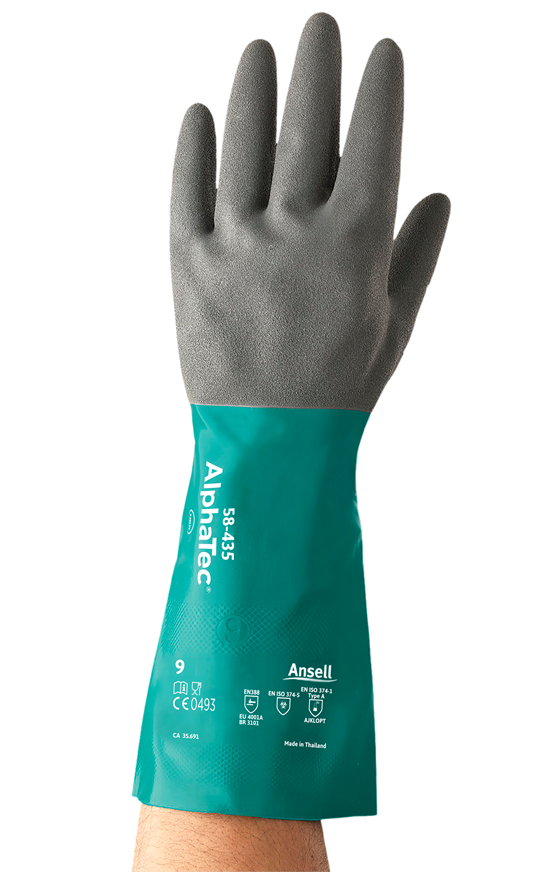
Chemical-resistant gloves are designed to help reduce skin contact with specific chemicals. They may be made from various materials, including nitrile, neoprene, PVC, or other specialized materials.
These gloves are important for tasks involving corrosive substances, as direct contact with certain chemicals can cause chemical burns. However, each material has different resistance properties, so compatibility must be checked against the type and concentration of the chemical.
Electrical Insulating Gloves
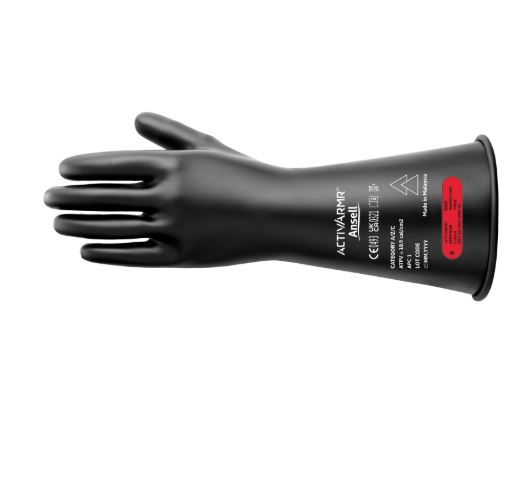
Electrical insulating gloves are designed to help protect workers from electric shock during electrical work, according to the applicable voltage class and product standards.
These gloves are different from ordinary heat-resistant gloves. Their use must follow electrical safety procedures, including condition inspections and periodic testing in accordance with applicable requirements.
Note: Heat-resistant gloves, welding gloves, chemical-resistant gloves, and electrical insulating gloves serve different purposes. Do not use one type of glove as a substitute for protection against hazards not covered by its specifications.
What Should You Do If a Burn Occurs at Work?
Even when preventive measures are in place, workplace accidents can still happen. If a worker suffers a burn, appropriate immediate action can help reduce the impact of the injury before medical treatment is provided.
The following are general first aid steps for minor to moderate thermal burns.
1. Move the Injured Person Away from the Hazard
Make sure the area is safe before providing assistance. Stop the process that caused the burn and move the injured person away from heat sources, flames, or hazardous materials if this can be done without endangering the rescuer.
2. Cool the Burned Area
Hold the burned area under cool, clean running water for approximately 20 minutes. Do not apply ice or ice water directly, as this can cause further tissue damage.
Burns caused by chemicals require special attention. Avoid contact with the substance, remove contaminated clothing if it is safe to do so, and follow the chemical safety instructions and workplace emergency response procedures.
3. Remove Accessories Near the Burn
If there are rings, watches, or other accessories near the burned area, carefully remove them before swelling occurs. However, do not pull away clothing or objects that are stuck to the burned skin.
4. Cover the Burn with a Clean Dressing
After cooling the area, cover the burn with sterile gauze or a clean, non-adherent dressing. Do not apply toothpaste, oil, butter, or other household substances to the burn.
5. Seek Medical Attention Immediately When Needed
Deep or extensive burns, burns caused by electricity or chemicals, and burns affecting the face, hands, feet, or genital area require immediate medical assessment. If the injured person has difficulty breathing, loses consciousness, or has a severe injury, contact emergency services immediately.
This guide provides general first aid information and is not a substitute for assessment by a medical professional.
Choose Safety Gloves That Match the Risks of the Job
Preventing workplace burns requires a combination of hazard controls, safety procedures, and appropriate PPE. Safety gloves are one important item to consider because hands are often directly exposed to materials, equipment, and hazards during work.
Berkat Safety offers a range of workplace safety equipment for industrial needs, including hand protection products. Before choosing gloves, make sure their material and protection specifications match the job risks, whether involving heat, sparks, chemicals, or mechanical hazards.
You can explore the available products on Berkat Safety's Hand Protection page. For protection during welding work, you can also browse the Welding Protective Apparel category.
By choosing the right PPE and consistently following safety procedures, the risk of burns and other workplace accidents can be reduced.
FAQ About Workplace Burns
What are the most common causes of workplace burns?
Burns can be caused by contact with hot surfaces, flames, metal splashes, hot liquids or steam, corrosive chemicals, and electric current. The type of risk depends on the work activity and environment.
Can safety gloves prevent burns?
Safety gloves specifically designed for heat hazards can help reduce heat exposure to the hands. However, their level of protection depends on the product specifications, temperature, contact duration, and type of exposure. Not all safety gloves are heat-resistant.
What is the difference between heat-resistant gloves and welding gloves?
Heat-resistant gloves are a category of protection against specific types of heat exposure, while welding gloves are designed for welding tasks, including protection from sparks and heat generated during the process. Their functions may overlap, but they are not always interchangeable.
Can leather gloves protect against heat?
Leather gloves can provide protection against certain mechanical hazards and some types of heat, but their capabilities depend on the type of leather, construction, thickness, and product test results. Do not assume that all leather gloves are automatically heat-resistant or safe for handling hot metal.
What is the first aid for a heat-related burn?
For a thermal burn, move the injured person away from the hazard, then cool the affected area under clean running water for approximately 20 minutes. Do not use ice or apply household substances to the burn. Seek medical attention if the burn is serious or involves electricity or chemicals.