15/05/2026 06:49 AM
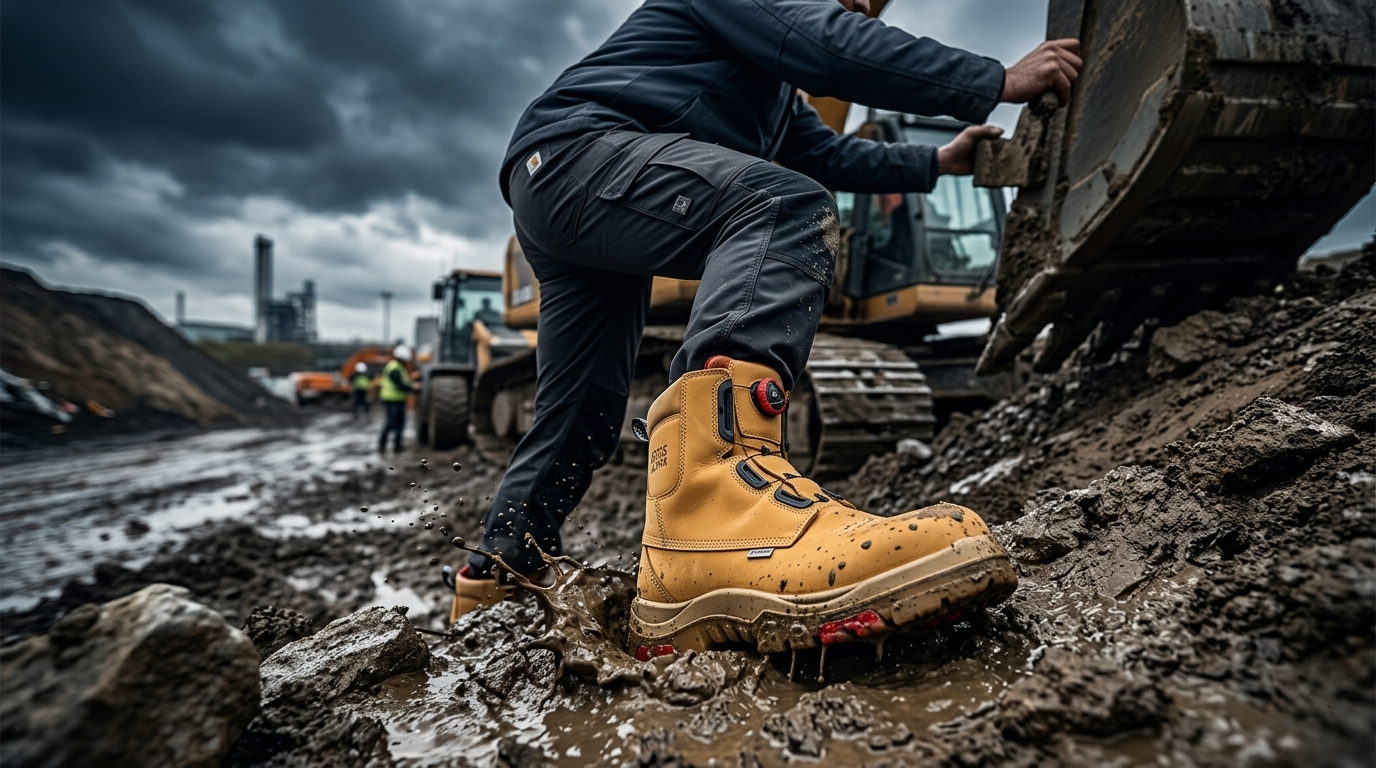
Comfortable Safety Shoes or a Daily Burden?
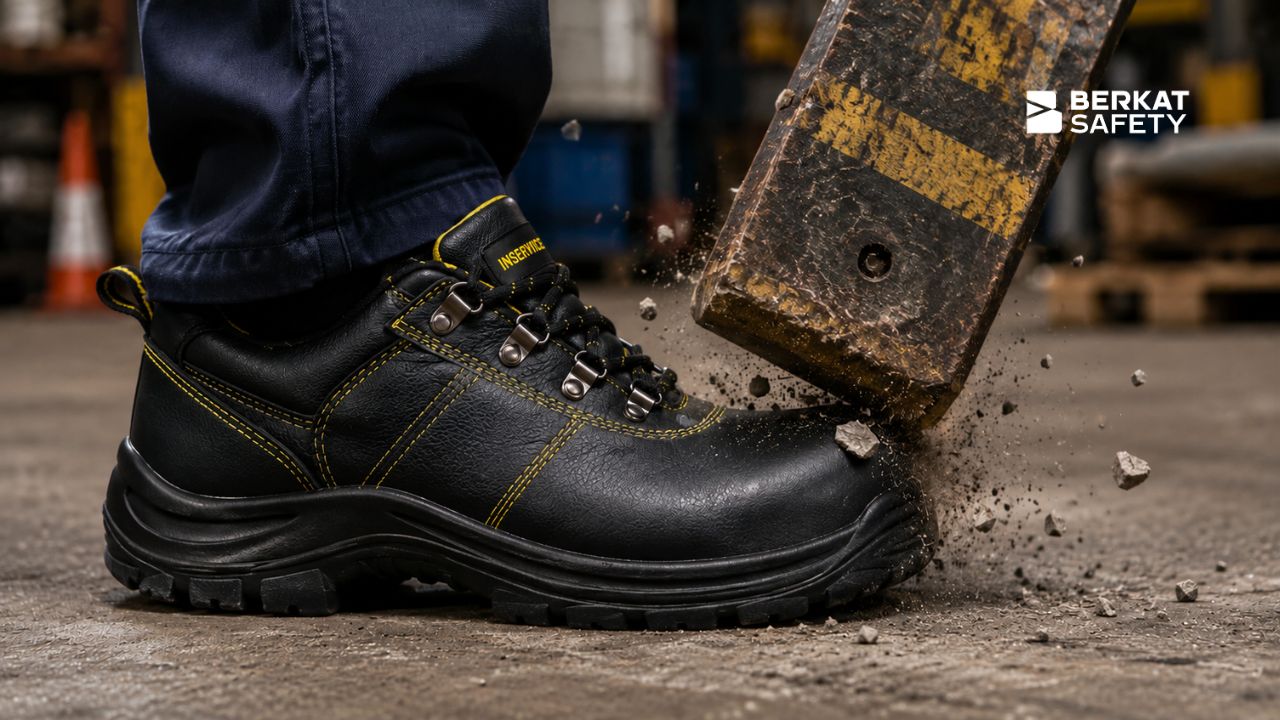
Have you ever experienced tired, hot, or blistered feet after wearing safety shoes all day? Many people assume this problem is only caused by incorrect shoe sizing. In reality, the material of the safety shoes plays a major role in determining overall comfort. Choosing the wrong material can make daily work activities feel more exhausting than they should be. On the other hand, the right material can improve comfort, mobility, and productivity throughout the workday. This is why understanding the impact of safety shoe materials on all-day work comfort is essential before choosing the right safety footwear for your needs.
Why Safety Shoe Materials Matter
The material is one of the most important factors affecting safety shoe comfort. Each material has different characteristics in terms of:
- Breathability
- Flexibility
- Shoe weight
- Durability
- Heat and moisture management
In tropical climates like Indonesia, selecting the right safety shoe material can help keep feet comfortable even during long working hours. Heavy or poorly ventilated safety shoes may increase foot fatigue and reduce comfort during daily activities.
Types of Safety Shoe Materials and Their Impact on Comfort
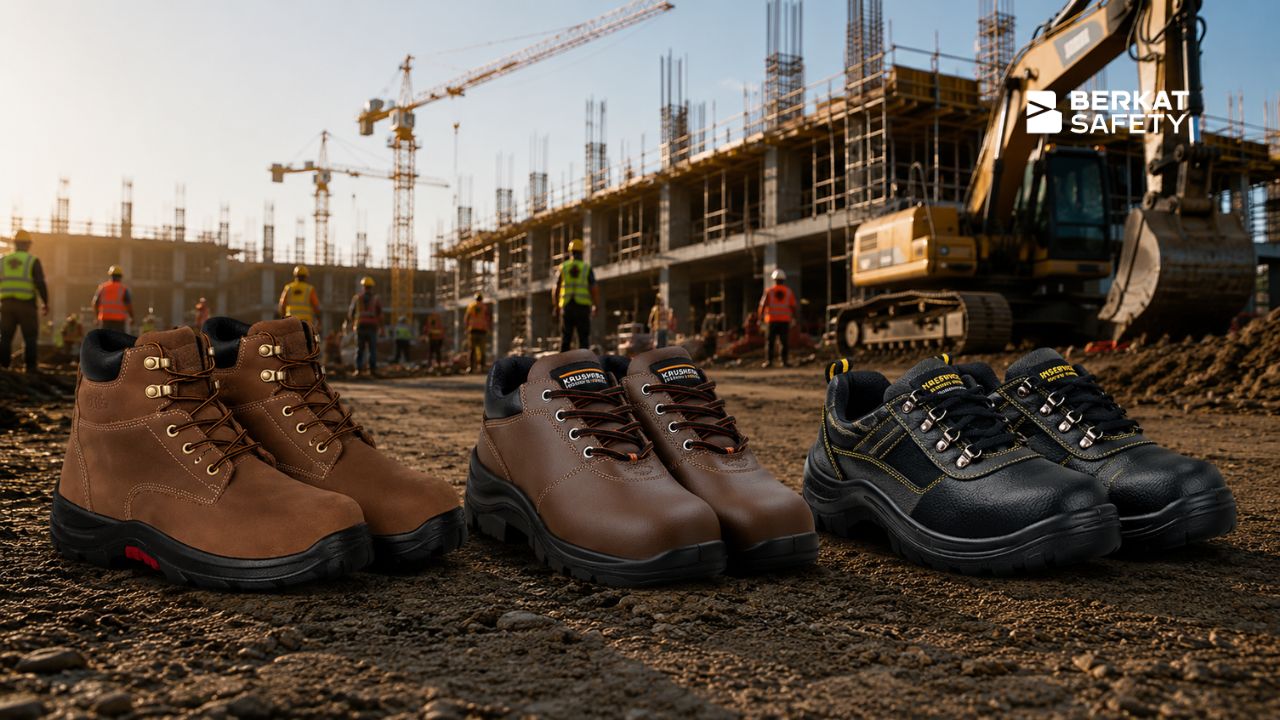
1. Genuine Leather: Long-Term Comfort and Durability
Genuine leather is widely known for its durability and ability to adapt to the shape of the foot over time.
Advantages:
- Flexible and adapts to foot shape
- More comfortable for long-term use
- Resistant to pressure and friction
- Suitable for heavy-duty work environments
Disadvantages:
- Usually heavier
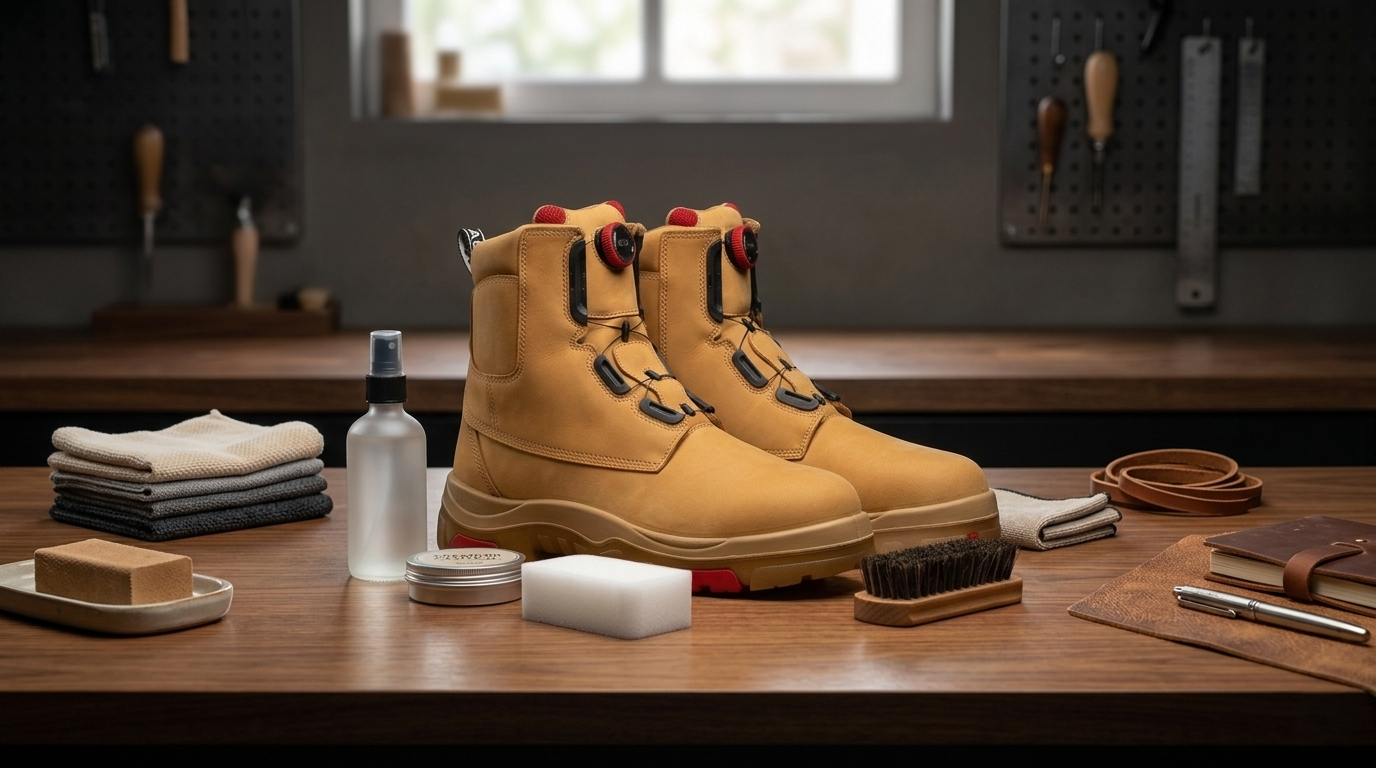
- Requires regular maintenance
- Higher price compared to synthetic materials
Leather safety shoes are ideal for industrial workers, construction projects, and demanding work environments.
2. Synthetic Materials: Lightweight and Practical
Synthetic materials are popular because they are lighter and more comfortable for high-mobility work activities.
Advantages:
- Lightweight and flexible
- Comfortable for dynamic movement
- Easier to maintain
- More affordable
Disadvantages:
- May have lower durability than genuine leather
- Less adaptable to foot shape over long-term use
Synthetic safety shoes are suitable for light to medium-duty work and jobs requiring frequent movement.
3. Breathable Materials for Better Air Circulation
Breathability is a key factor in maintaining comfort, especially for all-day use.
Materials with good ventilation help:
- Reduce heat inside the shoes
- Minimize moisture buildup
- Keep feet dry
- Reduce unpleasant odors
This is especially important for outdoor workers or high-temperature environments.
4. Heat and Moisture Management
Some materials absorb heat more quickly, causing feet to feel hot and uncomfortable.
Choosing safety shoes with better temperature and moisture management can help:
- Reduce heat buildup
- Improve all-day comfort
- Minimize foot fatigue
That is why selecting the right material based on the work environment is very important.
Leather vs Synthetic: Which Is More Comfortable?
The answer depends on your work needs and daily activities.
Choose Leather If:
- You work in heavy-duty environments
- Safety shoes are worn for long hours
- Durability is a priority
- You want long-term comfort
Choose Synthetic If:
- You need lightweight safety shoes
- Your job requires high mobility
- You perform dynamic activities
- You prefer easier maintenance
Both materials offer unique advantages. The most important thing is choosing the material that matches your work conditions.
How to Choose Comfortable Safety Shoes for Daily Work
To get the best safety shoe comfort, consider the following factors:
1. Match the Shoes to Your Work Type
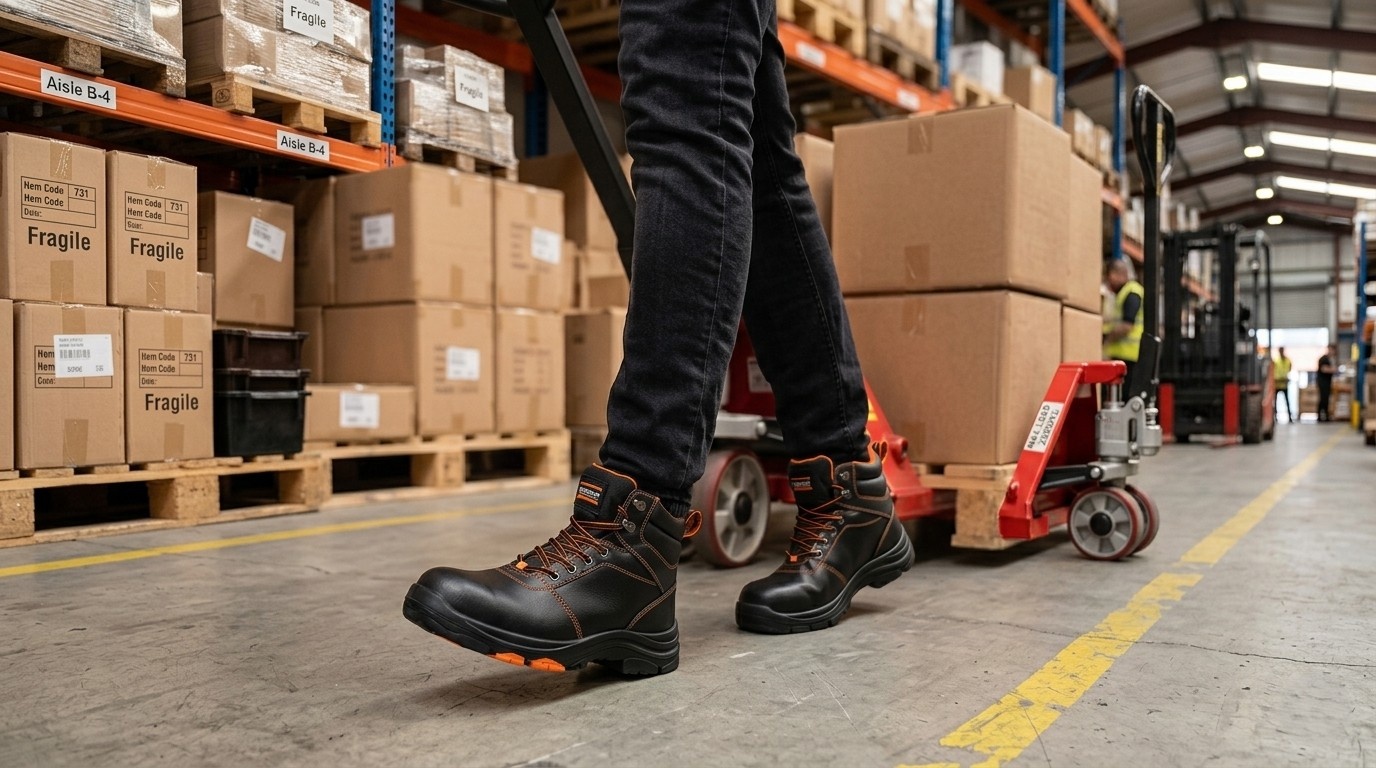
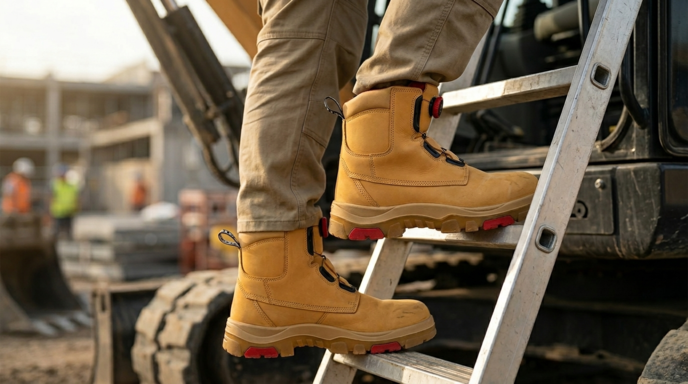
Different workplaces such as construction sites, warehouses, factories, and outdoor areas require different materials.
2. Check Breathability
Choose materials that help keep your feet cool and dry.
3. Consider Shoe Weight
Heavy safety shoes can cause faster foot fatigue.
4. Prioritize Flexibility
Flexible materials improve comfort during movement.
5. Think About Daily Usage Duration
For all-day use, choose materials that adapt well to your feet and reduce pressure.
The right material selection not only improves comfort but also helps reduce fatigue and minor injuries during work activities. This approach is also a major focus for professional safety equipment providers like Berkat Safety, which understands that comfort is an important part of workplace safety.
FAQ About Safety Shoe Comfort
1. What affects safety shoe comfort the most?
Material, breathability, flexibility, and shoe weight are the main factors affecting comfort.
2. Are leather safety shoes more comfortable?
For long-term use, yes. Leather adapts to the shape of the foot over time, providing better comfort.
3. Are synthetic safety shoes more comfortable?
For high-mobility work, synthetic safety shoes may feel more comfortable because they are lighter.
4. How do I choose safety shoes that are not too hot?
Choose breathable materials with good ventilation and avoid materials that absorb excessive heat.
5. Do shoe materials affect foot fatigue?
Yes. Heavy or inflexible safety shoes can increase foot fatigue during all-day use.
Comfort Starts with the Right Material
Understanding the impact of safety shoe materials on all-day work comfort helps you make better decisions when choosing protective footwear. Comfortable safety shoes not only improve productivity but also support long-term foot health. By choosing the right material, workers can stay comfortable, active, and less fatigued throughout the day. Discover comfortable safety shoe solutions with Berkat Safety and choose the right protection for your industrial work needs.