04/03/2026 08:54 AM


Workplace safety is not enough to simply provide Personal Protective Equipment (PPE), create work procedures, or train employees. Companies need a system that manages safety in a structured way, from hazard identification and planning to implementation, evaluation, and improvement.
This system is known as SMK3, or the Occupational Safety and Health Management System.
SMK3 helps companies integrate occupational safety and health into their overall management system, so risk control is not only addressed after an accident occurs but becomes part of everyday operations.
So, what is SMK3, what are its objectives and legal basis, and how is it implemented in a company? Here is a complete overview.
What Is SMK3?
SMK3 is the Occupational Safety and Health Management System, a part of a company’s management system used to control risks related to work activities and create a safe, efficient, and productive workplace.
In practice, SMK3 integrates various safety aspects into company activities, including:
- Establishing an OHS policy
- Hazard identification and risk control
- OHS program planning
- Implementing safety procedures
- Monitoring and evaluating OHS performance
- Reviewing performance and making continuous improvements
Therefore, SMK3 is not simply a collection of documents prepared for audits. It provides a framework that helps companies manage safety risks systematically, measurably, and continuously.
Legal Basis for SMK3 in Indonesia
The main legal basis for implementing SMK3 in Indonesia is Government Regulation (PP) No. 50 of 2012 on the Implementation of the Occupational Safety and Health Management System. The regulation is currently listed as in force in the Legal Information Documentation Network (JDIH) of the Ministry of Manpower.
In addition, occupational safety and health implementation is also related to various laws and regulations covering employment and workplace safety.
Who Is Required to Implement SMK3?
Under Article 5 of PP No. 50 of 2012, every company is required to implement SMK3. This requirement applies to companies that:
- Employ at least 100 workers; or
- Have a high level of potential hazard.
This means the requirement to implement SMK3 is not determined solely by the number of employees. Companies with fewer than 100 employees may also be required to implement SMK3 if they have a high level of potential hazard.
For companies that fall into these categories, SMK3 should be implemented in accordance with PP No. 50 of 2012 and other applicable laws and regulations.
What Are the Objectives of SMK3?
The implementation of SMK3 has broader objectives than simply reducing the number of workplace accidents.
According to PP No. 50 of 2012, SMK3 aims to improve the effectiveness of planned, measurable, structured, and integrated OHS protection; prevent and reduce workplace accidents and occupational diseases; and create a safe, comfortable, and efficient workplace that supports productivity.
In practice, these objectives can be achieved through the following measures.
1. Control Workplace Safety Risks
SMK3 helps companies identify hazards, assess risks, and determine appropriate controls before those risks lead to accidents.
2. Prevent Accidents and Occupational Diseases
Through systematic risk controls, companies can reduce the likelihood of workplace accidents and occupational diseases.
3. Create a Safe Working Environment
SMK3 helps build a safer and more organized work environment, allowing employees to perform their activities with better-controlled risks.
4. Improve Productivity
A safe work environment and effective risk management can support smooth operations and improve company productivity.
5. Promote Continuous Improvement
SMK3 does not stop once procedures are created. Safety performance needs to be reviewed regularly to identify gaps and determine corrective actions.
What Are the Elements of SMK3?
PP No. 50 of 2012 establishes five main elements of SMK3: establishing an OHS policy, OHS planning, implementing the OHS plan, monitoring and evaluating OHS performance, and reviewing and improving SMK3 performance.
1. Establishing an OHS Policy
The first step is to establish an OHS policy as a clear expression of the company’s commitment to occupational safety and health.
The policy should be supported by management and communicated to employees so that it does not remain a formal document but serves as a practical guide for daily company activities.
2. OHS Planning
Once the policy has been established, the company needs to develop OHS plans based on the conditions and risks present in the workplace.
Planning may include:
- Identifying potential hazards
- Risk assessment
- Risk control
- Setting OHS objectives and targets
- Developing OHS programs
Good planning helps companies prioritize controls based on the risks they face.
3. Implementing the OHS Plan
The plan is then put into practice through the company’s day-to-day operations.
Implementation may include providing resources, assigning OHS responsibilities, training employees, communicating safety information, establishing work procedures, and providing PPE based on job-specific risks.
At this stage, consistency is essential because a safety system is only effective when it is applied in everyday work activities.
4. Monitoring and Evaluating OHS Performance
SMK3 needs to be monitored and evaluated to determine whether established programs are achieving their intended objectives.
Evaluation can be carried out through inspections, examinations, audits, performance monitoring, and reviews of incidents and field findings.
The monitoring results can then be used to determine corrective actions when nonconformities are identified.
5. Reviewing and Improving SMK3 Performance
SMK3 is a system that needs to be continuously developed.
Changes in work processes, equipment, workplace conditions, evaluation results, or accidents can provide valuable input for reviewing the existing system.
The goal is to ensure that the system remains relevant and continues to provide effective OHS protection.
How to Implement SMK3 in a Company
SMK3 implementation should be tailored to the characteristics, size, activities, and risk level of each company.
In general, companies can start with the following steps:
1. Identify Workplace Conditions and Hazards
Identify activities, equipment, materials, and environmental conditions that may create safety and health risks.
2. Conduct a Risk Assessment
Determine the risk level of each hazard so the company can set control priorities.
3. Establish OHS Policies and Objectives
Management needs to demonstrate its commitment through policies, objectives, and the provision of necessary resources.
4. Develop OHS Programs and Procedures
Create work procedures, training programs, inspections, safety communications, emergency preparedness, and other control programs as needed.
5. Provide Appropriate Safety Equipment
PPE is used as part of risk control when hazards cannot be eliminated or fully controlled through other methods.
6. Monitor and Evaluate
Conduct regular evaluations to determine program effectiveness and identify opportunities for improvement.
7. Make Continuous Improvements
Use inspection results, audits, incident reports, and evaluations as the basis for improving the OHS system.
The Role of PPE in SMK3 Implementation
PPE is one component that can support SMK3 implementation, but PPE is not the only form of risk control.
In practice, companies should prioritize controlling risks at their source. If risks remain after other controls have been applied, PPE can be used as an additional layer of protection for employees.
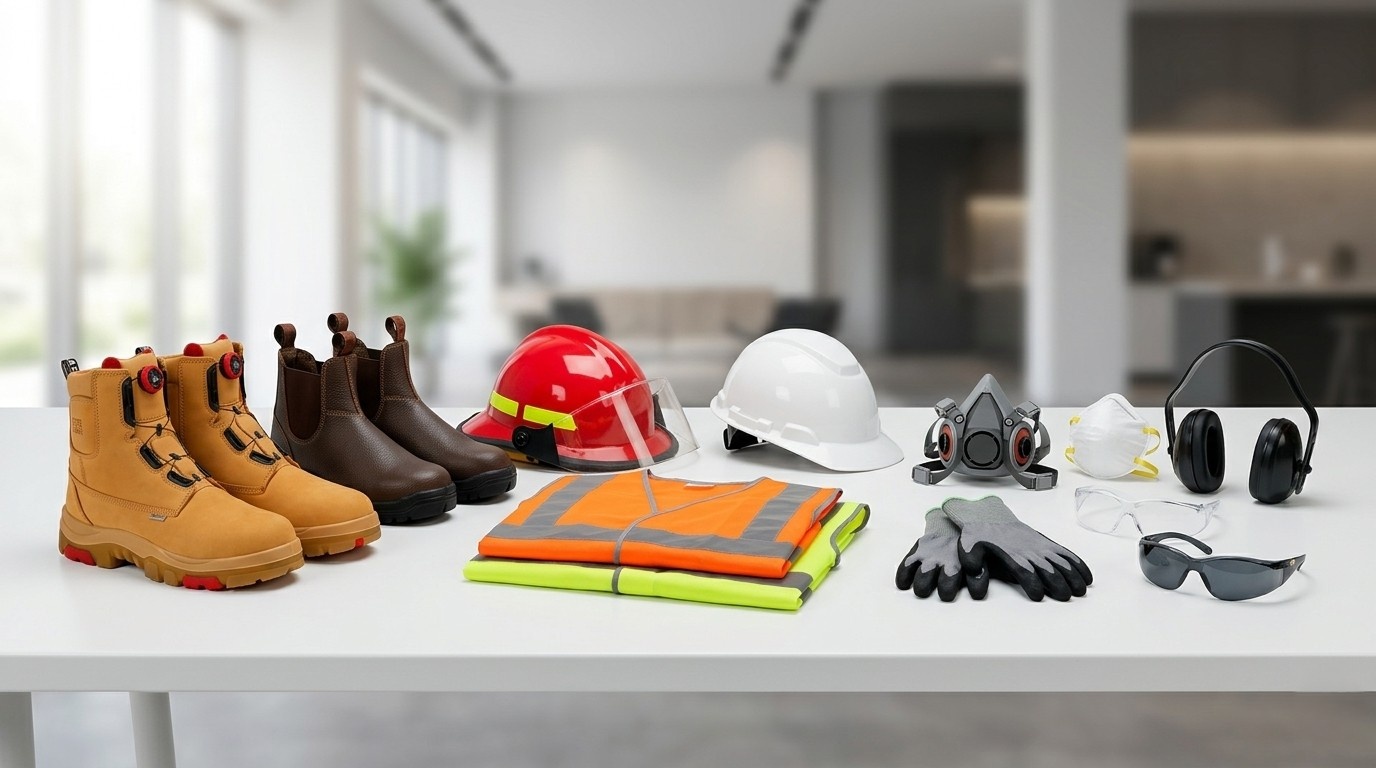
The type of PPE used should match the hazards and work activities, such as:
- Safety helmets for head protection
- Safety shoes for foot protection
- Safety glasses for eye protection
- Safety gloves for hand protection
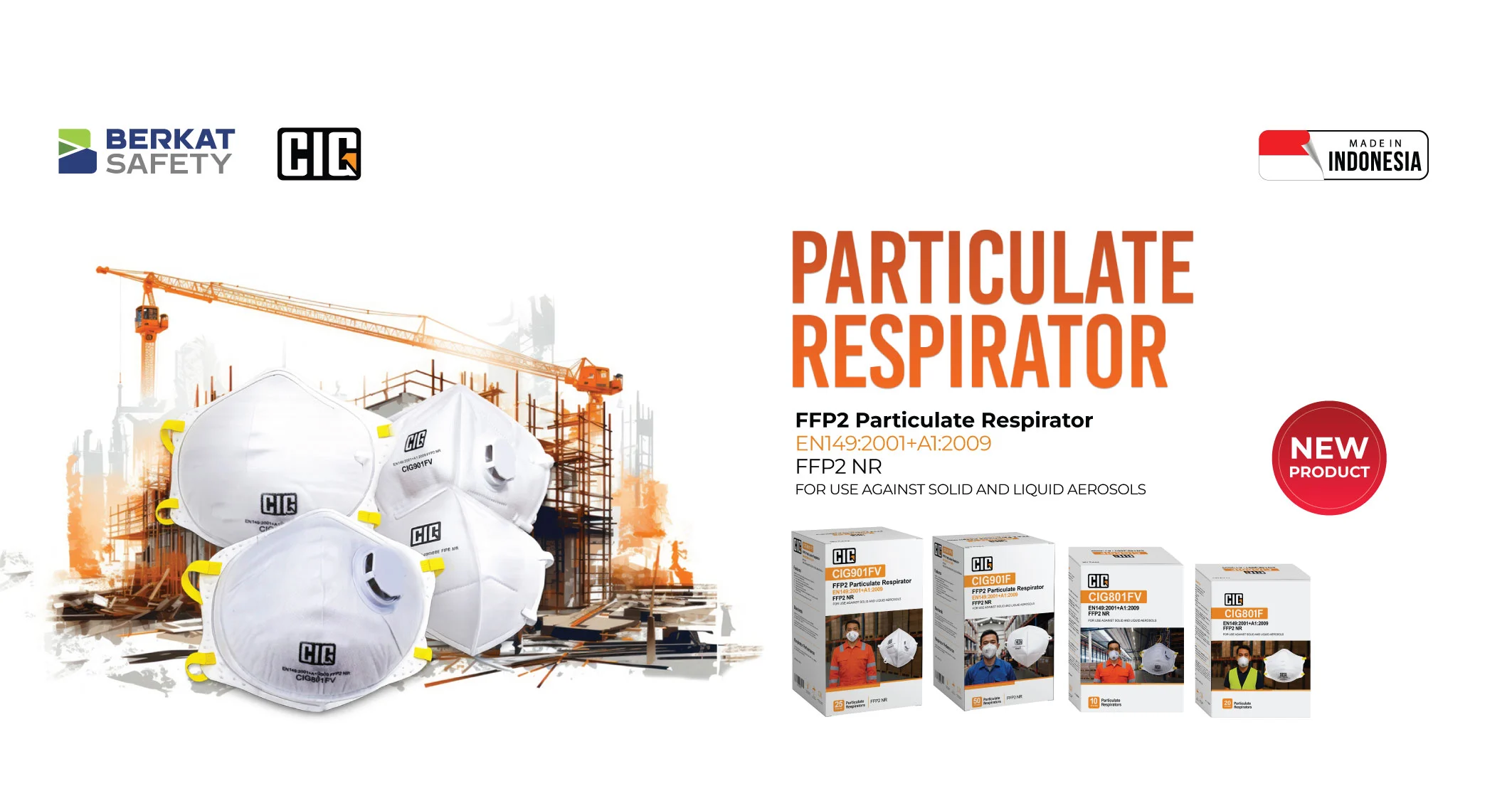
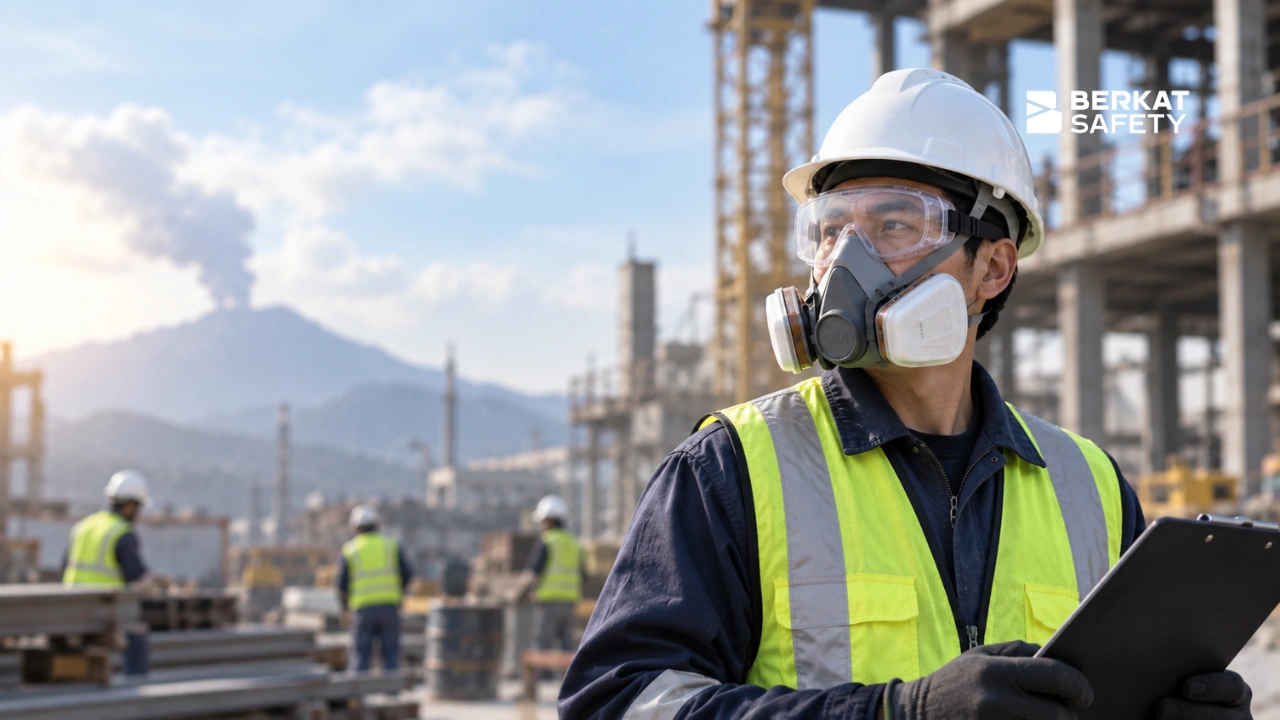
- Respirators for respiratory protection
- Hearing protection to reduce noise exposure
- Fall protection equipment for work at height
Because every job has different risks, PPE selection should be based on the results of hazard identification and risk assessment.
Berkat Safety’s Role in Supporting SMK3 Implementation
SMK3 implementation requires support across multiple areas, including the availability of safety equipment that matches workplace risks.
As a provider of workplace safety equipment, Berkat Safety offers a range of PPE to help companies support OHS programs in their workplaces.
Available products include various protection categories, such as:
- Safety helmets
- Safety shoes
- Safety gloves
- Eye protection
- Respiratory protection
- Hearing protection
- Fall protection
- Other safety equipment
Product selection should still be based on hazard identification, risk level, job specifications, and applicable safety requirements.
With the right products and specifications, companies can be better prepared to meet employee protection needs as part of their OHS management system.
Conclusion
SMK3 is a management system that helps companies manage occupational safety and health in a planned, measurable, structured, and integrated manner. Its implementation covers five main elements: establishing an OHS policy, OHS planning, implementing the OHS plan, monitoring and evaluating OHS performance, and reviewing and improving SMK3 performance.
Under PP No. 50 of 2012, companies that employ at least 100 workers or have a high level of potential hazard are required to implement SMK3.
However, implementing SMK3 is not simply about meeting regulatory requirements. When applied consistently, the system can help companies control risks, prevent workplace accidents and occupational diseases, and create a safer and more productive work environment.
Having appropriate PPE available is also an important supporting part of risk control. Make sure your company’s safety equipment is selected based on the hazards and requirements of the job.
Berkat Safety is ready to help meet safety equipment needs across various industries. Contact the Berkat Safety team for product information and safety equipment recommendations tailored to your company’s needs.